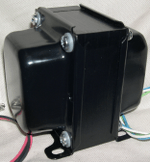
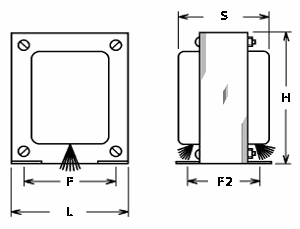
During the hot days of late July and early August I finally found time to create something new. For a long while I’d wanted to work on interstage and line transformers, partly because a few years ago I had a bad experience with a famous, overpriced commercial transformer. On paper it promised miracles, but on the bench—paired with its recommended tube—it was a disaster, rolling off by an embarrassing –1 dB already at 9 kHz.
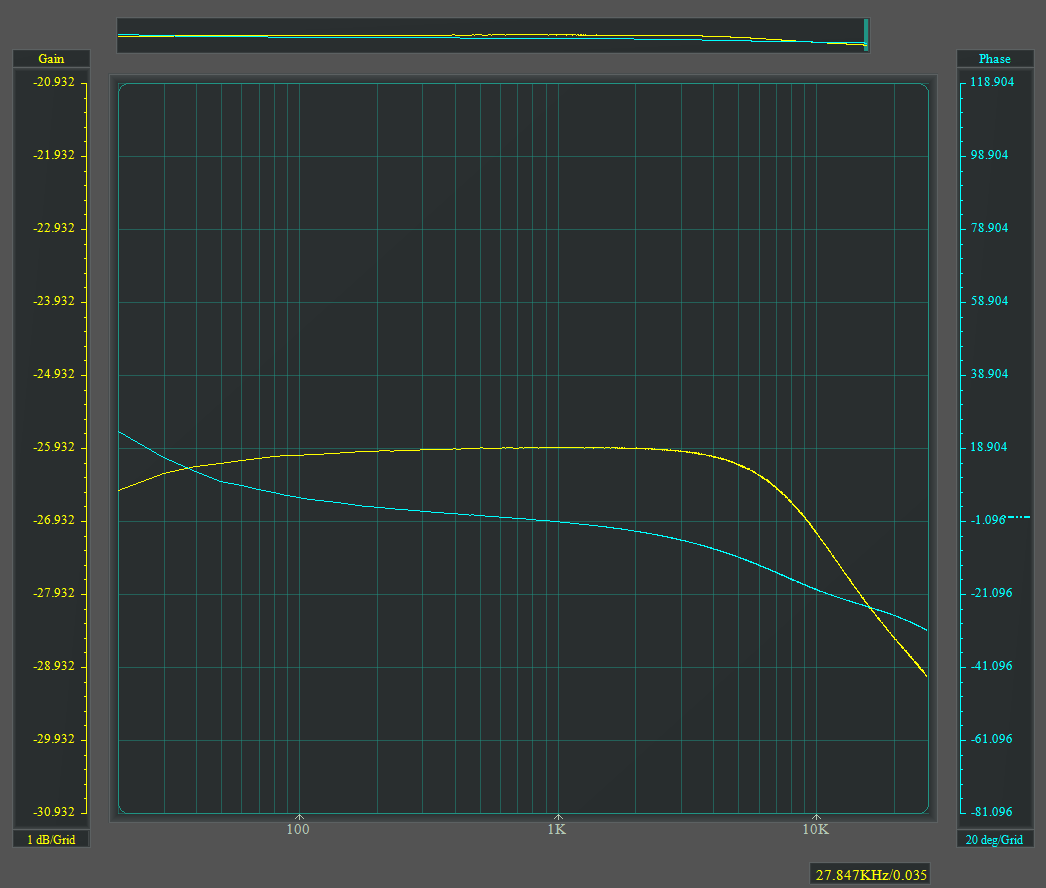
An unacceptable result—especially after spending €300 on a pair of iron bricks unfit even as doorstops—and I had to argue with the seller for a refund, since the parts didn’t even meet their published datasheet.
So, last weekend I got to work: calculations and simulations until four in the morning, and two days later I was already at the winder building a prototype to see whether practice matched theory.
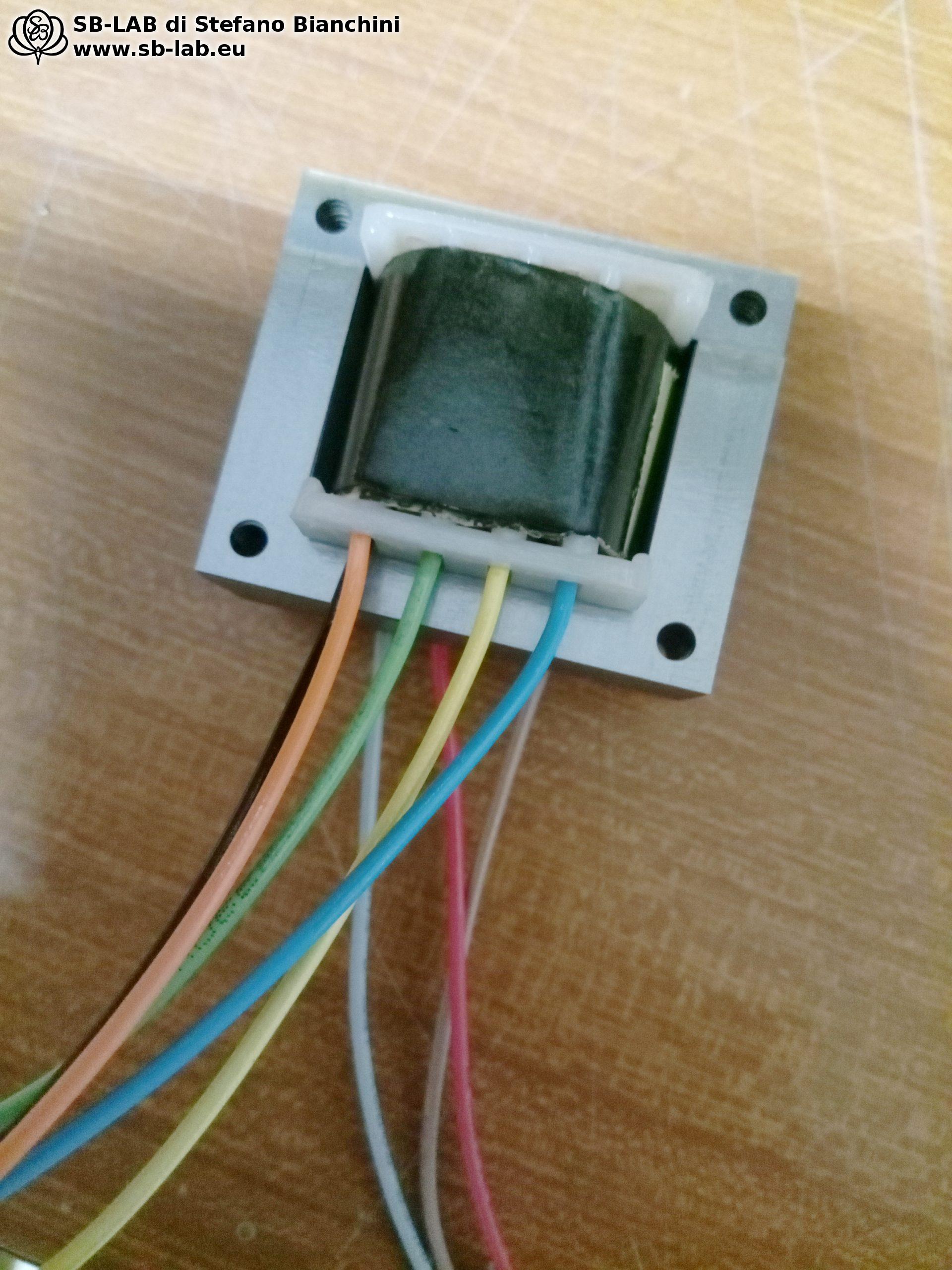
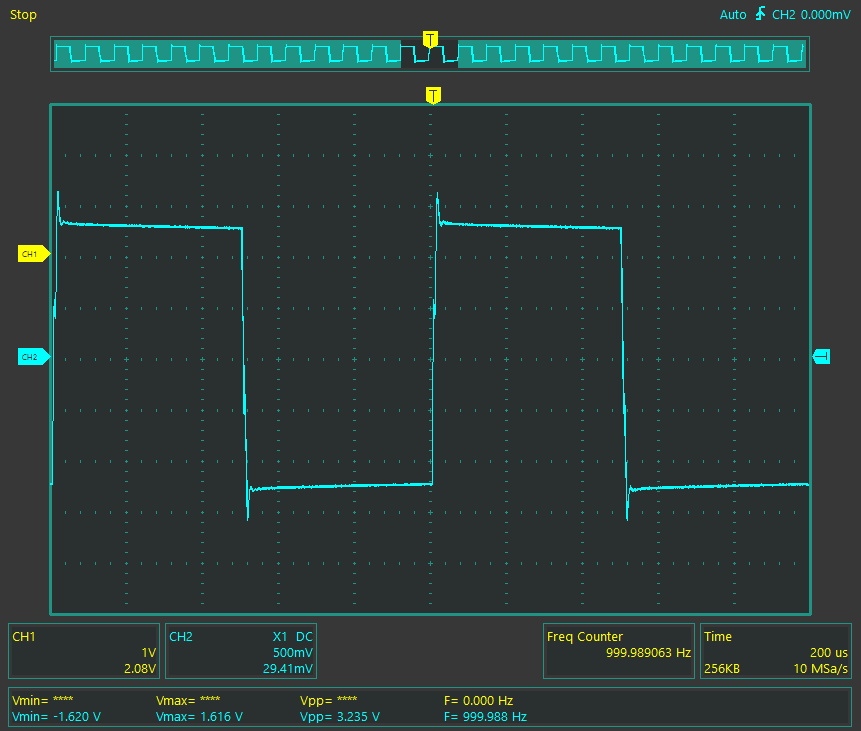
The prototype passed every measurement without issue. No double-C cores, exotic materials or marketing gimmicks like “capacity traps”: just a carefully designed transformer with a classic small EI laminated core—affordable even when sold by me, at roughly one-tenth the cost of some hi-end products.
Here are the main specs. It’s designed to work with an ECC88 in push-pull configuration at 5 mA per side, but it will also run well with tubes having an internal resistance around 2.6 k?. The primary impedance is a substantial 60 k?, and the secondary offers multiple outputs at 32/64/128/256 ohm.
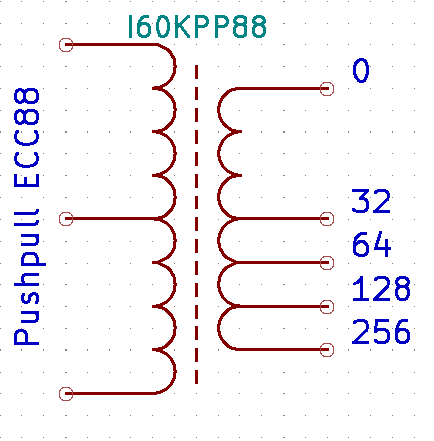
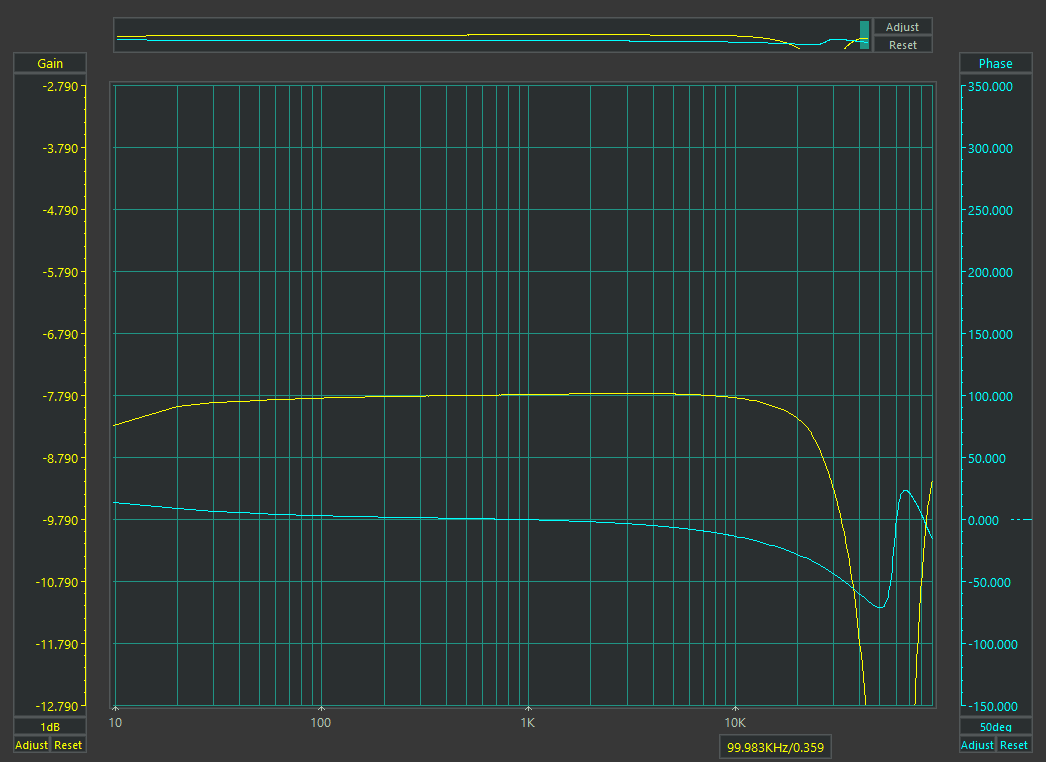
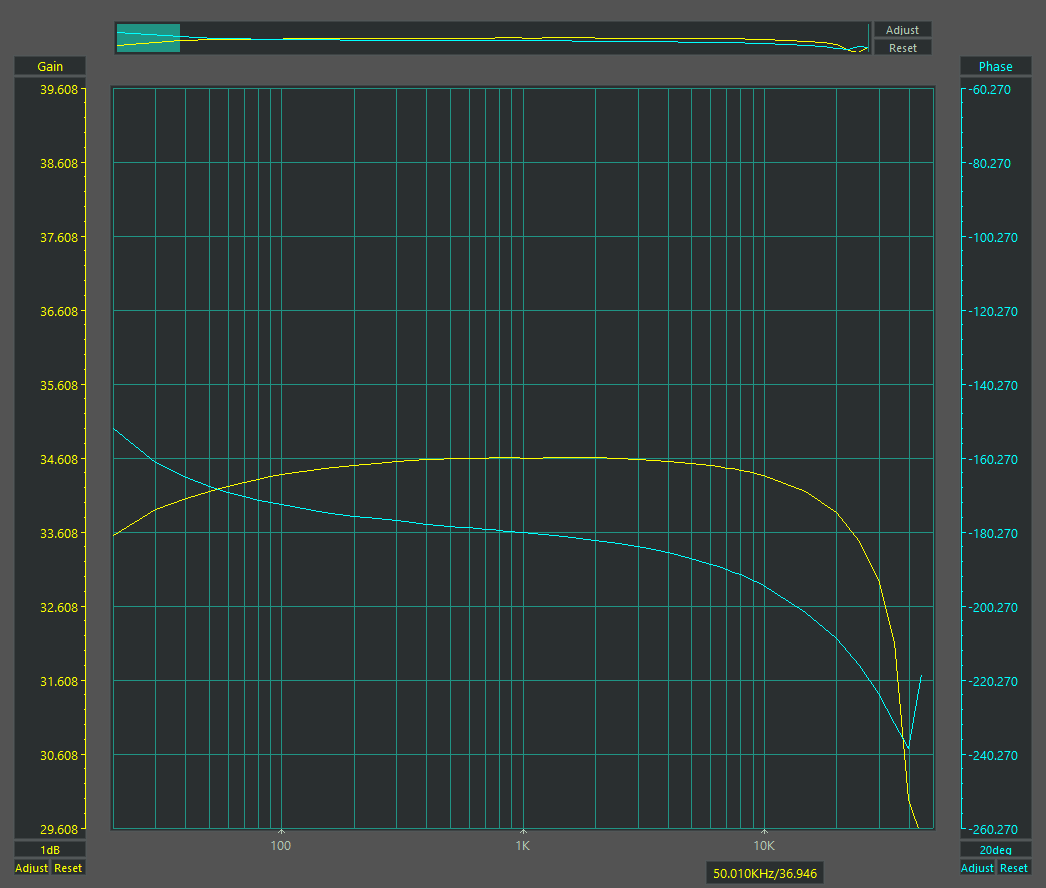
These values aren’t random: with such a high primary impedance, you can—for example—connect 50 ohm headphones to the 64 ohm tap, or 120/130 ohm loads to the 128 ohm tap, or 250/300 ohm loads to the 256 ohm tap, all without mismatch. Frequency response is 20 Hz–22 kHz (–1 dB) into 250 ohm, with no negative feedback, at 100 mW output.
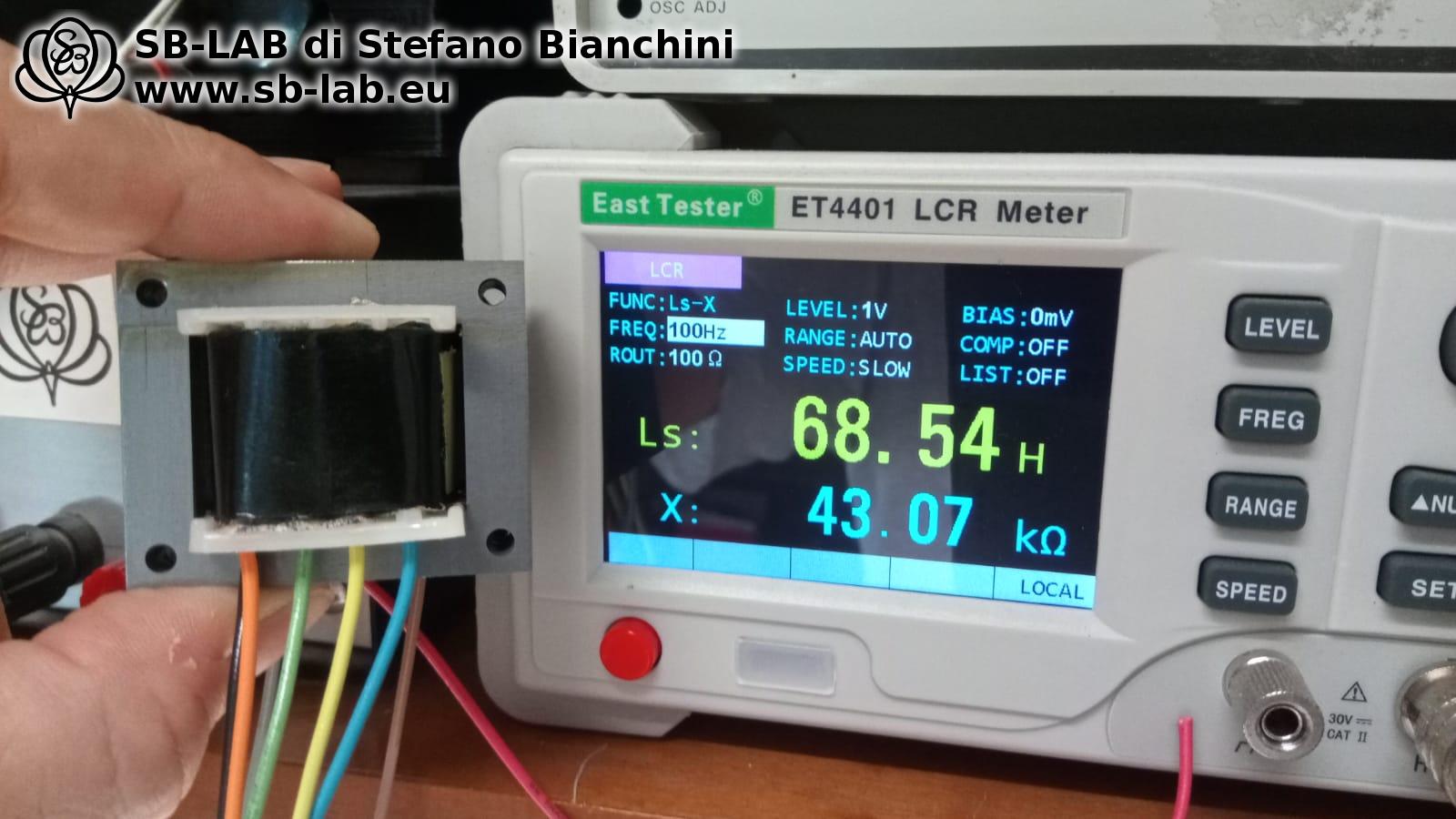
The primary inductance measured at 100 Hz confirms the design target: about 48 henry—remarkable for a transformer of this size.
This is the simple test circuit used:
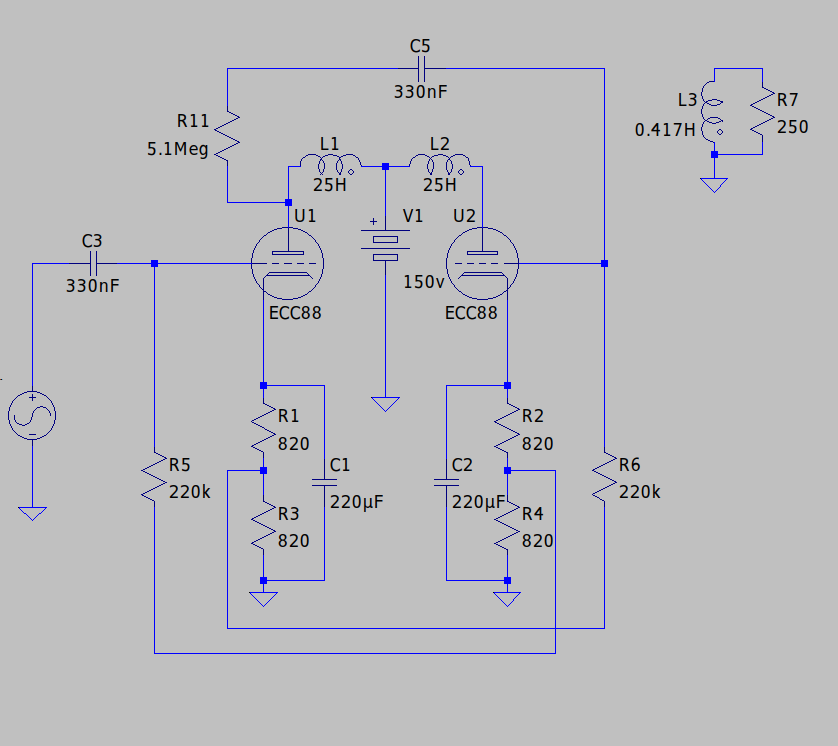
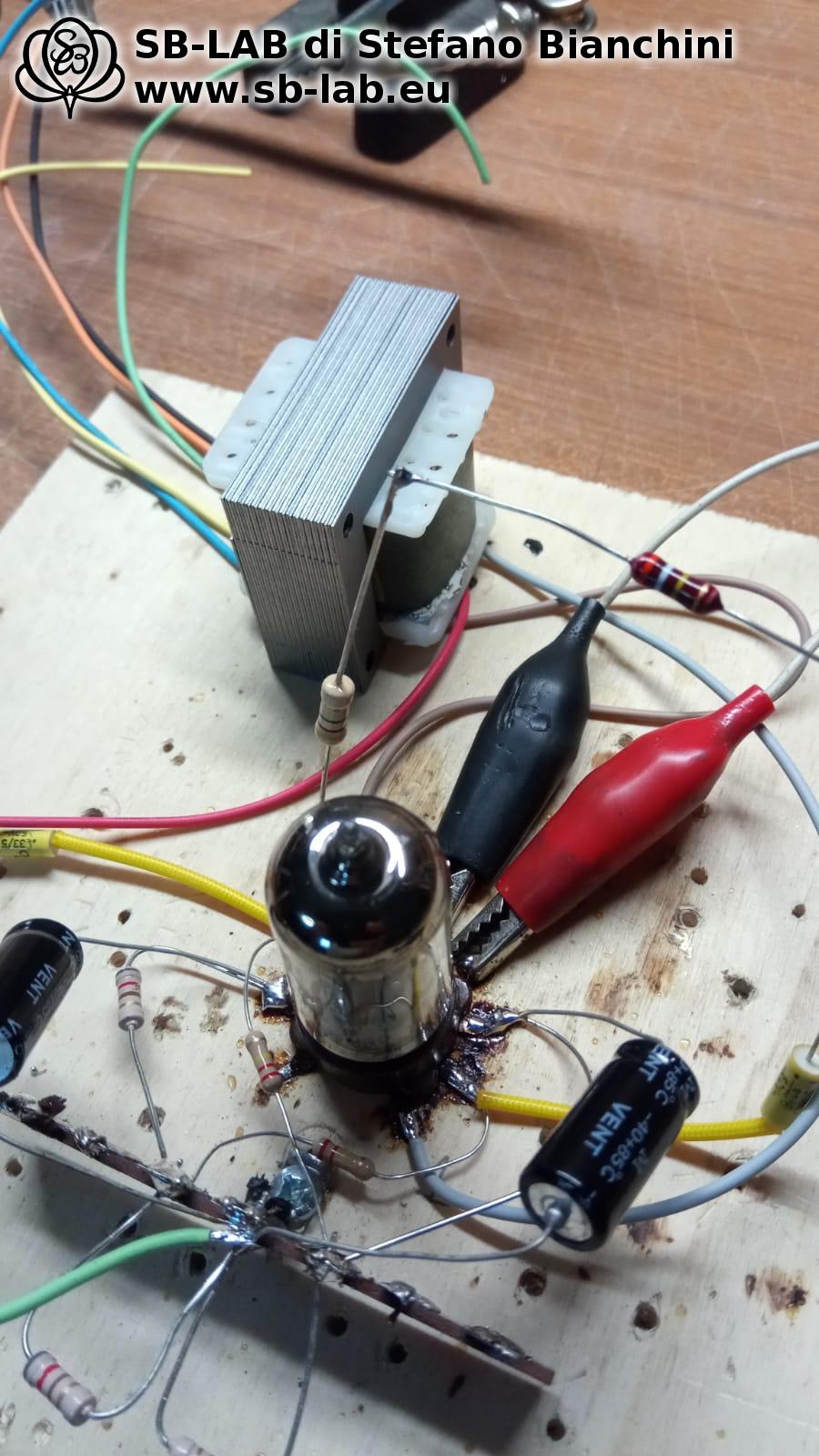
It’s a very basic “paraphase” push-pull, probably not the best for deep bass, yet listening in mono—joining both channels of my DT880 Pro on the 128 ohm tap—was surprisingly good. Note: with two transformers, two ECC88/6DJ8 tubes and this simple circuit, you already have a complete headphone amplifier; just add a power supply capable of 150 V and 20 mA.
This transformer isn’t limited to headphone duty: it can serve as an interstage (including phase-splitter) or as a balanced or unbalanced line transformer providing galvanic isolation. Below are two application examples:
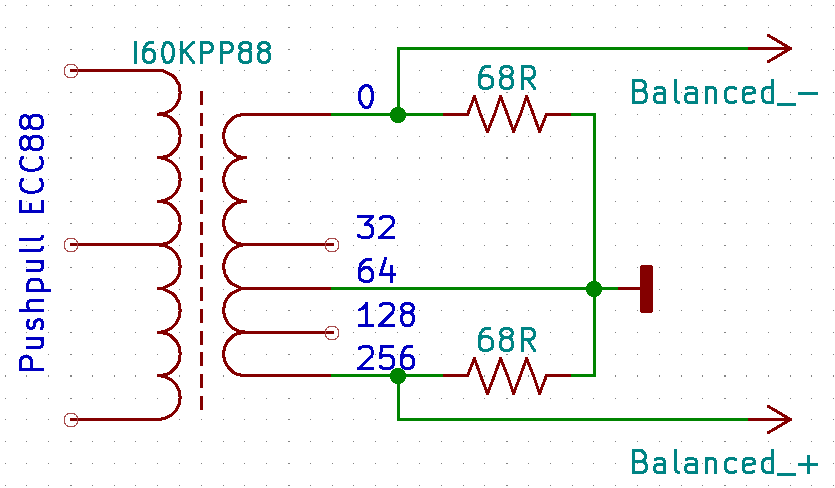
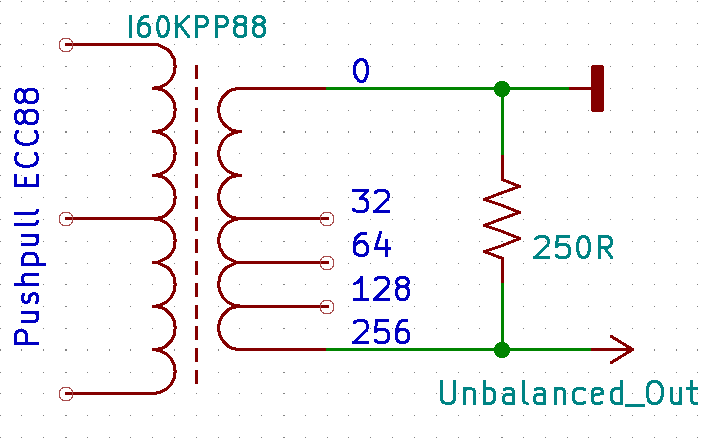
My plan is to supply it fully encapsulated for PCB mounting. I hope this project will attract those looking for an interstage or line transformer that truly delivers great sound at an honest price.