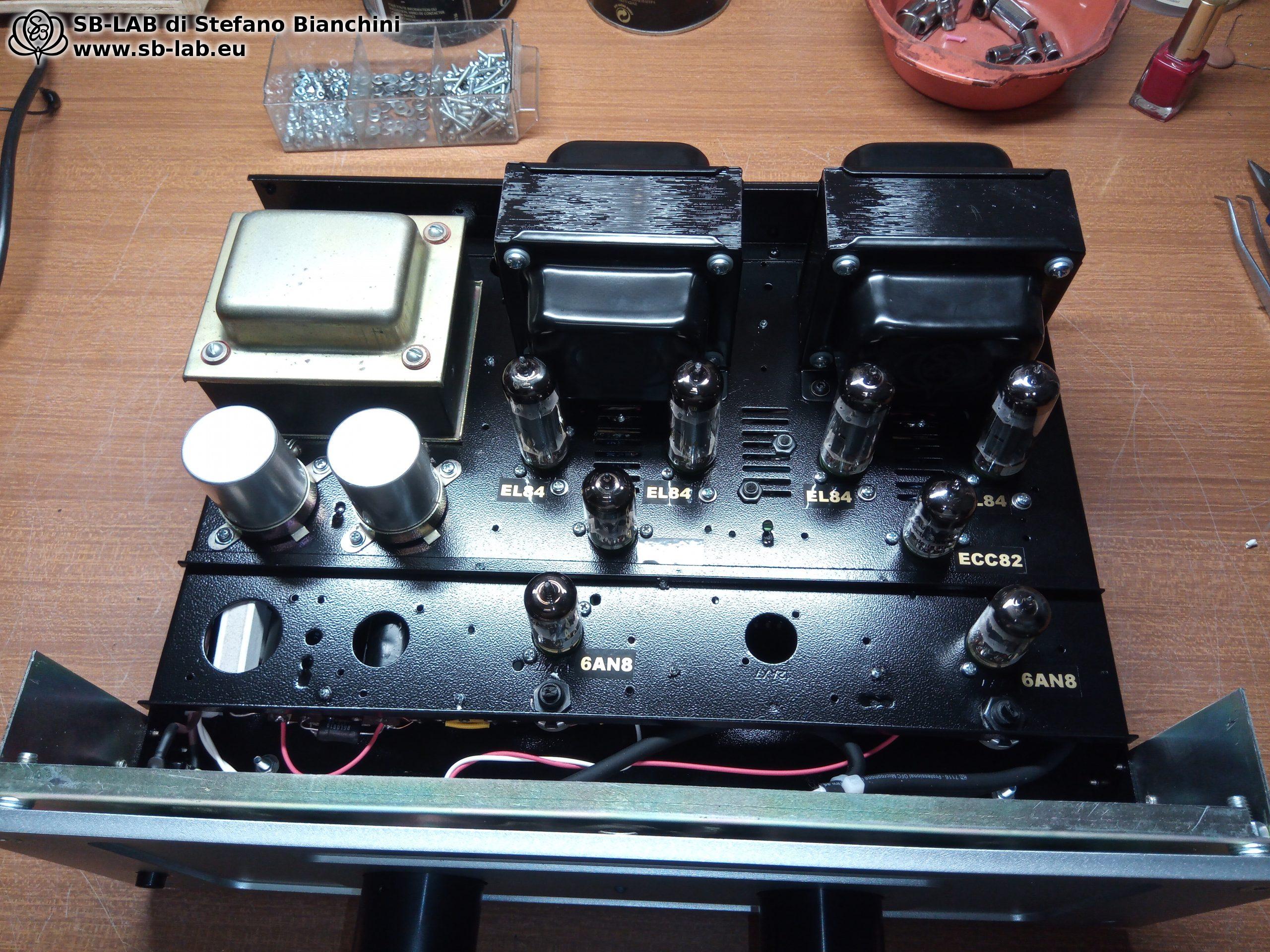
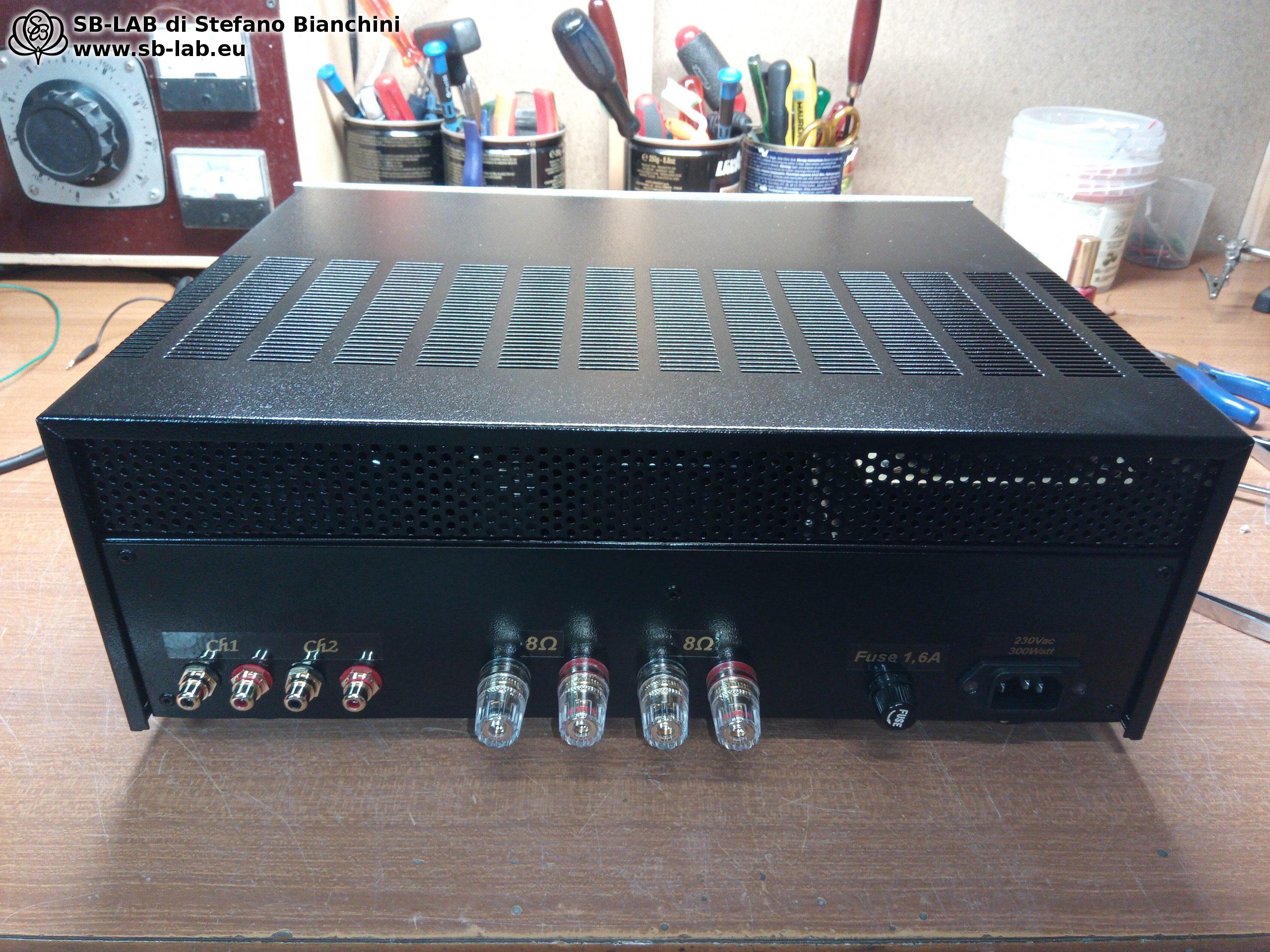
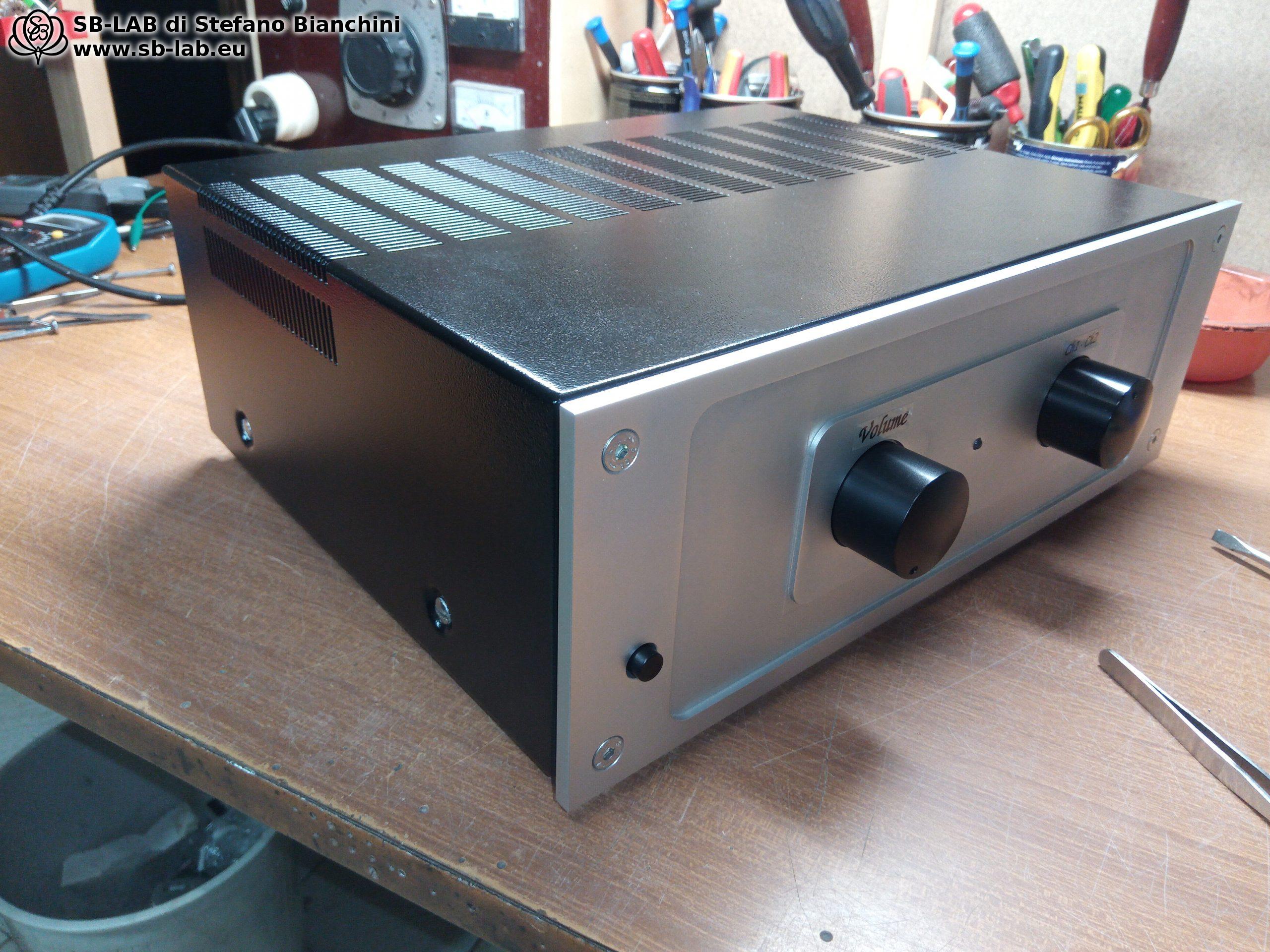
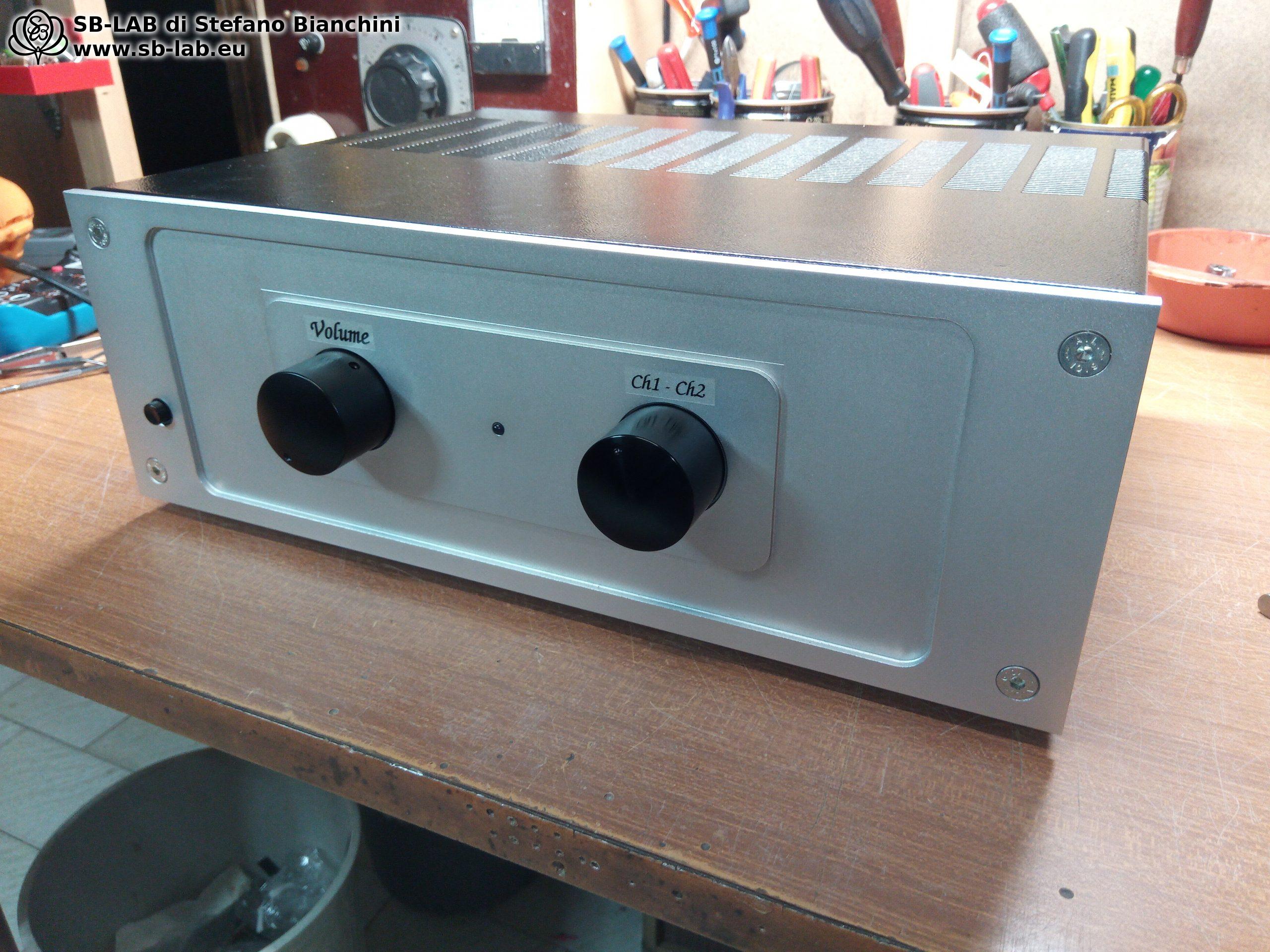
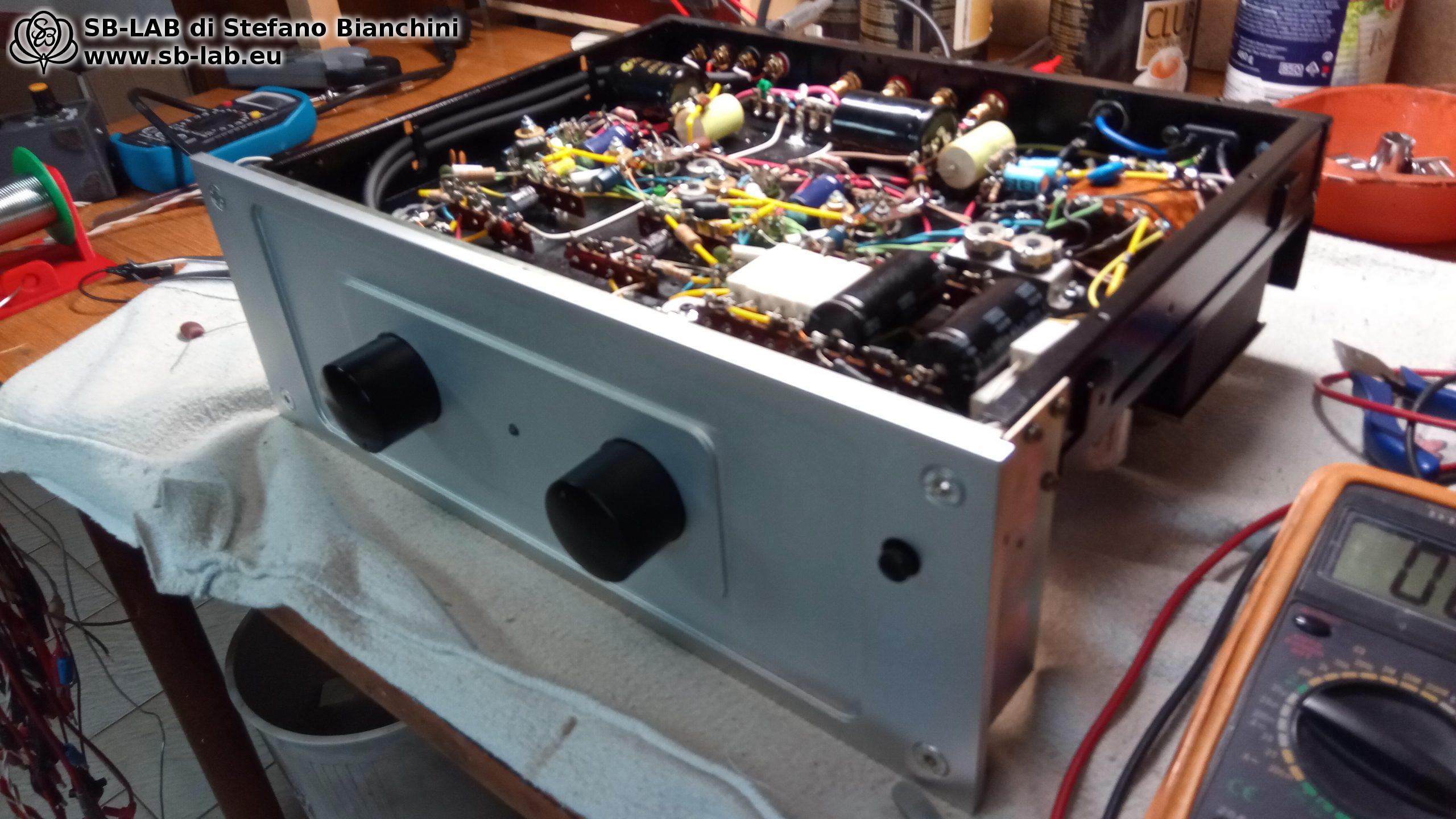
Preamplificatore DAC e RIAA MM a trasformatori con valvola 6BX7 / 6BL7

This project was conceived as a thoughtful evolution of a series of experiences developed during the second lockdown period, when the available time made it possible to return to experimentation without compromises, setting aside “clever” shortcuts and focusing exclusively on real sonic results. The goal was to build a tube DAC preamplifier with transformer-coupled outputs, capable of combining transparency, three-dimensionality, and soundstage control, while avoiding both the artificial sonic aesthetic of certain zero feedback circuits and the spatial compression typical of designs with excessive feedback. The result is a device designed to interface directly with high-quality power amplifiers, without masking anything and without imposing a caricatured sonic signature.

For this project I drew inspiration from several sources and previous experiences. In particular, I deliberately blended what I had learned with the granny27 and with the Nibiru. The idea was to obtain a transformer-coupled DAC preamplifier, similar in concept to the old Euridice project, but with an extra edge.

This “extra edge” comes from the experience gained precisely with the Nibiru, where I had successfully experimented with a controlled three-dimensional spatial effect, obtained by deliberately combining the behavior of an inductive element with a very mild but extremely precise amount of negative feedback. In the Nibiru, the key element was an inductor, whereas here that role is played by the transformer. The feedback was carefully calibrated to avoid two equally wrong extremes: on one side, the loose and unfocused sound of true zero feedback circuits, and on the other, the flattening and compression of the soundstage typical of designs with high feedback.

The result is a balance that is difficult to achieve but extremely rewarding, a virtuous middle ground between three-dimensionality, focus, and naturalness, making listening engaging without introducing coloration or artifices. It is exactly that kind of moderate, thoughtful, and beneficial feedback that those who dogmatically wave the banner of zero feedback will likely never understand. This project is published as premium.

To avoid the issues encountered with the granny27, which eventually had been loaded with a transistor CCS, sounding very good but not fully meeting my original objective, I decided to start from a tube with significantly lower internal resistance. The choice fell on the 6BX7, a tube often underestimated but extremely interesting for this type of application.

The 6BX7, as well as its equivalent 6BL7, is a power double triode with the same socket as the 6SN7, but with decidedly different electrical characteristics. It can dissipate 6 watts per plate, has an internal resistance of about 1300ohm, and a Mu of 10. Functionally, it closely resembles the power section of a 6EM7. It is particularly well suited for headphone amplifiers, line preamplifiers, very low power amplifiers, or as a driver for large tubes such as 300B or 845.

For this project I designed a new interstage transformer, the i12K600, specifically intended to work correctly with tubes having low internal resistance.

This transformer has a 12kohm primary and a 600ohm secondary with center tap, and it can handle a DC current of 10mA. It can be used with tubes having an internal resistance from about 1700ohm downward, such as 6BX7, 6BL7, but also 5842 or 417A. In my case, already having a robust signal coming from the DAC, I preferred the 6BX7. Thanks to its low Mu and the transformation ratio, I managed to achieve nearly unity gain, while still working with a genuinely amplifying tube, capable of imparting an authentic and natural character to the sound.

This approach is the exact opposite of many inexpensive buffers found on the market, where a follower tube is inserted merely for show, while the real work is done by op amps hidden under the hood.

To further experiment, I also included in the preamp, in addition to the DAC, a JFET preamplifier based on BF256 and 2SK170. A selector switch is therefore present, allowing switching between the DAC, the phono preamp, or an AUX input for external sources.

As a first step, I built the power supply in a separate chassis, in order to keep the power transformer away from the interstage transformers and avoid the introduction of hum, a problem I had already encountered with the granny27.

The anode supply was implemented using a 6X5GT. The 6BX7 stage draws about 20mA constantly while operating in class A, so the 6X5GT is perfectly sized, being capable of delivering up to 70mA. It is not stressed in the slightest, will last a long time, and is easily available in NOS versions at reasonable cost. This is the exact opposite of what certain “gurus” claim, insisting that to supply a few milliamps one necessarily needs oversized rectifiers and huge banks of capacitors, without even distinguishing between current, voltage, and output resistance of a stage.

After the 6X5GT, I used a CLC cell, as in the granny, with an old NOS Philips screw-terminal capacitor whose electrical characteristics put many modern capacitors, even so-called audio grade types, to shame. Purely for curiosity, and to achieve absolute instrumental silence, I then suppressed the residual ripple with a capacitance multiplier, visible on the left after the green rectifier bridge that instead powers the RIAA preamp at 24 volts.

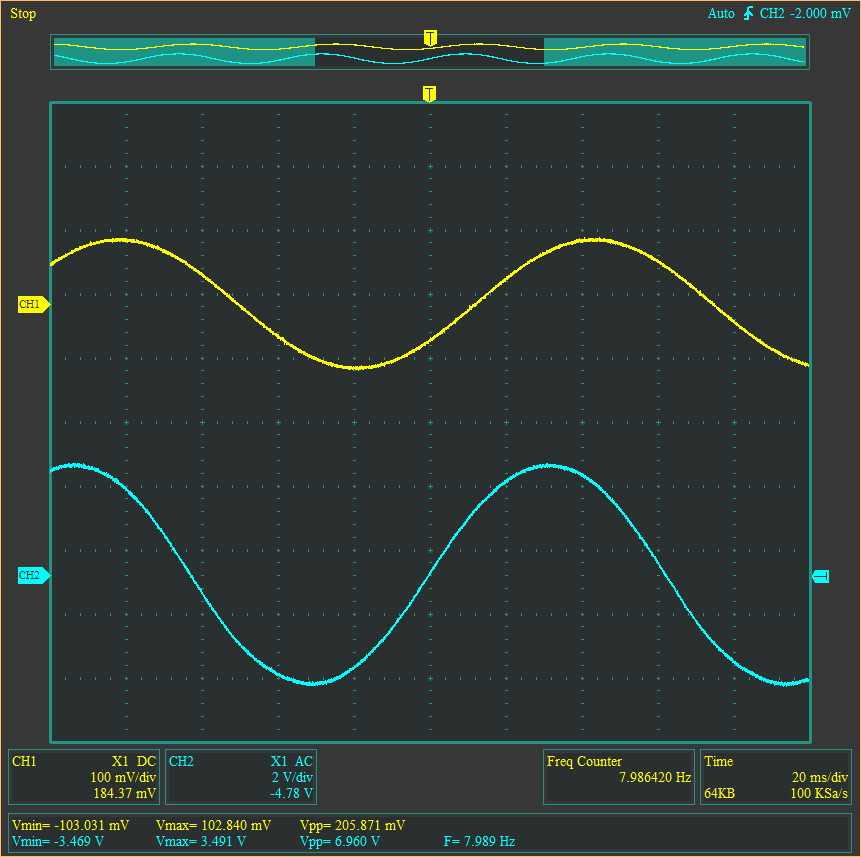
A small personal satisfaction in the use of vintage components: in the capacitance multiplier, next to the BUX85G, one can notice a NOS BC207. In the video below it is possible to observe the operation of the multiplier, with the oscilloscope scale set to 20mV per division. The lower trace shows the signal before the multiplier, the upper one, almost flat, the signal after. The slight low frequency undulations are simple variations in the mains voltage and should not be confused with residual ripple. The multiplier is not a regulator.

Moving on to the chassis of the preamp itself, the anode supply is further decoupled by an RC cell with a 22ohm resistor and a 2.5uF NOS paper-in-oil Sprague capacitor, of the type intended for aviation use, equipped with mounting screws to withstand mechanical acceleration.

Paper-in-oil capacitors in audio applications give their best in power supplies. When inserted into the signal path, or worse still in crossovers, they do tend to smooth roughness, but at the cost of a loss of detail, especially in the high frequencies.

The trimmer visible in these images is used to perfectly balance the two channels. With a very low NFB rate, about 2dB, even tubes with well matched sections will never be perfectly identical. Balancing is carried out under oscilloscope by acting exclusively on the feedback network, without touching the input signal, thus avoiding the introduction of noise.

The 6X5GT

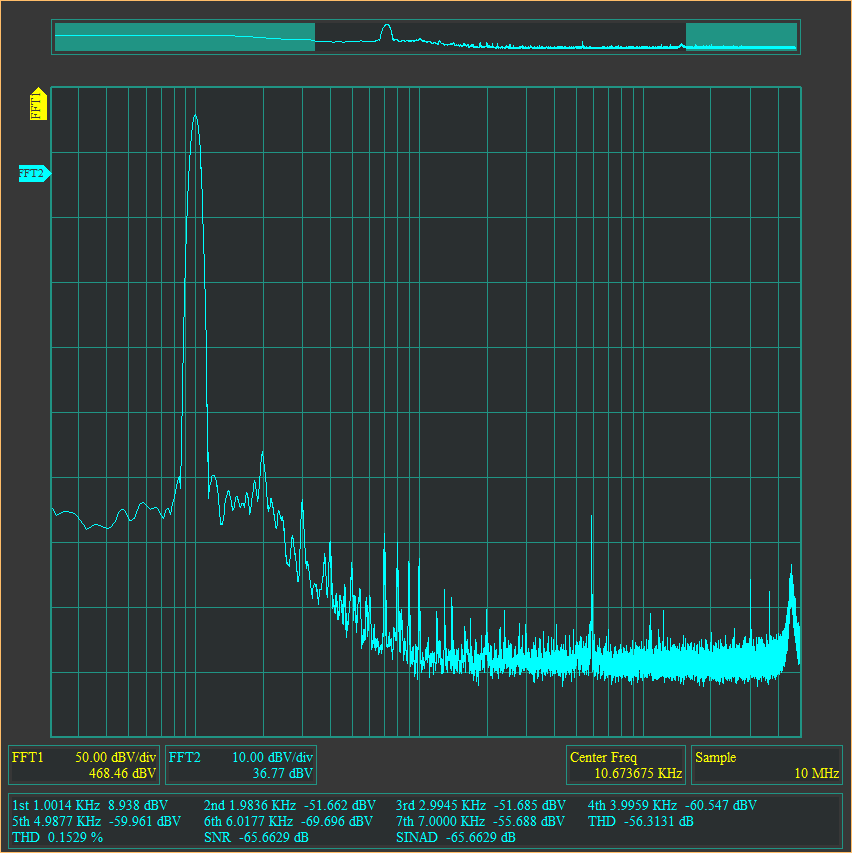
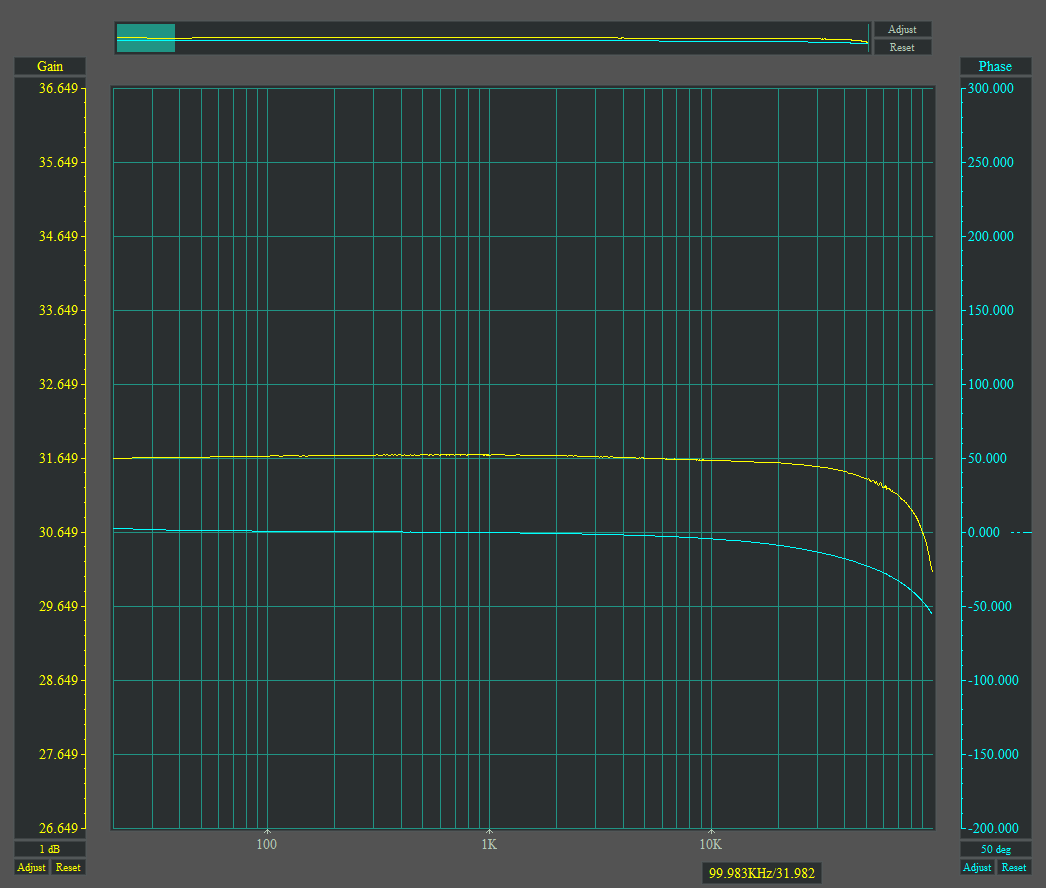
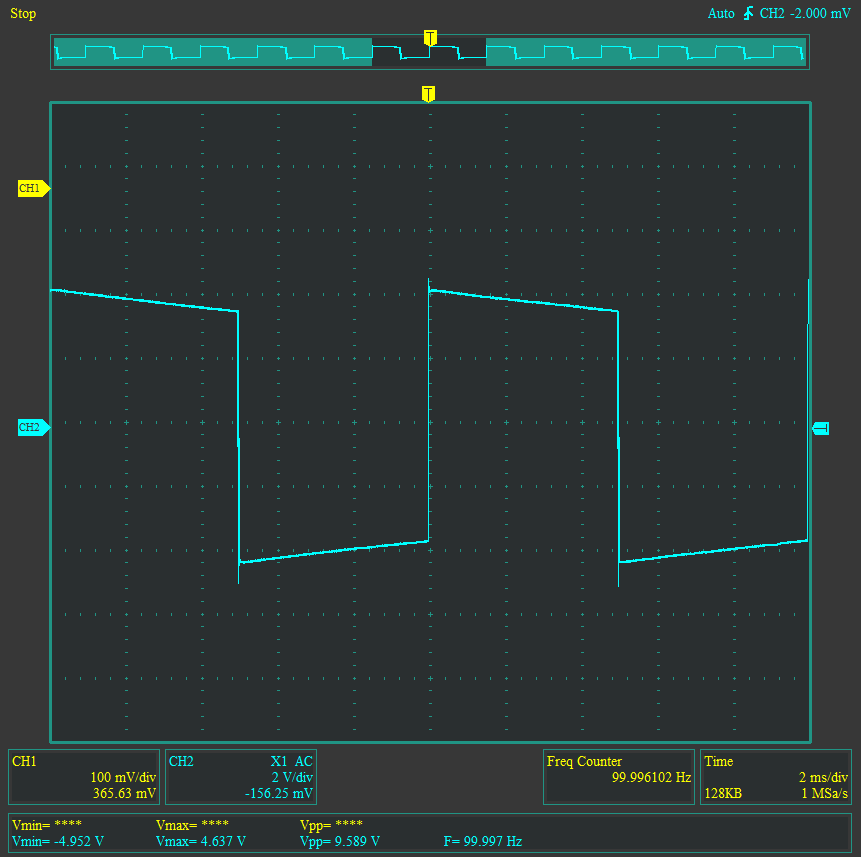
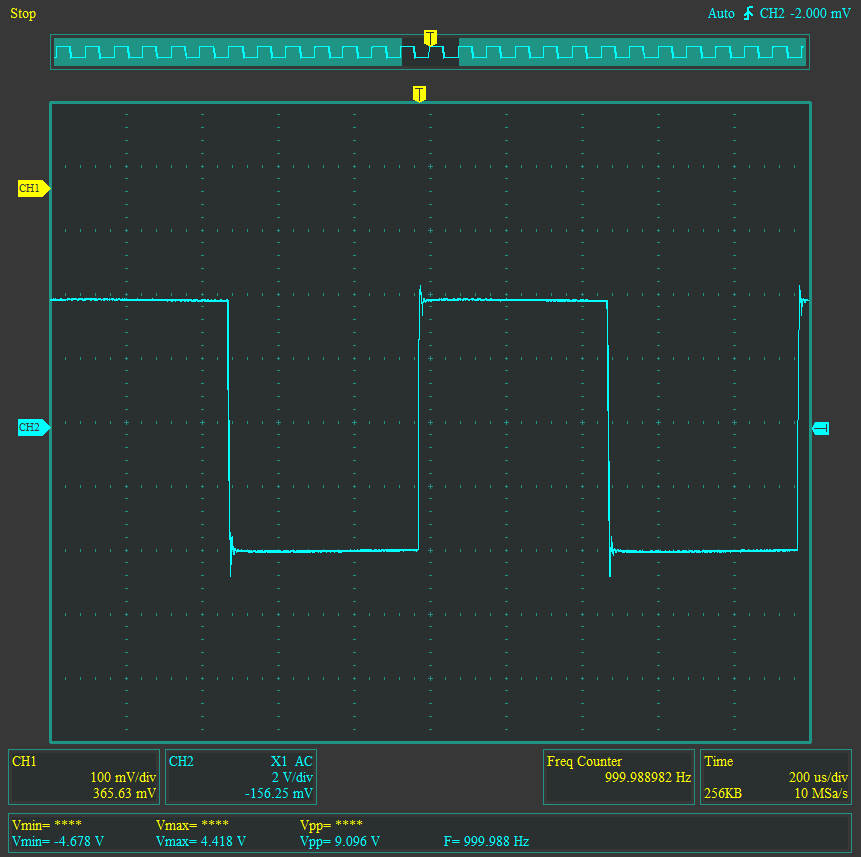
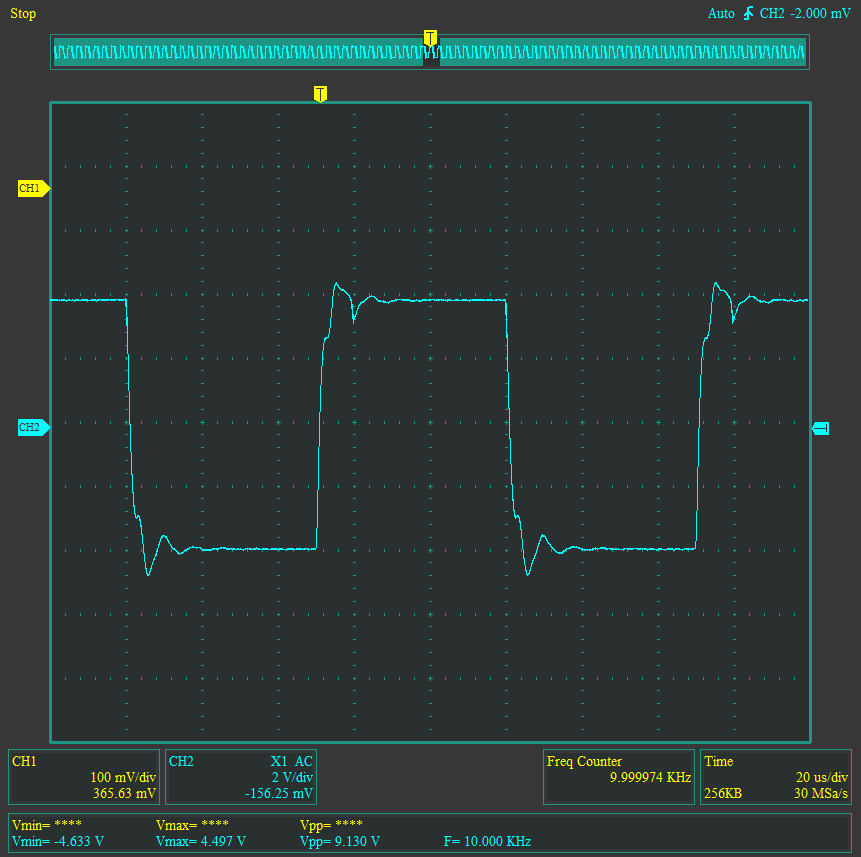
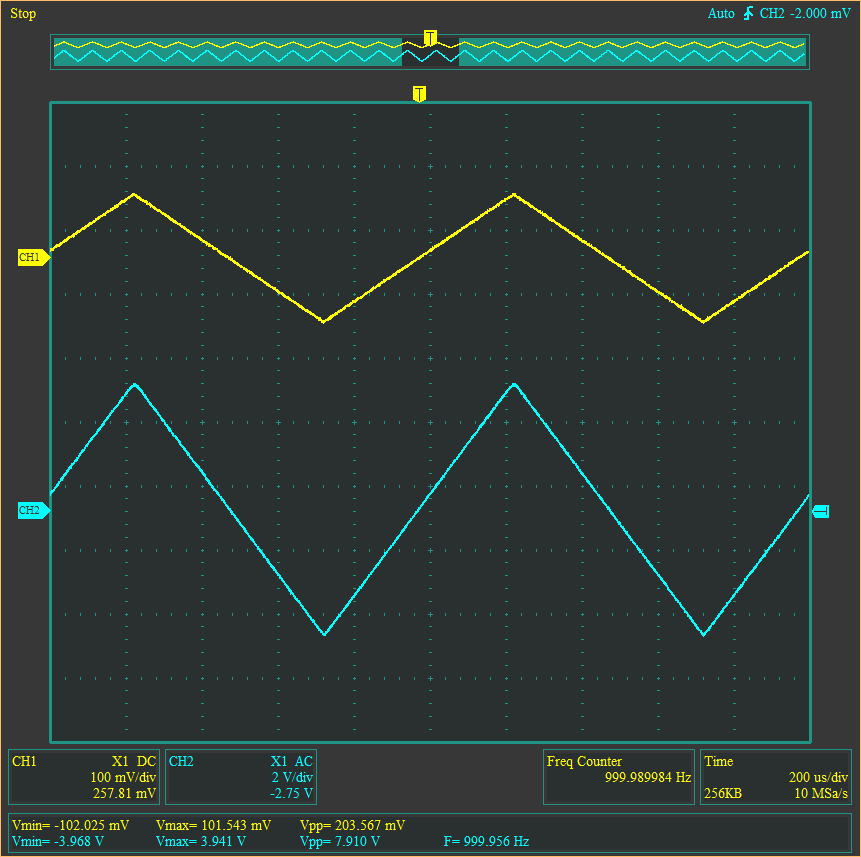
Measurements: total harmonic distortion is 0.78% with an output of 8Vpp, a value higher than the maximum normally used, which is around 6Vpp in operation with the DAC. Bandwidth is 30Hz to 35kHz at -1dB, measured at the same amplitude.

How it sounds

I experimented with various bypass capacitors on the 6BX7 cathode electrolytics, trying polypropylene, cellulose acetate, and other solutions. In the end I found my balance with polypropylene, which favors detail without impoverishing body. The sound is rich and pleasing, the high frequencies are lively but never aggressive, instrument separation is excellent, voices are well focused at the center of the stage, and the soundstage is wide and credible. The final result is fully satisfying.

Continue reading...

Leave a Reply

This site uses Akismet to reduce spam. Learn how your comment data is processed.

Boyuu A9, from a Chinese kit to a true single-ended EL34

If you want to build a serious tube amplifier without spending weeks designing and making a chassis from scratch, a kit enclosure can become an excellent mechanical starting point. In this article I show a complete upgrade of a BOYUU kit, not the usual “swap two capacitors and done”, but a real rebuild based on a proven SB-LAB design, with dedicated output transformers, point-to-point wiring, and final instrument checks. The goal is to achieve real performance, reliability, and listening quality, reusing only what actually makes sense to keep from the original kit.

After writing the article “How to make a Chinese tube amplifier sound good“, I promised myself I would carry out a real mod to understand the potential and the limits of my theory. So I bought a BOYUU kit enclosure identical to the one you see in the photo above, at such a low price that I simply had to try. If you have not already done so, read the previous article.

What I am going to propose in this new article is not a simple upgrade of capacitors and resistors on a stripped-down Chinese little circuit with Chinese output transformers, but the construction of a completely new and different piece of equipment, using high-quality parts and aimed at delivering excellent sonic results, without looking out of place when compared with products sold for thousands of euros. In this context, the starting Chinese kit enclosure is meant to provide a mechanical support, a chassis where to mount everything, and also to provide part of the components needed to build the final circuit.

comic

The advantage, which I have verified, of starting from a Chinese kit enclosure rather than doing everything from scratch lies in the fact that, in DIY tube amplifier building, the most demanding and time-consuming part has always been making a chassis where to mount everything. From this difficulty come many unpresentable builds and many other poorly assembled devices in ugly boxes.

On various bazaars you can also buy the empty enclosures of these amplifiers for even lower prices, but I chose a complete KIT because, even if I could not use everything, the parts that can be reused (connectors, tube sockets, some resistors and capacitors, the tubes, the power transformer and the choke), if bought separately, would cost much more. So the idea is to buy the kit enclosure and use everything usable to save money, without giving up the quality of the final device.

Let’s see what arrived. The packaging was a double cardboard box, the only things already mounted on the chassis were the 3 transformers and the choke.

Separately there was a bag with all the small hardware…

And, packed in foam, the tubes…

The 6N9p (equivalent to 6SL7GT) and the rectifier are Russian NOS, while the EL34 are Shuguang production. I started the modification by removing the BOYUU output transformers and evaluating the installation of 2 SB-LAB output transformers. For the occasion I tested the new version of the SE2K-EL34, called SE2K-EL34/2, which will replace the previous model (already on the price list at the same price as the previous ones).

Let’s look at the Chinese schematic…

A very simple and basic schematic, with the EL34 connected in ultralinear even though the circuit is single ended, on an 8k primary transformer, biased at 50 mA. In these conditions it would have delivered roughly 3 watts RMS with a decidedly high distortion level. The input double triode has its sections in parallel and the whole thing is obviously zero feedback.

So I started from one of my already widely tested SE EL34 designs and looked at how to adapt it. The output transformers were mine, but I had to use the original power transformer and choke. Below are the specifications of the BOYUU power transformer:

Note: the transformer included in the kit enclosure had only a 230 volt primary without a 110 V tap, and the wires were orange and blue. The DC resistance of the high-voltage secondary was 133 + 133 ohm. The transformer HT secondary is rated for a maximum of 250 mA, while the schematic I started from would have drawn 280 mA. So I had to reduce the output tube bias current to stay within 240 mA AC total (236 to be exact). This would cost a tiny bit of speaker power compared to the original schematic.

The 6.3 volt secondary for the EL34, rated for 4 A max, is loaded with an actual 3 A, for a power of 18.9 VA
The 6.3 volt secondary for the 6N9p, rated for 2 A max, is loaded with an actual 600 mA, for a power of 3.78 VA
The 5 volt secondary for the 5Z3, rated for 4 A max, is loaded with an actual 3 A, for a power of 15 VA
And finally, as mentioned, the 320 + 320 V secondary is full-wave rectified, therefore used half-cycle per side, loaded at 236 mA, for a power of 75.52 VA, for a total of 113.2 VA. The transformer is built on a 32×60 core and therefore it is almost at the limit of power you can ask from a transformer of these dimensions. During operation it may heat up significantly, but it should not have problems in general.

The choke supplied in the KIT instead turns out to be 5 H, with a DC resistance of 83 ohm. Below is the premium schematic, which of course you can see in the clear if you buy the pair of output transformers to build the project. The components marked as “cina” on the schematic come from the Chinese kit enclosure, all the others must be added separately.

Now let’s see how I carried out the assembly. The first thing to do is to remove everything from the chassis and make the holes needed to mount the new output transformers and to pass their wires. A rubber grommet must be placed in the hole because the sheet metal is thin and becomes sharp. On the outermost side it is possible to use the existing holes.

The power transformer sits on 2 metal strips and then is screwed to the sheet metal which, being thin, bends. So you need to remove these strips from the transformer and remount it on the chassis with the strips on the opposite side of the sheet metal. In this way you get a better mounting.

You can mount the 4 RCA jacks provided in the KIT, taking care to keep the plastic insulators. Solder together the 4 grounds with a rigid copper wire.

Then you can mount the channel selector PCB supplied in the kit enclosure, simple and effective, and certainly much better than having long wires running back and forth from the front panel of the device, causing crosstalk and capacitive coupling everywhere.

Under the chassis there is a shaped sheet metal plate made to host the tube sockets and the original PCB…

This plate will become the support for the point-to-point wiring of the circuit. The first thing to do is to replace the 4 silver standoffs that support it with M6 steel screws, because the 4 standoffs are very fragile and you cannot tighten them very hard. The reason you need to tighten hard is to use one of the 4 points as a ground terminal.

From this point the article will no longer be step-by-step, but I will give general guidelines on how to mount things. I used classic anchoring strips of this type, cutting them according to the number of pins I needed…

NOTE: the anchor strip in the photo has a rivet in the central mounting pin, if you find them like this it must be filed off. Since the central pin must go to ground and offer perfect contact, I proceeded like this. First you need to decide where to make the hole that will host it, drill with a 2.5 mm bit…

Then you need to scrape off the paint around the hole. In the photo I scraped it only in front of the hole, but it is better to scrape all around with a Dremel sanding drum.

Screw the anchor strip to the sheet metal with a 4×6 self-tapping screw, better if zinc-plated…

Then you need to make a soldering point with a powerful iron, I used a 150 watt one. Get one, I bought it at a DIY store for 22 €, because with a small electronics soldering iron you will not make it. As you can see in the photo, the solder bonded well to the foot of the anchor strip on the sheet metal and also soldered the screw (that is why I was saying to use zinc-plated screws, stainless steel screws do not tin). In this way the anchor strip is perfectly fixed to the sheet metal, with a perfect contact that remains reliable over time.

In the following photos, instead, I show how to secure the nylon anchors used to zip-tie the capacitors. You can find these self-adhesive anchors in any hardware store, but you cannot rely on the sticky foam pad because at first it seems to hold well, but over time and with heat the glue dries out and they are destined to come off. If you notice, they all have a countersunk hole in the center, imagine how to use it…

Drill a 2 mm hole (not 2.5)…

3×5 self-tapping screw with countersunk head…

As the power switch I kept the one present in the kit enclosure, while the volume potentiometer I used is an original ALPS with loudness tap (original ALPS with sliding contacts, not a stepped fake you find around, that looks ALPS-branded but is not ALPS). To mount it, it was enough to enlarge the shaft hole by 2 millimeters and file one of the 4 holes where the anti-rotation tab fits. I wanted it with loudness because I had never tried implementing it on an amplifier. I wanted a passive loudness and I needed the potentiometer with the dedicated tap.

Here is the assembly

After taking these photos I tested the device, but the Chinese power transformer after 30 minutes started to buzz and it heated up like a frying pan. I had not yet adjusted the output tube BIAS because I had to test whether it could handle the load. So I opened everything again to replace the 135 ohm white resistors with 2 others of a slightly higher value, to relieve the power transformer from excessive load. I also added 2 ICEL polypropylene capacitors in parallel with the output tube cathode electrolytics because the electrolytic alone did not sound clean enough to me (I did not take photos of this last modification).

In the photo you can see, on the right and on the left, the blue electrolytic capacitors placed in parallel with orange polyester ones that are part of the original Chinese KIT. In the lower right corner of the rectifier socket there is the 220 uF electrolytic capacitor, also belonging to the Chinese KIT, but placed in parallel with a small box-type polypropylene.

In the build I used carbon composition resistors in strategic points. The coupling capacitors between the driver and the output tubes are NOS Mullard “mustard”. The cathode bypass capacitors of the driver are the 220 uF ones from the Chinese kit enclosure (it makes me laugh to think that in the original version they were supposed to bypass the output tubes). Of course, in parallel with these electrolytics I added small additional polypropylene bypasses to make up for the electrolytic’s shortcomings in the high frequencies. The speaker terminals are the originals from the Chinese kit enclosure, but it would not be a bad idea to replace them with better, more robust ones. But what results did it deliver on the test instruments?

Power: 6.25 Watt RMS per channel
Bandwidth 20 Hz -0 dB – 90 kHz -1 dB @ 1 watt
THD distortion @ 1 Watt: 0.41%
Damping DF: 5.7

Spectrum analysis

Frequency response on resistive load: you can see how the new SE2K-EL34/2 perform. Below is the comparison between the new model and the old one, on what is basically the same circuit, with the same amount of negative feedback.

The new SE2K-EL34/2 The old SE2K-EL34

Square waves at 100 Hz / 1 kHz / 10 kHz

In listening, the sound is very rich in detail, open, bright and very fast, with tight and energetic bass, never bloated, never intrusive, nor distorted and annoying. The combination of the new output transformers and the loudness gives a particular sense of grandeur, timpani seem to play in the room.

The downside of loudness is that it does not get along very well with Granny 27: since it outputs a very strong signal, it forces you to keep the volume low on the potentiometer, right where the filter effect is at its maximum. So it exaggerates the effect too much and becomes annoying. When pairing the amplifier with a normal DAC that outputs a weaker signal, everything improves and becomes enjoyable.

For those who do not know what loudness is, it has nothing to do with what they call the “loudness war”, meaning audio compression that ruins recordings. The human ear is not linear in the perception of different frequencies at different volume levels. This means that when we lower the volume we perceive the highs and lows as more attenuated compared to the mids. Loudness uses a special potentiometer with 4 contacts (the fourth contact is called the loudness tap) and a circuit made of a couple of capacitors and a resistor to boost highs and lows as you lower the volume, while when the volume is high it is as if it were not there, with a curve that is the inverse of our perception. This provides a more uniform perception of bass, mids and highs at different listening levels.

Of course this practice has some negative side effects that show up as phase rotations as frequency changes, because loudness is a filter. For this reason, if I applied too strong an input signal, which forced me to turn the knob to around 9 o’clock, it became unpleasant to listen to. With the right signal level, keeping the knob at about 1 o’clock, it works very well.

I will not hold back in saying that this device sounds much better than certain very expensive, prestigious-brand 300B amplifiers I have heard. Then, if you want, you can also disable the loudness. I wanted to try it: it is interesting, but I do not like it too much.

The opinion of “F.P.”, who built my modification and wrote me his impressions by email.

Good morning, I wrote a review of the amp. Some time has passed but I preferred to wait for the new speakers. Here is the review:

With a bit of delay I am reviewing the Chinese Boyuu range 9 amplifier, completely rebuilt on Stefano’s design. First of all, a few words about the Chinese kit. The chassis in my opinion is well made, I would say nicely robust, in bent and welded sheet metal, painted in textured black with a certain care. The holes are laser-cut, it has ventilation grilles underneath and on the sides, the power and volume knobs are machined from solid aluminum. On the front it has a thick brass plate with the name, Boyuu range. I received the KIT from China, and it was well packed. (SB-LAB note: the faceplate is anodized aluminum in a gold/brass color and not brass, and if someone finds a solvent capable of removing the Boyuu writing without ruining the aluminum anodizing I would be interested to know it, I tried paint stripper but it does not come off)

The amp is connected to ProAc floorstanding speakers, 90 dB 1W/1m. The efficiency is reasonable for the power of the amp, about 6.5 W per channel. I never listen at high volumes so for me it is OK. The source for now is a Denon CD player, 24 bit, a bit old but it does its job. The amp, even at maximum volume, emits practically no hum, not even with your ear 10 cm from the speaker, and I think this is all thanks to the wiring quality. But how does it sound? I tested it for a long time with different CDs, from jazz to Italian and foreign pop. To put it briefly, the sound is wonderful.

The most surprising thing is the quality of voices, very realistic and clean, tested with male and female voices, from Johnny Cash to Mina, not to mention Ella Fitzgerald paired with Louis Armstrong, so truly all possible tonalities, absolutely fabulous. You can really hear the detail, the fine grain. My wife, initially a bit skeptical, says it feels like she is hearing details she never heard before. The high frequencies are silky, no listening fatigue even after many hours. The bass is well present and very controlled, never intrusive. A characteristic of the ProAc is that the reflex port is on the bottom, so the bass comes out “diffused”, enveloping. The pairing is perfect for me.

Regarding assembly, at first I was unsure whether to do it myself, since I understand some electronics. I would have used one of Stefano’s schematics, bought the transformers and quality capacitors. In conclusion I can only say that I am very satisfied with this amp, and I recommend it to all enthusiasts.

Bye, Francesco.

Continue reading...

Leave a Reply

This site uses Akismet to reduce spam. Learn how your comment data is processed.

PulsarWave DAC: NOS project with TDA1543 and transformer-coupled tube stage

In a digital era where audio technology continues to evolve, there are still those who value the simplicity and coherence of classic solutions. This project fits precisely into this perspective, adopting a NOS (non oversampling) approach based on the Philips TDA1543 chip, used here with an I2S stream at 44.1 kHz and 16 bit, that is the “Red Book” format typical of most CD productions.

The philosophy behind this project is clear: a large part of the historical digital catalog, and not only material produced before 1995, was created at 44.1 kHz and 16 bit. The idea is not that upsampling can “recreate lost information”, because that is not possible, but that it can simplify some aspects of filtering and the management of spectral images. Here I deliberately chose the opposite path, an essential signal path with direct conversion and sober analog filtering, to obtain a coherent result that is also easy to read from a design point of view.

The choice to incorporate the TDA1543 chip was also guided by the advice of Ivo Calabrese, who appreciates its timbral rendering and naturalness, while remaining a simple and inexpensive component compared to more celebrated solutions such as the TDA1541. The goal is not to “copy” the past, but to use a classic component as a solid base to build a hybrid and experimental project, with targeted and verifiable choices.

This DAC is not limited to the main chip alone. A hybrid approach has been adopted, introducing a phase splitting interstage transformer that creates the interface between the section immediately after the DAC and the tube stage. The phase splitter then drives a push pull stage built with the two triodes of an ECC88 tube. In this configuration the tube section is not an “effect”, but a real amplification and driving stage, with a sonic signature defined by the circuit and the transformers used.

The prototype board presented in this article is equipped with a versatile interface featuring an I2S data input. This allows the DAC to accept signals from various sources, from a PC via a USB interface, to CD players through an SPDIF to I2S module, up to integration with a Raspberry Pi, provided that the source supplies a compatible I2S signal in terms of frequency and format.

In the embryonic phase of the project, here is a snapshot from the laboratory showing the first experiments on the breadboard. In this image you can see the small but crucial phase splitting interstage transformer, developed to create a stable link between the adaptation stage immediately after the DAC and the tube section, while maintaining the balanced configuration required by the following stage.

This transformer is a key component of the hybrid approach, because it performs signal and phase transfer between two very different worlds, the one immediately downstream of the DAC and the tube domain. To explore the characteristics and the fundamental role of this component in the project, I invite you to visit the dedicated page for the phase splitting interstage transformer here.

During the development path I also used the I60KPP88 transformer, a crucial component in the signal chain. In the image below you can see this transformer, designed to be driven by a push pull stage built with the two internal triodes of a single ECC88, in order to obtain a robust output well coupled to real loads.

Its presence ensures accurate signal transfer with low sensitivity to interference, routing it both to headphones and to a possible power amplifier, depending on the chosen configuration. In this way it significantly contributes to defining the character of the sound, not as a generic “color”, but as the direct result of coupling and the impedance seen by the stages involved. To further explore the characteristics and importance of this transformer, I invite you to visit the dedicated page here.

Photos of the Completed Prototype

Here is a series of detailed photos that offer an overview of the completed prototype mounted on a 1000 hole breadboard. This assembly shows the experimental phase of the project and clearly reveals the layout choices, wiring, and separation between the sections.

Note for DIY Builders: A key point of my approach to DIY construction, highlighted in the images of the prototype, concerns the use of tubes on a 1000 hole board. It is important to note that many online builds use similar boards with PCB mount sockets, but in this case the choice was to use standard noval sockets for point to point wiring, the type normally mounted on a panel.

In the images you can see that I drilled a hole in the 1000 hole board and directly screwed two standard panel mount noval sockets. This approach differs from the use of PCB sockets, which are often awkward and mechanically weak on 1000 hole boards.

My recommendation for DIY builders is to consider this solution, because it offers concrete advantages. Mounting noval sockets directly on the board, fixing them mechanically and keeping the connections to the pins as short as possible, ensures a safer and more reliable connection. Compared to solutions with forced leads or pads held by very little solder, this choice reduces the risk of detachment and breakage during tube insertion and replacement. In addition to simplifying assembly, it improves mechanical stability and contact quality, contributing to a more solid and durable build.

For those who share a passion for DIY, I hope this note can be useful as a practical hint and not just as a construction curiosity.

Technical Information

The prototype is characterized by a clear separation between the digital part and the adaptation stage based on an operational amplifier, both powered by stabilized voltages. The op amp receives a dual supply of ±12V, a condition that allows linear operation with good dynamic headroom. The anode section, after rectification, uses a capacitance multiplier to obtain an unstabilized but heavily smoothed voltage. This choice avoids feedback regulators on the HV line, reducing the risk of introducing wideband noise associated with specific regulation topologies.

After the TDA1543 chip there is a passive reconstruction filter, built entirely with discrete components, with the aim of attenuating high frequency components and images typical of NOS conversion, while maintaining a simple and easily verifiable approach.

As for the op amp used in the first instrumental tests, a TL082 was initially employed, around which the interstage transformers were developed. However, in headphone listening tests, preference went to the sound rendered by a NOS MC1458 produced by Motorola, which seemed to me more “full” and less dry compared to the TL082 (non NOS), with the same circuit context.

It should be noted that, although an MC1458 is present, it is possible to replace it with other 8 pin op amps provided they are compatible with a total supply of 24 volts (±12 volts) and capable of delivering sufficient current to drive the small transformers, while maintaining an effective drive impedance not exceeding 600 ohm.

The presence of an op amp might raise some doubts, but it should be considered that the TDA1543 requires a proper I to V conversion and adaptation stage. In addition, in practice, the difficulty of obtaining a transformer phase splitter that worked well under all test conditions led to the choice of a more energetic and repeatable drive. This setup also allows controlled experimentation with different op amps, including special or high quality components, while remaining within sensible electrical constraints.

The circuit is equipped with a gain control placed between the phase splitting transformers and the ECC88 tubes, acting on the balanced signal and serving as a level control. An important point should also be clarified: when I speak of the absence of feedback, I am referring to the tube section and the analog chain downstream of the transformers, understood as the absence of global feedback on that stage. Where the op amp is present, the local feedback necessary for its operation obviously remains an integral part of the circuit.

The next images offer a close up look at the digital heart of the prototype, the TDA1543. In particular you will see a close up of the chip and the 4 wire I2S bus connector, which exits and connects to a small USB to I2S decoder. This decoder, based on the PCM2706 chip, was suggested by Ivo Calabrese.

The connector features a particular implementation: the wires are not soldered, but plugged in. This choice makes it possible to quickly replace the USB decoder with another compatible I2S source, allowing different configurations to be tested without having to redo the wiring each time.

This modularity of the design makes the project very flexible during the experimental phase and allows rapid comparison of behavior with different sources, while keeping the analog chain unchanged and reducing uncontrolled variables.

Power Transformer

In the next image I show you the heart of the project’s power supply, the custom developed power transformer. This component is responsible for providing energy in a stable way with low sensitivity to mains disturbances, a particularly important condition when audio transformers are nearby and a tube stage is used.

To obtain a clean and repeatable result, several solutions were implemented in the design of this power transformer:

  1. Strategic Double Insulation: The transformer is configured with double insulation, where primary and secondary windings occupy separate cavities in the bobbin. This choice is not only related to the electrical safety typical of double insulation bobbins, but was also adopted with the aim of reducing capacitive transmission of disturbances from the mains, limiting the transfer of noise to the secondaries.
  2. Oversized Core: The core is oversized compared to the power actually required (just over 10 watts on a core that could handle about 32). This helps reduce stray fields, decreasing the likelihood of interference with nearby audio transformers.
  3. Oversized Wire Sections: The wire sections are also oversized, so the transformer operates with lower current density compared to conventional solutions, with lower losses and reduced heating.
  4. Different Orientation: The power transformer is oriented differently from the audio transformers on the board, in order to minimize magnetic coupling. In practical tests, no induced hum is observed in the audio circuit already at a distance of about 5 cm.
  5. ECC88 Heater Supply in AC: The ECC88 heaters are powered directly with alternating current. With correct layout and tidy wiring, this choice proved to be quiet and free of induced noise, avoiding unnecessary complexity.
  6. Different Current Density: The secondary that feeds the heaters is designed with higher current density compared to the other secondaries. This results in a greater voltage drop under load, helping to contain inrush current peaks at power on and reduce overall stress on components over time.

These technical choices reflect a very concrete goal: to reduce the variables that generate noise and interference, while maintaining a simple, robust, and easily serviceable construction.

Update 30/12/2023

While the prototype of the PulsarWave DAC with Philips TDA1543 chip and ECC88/6922 tubes was preparing for its debut, I spent time integrating the electronics on a solid base with improved aesthetics. The project therefore moved from the breadboard to a proper chassis, while maintaining the same circuit logic and improving overall ergonomics.

The chassis is a HiFi 2000 recovered from an old unpresentable unit that I dismantled years ago and brought back to life. After thorough cleaning, I drilled holes in the aluminum panels to house the power switch and position the small PCM2706 module with USB input. Thanks to the 3D printer, I made resin adapters to securely mount the components. The output RCA connectors and the level control were placed on the rear panel to ensure easy access and convenient connection.

The bottom plate was drilled to house the board and the 23S75 power transformer, with a dedicated node for chassis grounding. The VDE inlet with fuse, already present, was properly reused. Inside, a pair of NOS ECC88 tubes found their home, while custom support feet and a three dimensional logo were added for a final touch of aesthetics and functionality.

The crucial moment was the first listening test. Initially the Motorola operational amplifier gave the sound a denser and slightly darker character, prompting me to return to the TL082 for some tests. In headphone listening, however, preference returned to the Motorola, confirming that the choice of op amp must be evaluated in the real context of use and not only with abstract criteria.

Further refinements were made to the circuit to adapt it to the desired nuances, and the overall result was evaluated positively. The various assembly stages are documented in the attached photos, offering a detailed look at the transformation path of the project from prototype to complete build. Here are a couple of measurements:

Harmonic Distortion Spectrum

Square Wave at 1 kHz

Continue reading...

Leave a Reply

This site uses Akismet to reduce spam. Learn how your comment data is processed.