
Audio Innovations is one of those brands that, for anyone with even minimal experience in tube hi-fi, needs little introduction. Founded in Brighton, England, in 1984 by David Chessel and Peter Qvortrup, it became known for a very clear philosophy: simple circuits, carefully selected components, and a concrete sound, without unnecessary complications.
Differences between the 700 and 800 models
Among the various models produced by Audio Innovations, the 700 and the 800 are probably the most widespread and technically interesting. The 700 is an integrated amplifier, with volume control and multiple inputs, while the 800 is a pure power amplifier, with a single input and no control section.
Beyond these functional differences, the two units are essentially very similar, if not identical, from a circuit standpoint. The interface changes, but the substance remains the same.
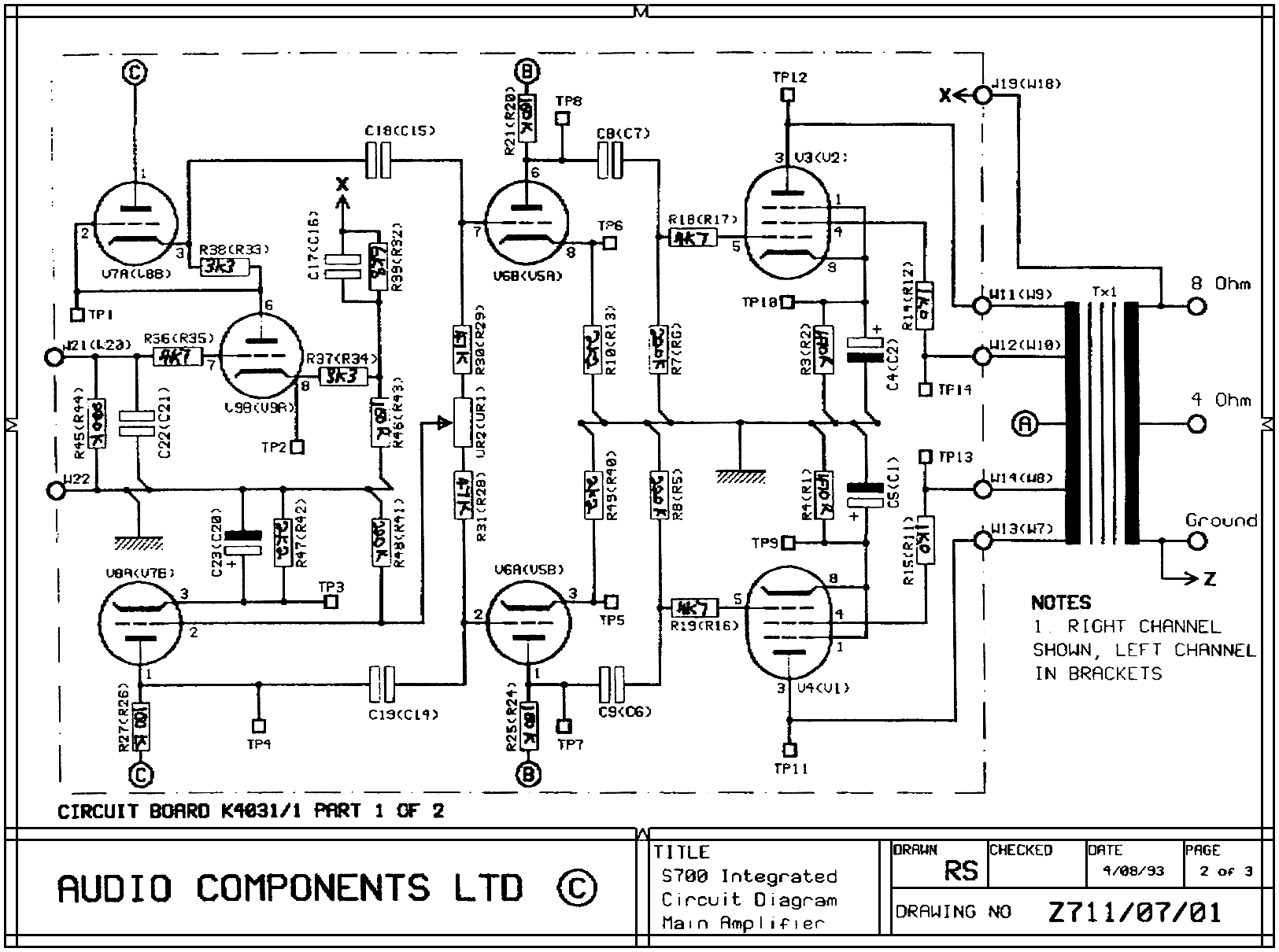
Both deliver about 25W per channel and use a pair of EL34 tubes in push-pull configuration. The operation is heavily biased toward class A, transitioning toward AB as it approaches maximum power. Looking at the schematics, it is clear that the design philosophy is the same, although with some implementation differences.
| IA700 | IA800 |
 |
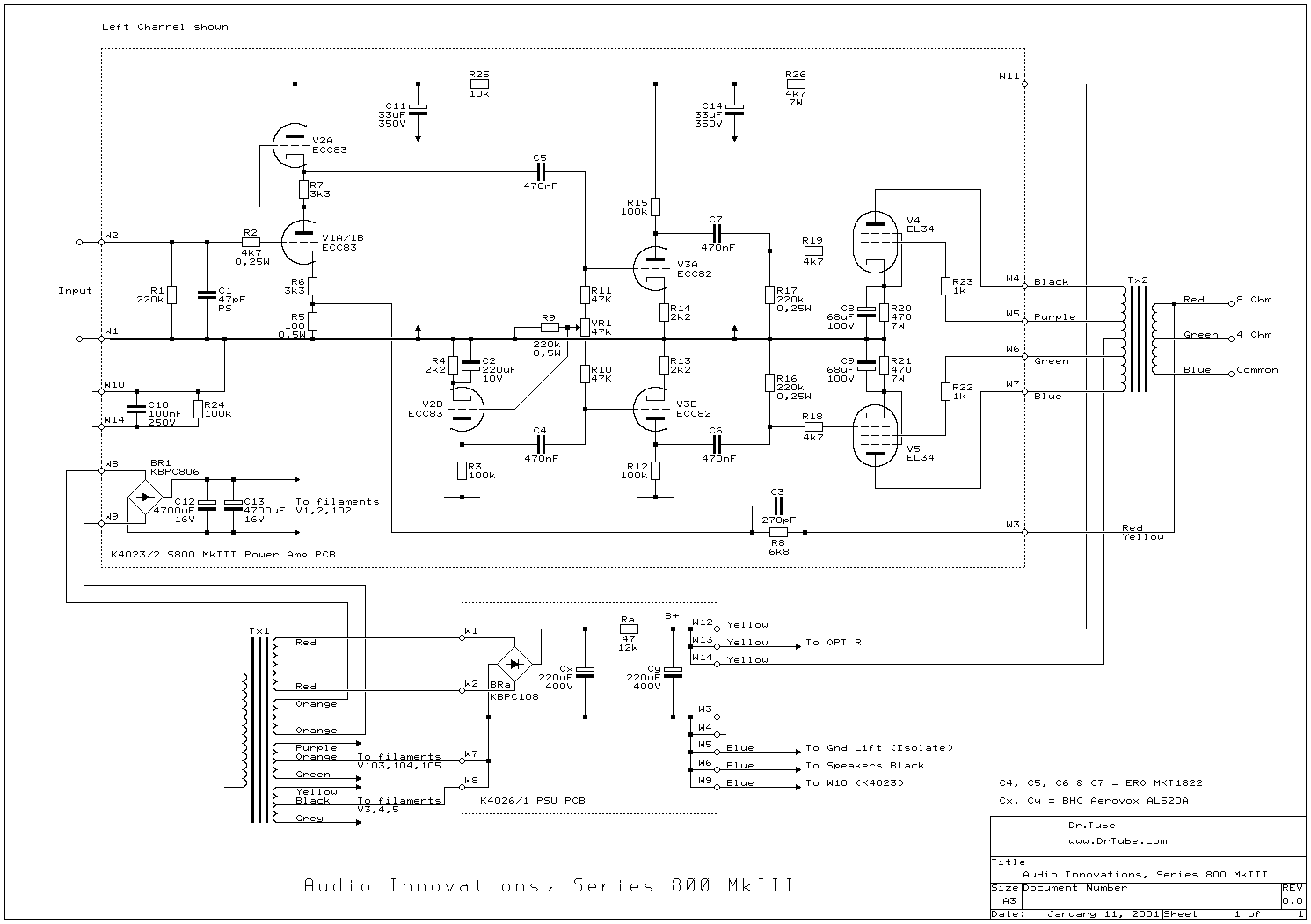 |
The AI700 clearly derives from the 500, but with less clean circuit choices: the input stage is implemented with an SRPP followed by a paraphase splitter, a solution that is not ideal especially in the presence of global feedback. In addition, there is no real symmetry in driving the output stage, with two non-equivalent branches.
This setup makes the circuit somewhat more delicate and less tolerant compared to more linear architectures. Over time I have often encountered serious failures on these units, frequently accompanied by damaged output transformers. In many cases these are oscillations that start when conditions are no longer ideal: unbalanced tubes, worn components, or simply units that have not been serviced for years.
When this situation occurs, the circuit can enter self-oscillation, pushing the transformers into abnormal conditions and generating voltages high enough to break down internal insulation, leading to shorts to ground and cascading damage.
It is easy to blame the design or the feedback, but in practice the problem almost always comes from units left unattended for too long without maintenance. We are talking about amplifiers that are now decades old, and expecting stable and reliable operation without checking the condition of components and tubes is unrealistic. This does not mean the design is perfect, but that it requires more careful maintenance compared to other, more robust or less stressed amplifiers.
On this page I report some repair and restoration experiences on two units, an Audio Innovations 700 and an Audio Innovations 800. If you have one of these amplifiers that needs servicing or repair, you can contact me.
Audio Innovations 700 restoration
I was given an Audio Innovations 700 which, according to the owner, sounded very poor. It came from a sale of equipment belonging to a deceased person, so there was no reliable history of what had been done before.
Once opened, the situation was quite clear: the unit had suffered major failures and had been worked on multiple times, practically everywhere. This was not just a poorly executed repair, but a series of improvised interventions layered over time, carried out without any criteria. A truly poor condition.
The original output transformers were missing, replaced with very low-quality components clearly unsuitable for that circuit. The worst situation was in the power supply section. The small board mounted on the main capacitors had suffered heavy burning, and someone had tried to “improve” it by adding completely nonsensical modifications: two fluorescent lamp ballasts used as filter inductors, an improper solution because such components quickly saturate under DC and are not suitable for that purpose. A capacitor had also been added, with the idea of creating a separate LC filter for each channel.
The result was a mess of components thrown in without any logic, with high-voltage parts, over 400 volts, simply placed and held with adhesive tape. The main PCB was also in terrible condition: burns, holes, damaged traces and leakage points. In several areas, components were soldered poorly, with no care, and interventions that could only be described as makeshift and amateurish.


At that point I approached the work not as a simple repair, but as a complete restoration. I fully disassembled the unit and carried out a thorough cleaning of both the metalwork and the main PCB, removing years of dirt, residues and traces of previous “repairs”.
The output transformers were replaced with two new units, 1:1 clones of the originals, developed through careful reverse engineering. They are the same models I have been producing for years and are compatible with AI500, 700, 800 and Classic 25. They were installed in their original position, alongside the power transformer which, fortunately, was still perfectly functional.

For the power supply section I had to start almost from scratch. I scanned the original PCB, which was carbonized, and after several steps using Gimp, Inkscape and finally KiCad, I generated Gerber files to produce identical replicas. The new boards were then manufactured through an online service.


This board is compatible not only with the 500, but also with the 700 and 800, and is available as a spare part.

On the main PCB I removed everything that was damaged or compromised. Using a Dremel, I completely removed the carbonized areas, the “decay” of the board, which would otherwise have remained conductive. The excavated areas were then rebuilt with specific UV resin. I replaced all high-voltage electrolytic capacitors, the output tube octal sockets, and several damaged resistors. In some cases I also had to reconstruct broken traces. Several vias were completely clogged with dirt and carbon residues, so I mechanically reopened them with a Dremel to reinstall the new components.


At this point I reassembled the PCBs, reconnecting all the wiring.

The front control section still needed attention. The situation there was no better: the small PCB showed very poor soldering, damaged traces, and rough interventions. I had to replace the rotary input selector switch, restore several traces, and completely redo all wire joints. The flat cable connecting the rear inputs to this board was also damaged and required repair. In practice, whoever had worked on it before had touched every section of the amplifier, modifying or damaging it in some way.


After all this work, the amplifier returned to perfect operation. Interestingly, it was not necessary to replace the tube set it came with. Despite being used, they were still in good condition and, once the circuit was properly restored, they resumed working without any issues. This clearly shows that, in most cases, the real problem is not the tubes, but everything around them.

Instrumental measurements:
- Maximum power: about 25W
- Frequency response at 1W: 37Hz – 50kHz, -1dB
- Frequency response at 15W: 30Hz – 50kHz, -1dB
- THD: 0.16% @ 1W
Bandwidth graph

Spectrum analysis

Audio Innovations 800 repair, faulty power transformer
This Audio Innovations 800 was an interesting case, not so much for the complexity itself, but for what emerged during the repair. As often happens, beneath the surface of a “working” unit lies a very different story.
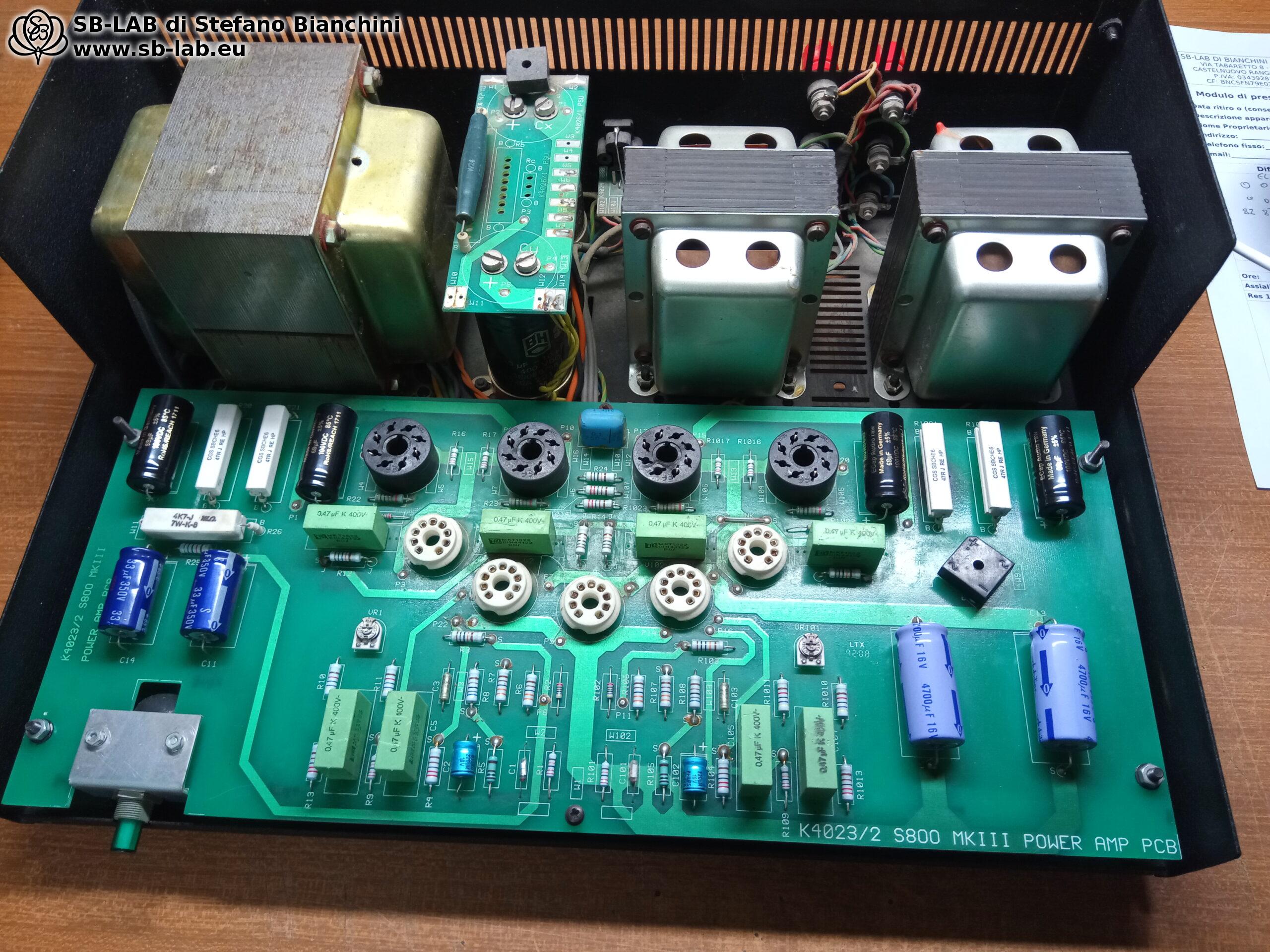
The amplifier arrived with a clear fault: shorted power transformer and fuse blowing immediately. After disassembly and measurements, I designed a replacement transformer, code 23S72, with the same electrical characteristics as the original.
The installation of the 23S72 requires no mechanical modifications. The original uses a 38mm core, practically unavailable in Europe. The new one uses a 40mm core, slightly larger by a few millimeters, but it fits perfectly in the original space without any need for modifications. This preserves both the structure and the appearance of the amplifier. The transformer is also compatible with the 700 model.
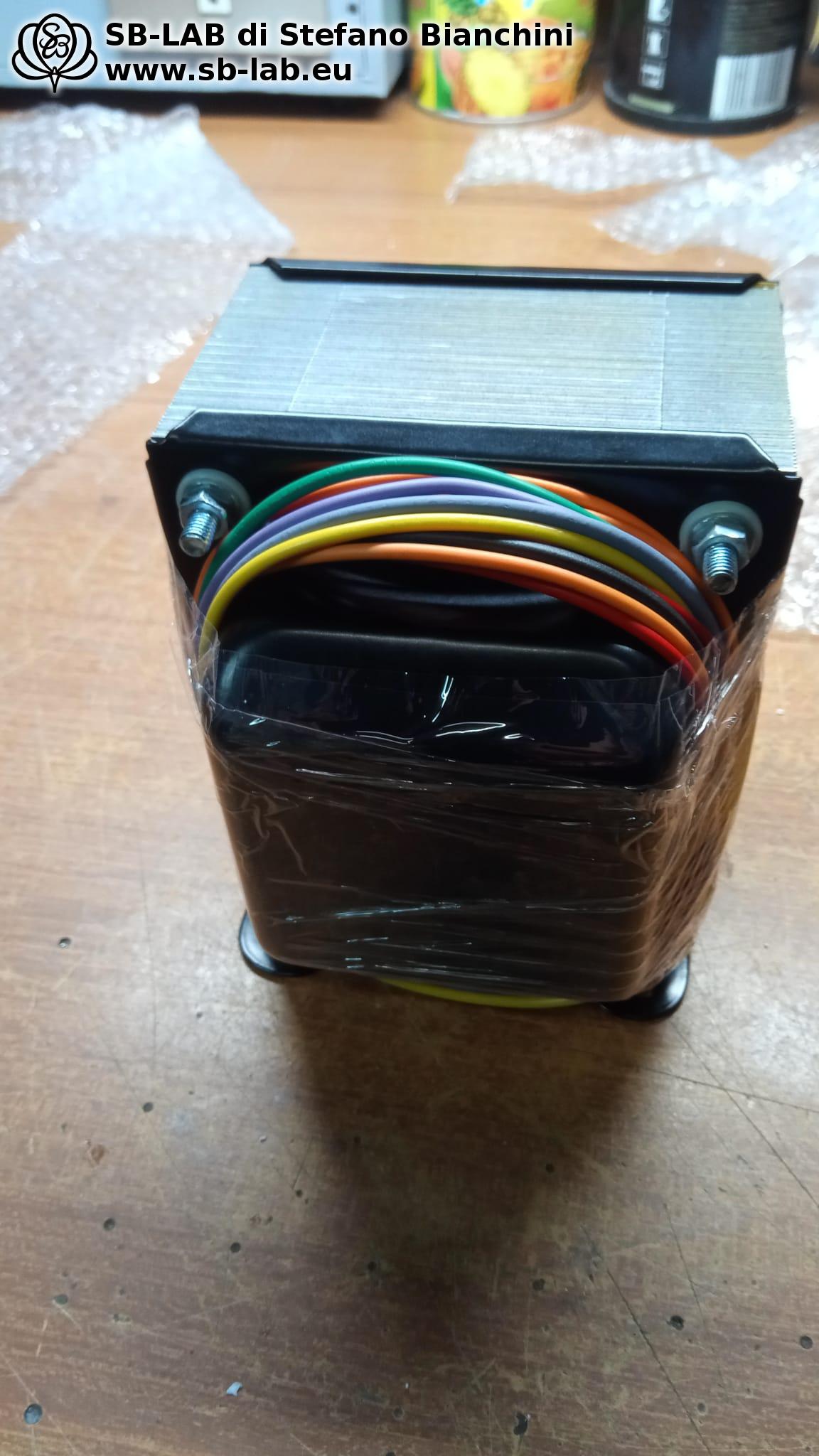
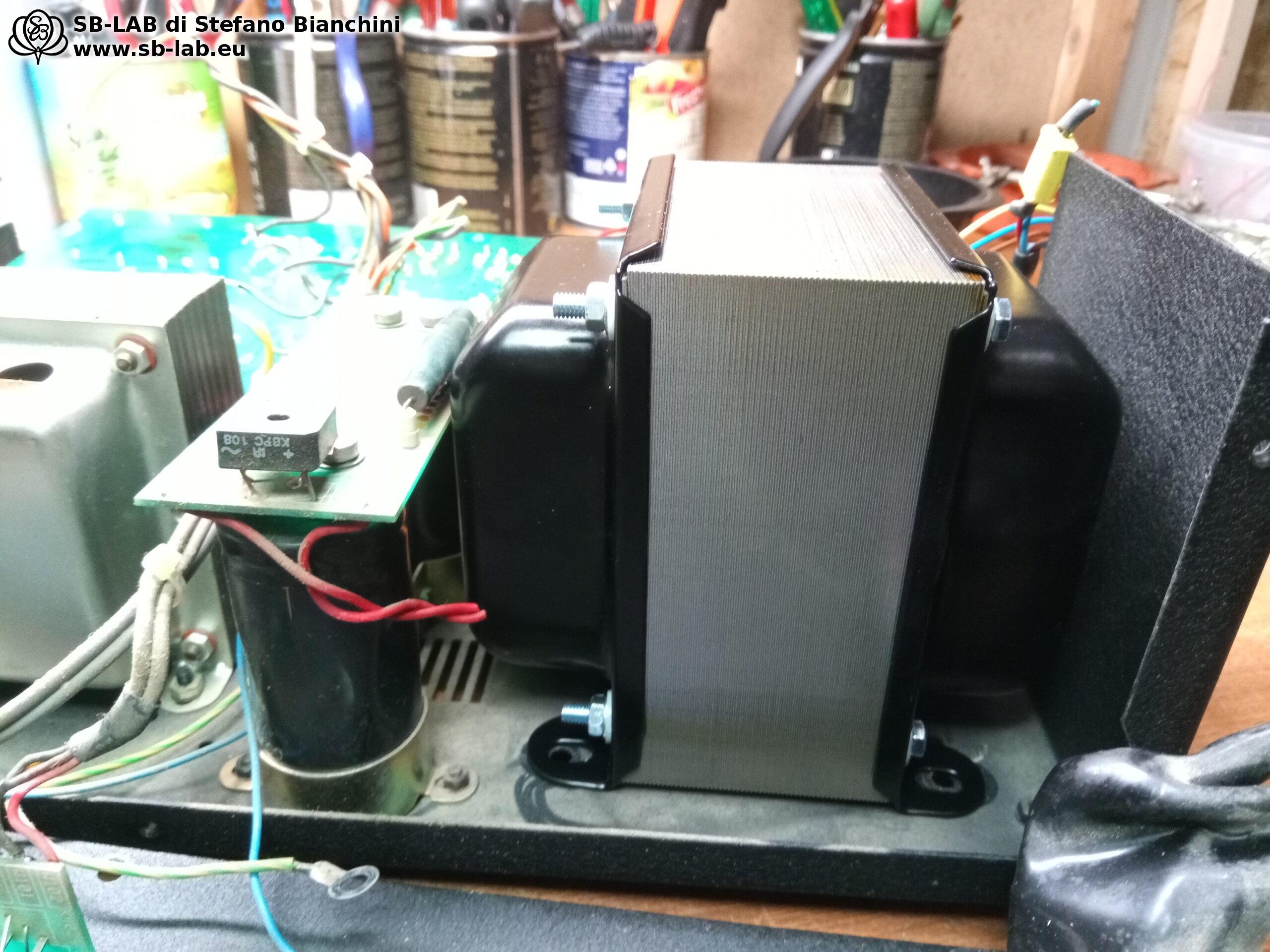
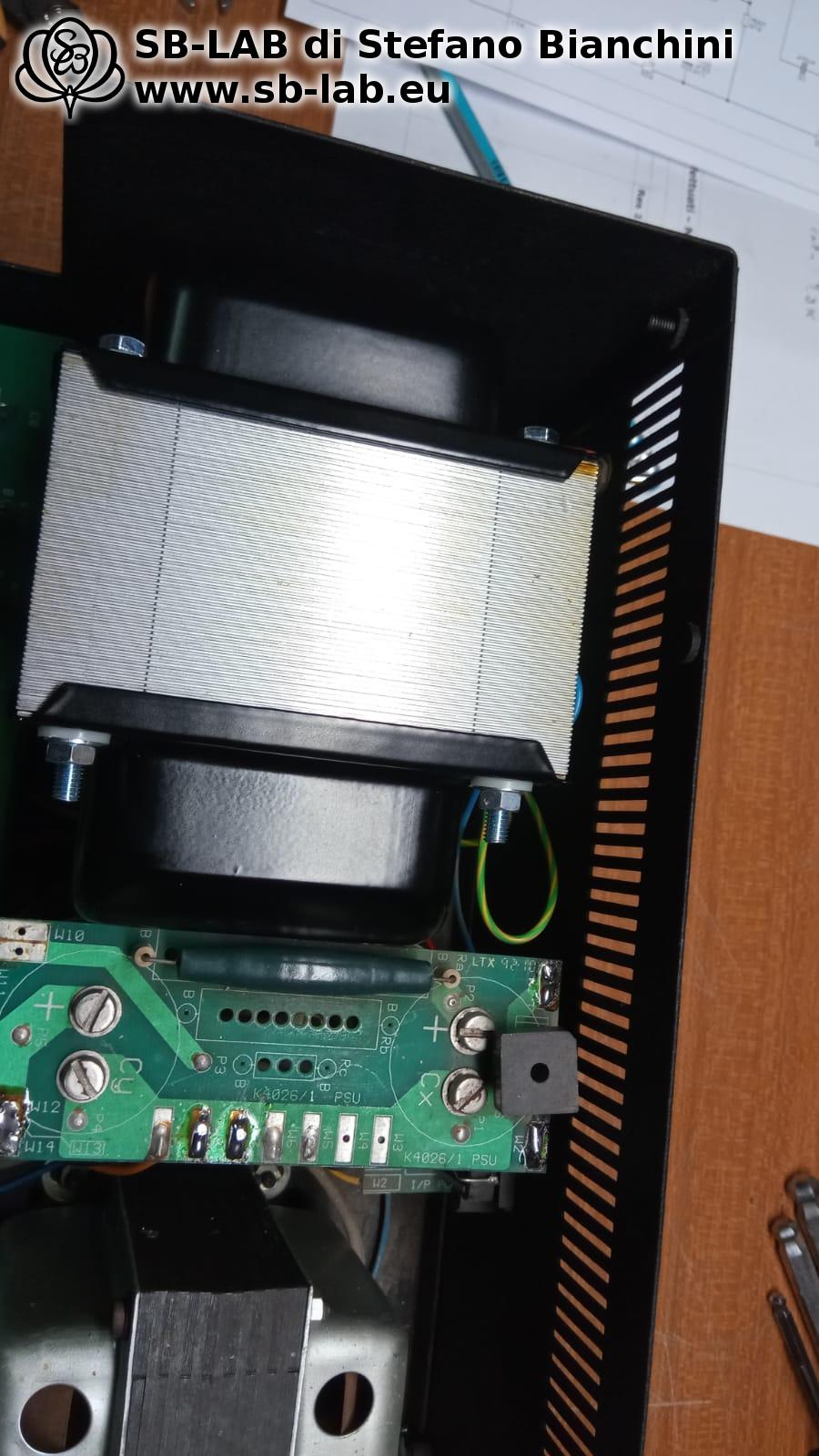
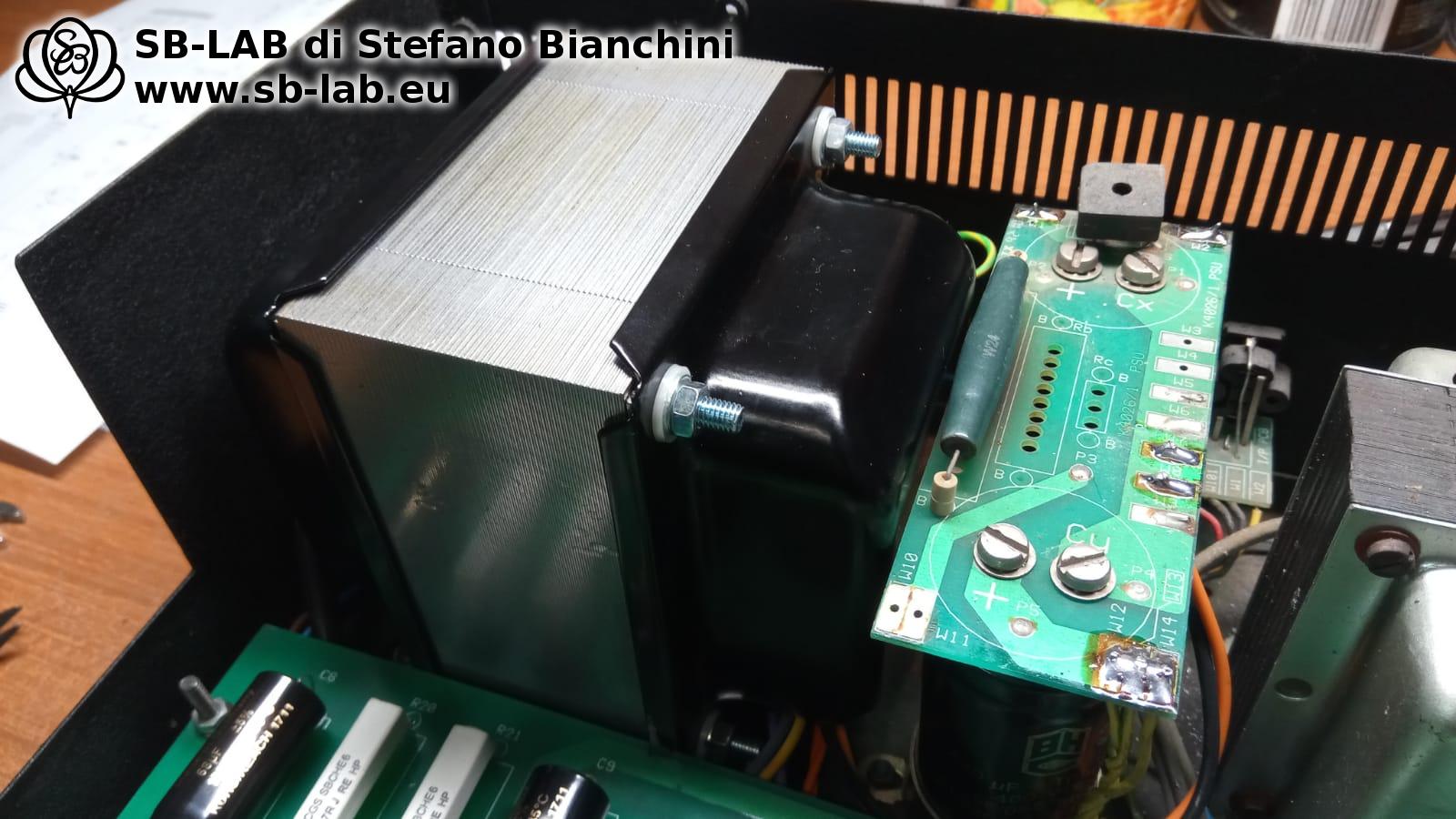
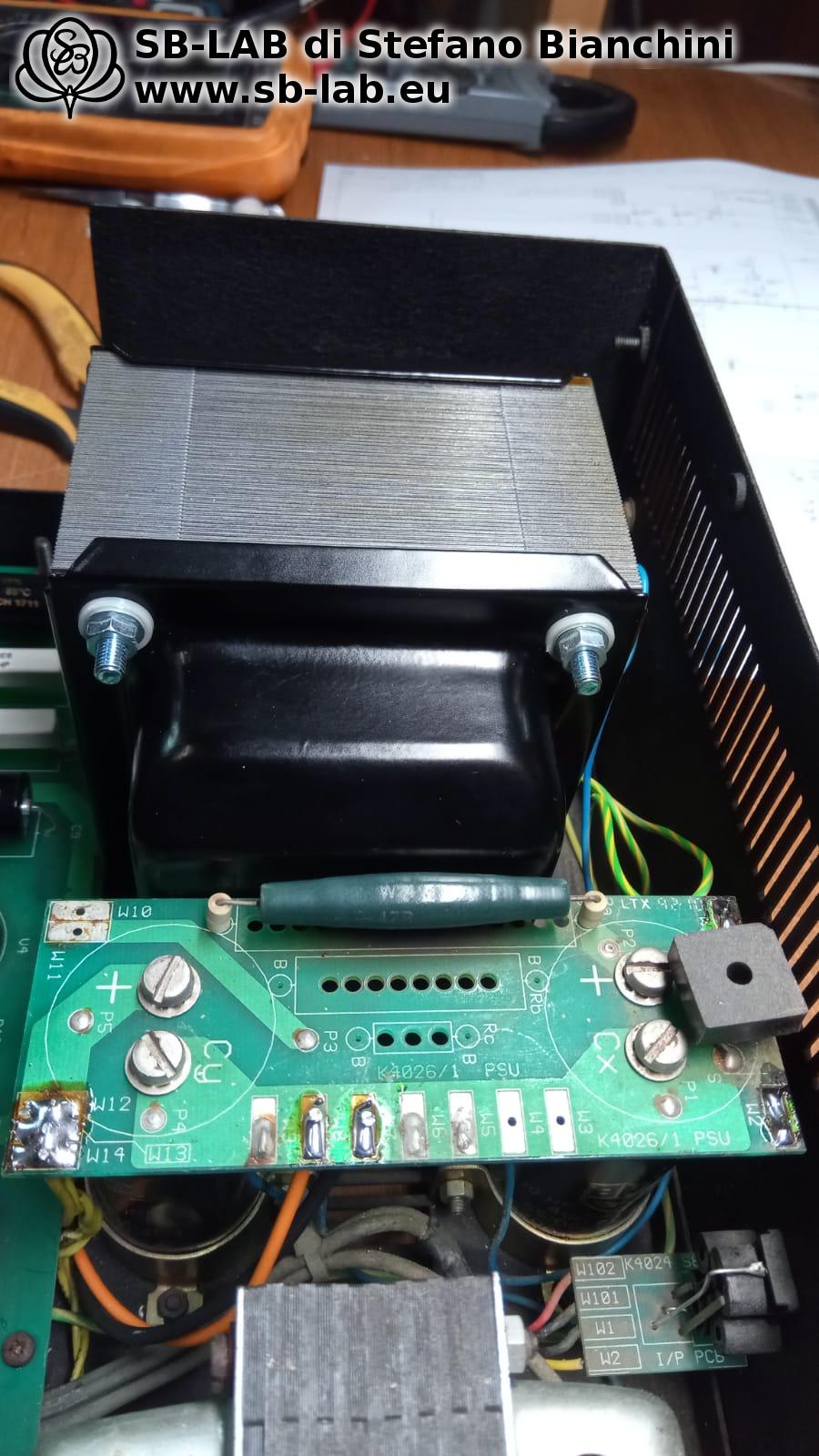
The amplifier had been sold as “perfectly working, never repaired”. In reality, as soon as it was opened, it was clear that someone had already worked on it. The EL34 cathode electrolytics had been replaced with Mundorf parts, which alone is enough to show the unit was not original.
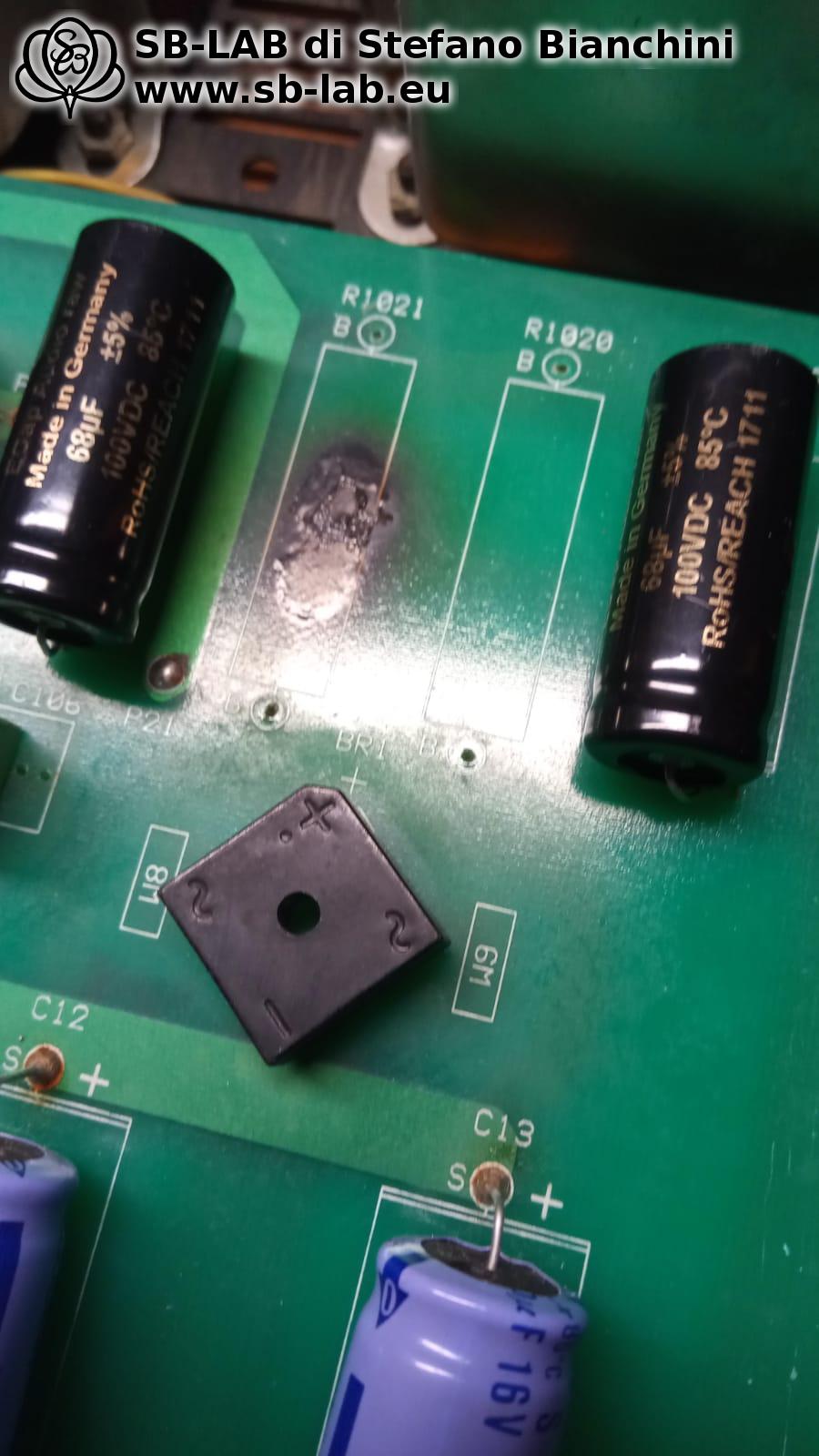
The real issue, however, was something else: under one of the cathode resistors there was a clear burn mark. Upon inspection, I found 47 ohm resistors installed instead of the correct 470 ohm. The result was a completely incorrect bias, pushing the EL34 tubes well beyond their limits.
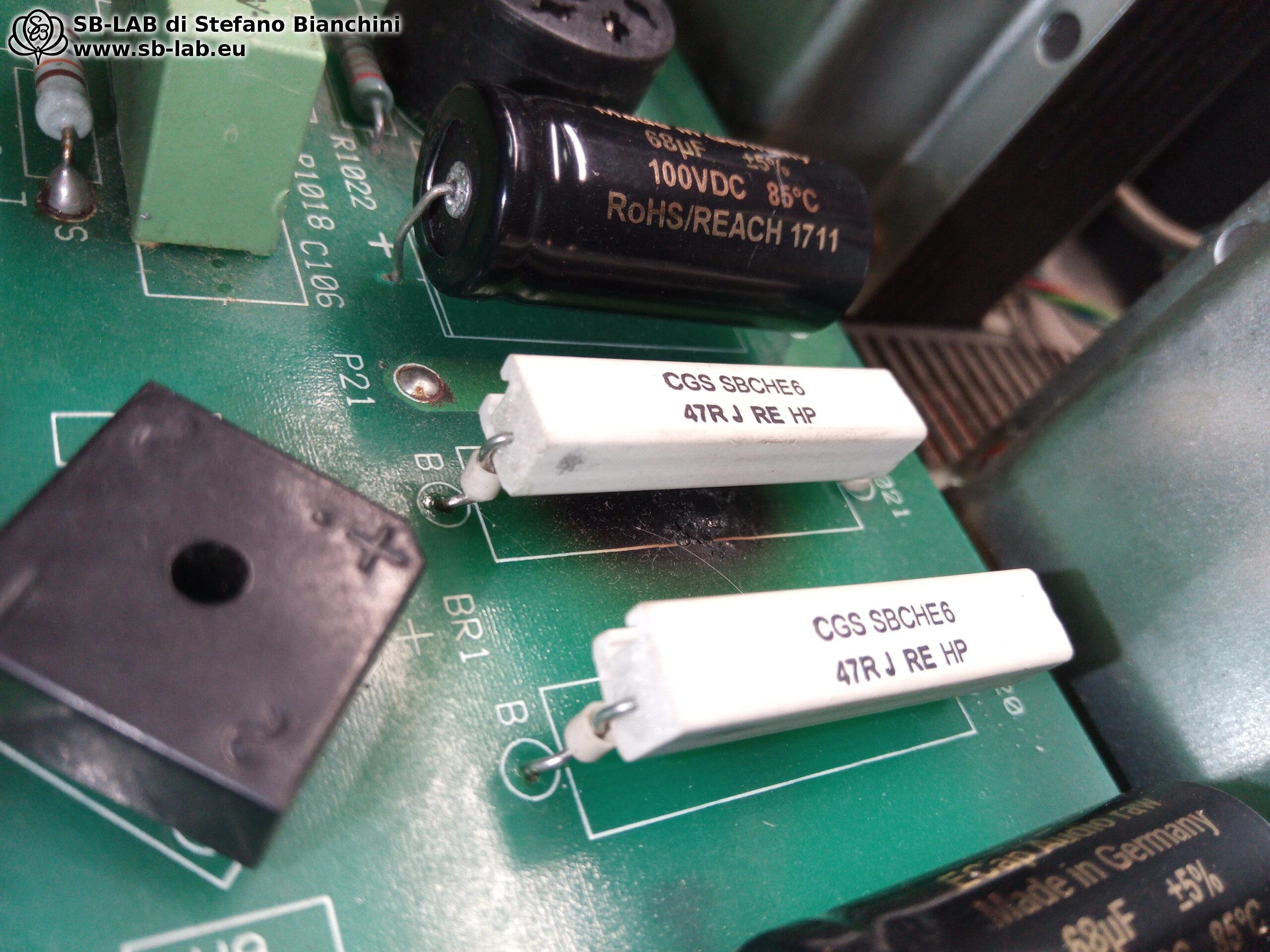
I restored everything to proper conditions, replacing the resistors with the correct values and changing a compromised capacitor.
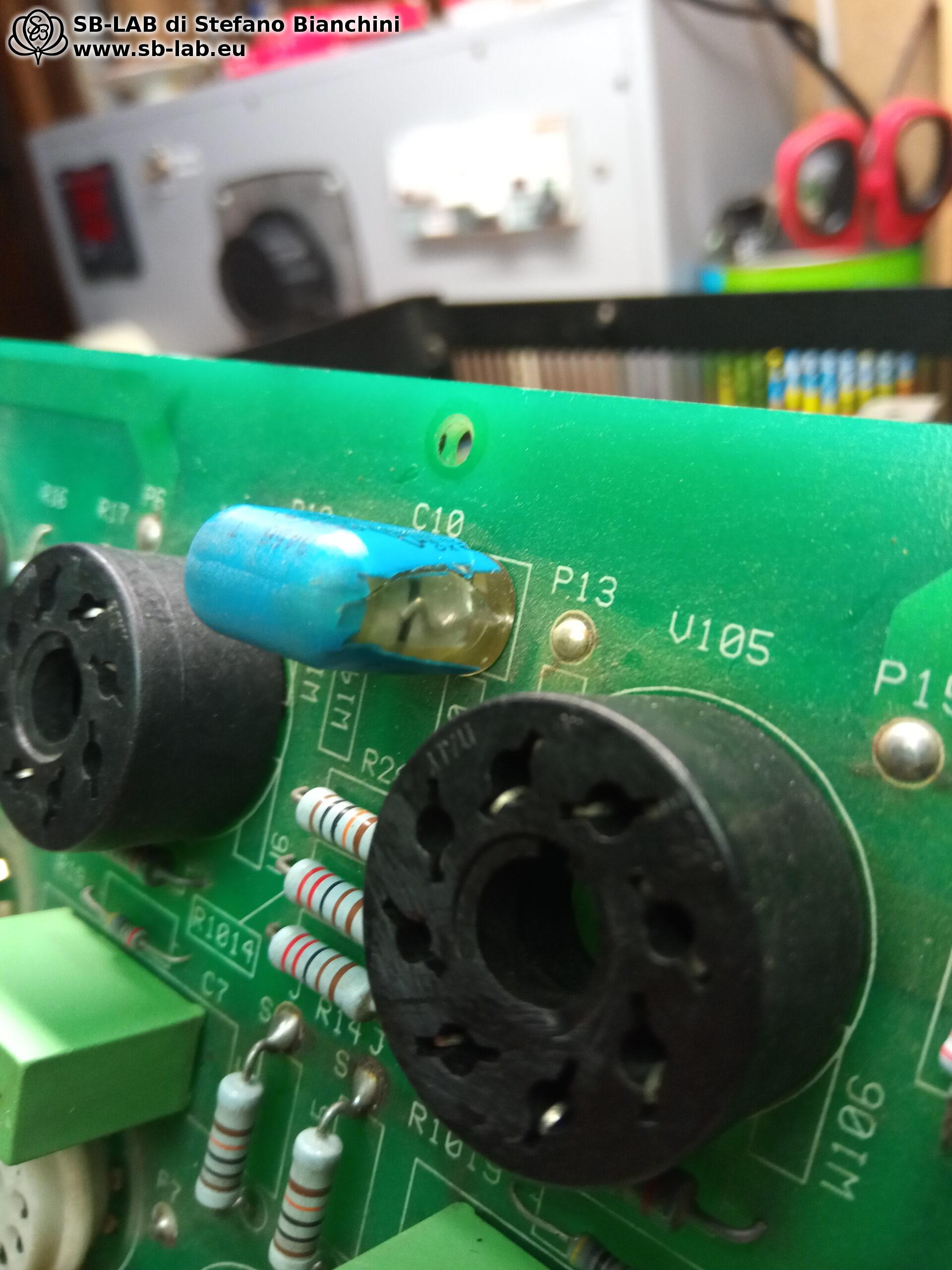
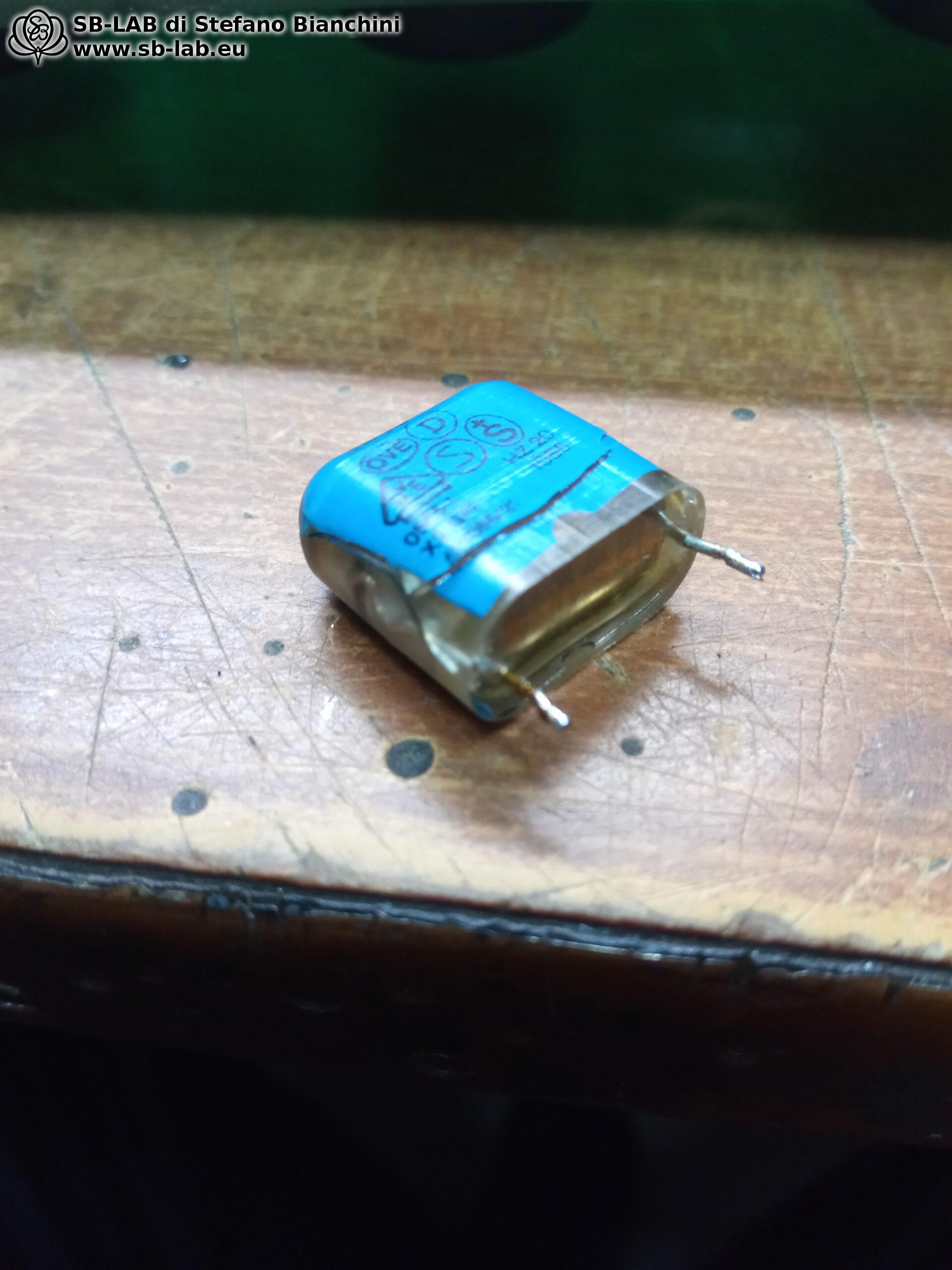
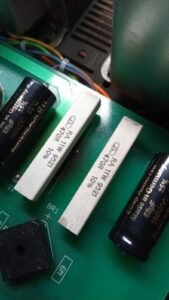
After a complete overhaul and tube check, the amplifier was reassembled and tested. With used tubes it delivered about 25W, with a damping factor of 6.2. Operation returned to stable and consistent performance, as expected from this type of circuit.
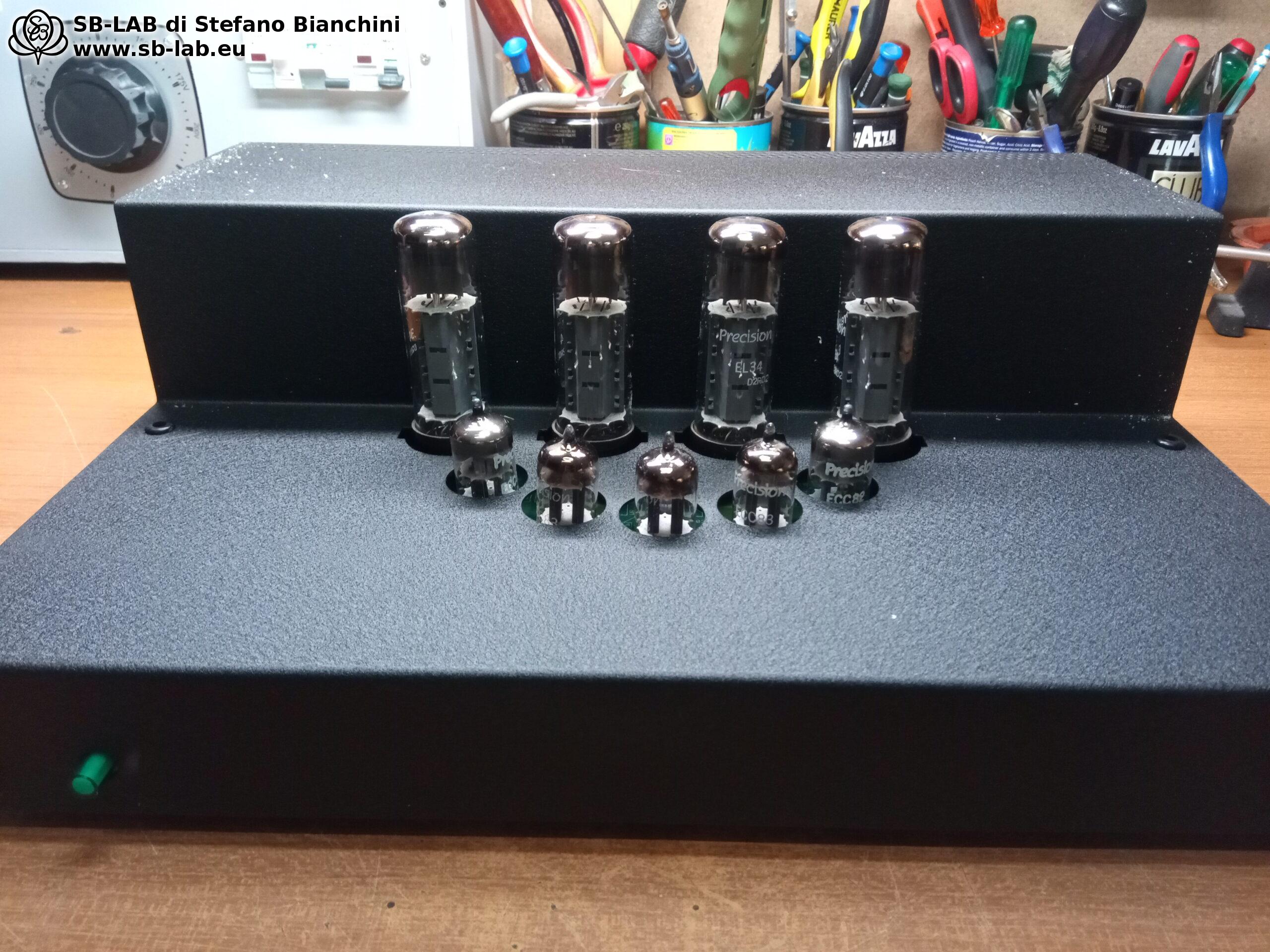
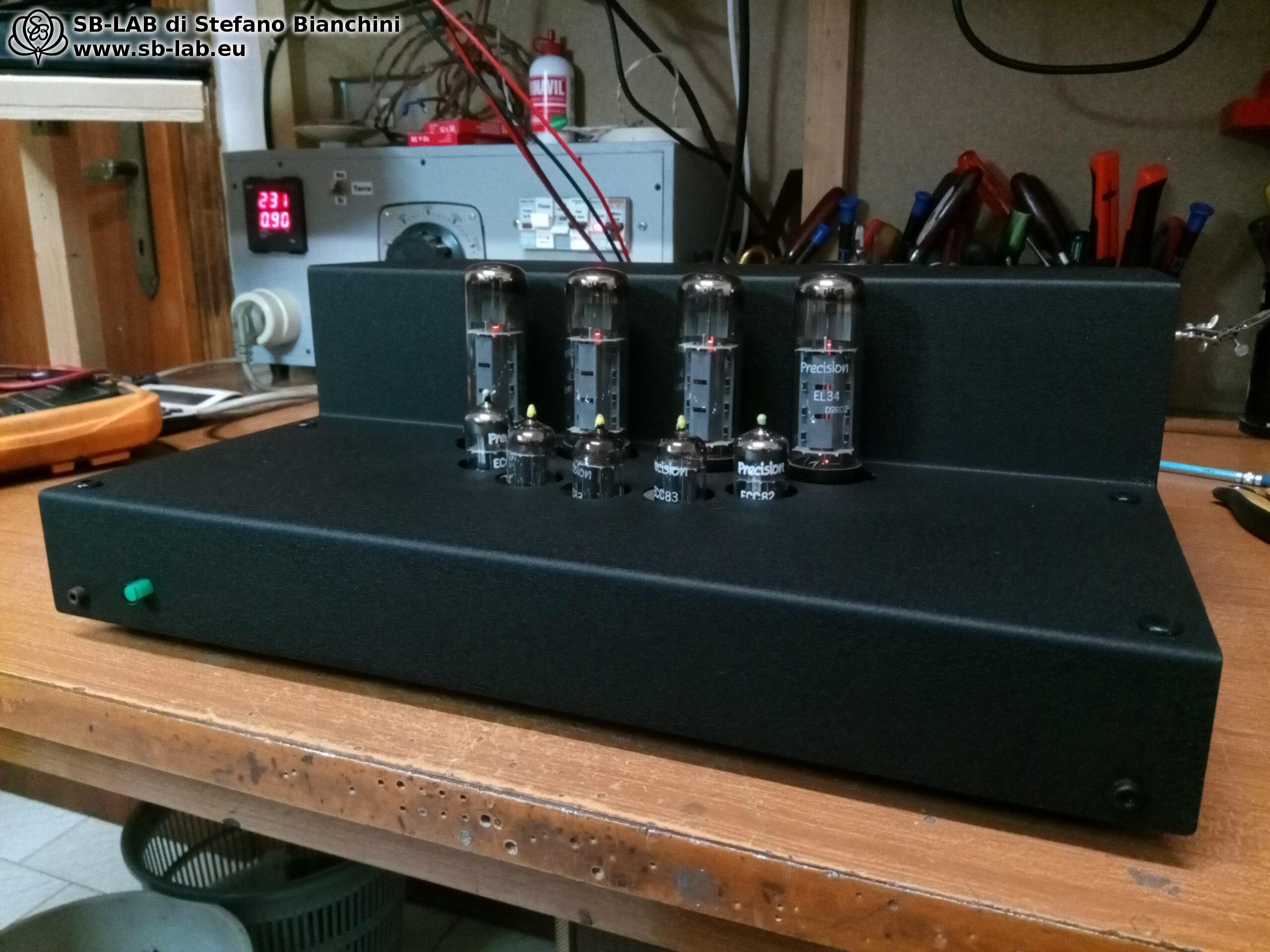
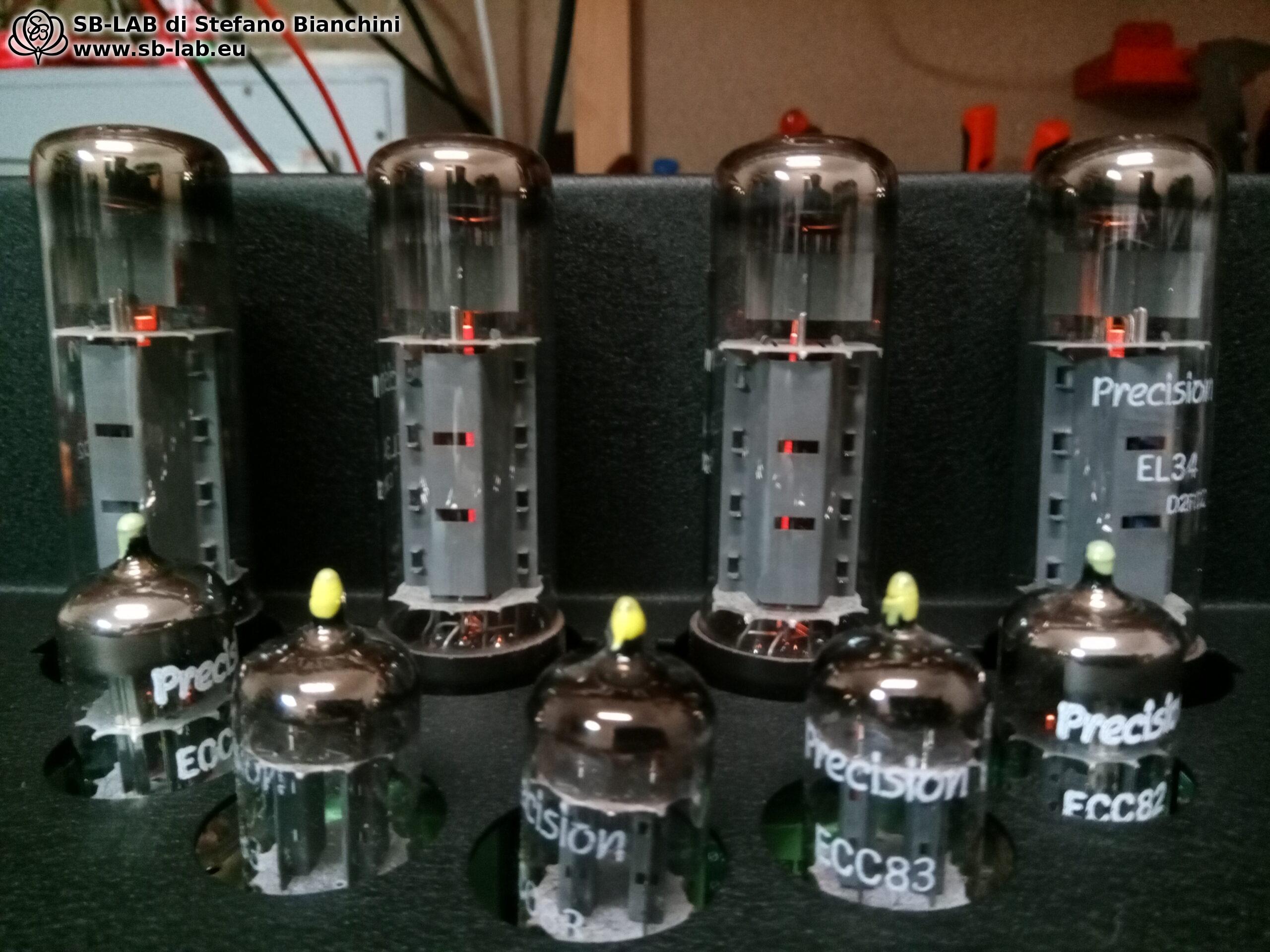
Once restored, this unit returned to proper operation.
Audio Innovations 800 repair with faulty output transformer
Another case involved an Audio Innovations 800 with a noisy channel. The amplifier powered on, but one side produced abnormal noise. The issue was the output transformer, which was compromised.
Unwinding and internal analysis
I dismantled the transformer to analyze it and derive its winding scheme. Inside, I found a critical situation: the windings had been secured with masking tape, whose adhesive had completely deteriorated over time.
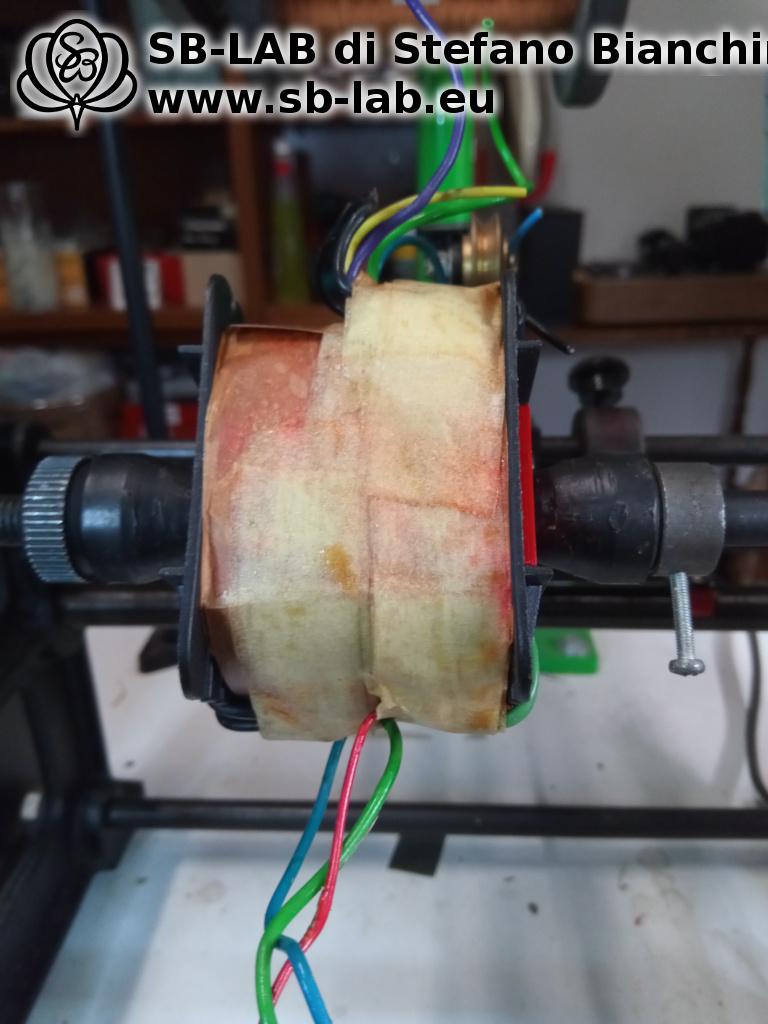
The enamel insulation of the wire was degraded. In some areas it came off together with the tape, leaving bare copper. This was not a sudden failure, but a slow degradation due to materials and time.
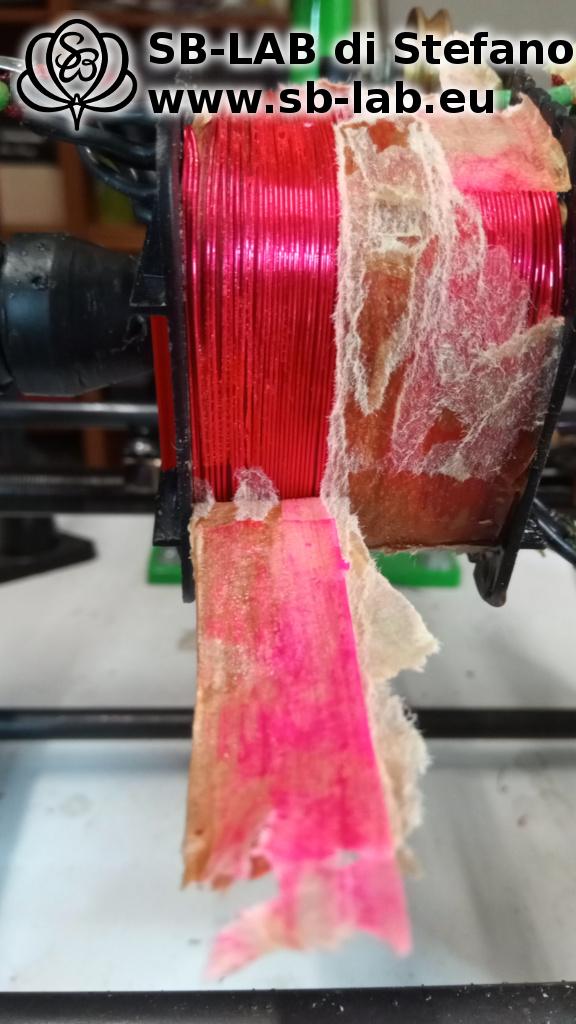
The result was a progressive short circuit between windings, without any obvious catastrophic event.
Reconstruction and tuning
Starting from the derived winding scheme, I built a new pair of output transformers, faithful clones of the originals. I replaced both to maintain channel symmetry.
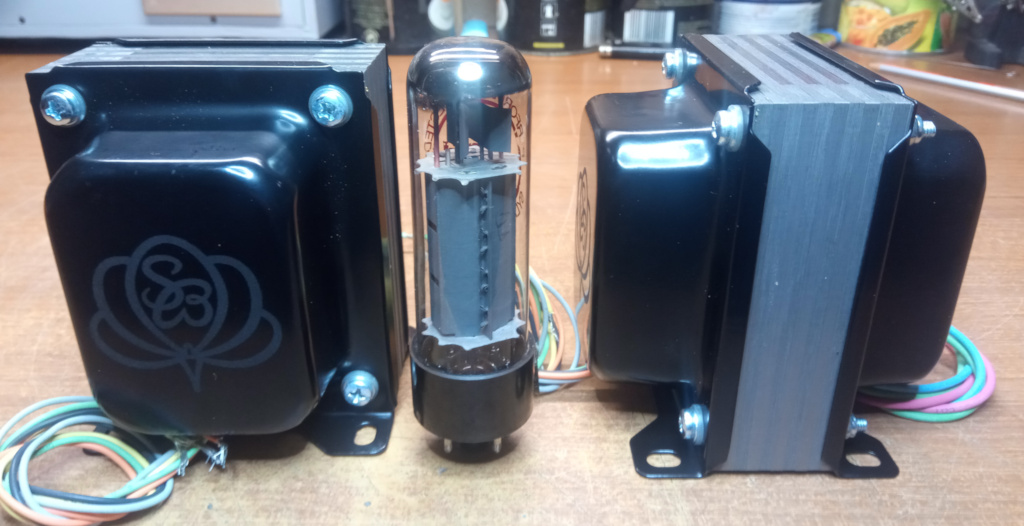
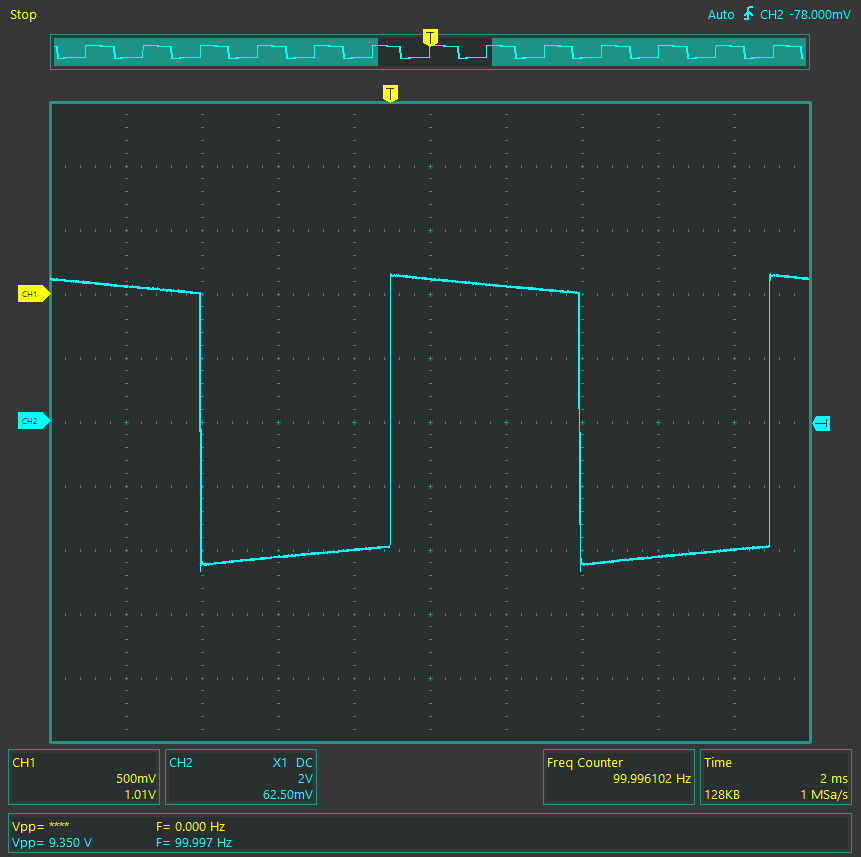
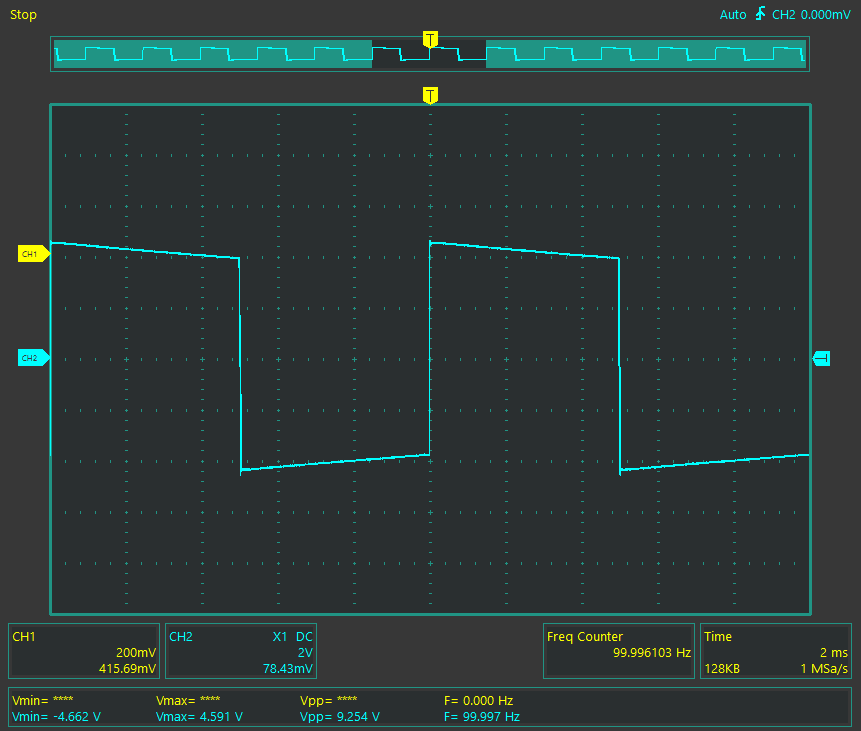
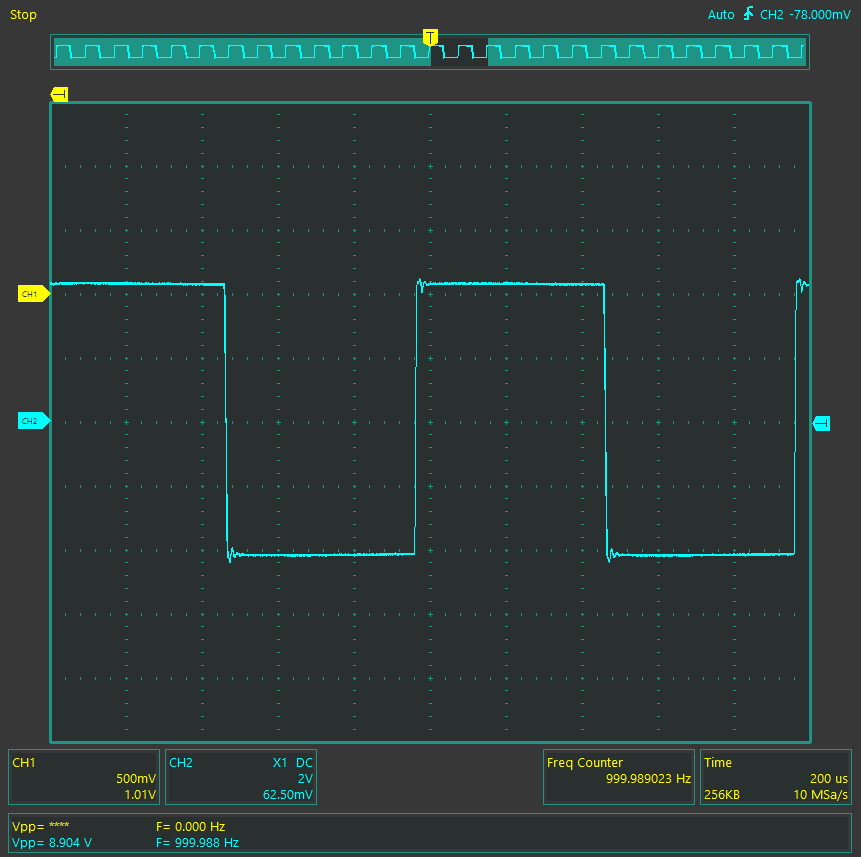
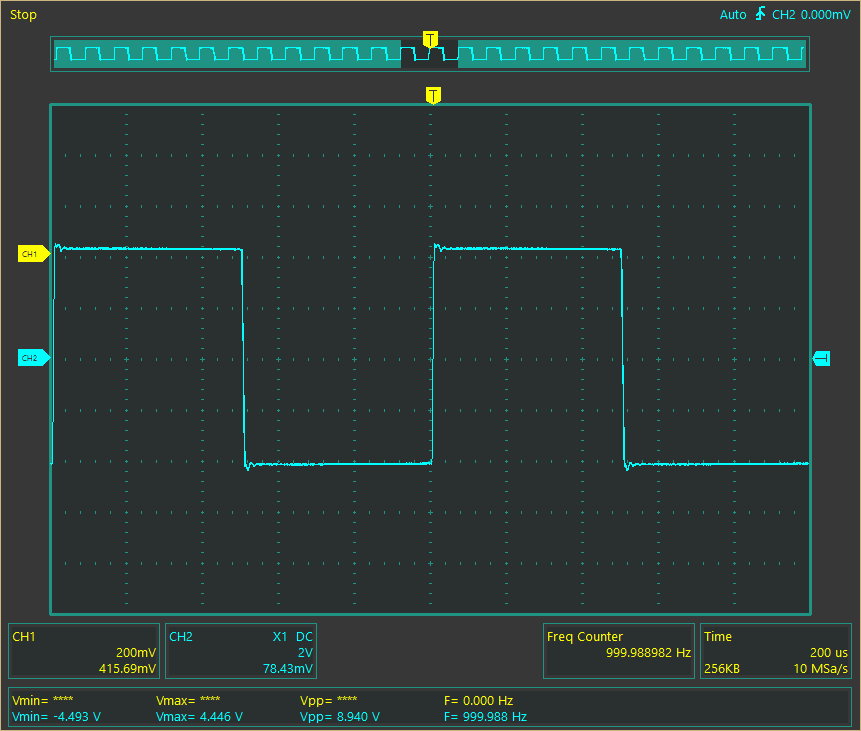
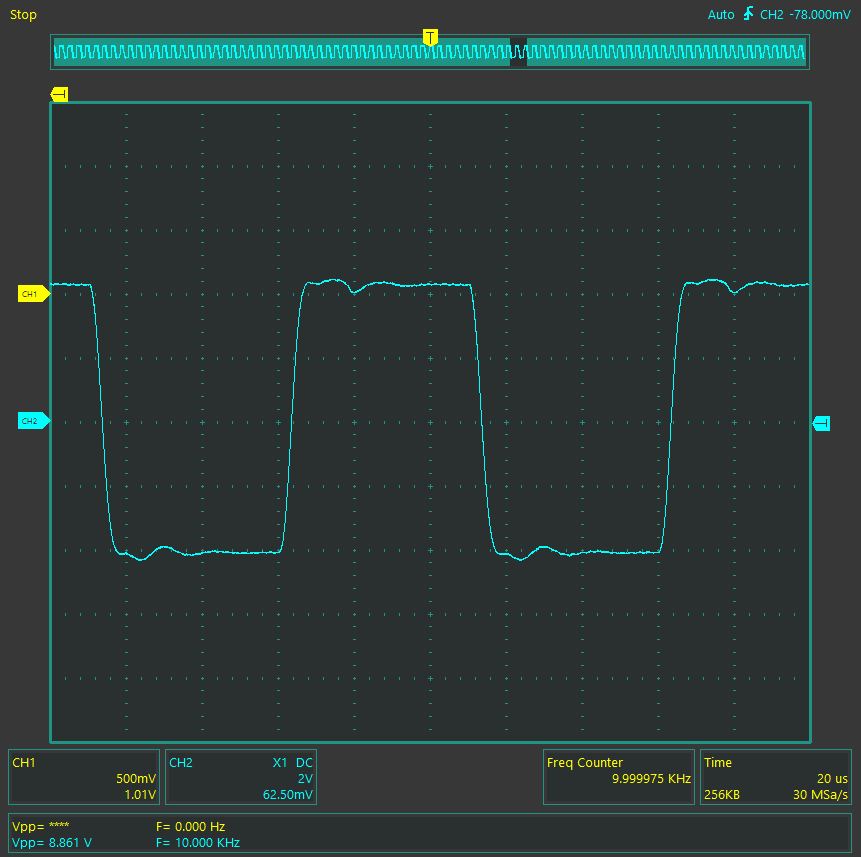
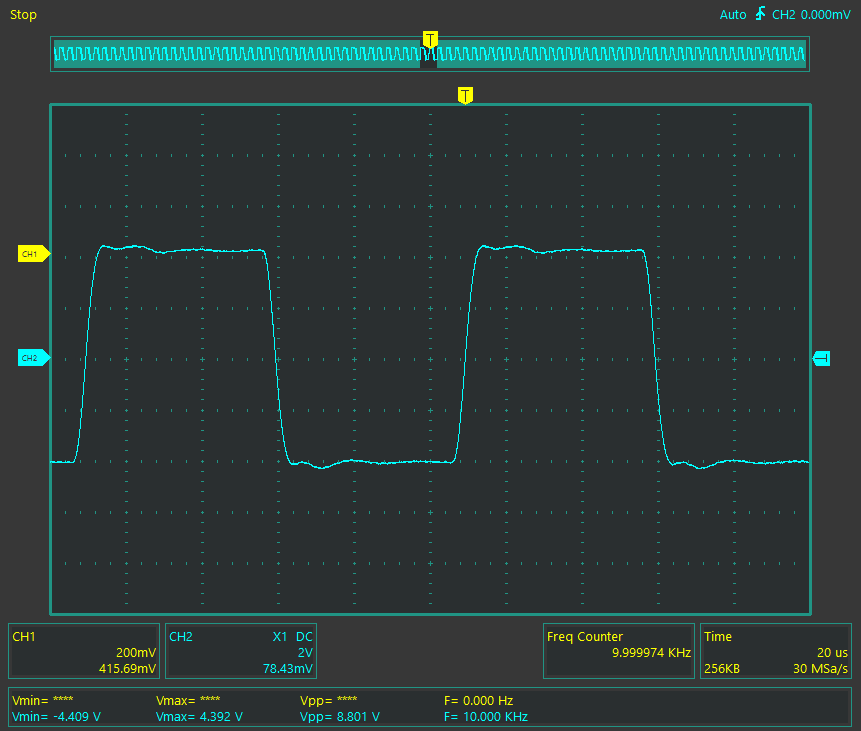
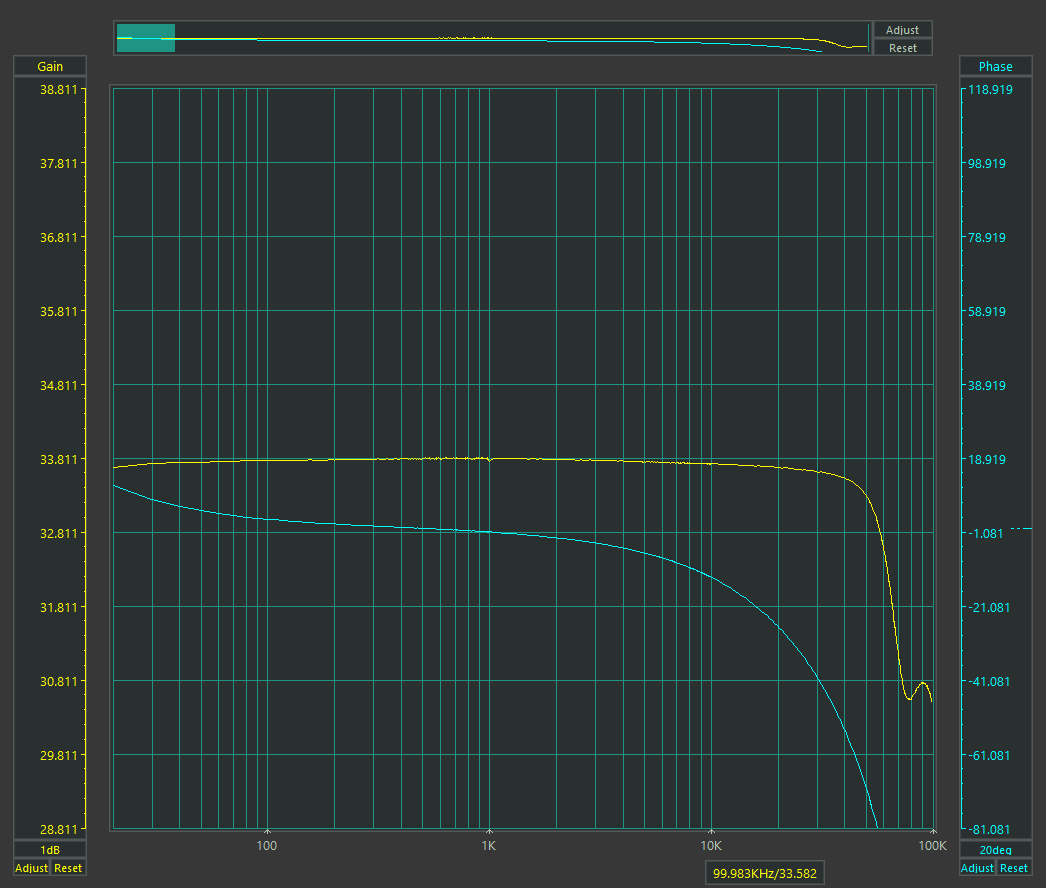
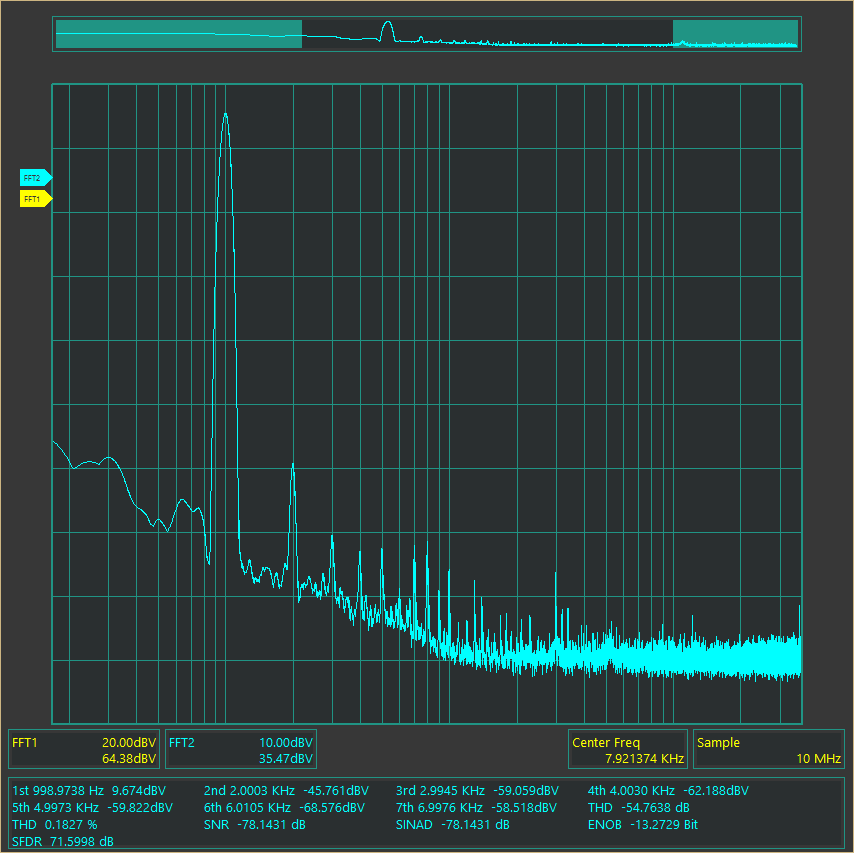
After installation I carried out a complete set of measurements. Comparison with original transformer data shows nearly identical results.
| Original | Clone |
| Square waves at 100Hz – 1kHz – 10kHz | |
 |
 |
 |
 |
 |
 |
| Bandwidth graph | |
 |
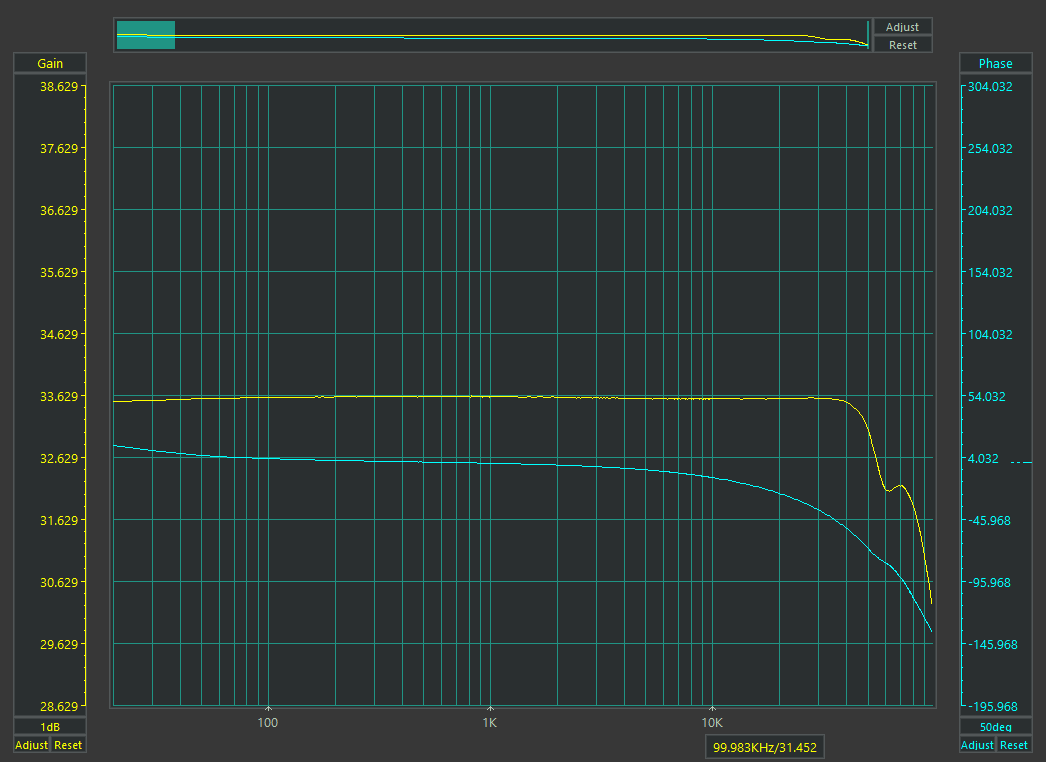 |
The reconstruction fully restored operation without altering the original behavior of the amplifier.
Spectrum analysis at 1W
Here the two installed transformers can be seen. The work was carried out maintaining dimensions, layout and finish as close as possible to the original.
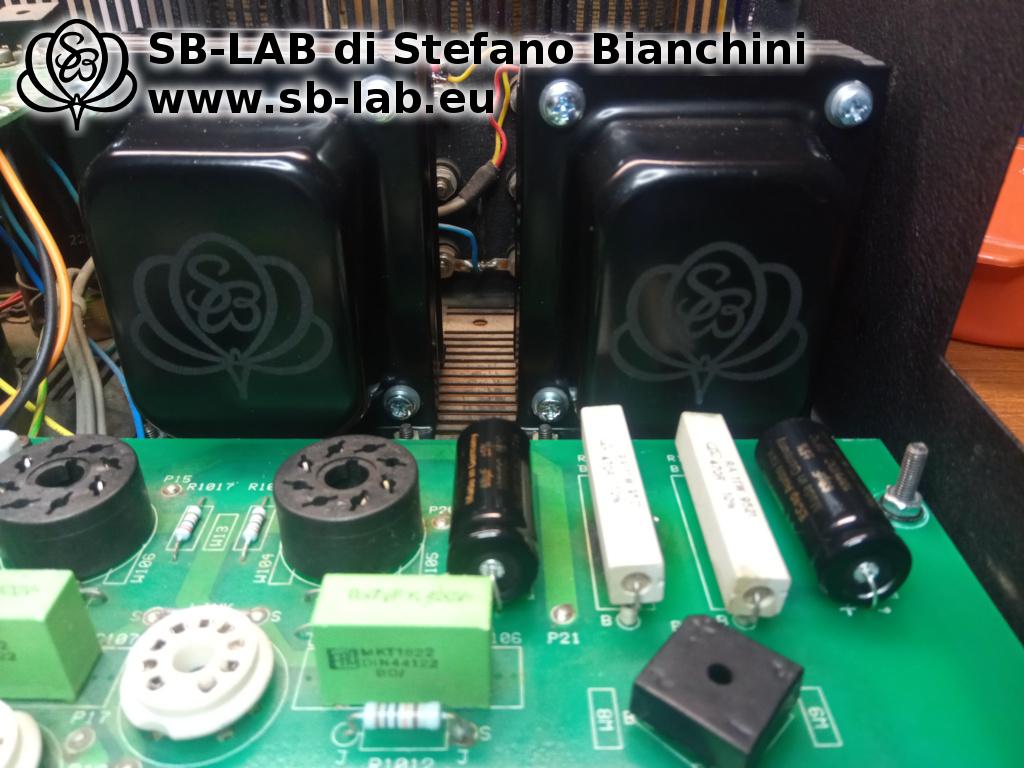
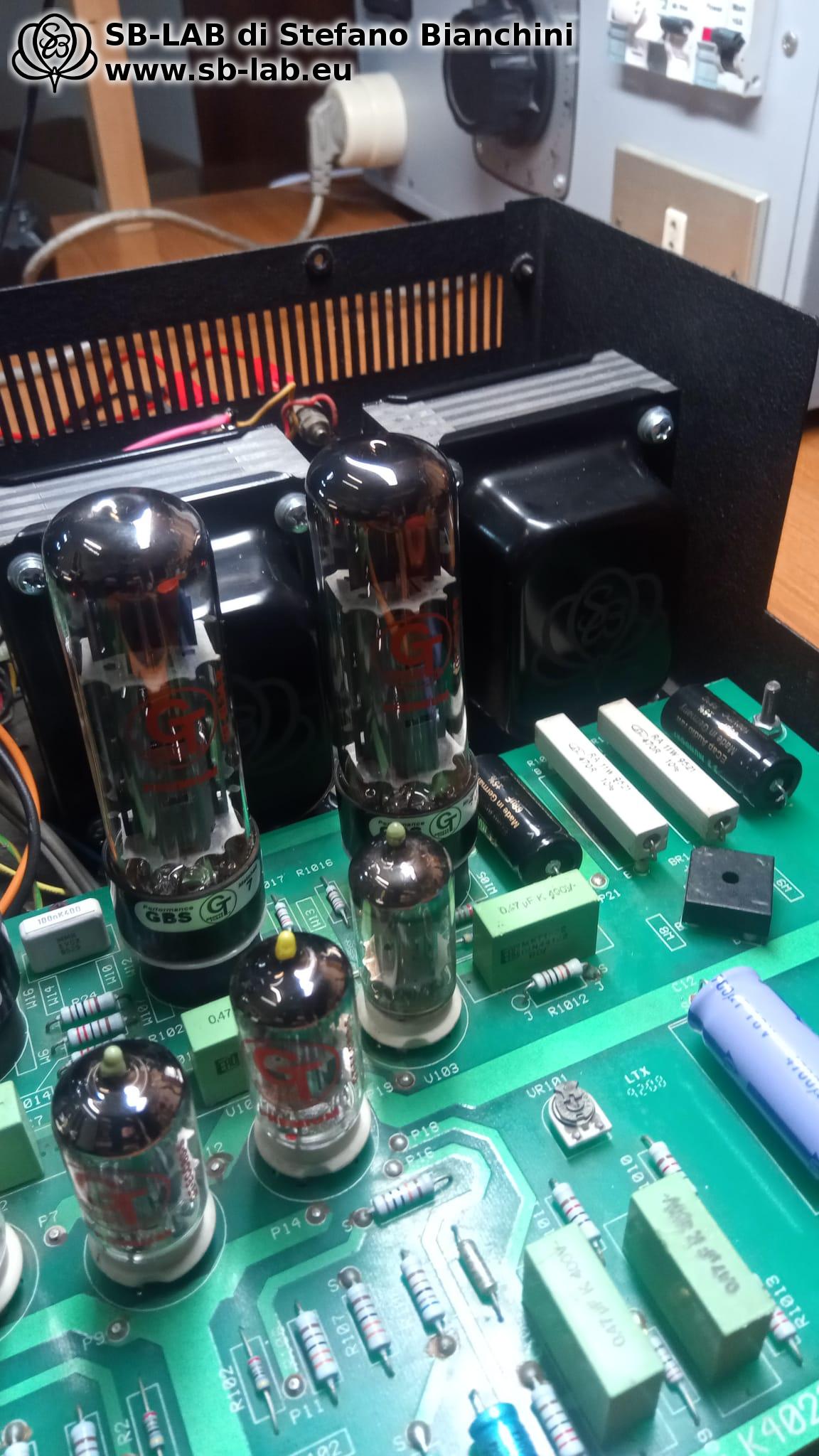
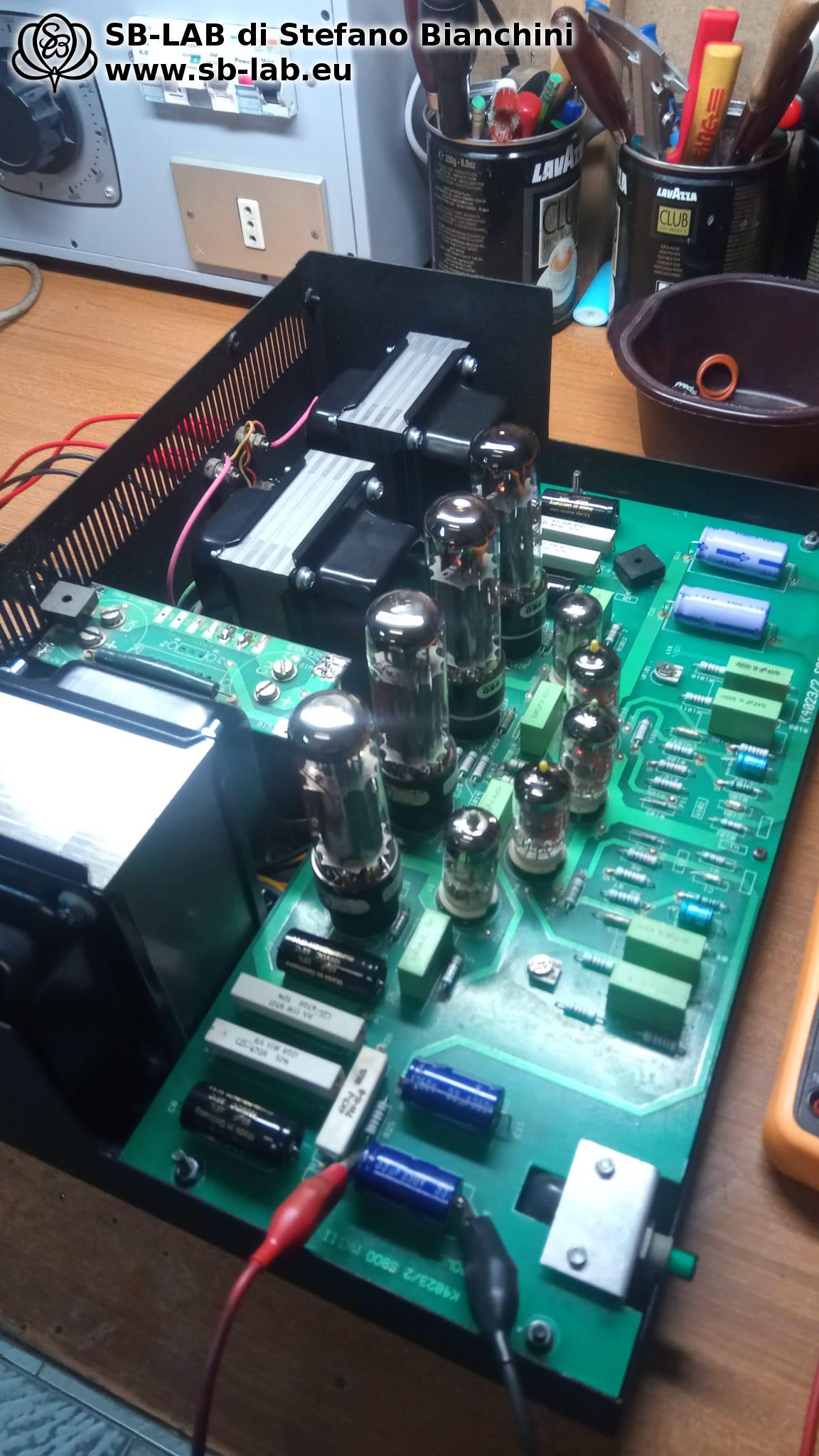
Signal tube layout
Below is the layout of the signal tubes, useful as a reference for replacement. The EL34 output tubes are not indicated as they are immediately recognizable.
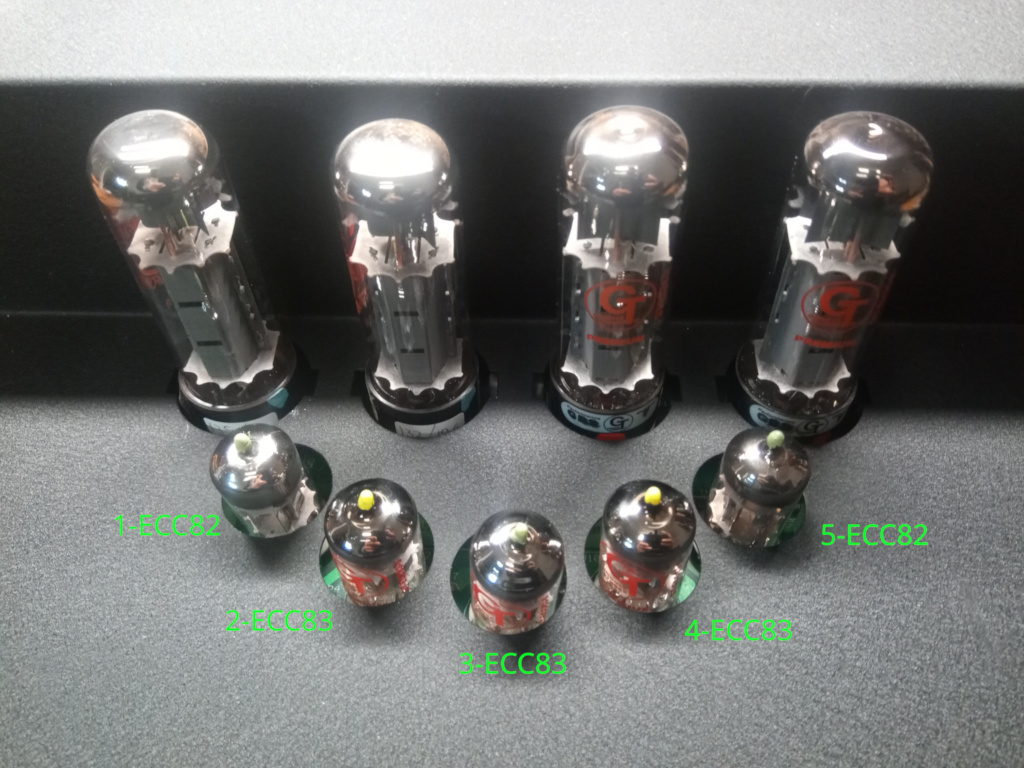
The ECC83 tubes in positions 2 and 4 are often unbalanced between their two internal sections. Measuring them with uTracer 3+ makes this behavior evident.
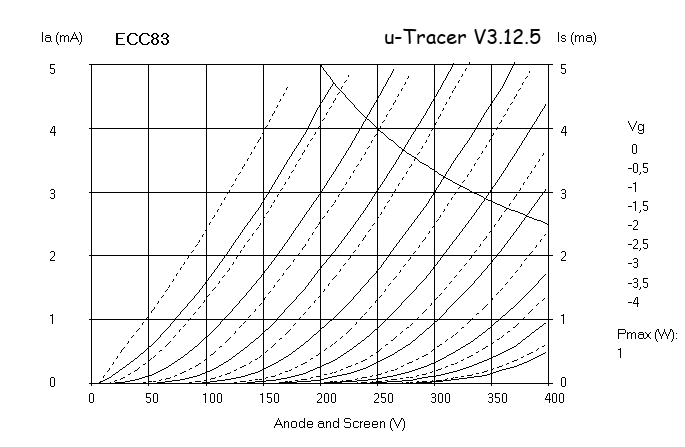
This is not a defect of the tube but a direct consequence of the circuit: the two sections operate under different conditions, so they tend to diverge over time. Even using perfectly matched tubes, the situation quickly returns to the same state. For this reason, there is no point in obsessing over perfect matching in these positions. As long as the tubes are efficient and the circuit operates correctly, there is no reason to replace them.