Bosch ECU repair 0.227.200.001
Bosch ECU repair 0.227.200.008
Bosch ECU repair 0.227.300.004
… and others …
If you are a classic car enthusiast, you know how important it is to keep your car in perfect condition. The ignition control unit is one of the most critical components of the engine’s ignition system and can cause ignition problems or even engine malfunction. If you need to repair or overhaul the ignition control unit of your Porsche 911 / 930, I am here to help. My ignition control unit repair and overhaul service has been specifically designed to meet the needs of car owners.

The service includes the repair, replacement or rewinding of the internal transformer that often fails, the inspection of all ECU components to verify that they are still working properly, and bench testing. The service is handcrafted and allows the repair of original vintage ECUs, so you can preserve the car’s originality instead of installing a modern replica. We offer a high-quality service at a reasonable price.
Do not leave your engine’s operation to chance, rely on our experience and professionalism. Contact us today to receive a free quote and learn more about how we can help you repair or overhaul the ignition control unit of your Porsche 911 / 930.
Work on a Porsche 911 3-pin ECU
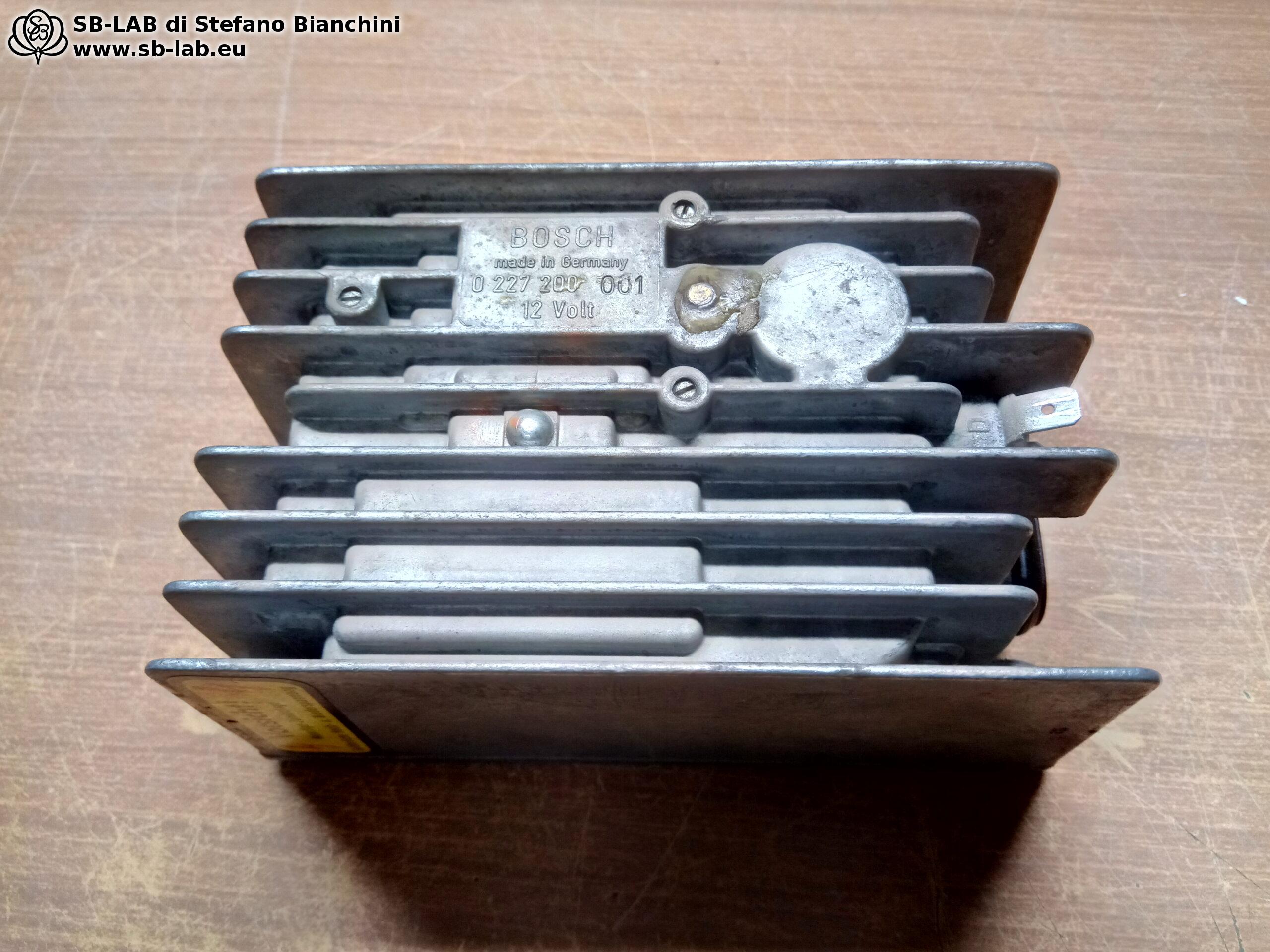
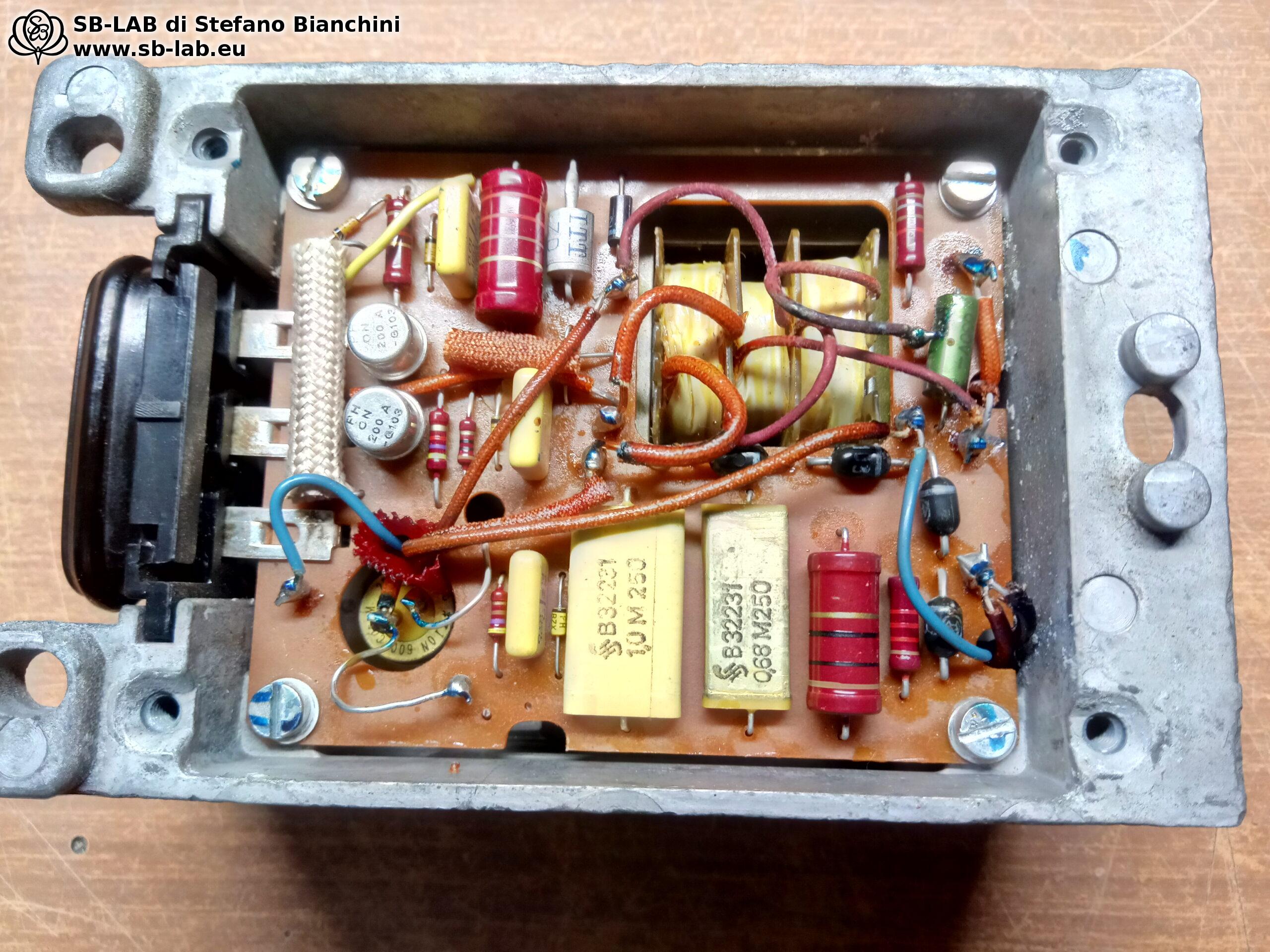
This is the transformer that often fails…
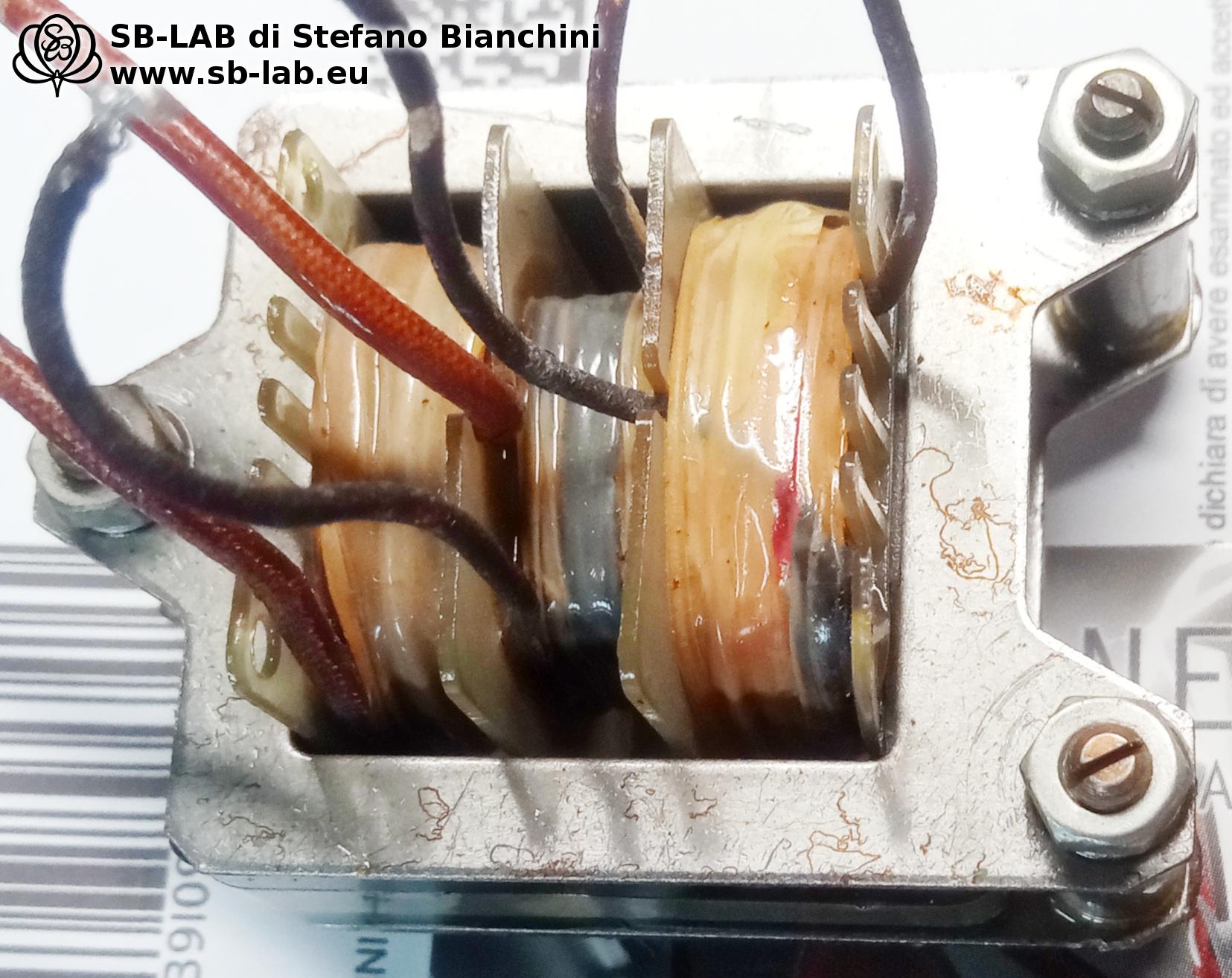

Other times it is not possible, in this case I have replacement cores available.
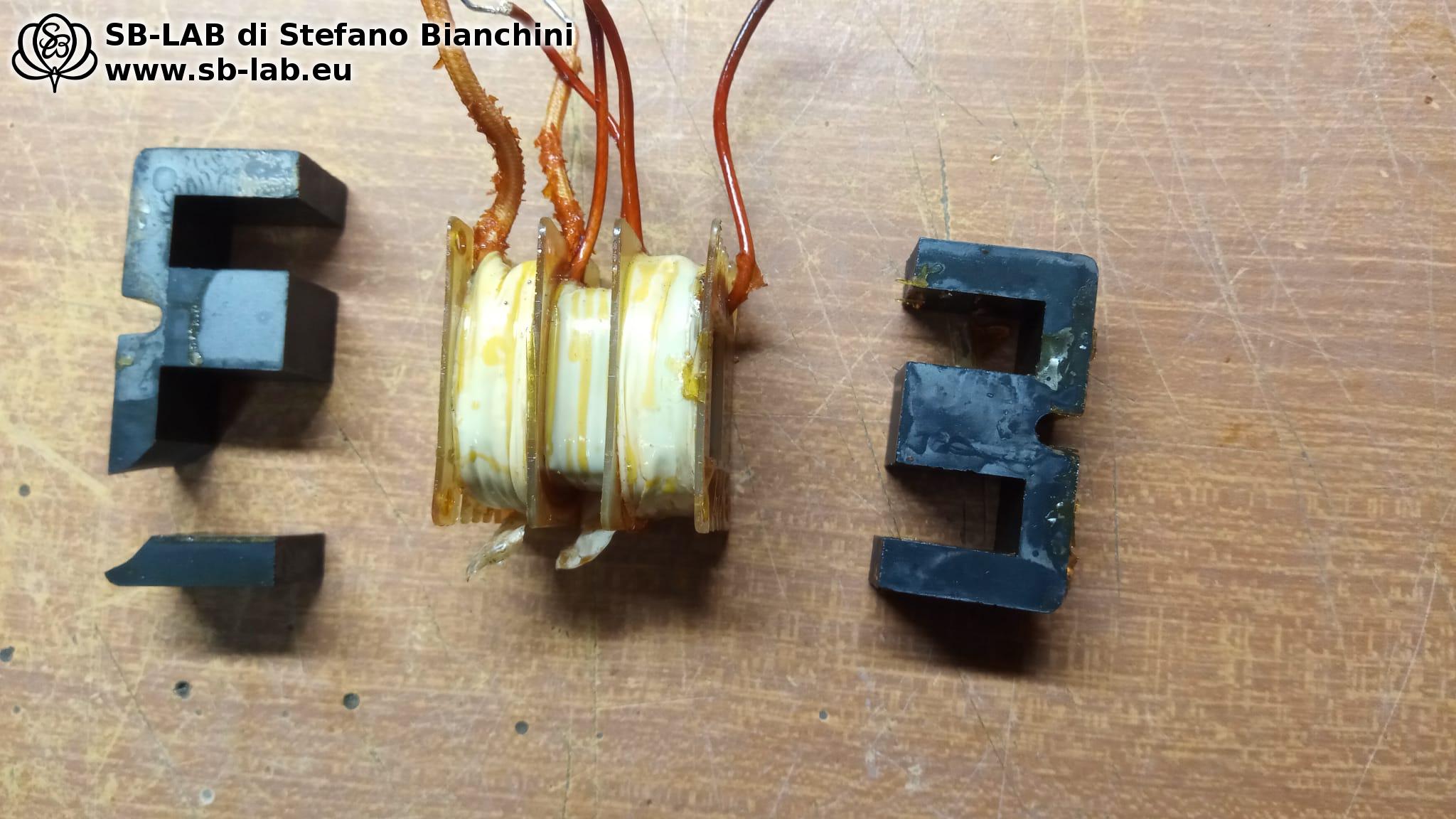
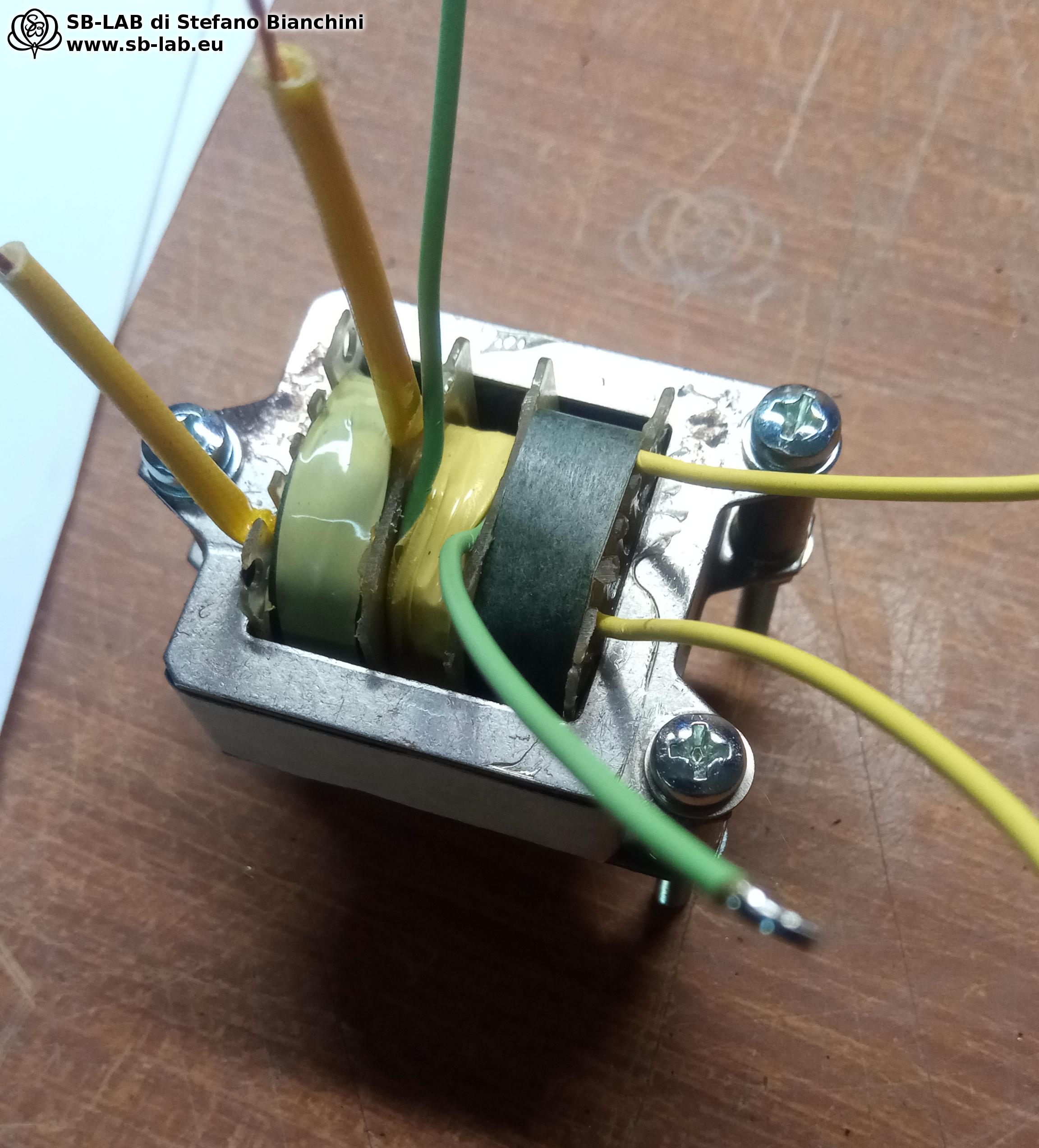
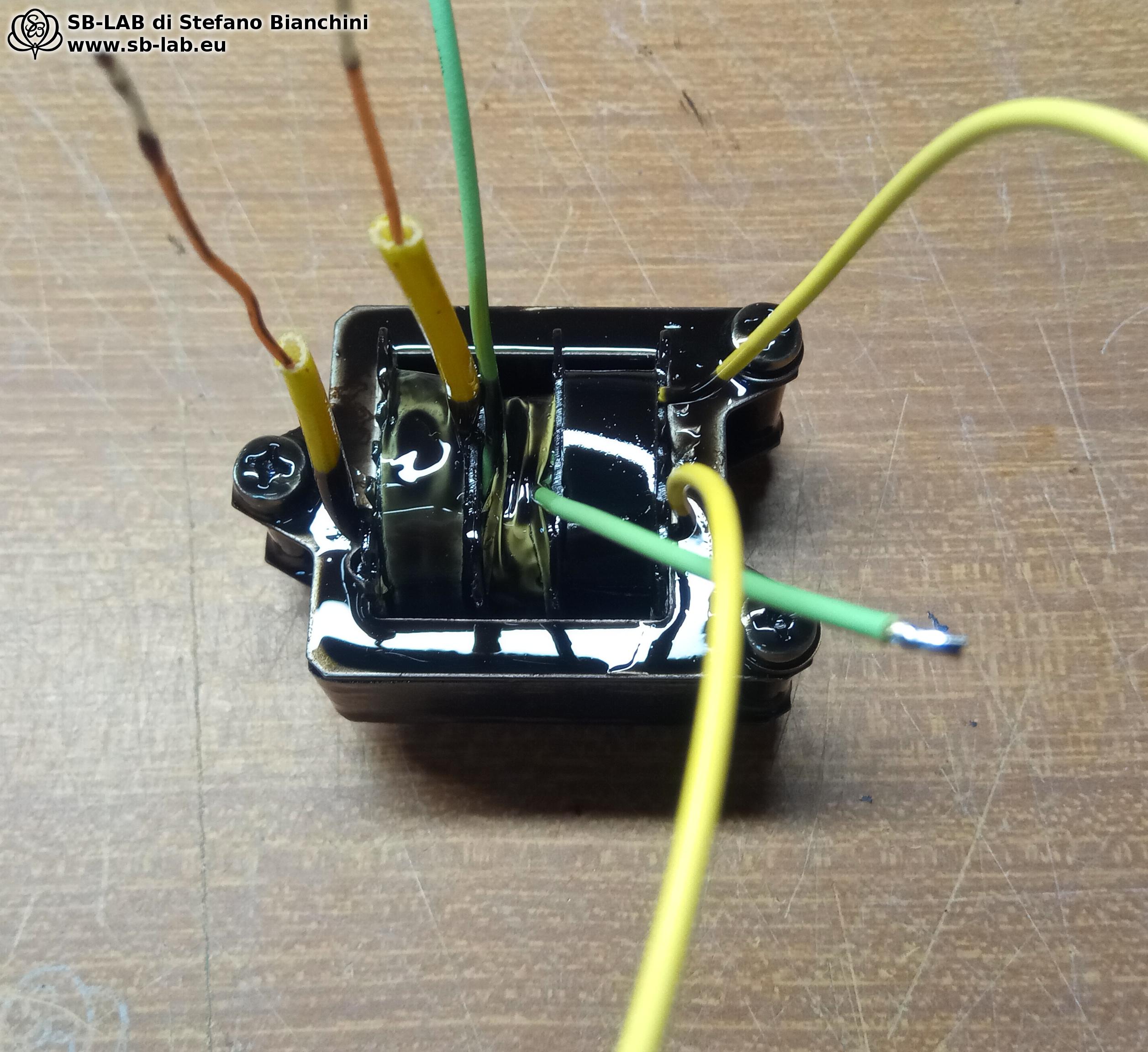
Next I move on to overhauling the electronic section…
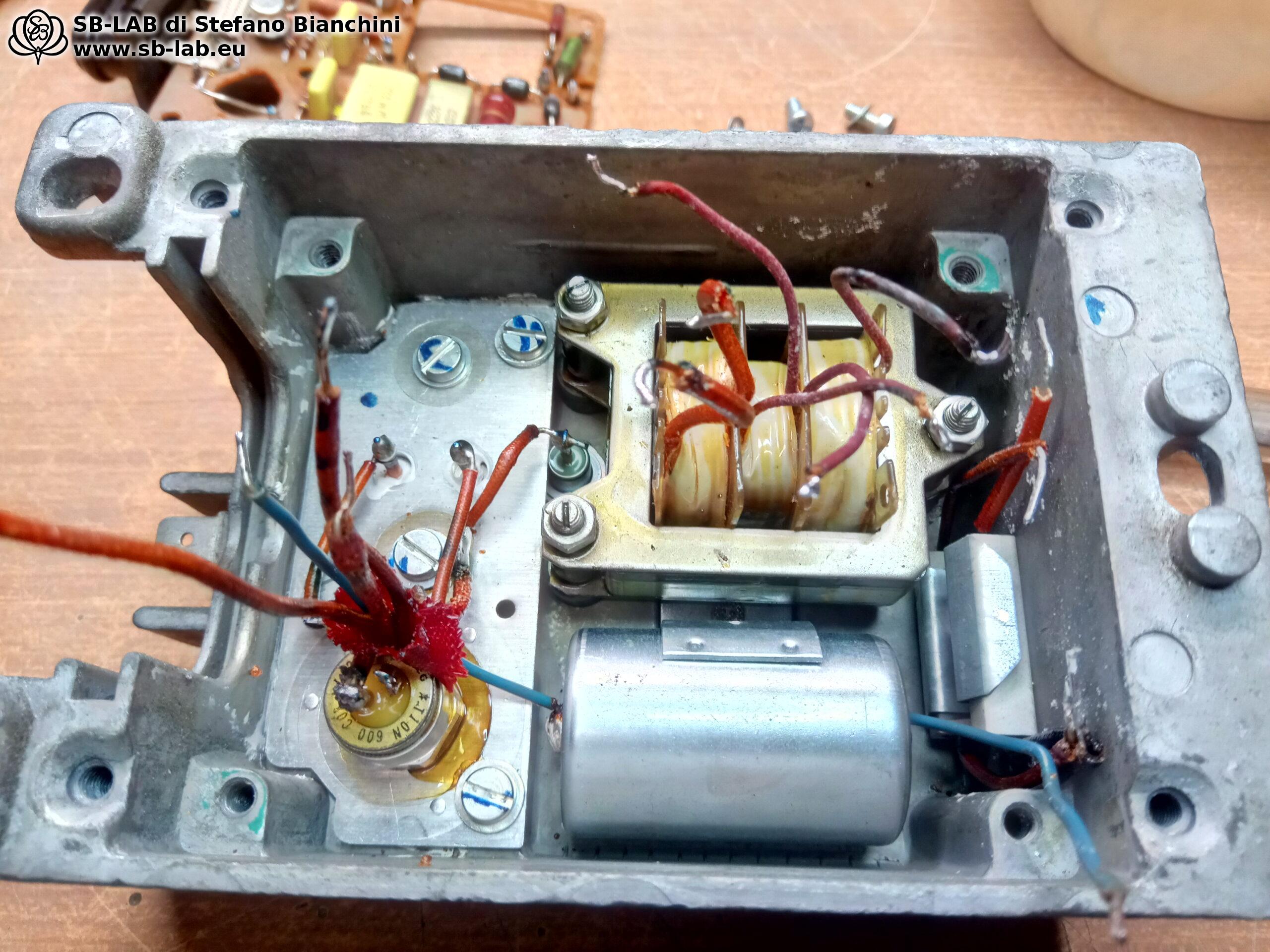
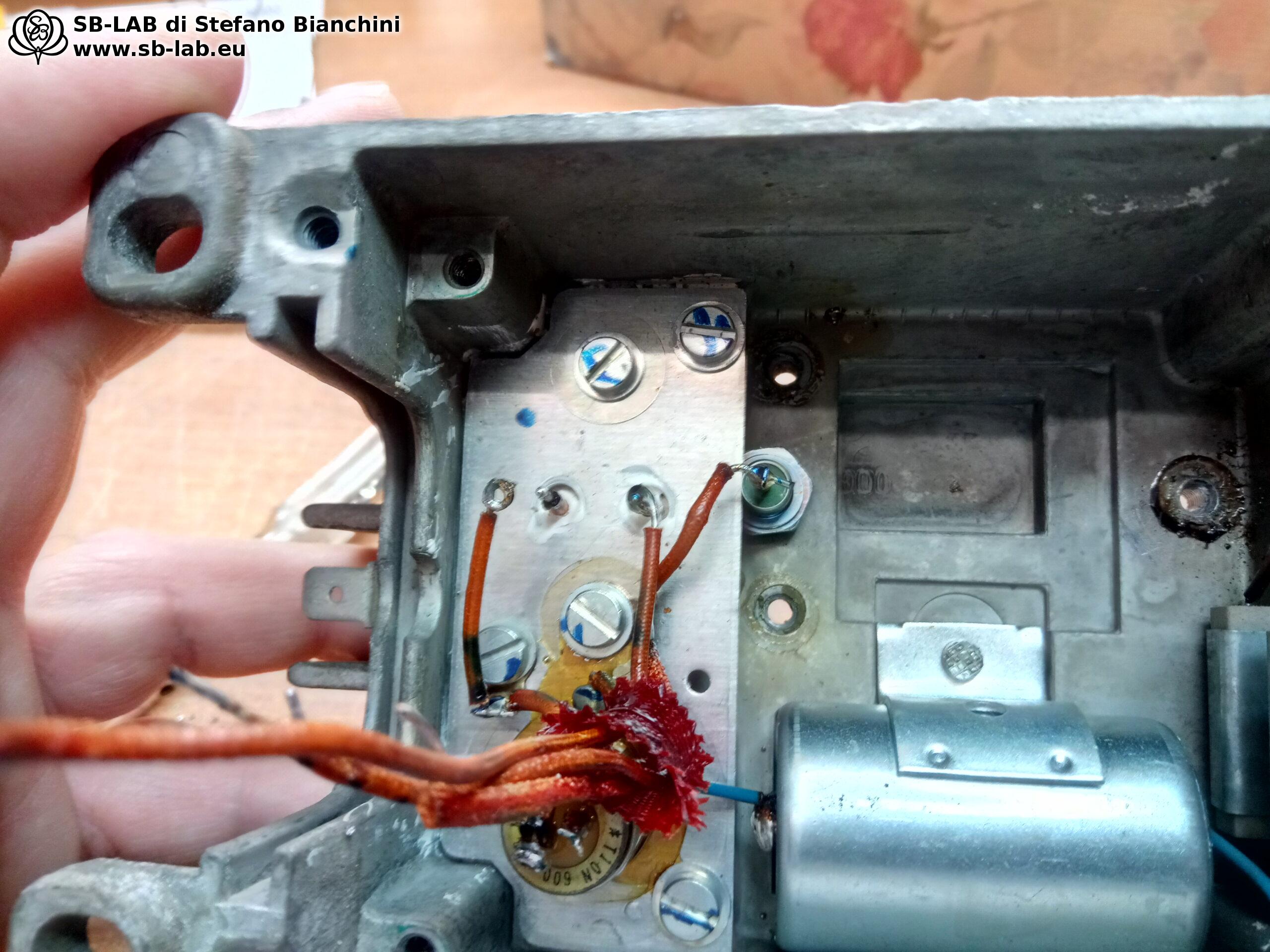

Here is the ECU overhauled with the new transformer…
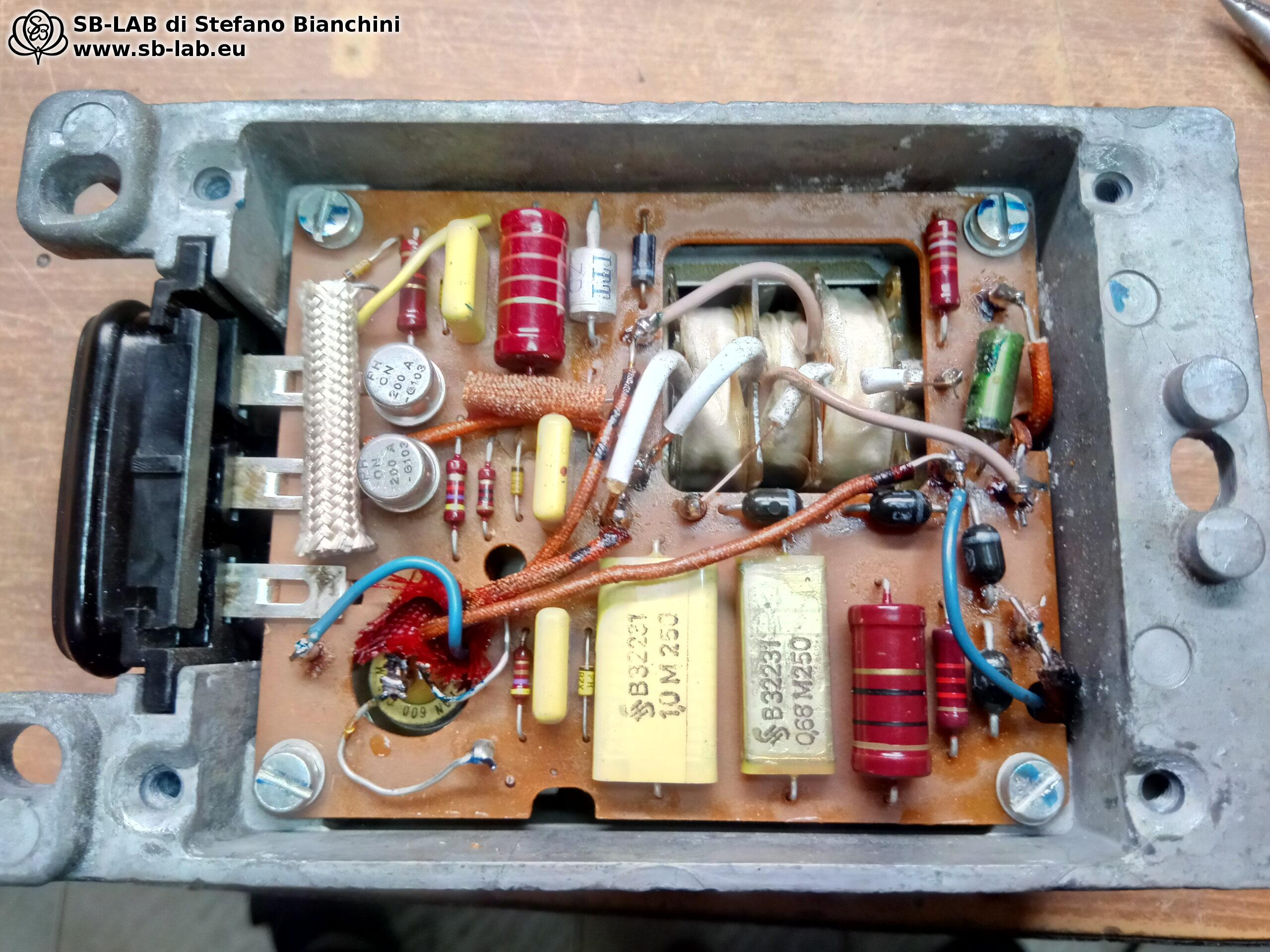
Finally some testing…
Work on a Porsche 930 Turbo CD1 6-pin ECU
In the specific case of the ECU 0.227.300.002 I worked on, I found an issue with the high-voltage capacitor leakage. I promptly replaced this component with a modern alternative, specifically selected to meet the required specifications.

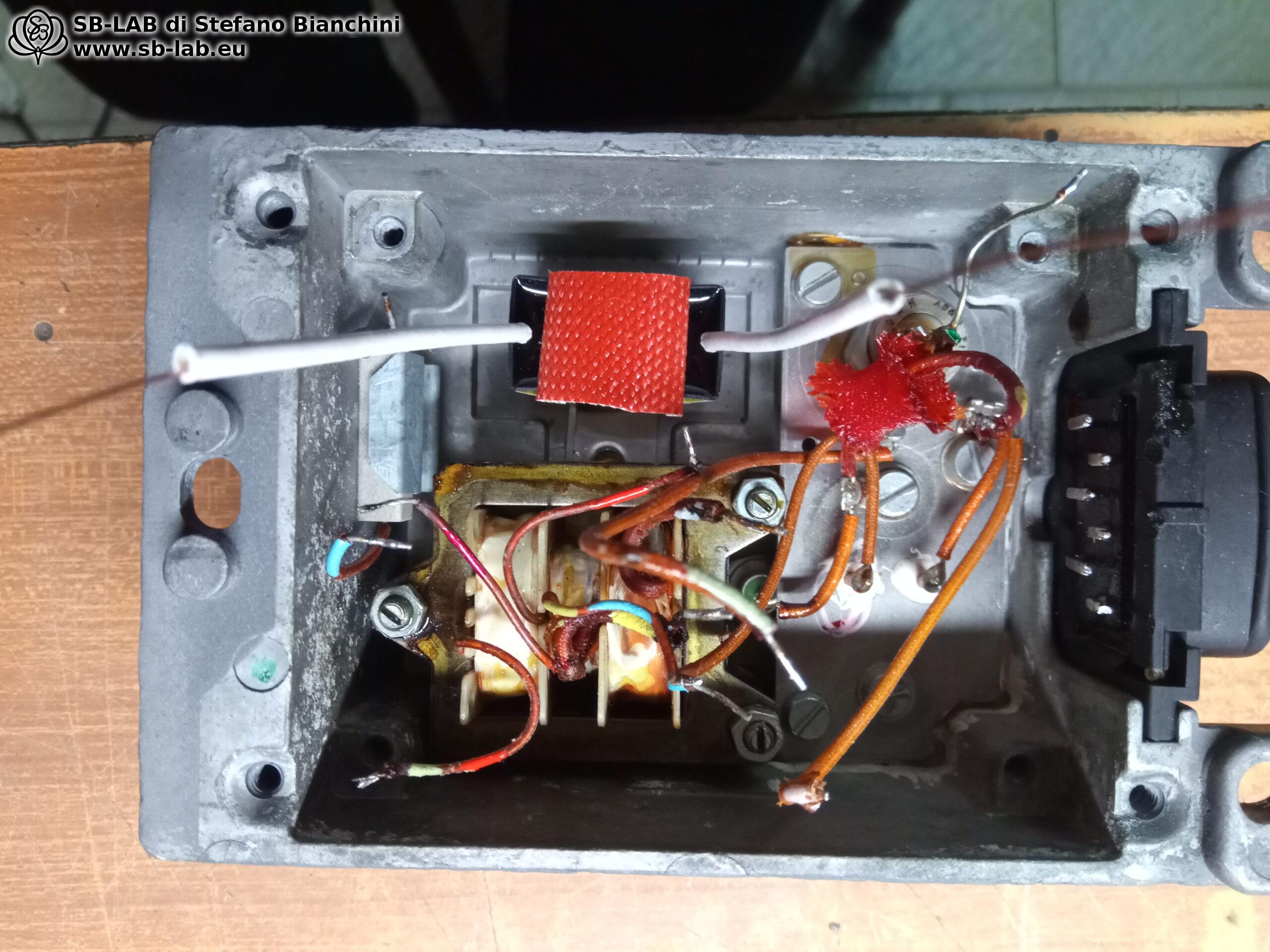
The ECU also had an issue that caused an anomaly in the tachometer operation. To solve it, I spent time thoroughly studying the circuit, discovering a snag: a resistor calibrated and factory-selected with a specific and unique value for each ECU. This particular model does not have a trimmer, as constant exposure to vibrations would make it unreliable over time.
However, the passing of years has caused slight variations in the values of some components, compromising the original calibration. I tackled this challenge by recalibrating from scratch and selecting a new resistor. Thanks to this, the ECU resumed delivering a correct signal for the tachometer. In the video below, you can see it working, connected to my Bosch ECU tester, while the oscilloscope shows the tachometer signal.