Practical guide through false myths, safety risks and warning signs, with real cases from the SB-LAB workbench.
In the world of tube Hi-Fi it’s not unusual to come across devices that, behind a seductive appearance, hide serious flaws. There are the “garage-style” contraptions, the result of improvisation and poor-quality materials, but also hi-end amplifiers with sky-high prices which, despite costing as much as a car, are wired and designed with the same carelessness.

To complicate the picture, there are also devices heavily modified by inexperienced hands: interventions that promise sonic miracles but instead worsen performance, safety and reliability. This guide gathers real cases that have passed through my SB-LAB bench, debunks the most common myths and provides concrete criteria to distinguish a tube amplifier built to professional standards from a simple “pretty dress” full of hidden risks.
Even if you spend a lot, you could still get ripped off
Price is no guarantee of quality. In the world of tube Hi-Fi there are brands that present themselves as “hi-end” and offer products costing several months’ salaries, accompanied by enthusiastic reviews in specialist magazines. Yet behind the glossy image, a very different reality may lurk.
One case examined in my laboratory proves it: an ultra-high-end amplifier, purchased brand new by a customer, showed construction and functional defects surprising for its price range. Among the anomalies found:
- Noisy power transformer with inadequate insulation.
- Loose tube sockets unable to keep the tubes firmly in place.
- Crosstalk between inputs: when switching channels, the previous signal remained audible, a sign of inadequate switching and shielding.
- Messy internal wiring, with components glued instead of mechanically fixed and tangles of unshielded cables.
- Undersized components: cheap power switch, CLC choke without air gap (potential cause of saturation), and low-grade parts.
The overall build revealed cost-cutting choices incompatible with a luxury product: unprofessionally finished bottom plate, “catalogue” PCBs glued in place, and mains wiring done without the necessary care.
The customer requested a complete overhaul to eliminate hum, crosstalk and loose tubes, but the combination of design and construction shortcomings made it clear that the intervention could not turn the unit into something truly reliable: in such cases the most sensible solution is often to dismantle it and salvage only reusable parts.
This episode is a reminder that brand and price alone do not guarantee quality, safety or sonic performance. An aggressive marketing campaign or glowing reviews can create a misleading aura, especially when manufacturers invest more in advertising than in design and quality control. Before making an important purchase it is therefore essential to:
- Evaluate internal images (wiring, fastening, shielding) in addition to external ones.
- Check objective data such as insulation, transformer bandwidth and component quality.
- Be wary of slogans like zero feedback or point-to-point wiring unless backed by concrete, unbiased measurements.
Paying a lot does not automatically mean buying the best: a serious design and flawless construction matter more than the name or the price tag.
“Those who spend little just throw their money away…”
In the world of tube Hi-Fi you’ll find big brands, small manufacturers, passionate DIY builders and those who simply improvise. In this context, anyone looking for a tube amplifier faces many choices and, at times, spectacular misjudgments. The goal is not to decide what “sounds good or bad” – a largely subjective issue – but to clearly distinguish what is technically well built from what is not, analyzing the reasons behind wrong evaluations.
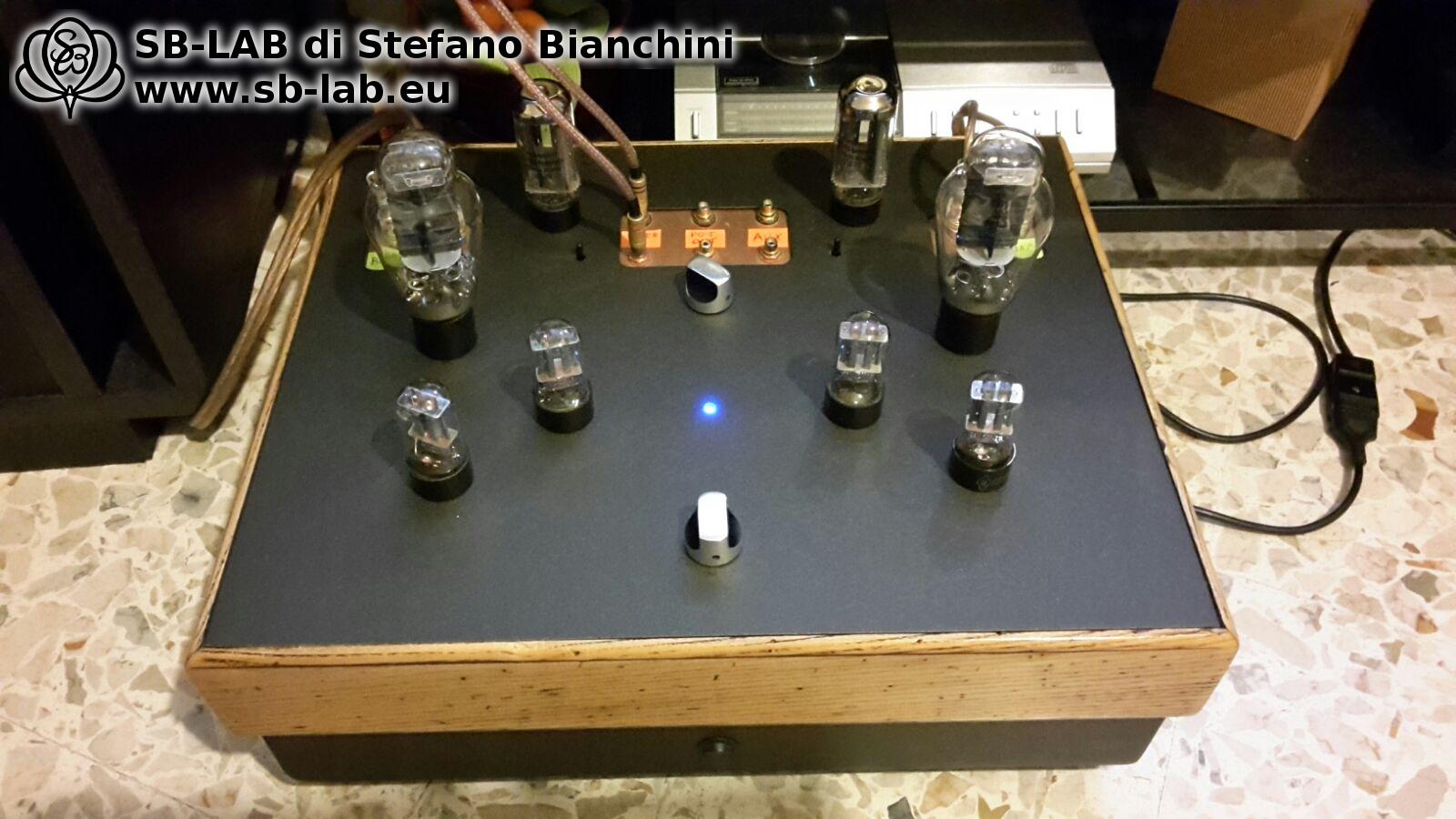
First case: an anonymous 300B, offered as a prestigious “dual mono” in a single chassis with two separate power supplies, stepped attenuator and paper-in-oil capacitors – features that on paper promised excellent sound. It was sold for €700, but the owner complained of weak, dull sound and hiss on one channel. Once opened, the reality was quite different: plate fixed with Velcro (VELCRO!!!), messy wiring, high-voltage capacitors insulated only with tape, others hanging from bare wires and hot glue. During transport the transformers had almost come loose, as they were fixed only to thin plywood with undersized screws. The output transformers, despite their optimistic 30 Hz–30 kHz labels, showed a real bandwidth of about 15 kHz (-3 dB). In short: 40 kg of barely reusable material and no real musical value.
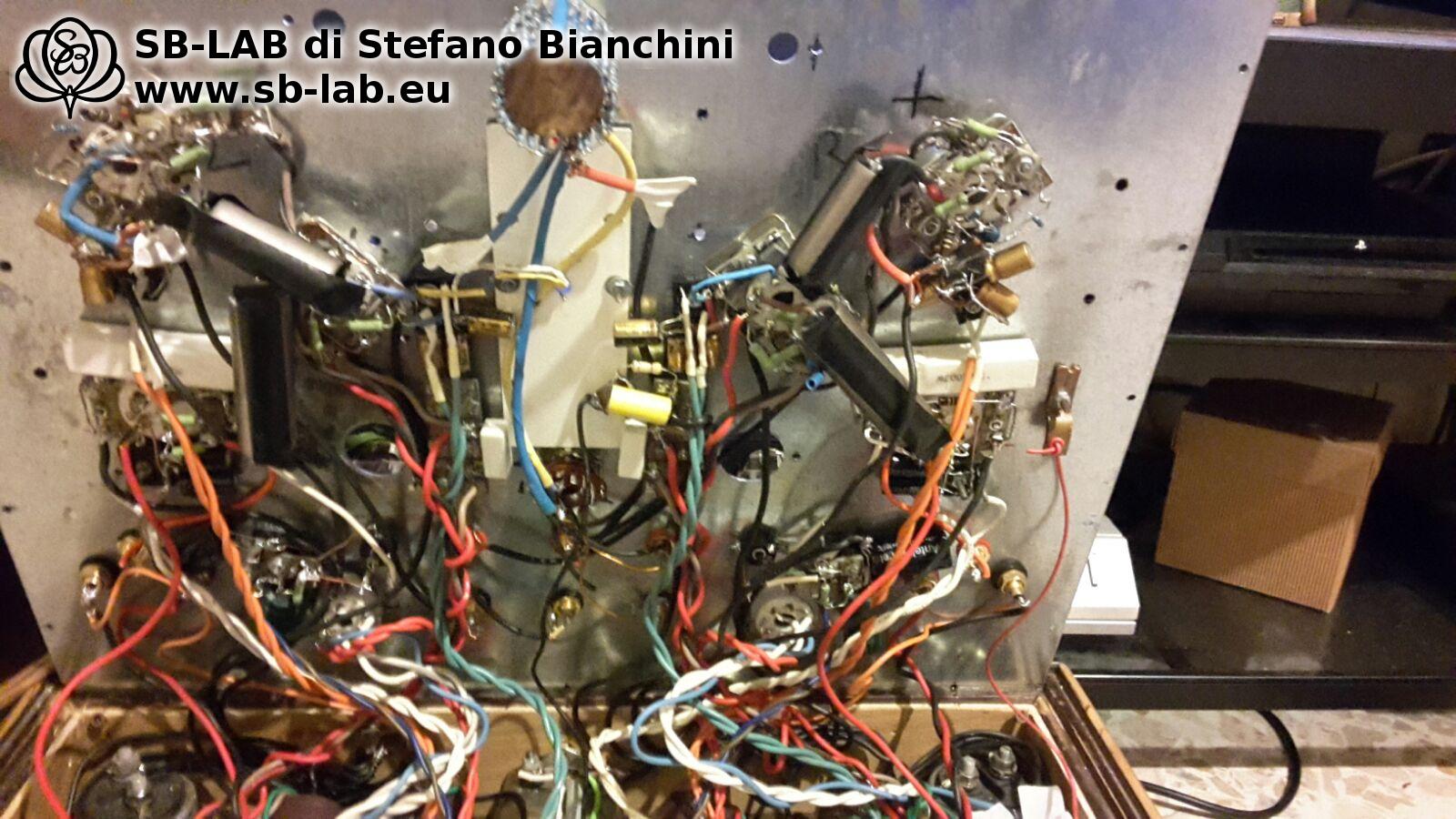
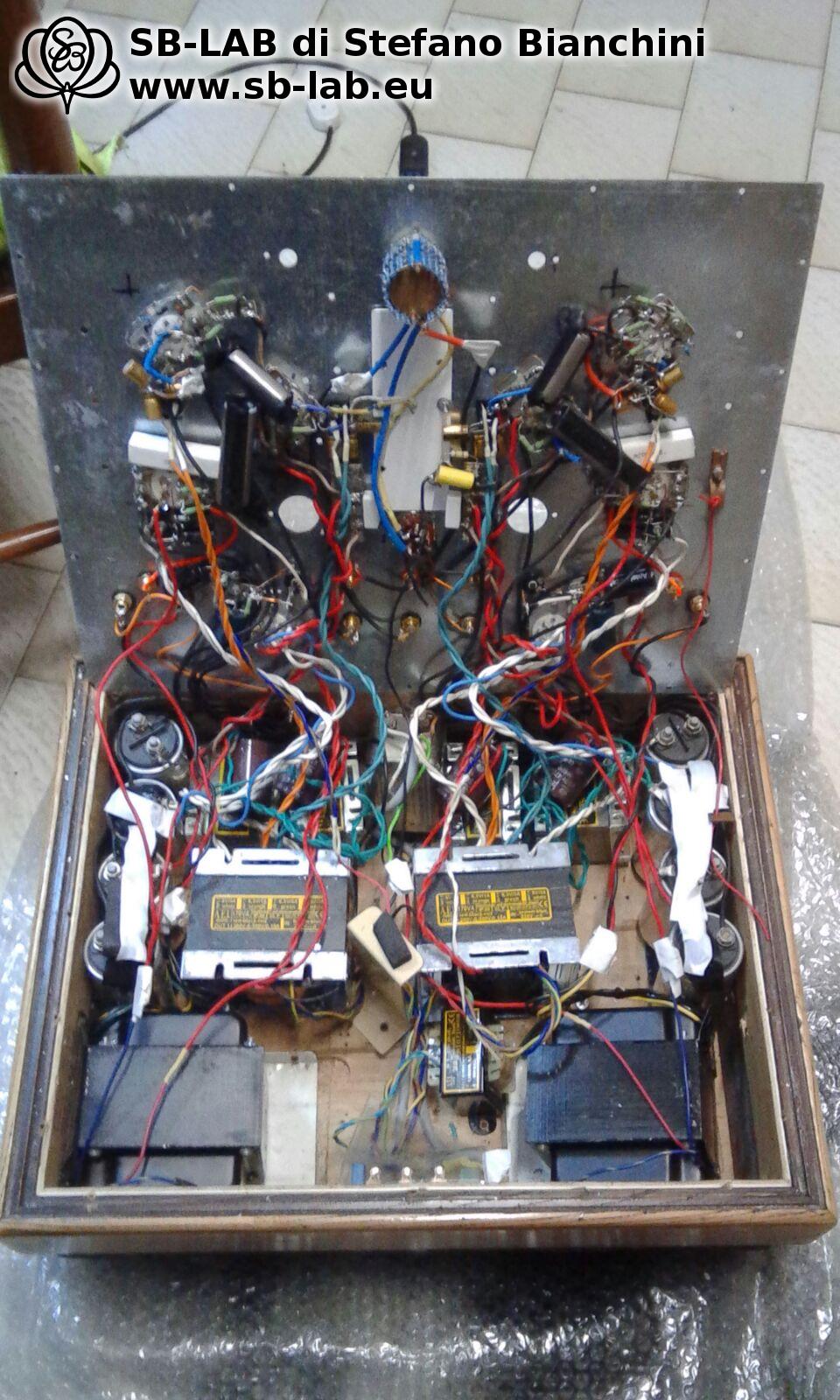
A second example concerns another 300B, this time in push-pull configuration, sold for €800. Although slightly better wired, it still showed serious faults: a high-voltage capacitor fixed only with hot glue had come loose causing arcing, and an annoying hum persisted even after emergency fixes. Investigation revealed that the supposedly artisanal output transformers were actually off-the-shelf transformers for EL34s hidden inside metal shells and sealed with silicone, with performance worthy of a bargain-basement device.
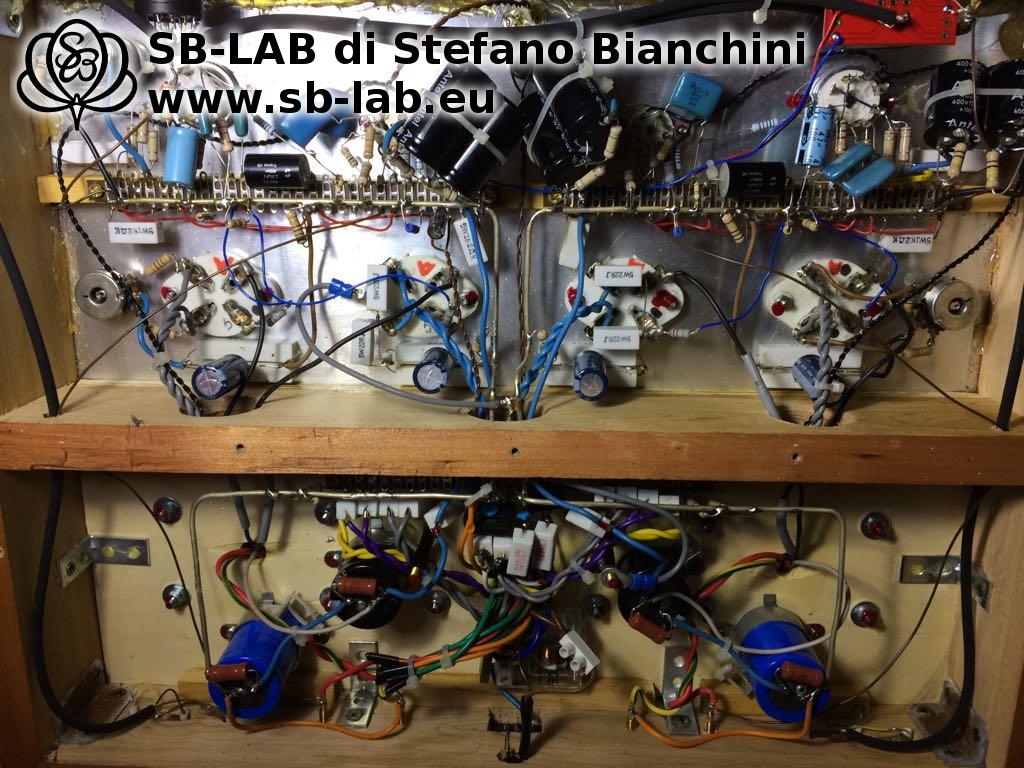
In many areas of these devices you could spot incorrect technical solutions, such as floating connections and unused winding sections, with consequent degradation of sound and potential reliability risks.
These cases show that the mistake is not only in assembly: buyers, driven by clichés (“the 300B always sounds better,” “tube X has perfect bass”), can also fall into costly traps. In reality, you never hear “just a tube” in isolation: the result depends on the circuit, transformers, components and overall tuning. With equivalent, well-executed designs, the differences between tubes shrink to subtle nuances of taste.
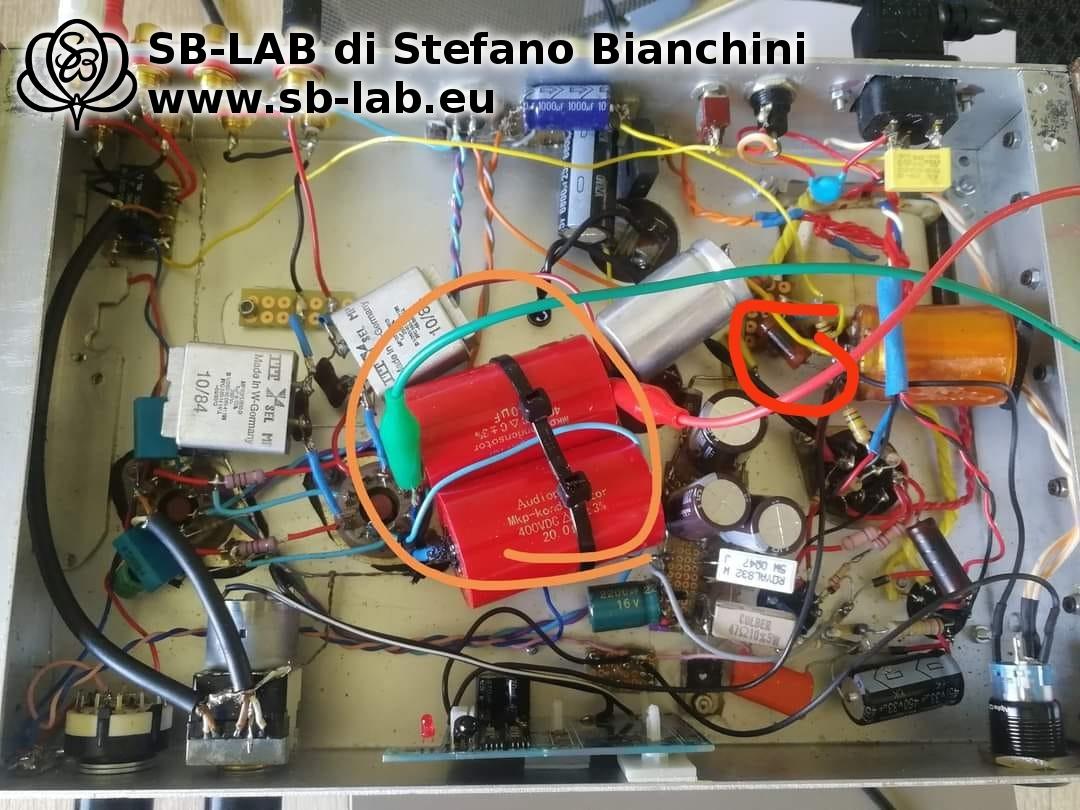
Some tubes, like the 300B, moreover require greater expertise and materials to give their best: DC filament supply, drivers capable of large voltage swings, and higher-quality transformers. Consequently, two amplifiers equivalent in power and sound may have very different costs depending on the tube used.
Many unscrupulous builders instead focus on flashy but marginal details – ultra-expensive paper-in-oil capacitors, gold-plated terminals, silver solder – while neglecting crucial aspects such as wiring, shielding, grounding and transformer sizing.
The result is that, by following certain fads, one can end up buying equipment that sounds worse than promised or poses safety issues. A pretty tube alone does not guarantee quality: a solid design and flawless construction are what matter.
In conclusion, a properly built tube amplifier inevitably has an appropriate cost. With a limited budget, it’s better to choose less demanding tubes but a well-executed project rather than succumb to products with a luxurious appearance but sloppy execution. Otherwise, the risk is ending up with an expensive object that offers little more than a nice shop window.
The case: Gamma Acoustic Space Reference – Beware of the “wrecked ones”
When an “upgrade” turns into a disaster
The so-called wrecked units: amplifiers born from real brands—often valid in their original form—then heavily modified and resold as “upgrades,” when in reality they’ve been wrecked in circuit choices, safety, and sometimes even reliability.
Wrecked units are particularly insidious on the used market: the listing can make them look like “normal” commercial electronics, maybe with a few improvements, but inside they hide arbitrary interventions that alter design, performance, and safety. The tone is deliberately ironic, but the problem is serious: unverified interventions can turn a healthy device into a wreck. How do you recognize a wrecked unit when evaluating a used one? In online ads everything may seem fine…
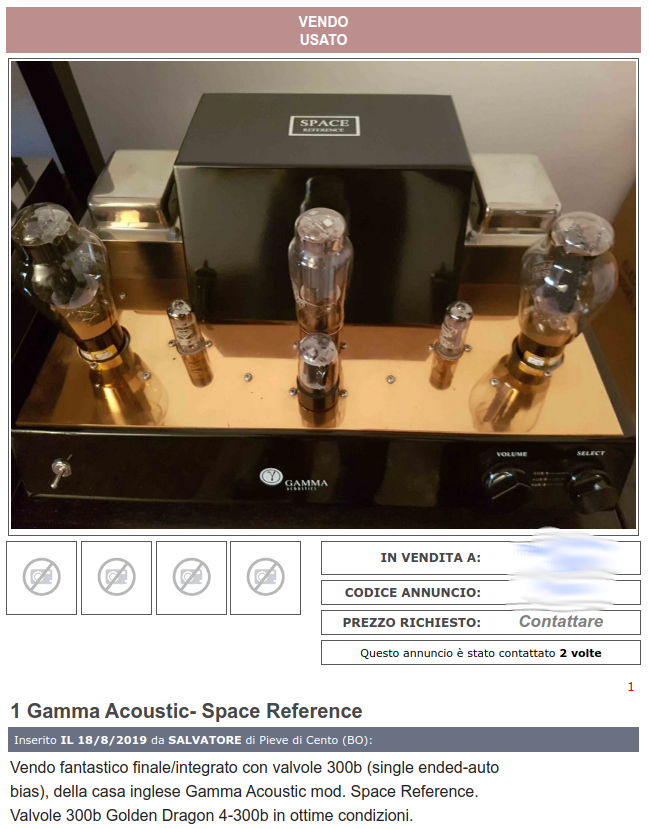
…but under the lid you may find arbitrary modifications presented as “upgrades.” The real risk is paying full price for a used item and then having to invest much more to restore it to original condition. Before buying, always ask about originality status, details of the modifications, and request internal photos. Evaluate with a qualified technician whether the unit has been wrecked and whether restoration makes technical and economic sense.
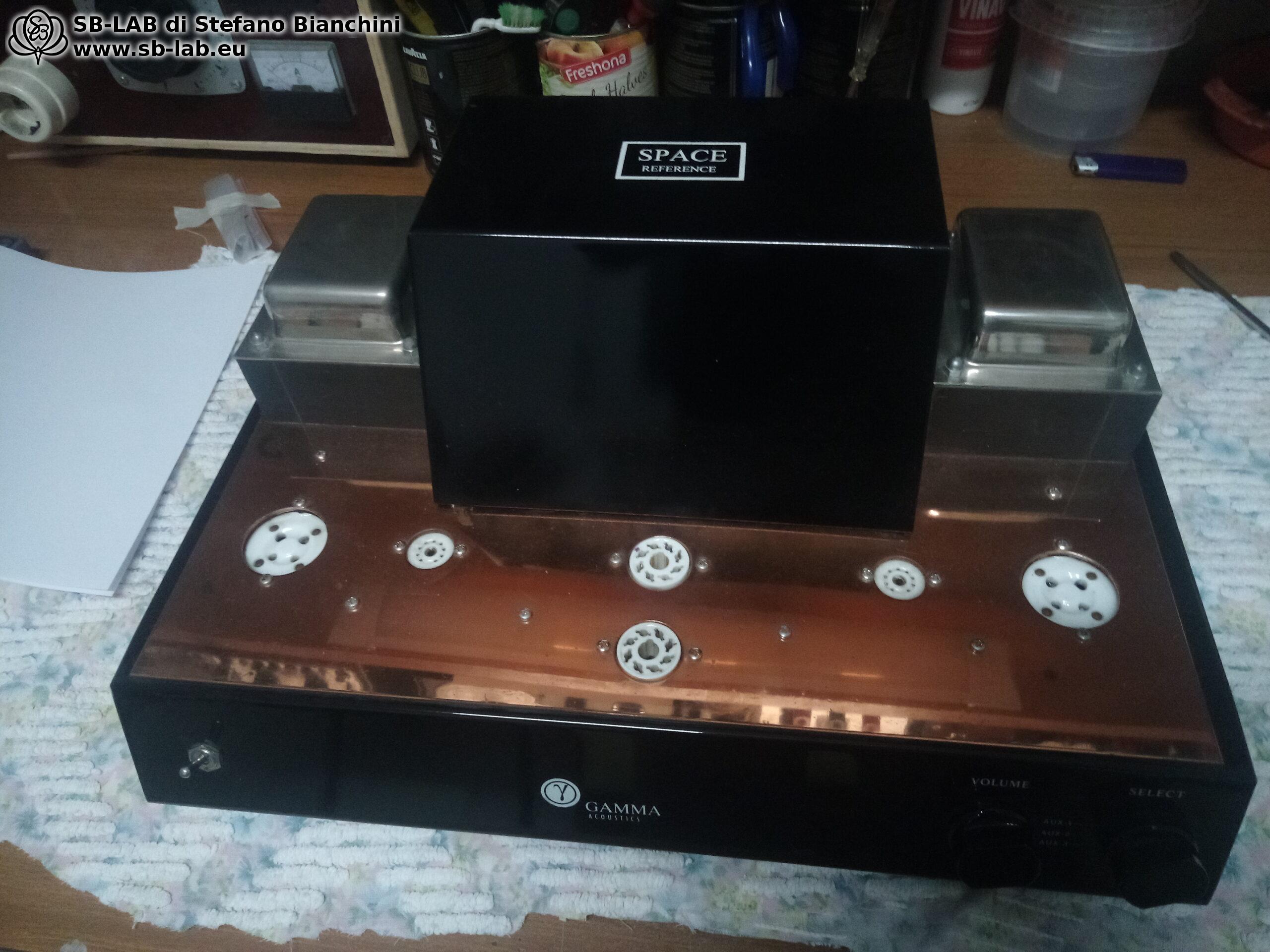
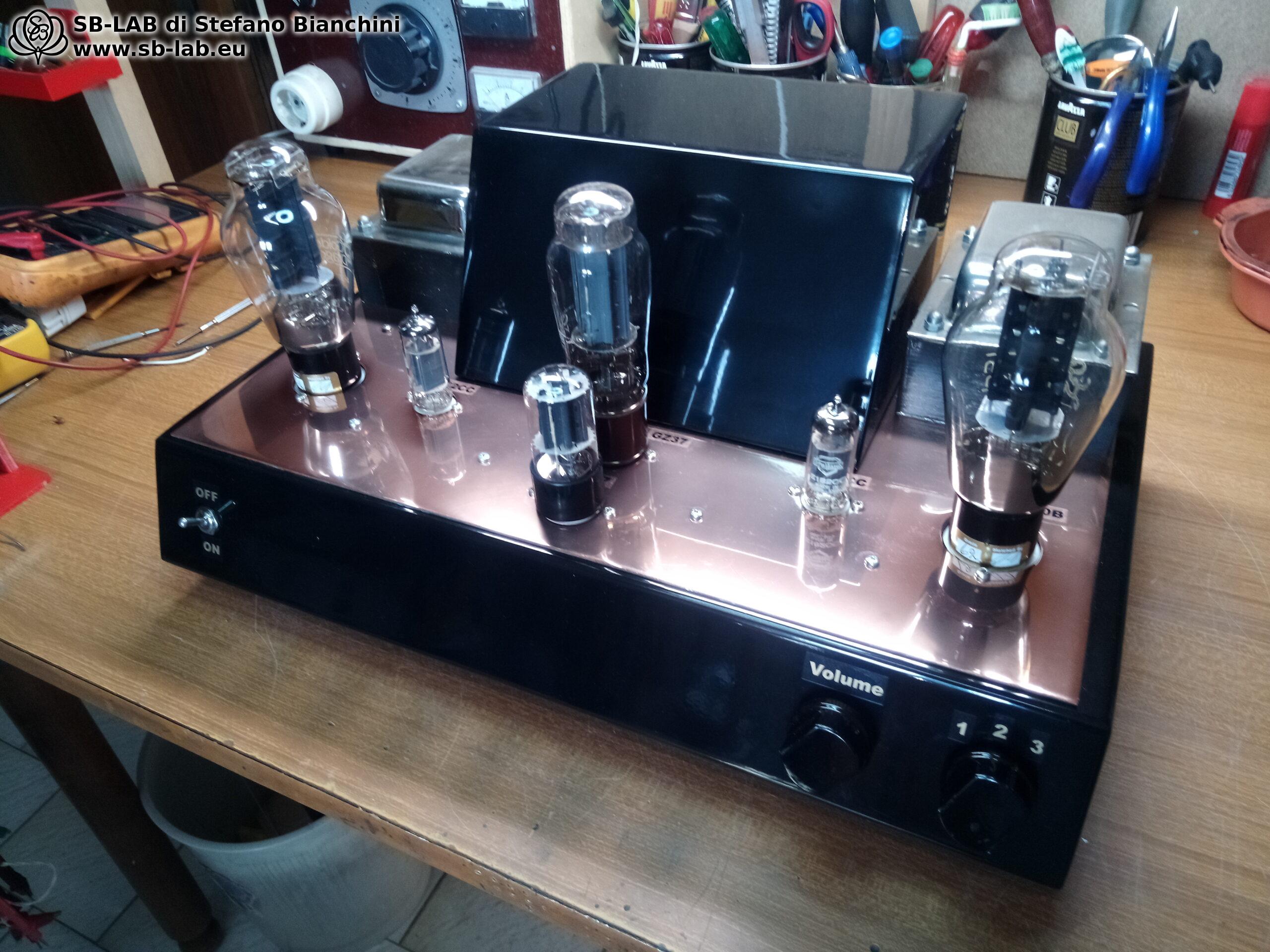
A real example: the unit arrived at the lab “sounding good,” according to the seller, but basic measurements told a different story: unbalanced channels (about 9 W RMS vs 6 W RMS), ~2 dB level difference, and evident noise. In listening, performance was poor. A radio-frequency oscillation around 2.45 MHz also emerged, a sign of stability compromised by questionable circuit decisions.

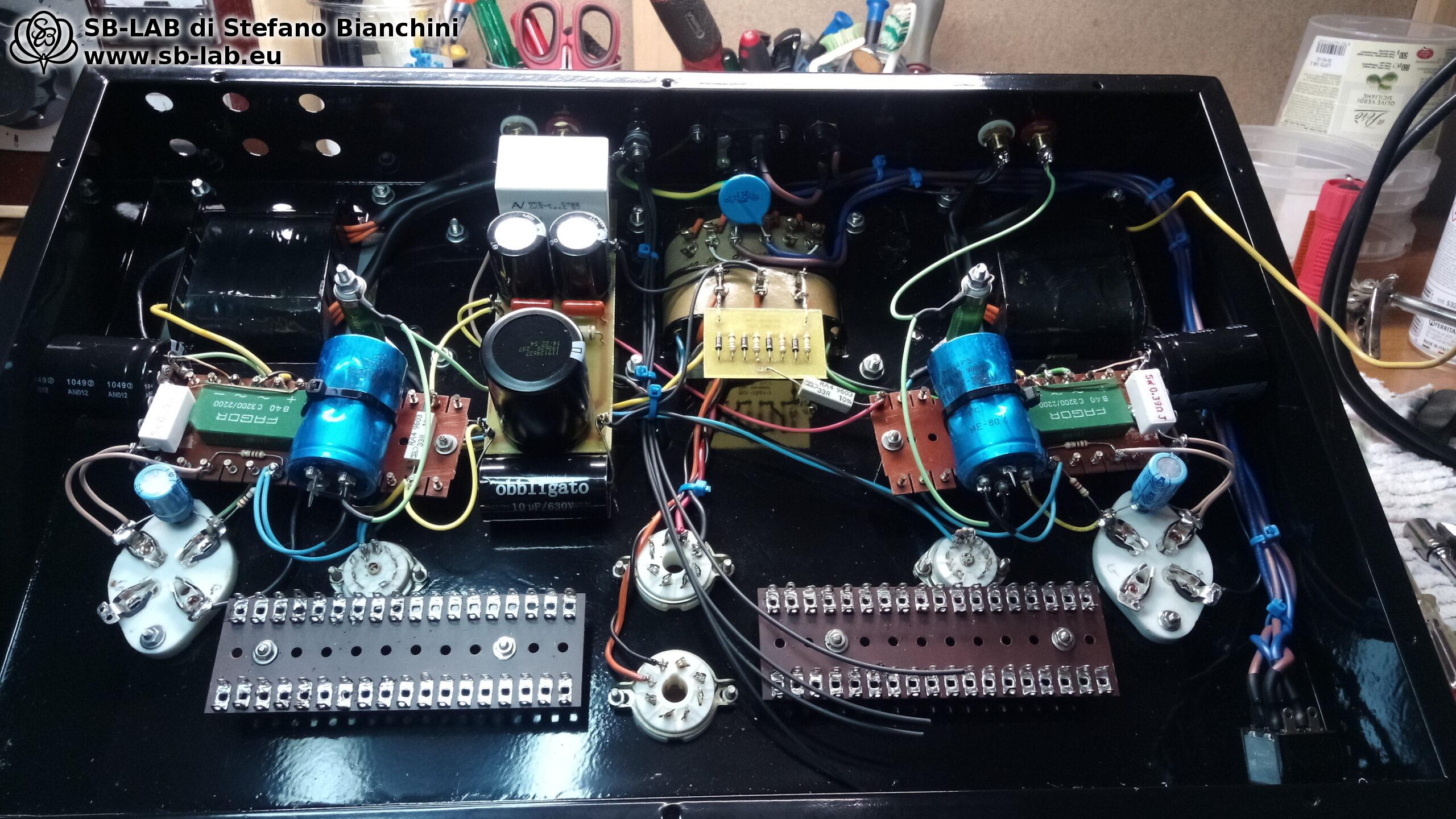
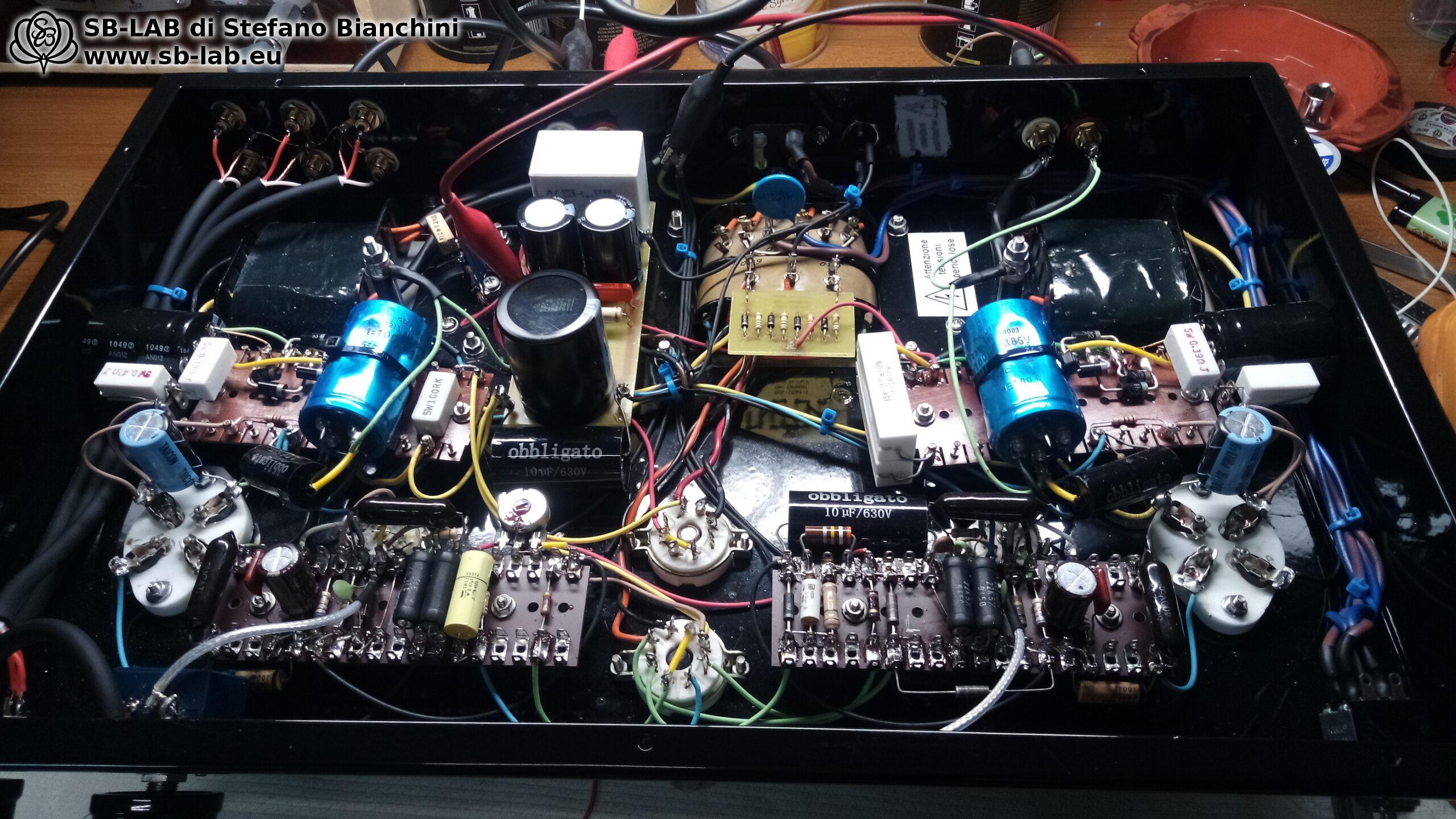
Opening it up revealed undocumented interventions: glued components, tortuous signal paths, “magical” additions with no technical function, undersized filament wiring, capacitors and bridges in unusual or risky positions.
Typical examples of wrecking: internal linings glued in place that obstruct heat dissipation and maintenance; “ornamental” elements with no electrical function; floating or unsecured wiring; “quantum” add-ons with no technical evidence. None of this improves the sound—it introduces risks and instability.

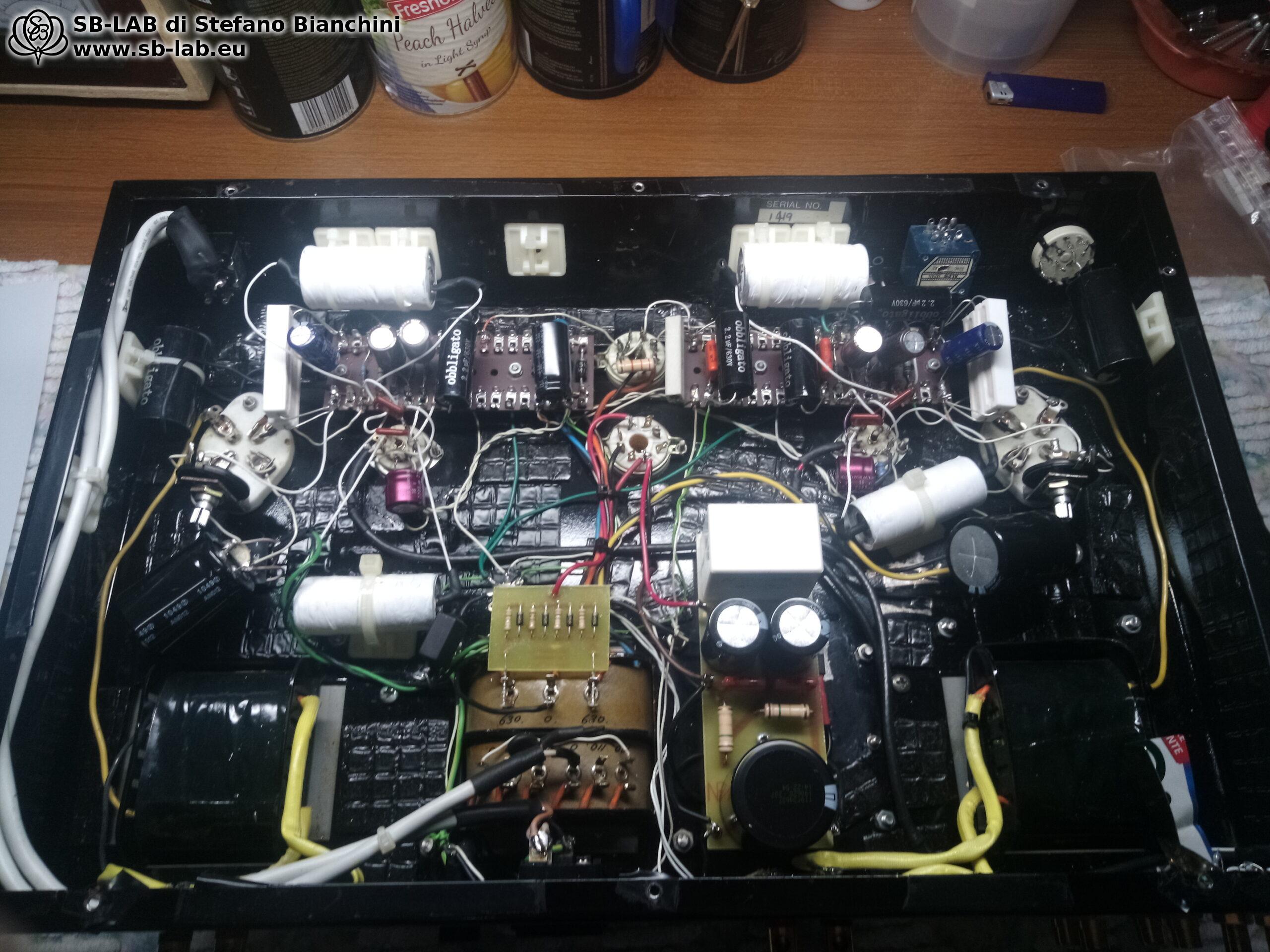
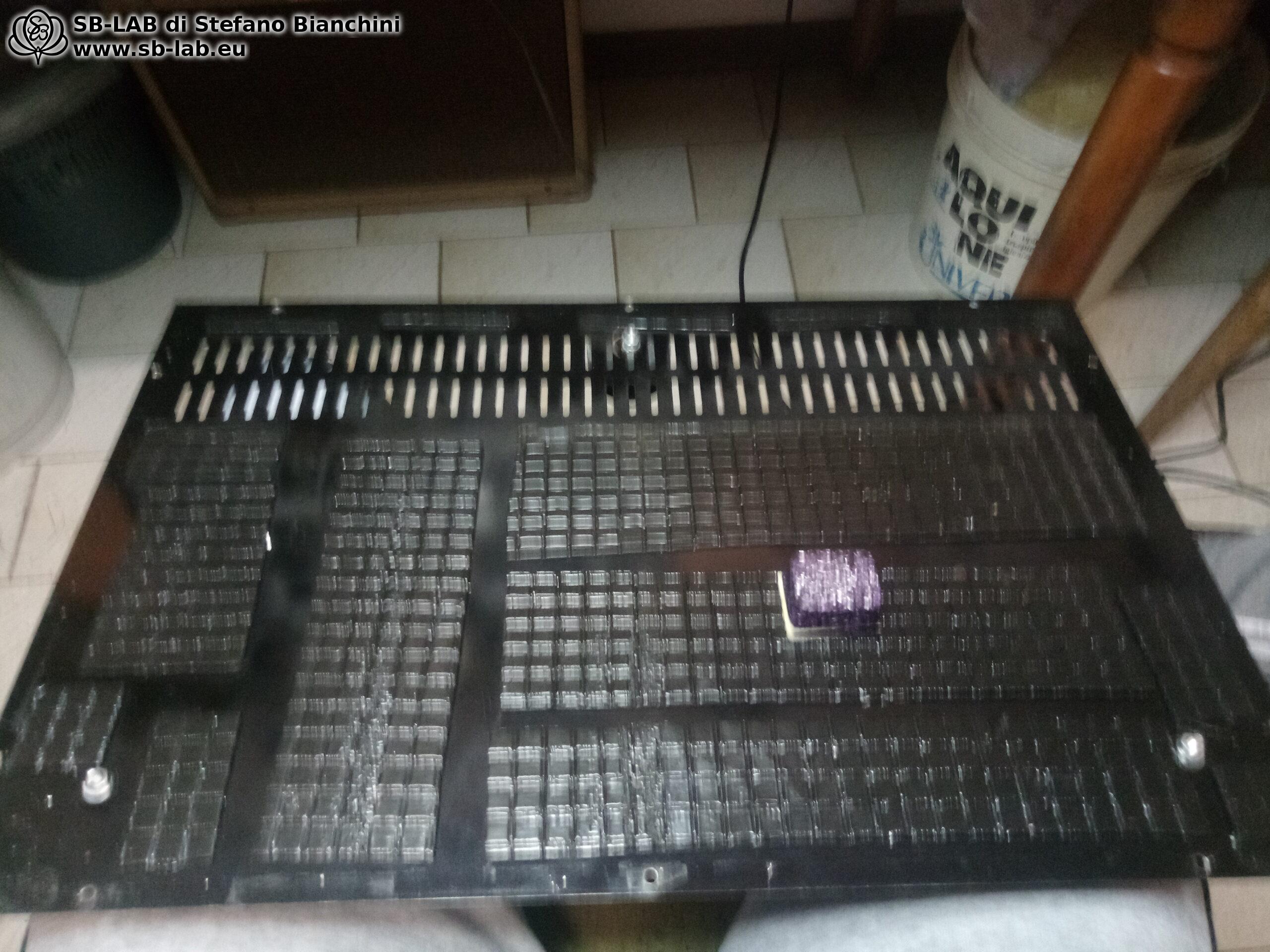
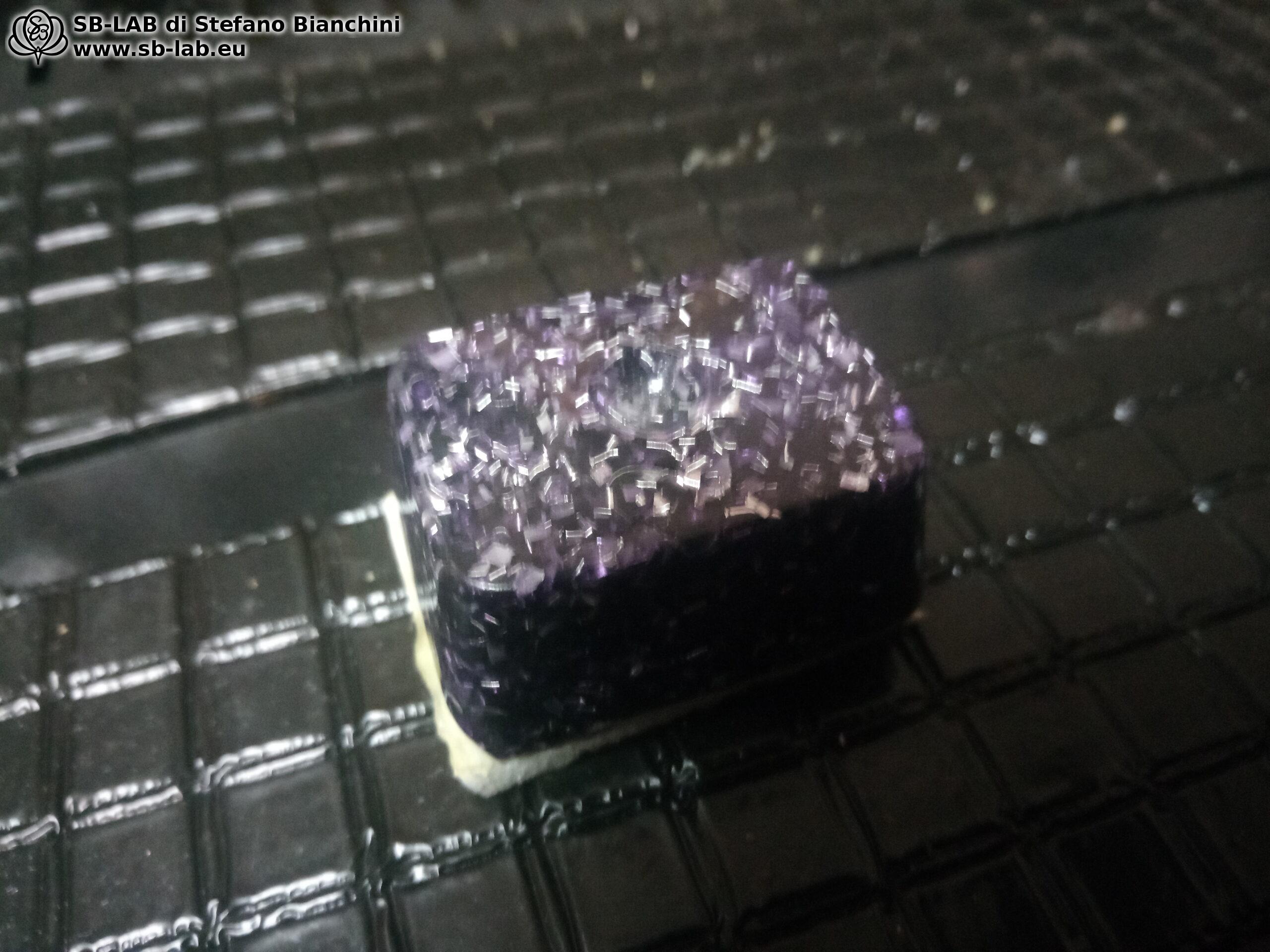
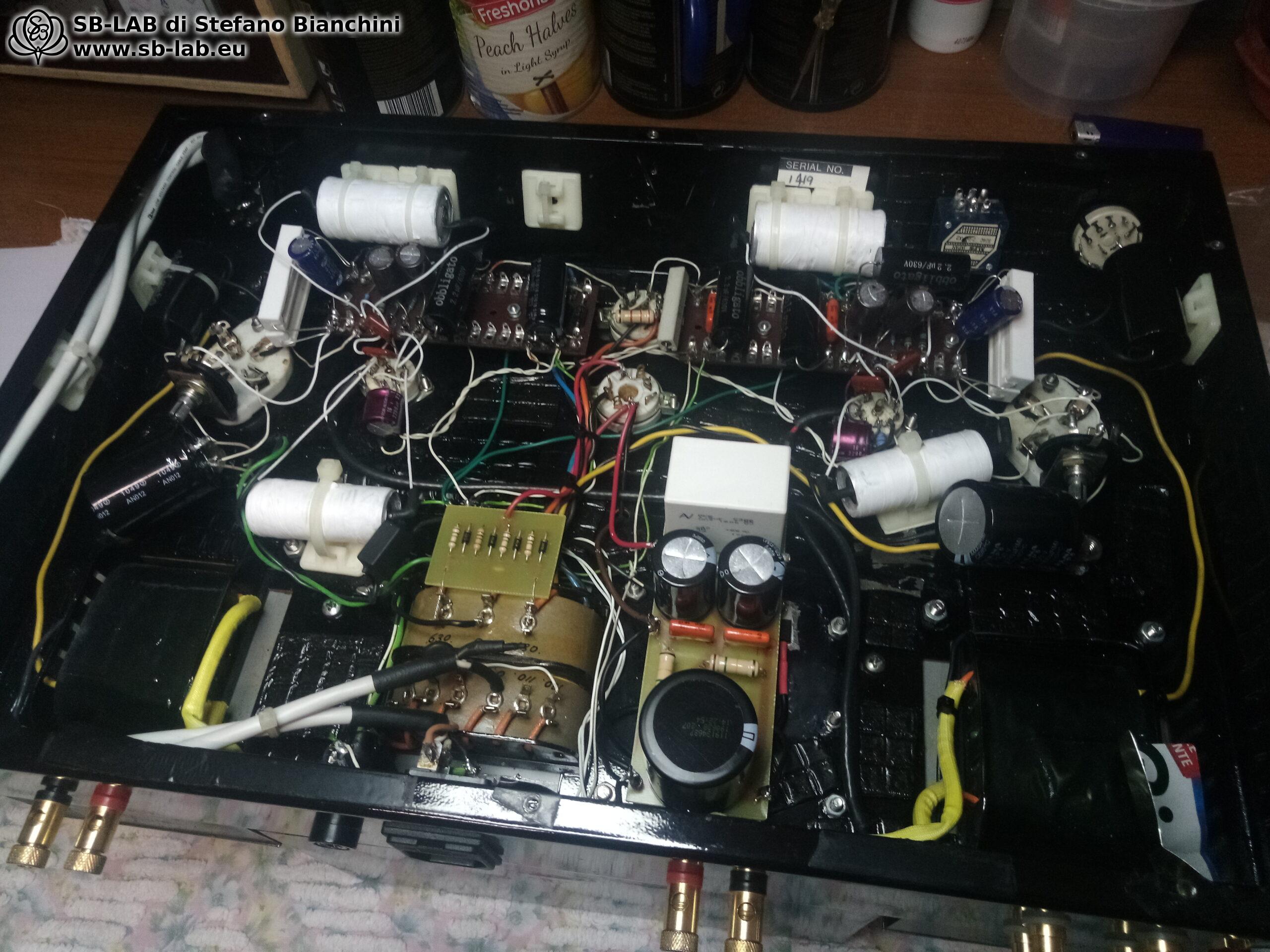
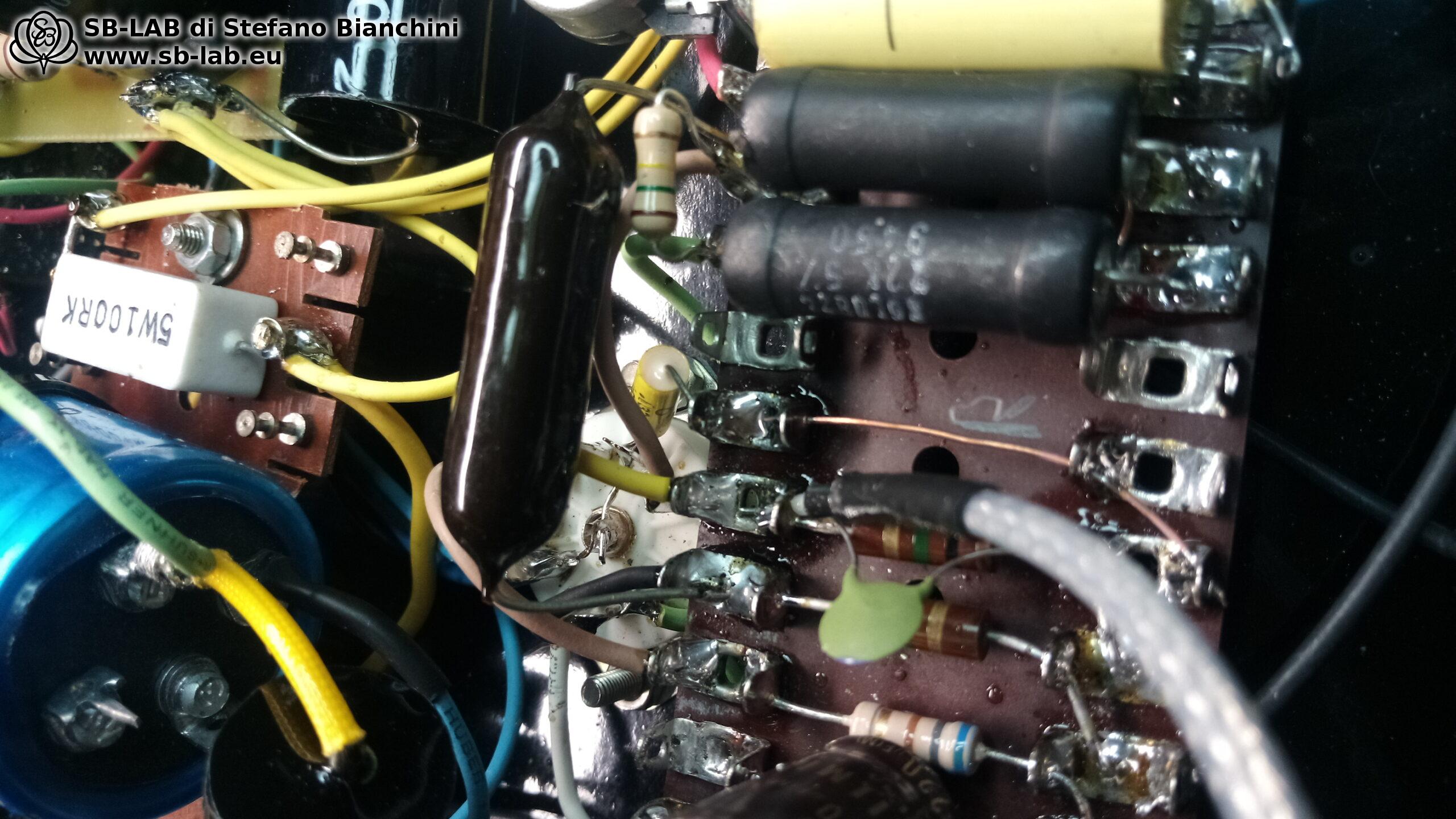
Thin wiring where high currents flow and insulating “mummies”: other typical signs of a wrecked unit.
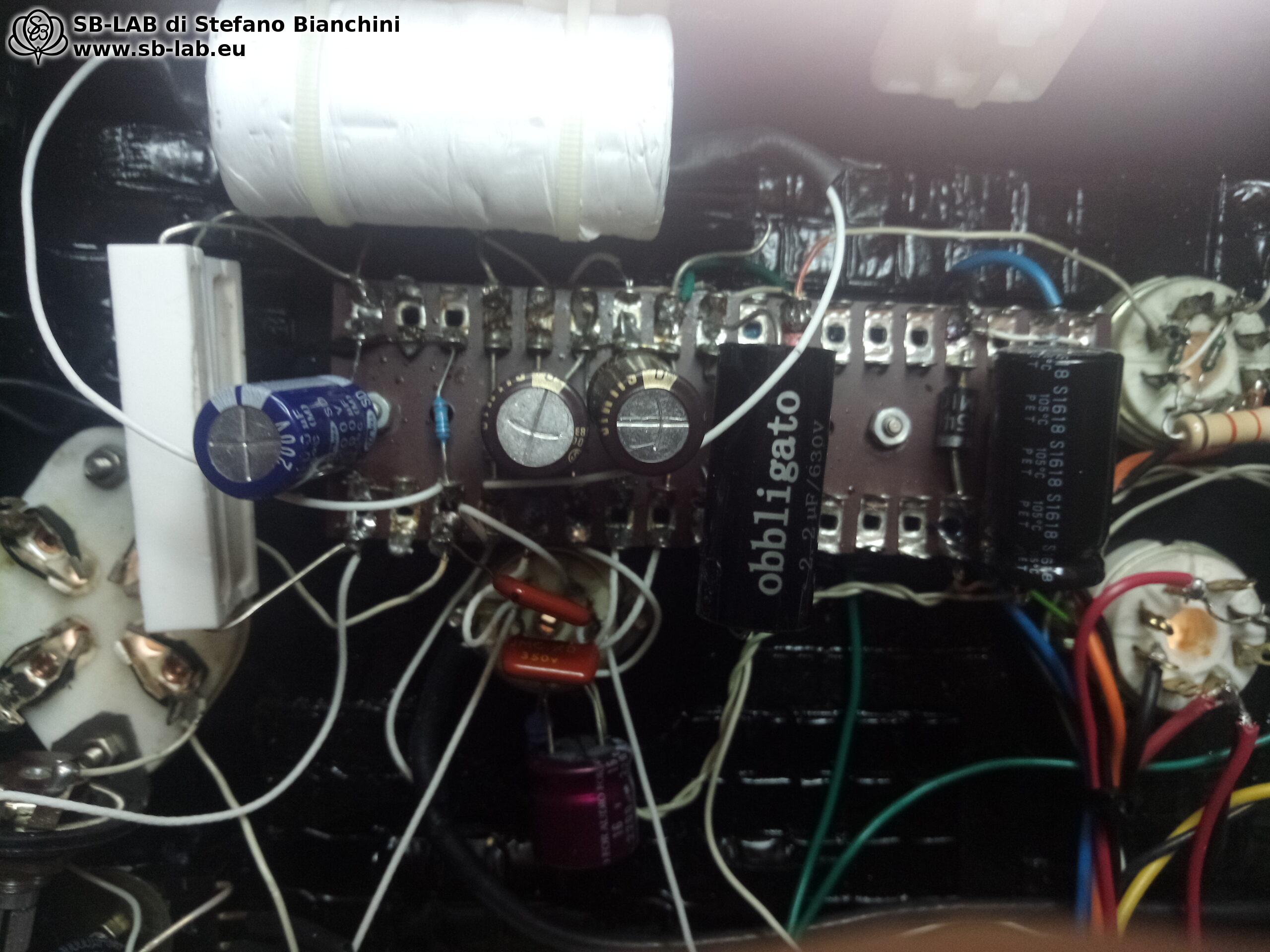
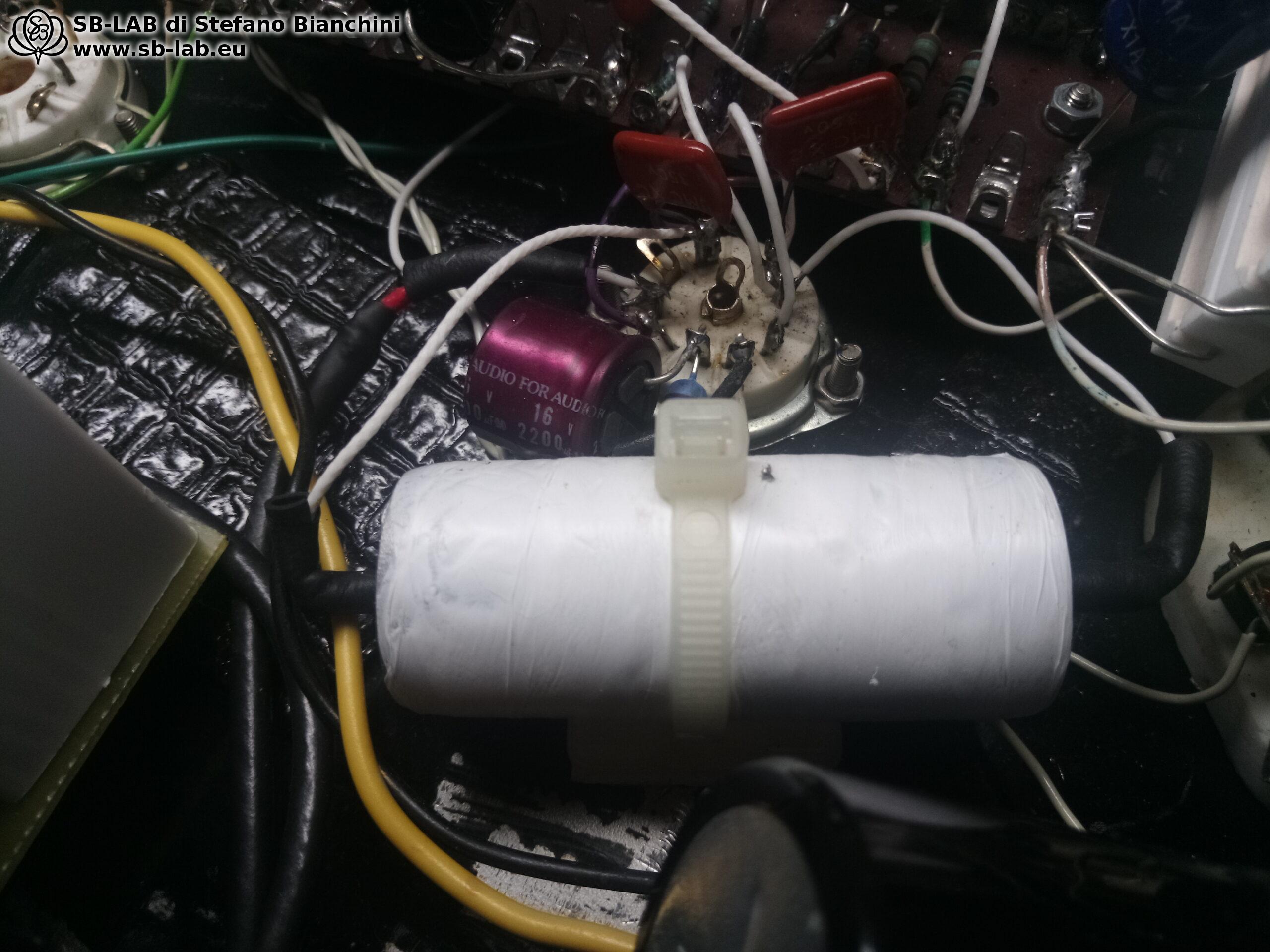
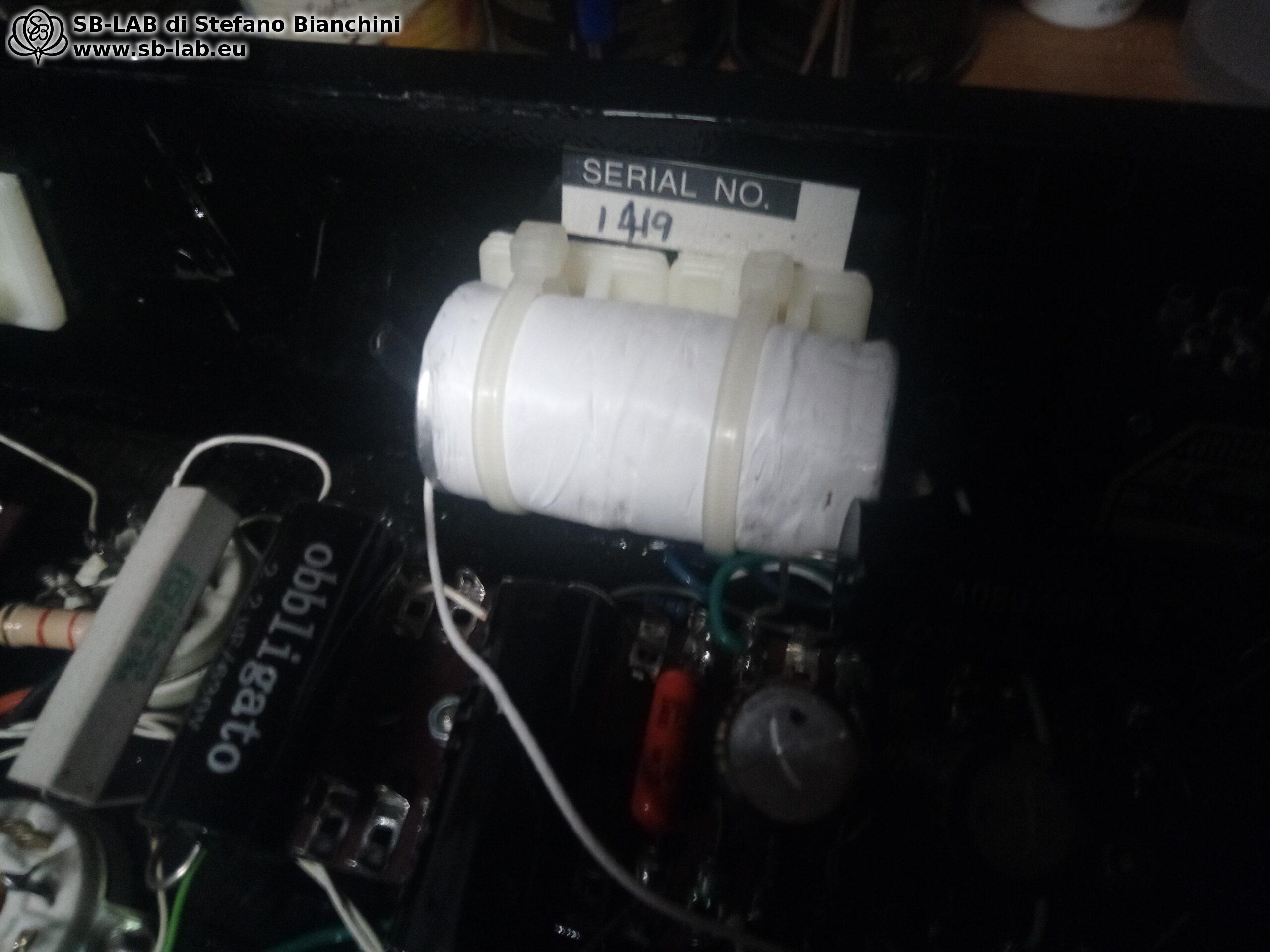
“Relaxing solutions”: non-technical accessories and materials do not improve the sound.

Examples of risky choices: capacitors and wiring between closely spaced grounds without any rationale for returns and current paths.
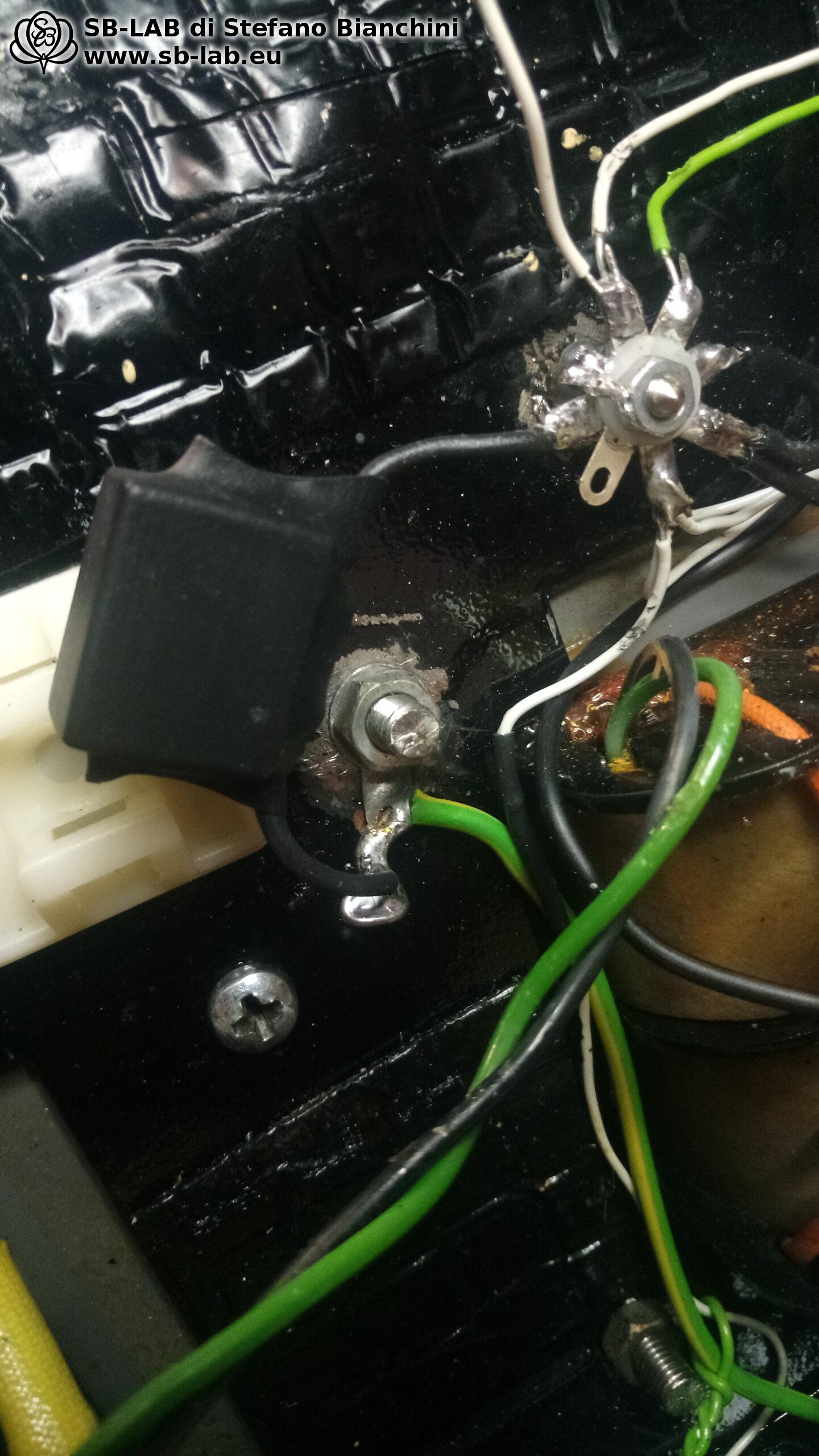
Power supplies also sometimes show improper solutions (diodes + a valve used as a simple resistor in a disguised CRC), choices that bring no measurable benefits and complicate reliability and maintenance.
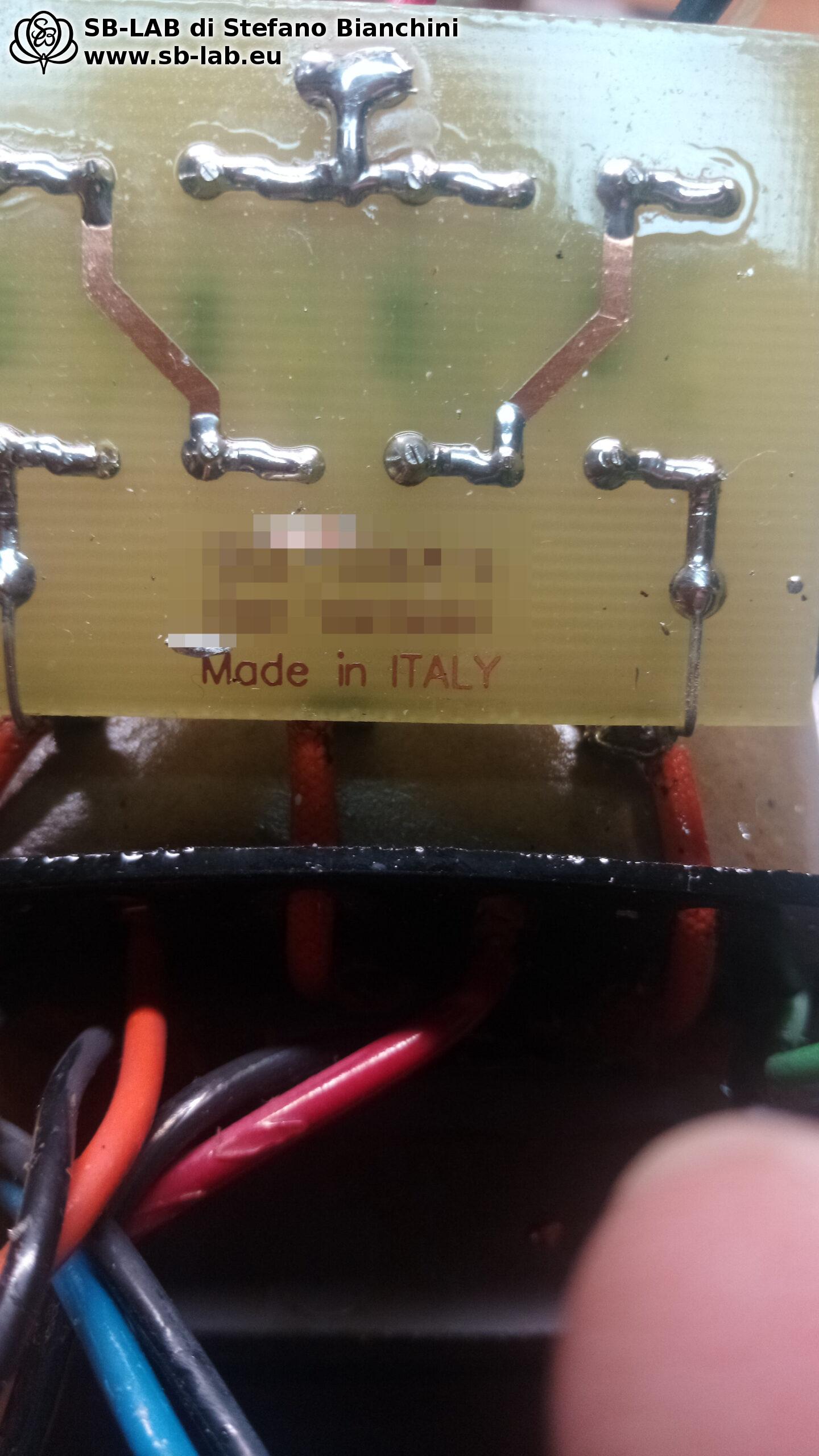
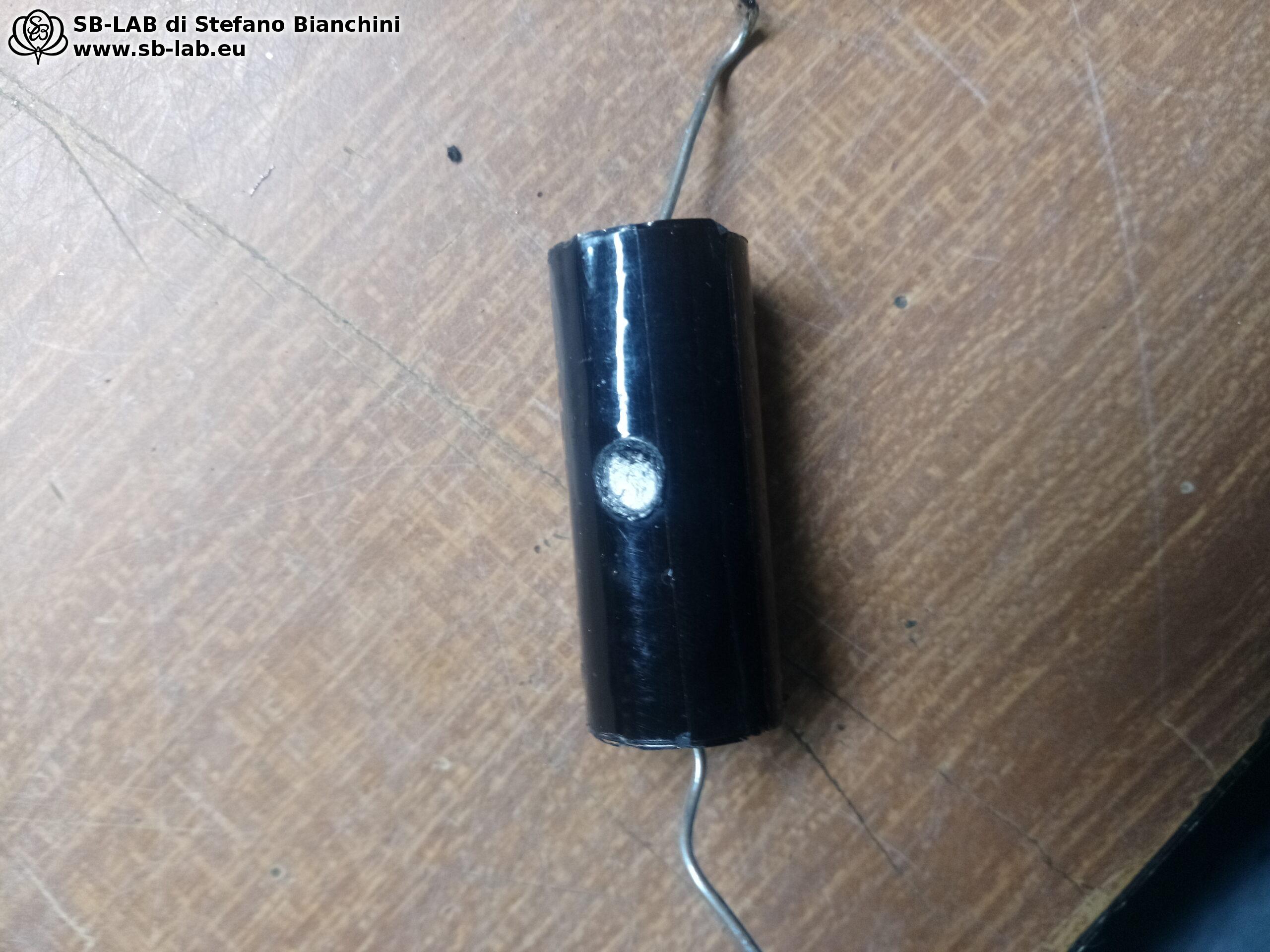
Damaged components: further red flags.
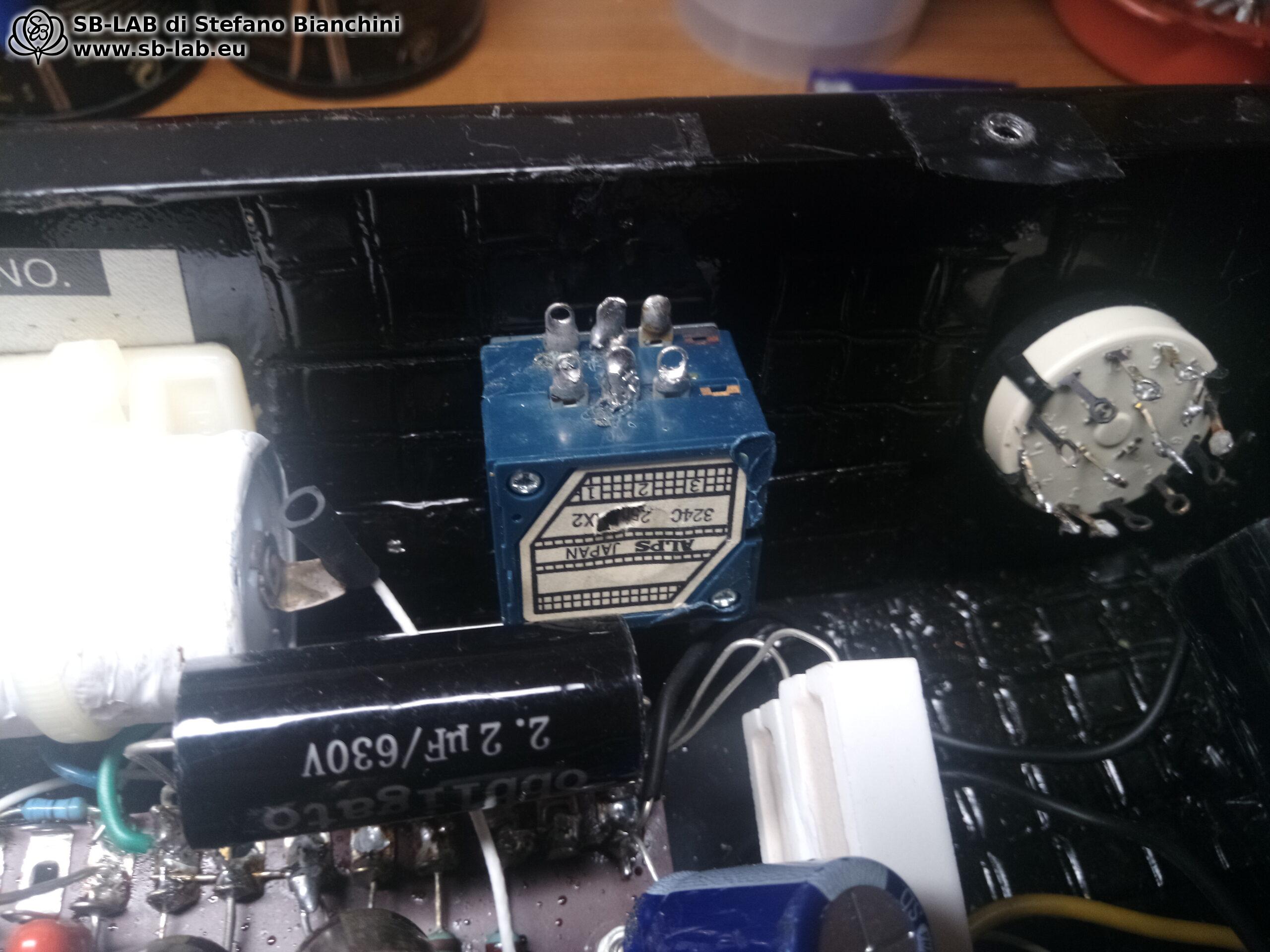
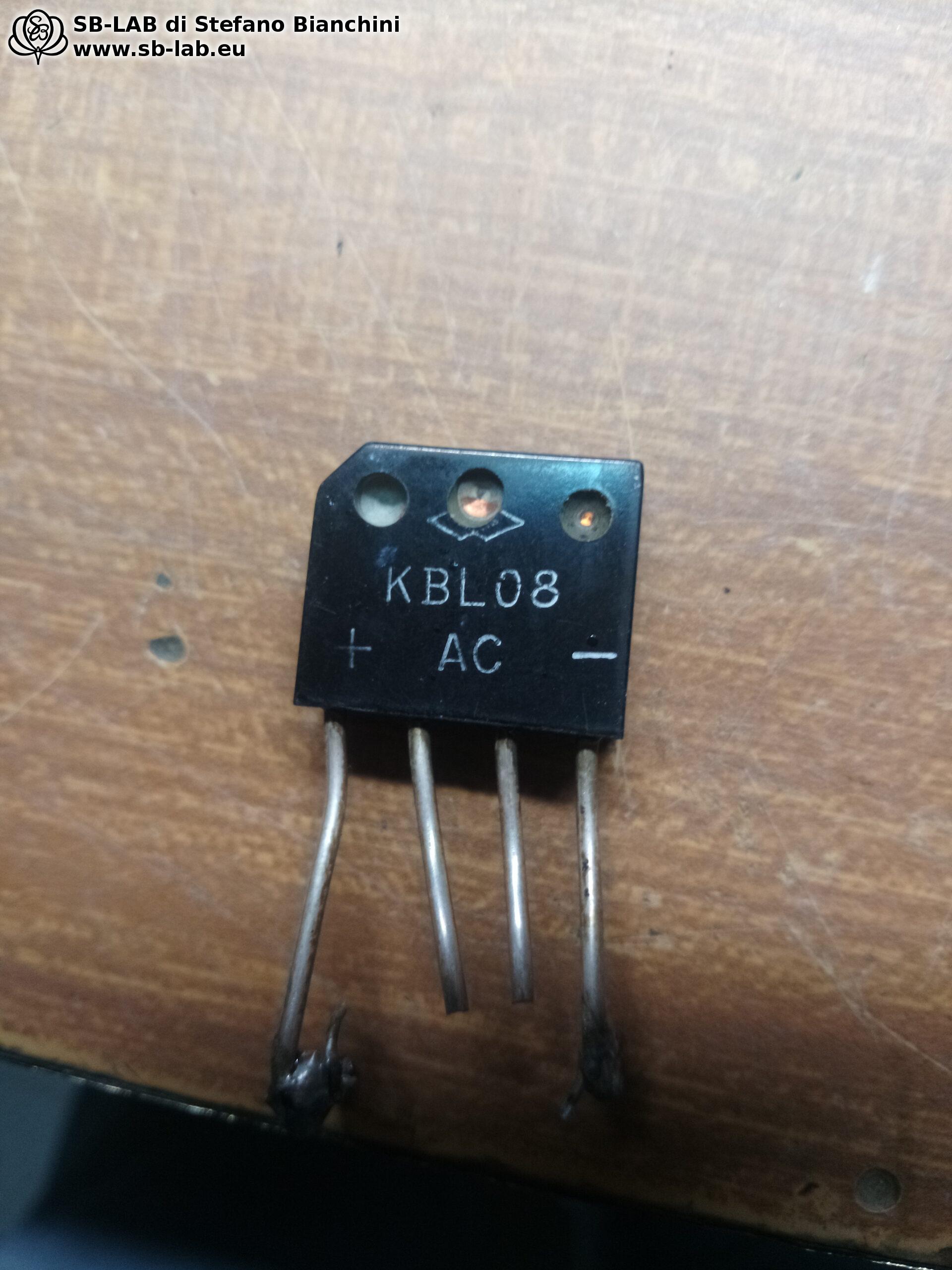
In such cases, restoration takes time: reconstructing the schematic, distinguishing original parts from later interventions, cleaning, mechanical refastening, replacing damaged sockets and binding posts, redesigning the power-supply section with values and topology suited to the actual load. (In the photo, a diode bridge deliberately drilled through with a power drill—no one knows why, and of course there is no sensible reason to do such a thing.)
The very first thing I did…
The work consisted of restoring functionality and safety: revising the power-supply topology, correctly sizing chokes and capacitors, managing ground returns, mechanical fastenings, and replacing damaged sockets, binding posts and front-panel controls. Where necessary, quality NOS components (e.g., polystyrene) were used in place of improper or poorly secured parts.
Sci-fi and paranormal audio gear
Presenting the Quantum Meta-Analog Amplifier with Epigenetic Resonance: the end of the numbers era, the beginning of Total Harmony.
Only physico-metaphorical resonance transformers (kilometers of wire wound on a diamagnetic core), no active components, no passive components: the sound self-organizes. Quantum delta post-accelerator to align digital and analog; epigenetic stabilizer that “educates” the current without touching it. Cosmic notch and response “beyond audibility”: the walls disappear. Poof!Note: satirical blurb; any reference is arbitrary and purely coincidental.
Almost always these are scripts to sell expensive boxes. No names: this applies to anyone who uses mysticism (quantum, epigenetic & co.) instead of engineering.
Practical rule (very short):
- If there’s no schematic, repeatable measurements, and internal photos, it’s hand-waving—walk away.
- If they talk about “quantum/epigenetic energies,” walk away.
- If they promise miracles “without components” or with “magical” objects, walk away.

Better a normal amp that’s well designed and measured than a living-room talisman.
Closing: and if I’ve already bought an “unpresentable” one?
It happens. And yes, it stings. But don’t make it worse: don’t try to pass the dud on to someone else. That only fuels the idea that Hi-Fi is full of rip-offs. Better to stop here and clean things up properly.
What you can do (practical and brief):
- Quick assessment: get a serious restoration estimate. If the cost exceeds ½ the value of an honest unit, it’s not worth it.
- Selective dismantling: salvage what makes sense (tubes, good sockets, knobs, chokes; transformers only if genuinely valid; chassis if sturdy). Recycle the rest.
- Start from sound foundations: better a simple but correct project than a “contraption” rebuilt three times. Consider an inexpensive unit to optimize with a competent technician or, if the budget is extremely tight, a small T-amp: it’s not tubed, but it will sound cleaner than a lot of fluff.
- Learn the BS filter: internal photos, credible measurements, solid construction > slogans and shiny bits.
Trade-in/Disposal Service:
With the SB-LAB trade-in program we evaluate the unit, recover only the good parts (if it makes sense), and offer you a clean path: serious restoration or credit toward a reliable project. Find out procedures, timelines, and what’s needed for evaluation on the Trade-in page.
Quick answers
- I want to spend very little but have a “real” tube amp: keep your money. You’ll likely just waste it.
- Budget ~€1000: avoid the expensive “queens” (2A3, 300B, 845, 211) and ultra-power units. Look for 10–15 W well designed, tidy wiring, serious transformers; forget esoteric attenuators and silver solder as buying criteria.
- I specifically want a 2A3/300B/845/211 “done right”: it’s possible, but not under €1000 (often well beyond) or it’s a heavy compromise.
Moral: A well-built amplifier with decent transformers, even with the humblest TV tube, will sound better than a poorly made unit stuffed with grandiose names. Full stop. And no “passing the buck”: quality is also defended with ethics.