I was entrusted with the task of overhauling and measuring the Line Magnetic Audio LM210IA tube amplifier. In the vast world of tube amplification, this model stands out, particularly for its use of the 300B. The 300B, originally introduced back in 1933, has a rich history, first used in telephone repeater stations and later adopted in the audio industry as the reference tube for hi-fi systems. Line Magnetic Audio, a company based in Guangdong province, China, stands out for the passion of its two founding brothers for Western Electric theater amplifiers. Their activity began with the repair and restoration of these amplifiers, then evolved into the design of their own amplifiers, mainly using Western Electric tubes.
The LM210IA model, which is the subject of my attention, represents a combination of tradition and modernity. Its imposing aesthetics, with a robust aluminum front panel and high quality controls, are matched by a tube layout that includes the 300B for output, the 310B for input, and two 12AX7 for the input stage. The variety of inputs and the multiple impedance speaker terminals reflect a continuous commitment to producing high quality audio equipment.
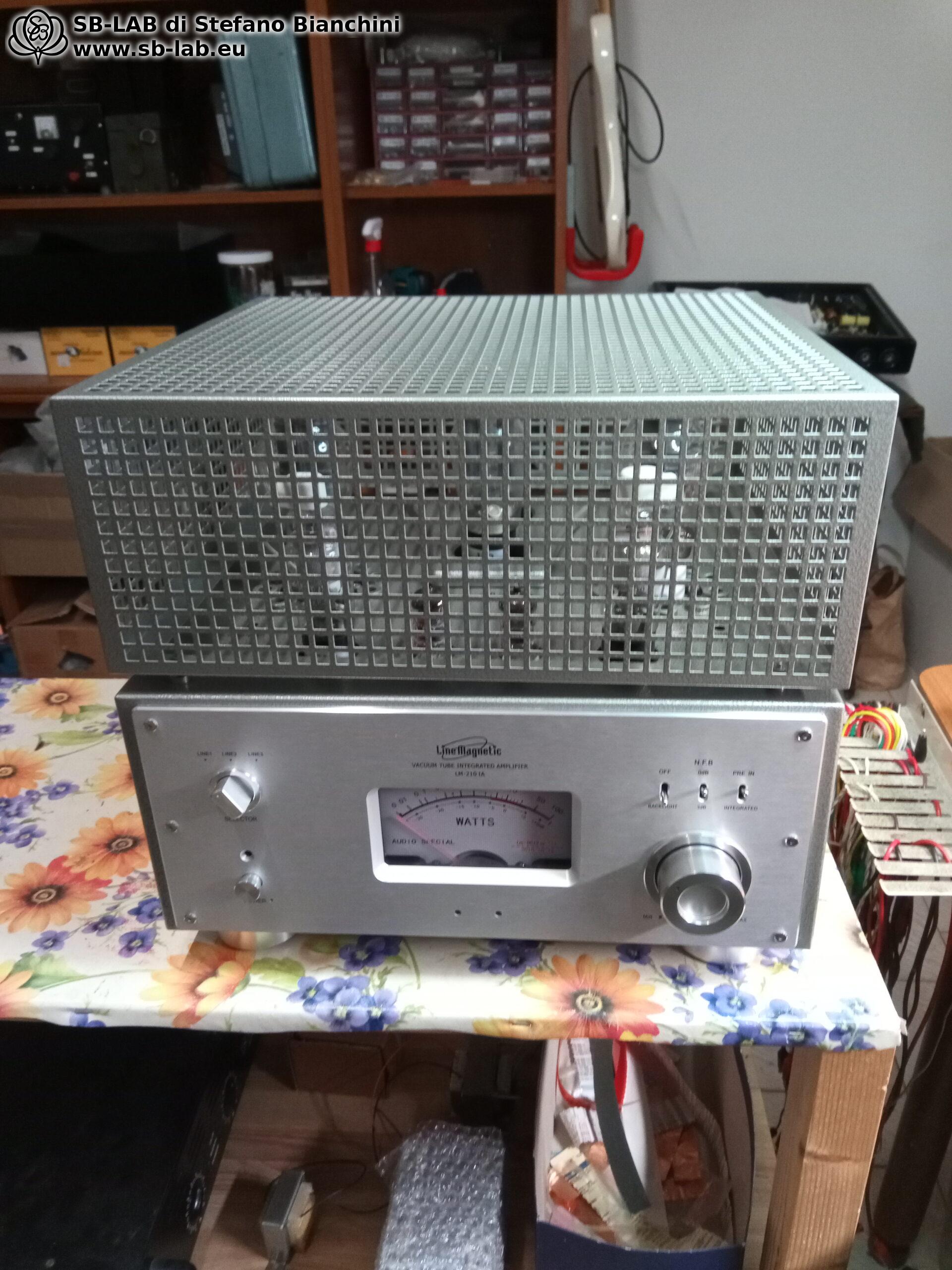
The repair journey of the Line Magnetic Audio LM210IA amplifier began when the customer, an audio enthusiast, purchased it used online. Brought into my laboratory for a careful inspection, the amplifier showed some issues, including a pair of banana speaker terminals that had come loose and required tightening of the retaining nut. In addition, I noticed that ECC82 tubes were installed, contrary to what was specified by the manufacturer and shown in online images, which indicated ECC83 tubes. The seller claimed that the amplifier originally came new with ECC82 tubes installed, but the quality of the supplied tubes raised doubts. As a result, the customer requested an analysis of the circuit to confirm whether it was designed to accept ECC82 or ECC83 tubes.
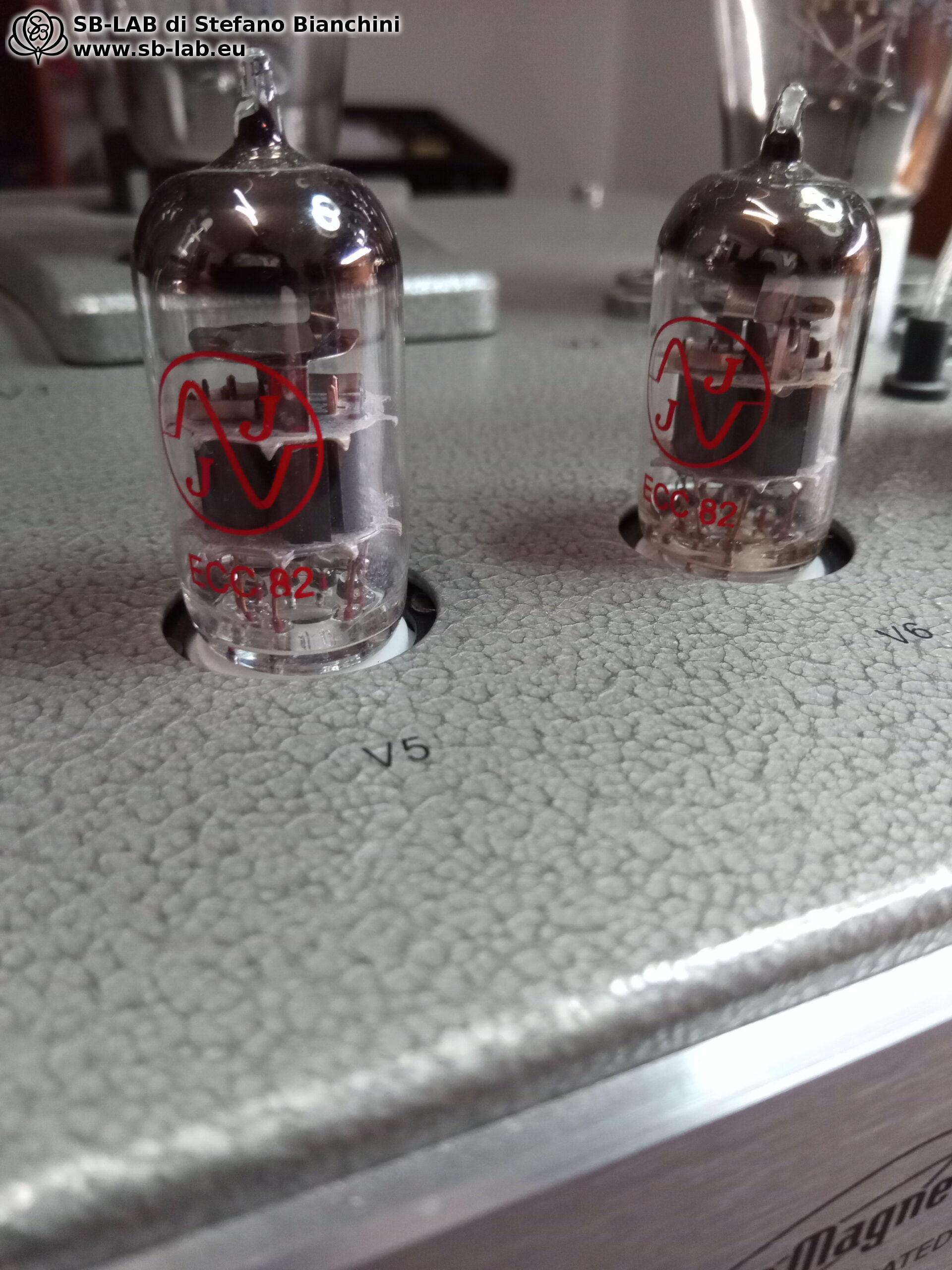
After carefully examining the inside of the amplifier, I noticed that the anode load resistor of the ECC8x tube was 220k, while the cathode resistor was 3k. This configuration suggested a bias at an extremely low current, even for an ECC83. Without any doubt, the circuit was designed to accept ECC83 tubes. Installing an ECC82 would have forced the tube to operate under extreme conditions, at the edge of cutoff, causing heavy distortion and probably a roll-off of the high frequencies.
In addition, I would like to point out how often some audiophiles make random modifications to their equipment, such as replacing tubes without proper understanding, compromising the performance of the device.
In search of the most faithful distortion, TATTARATAAAA…

Certain individuals in the audio world, perhaps driven by the pursuit of an elusive “improvement”, end up manipulating elements without fully understanding their implications. In this case, it appears that the seller who sold the amplifier provided incorrect information and could have negatively influenced the customer’s listening experience. It is essential to emphasize the importance of deep knowledge and careful maintenance in order to preserve the integrity of audio equipment and ensure an optimal listening experience.

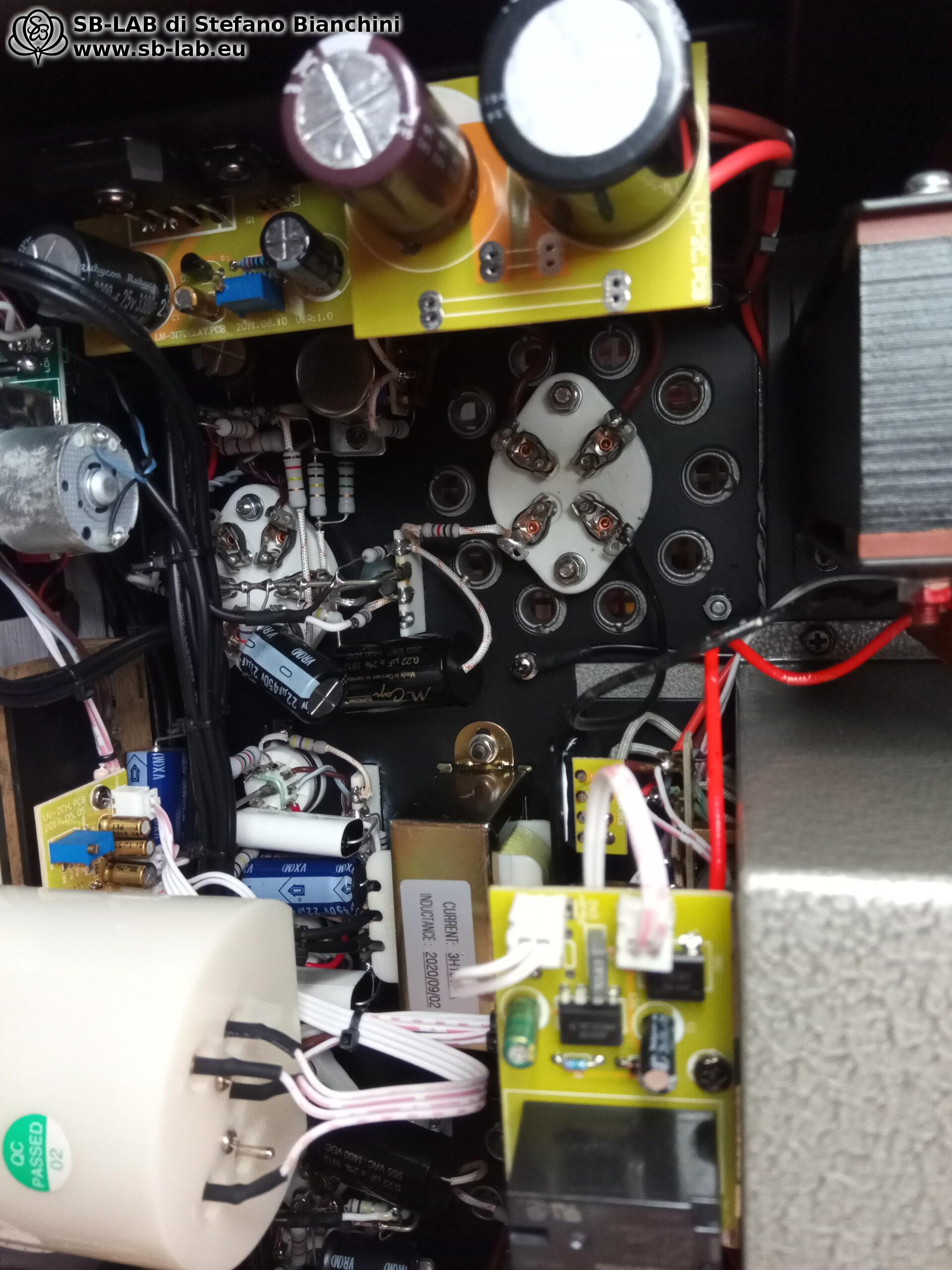
When evaluating the architecture of this amplifier, a critical consideration emerges regarding the internal layout. Contrary to the traditional arrangement that places transformers on top of the chassis, creating a more compact and accessible design, the current configuration of this amplifier seems to follow a more unusual approach.
Looking inside, one encounters a real labyrinth of components, with transformers located inside the chassis. This approach of stacking elements in an intricate way, in addition to compromising accessibility, raises concerns in the event of maintenance needs. Imagine the challenge of replacing one of those Chinese quality electrolytic capacitors, hidden among the folds of this layout, having to reach in with one hand to grab the component and the soldering iron in the other. In such a scenario, one would face a real challenge, enough to make you want to cry.
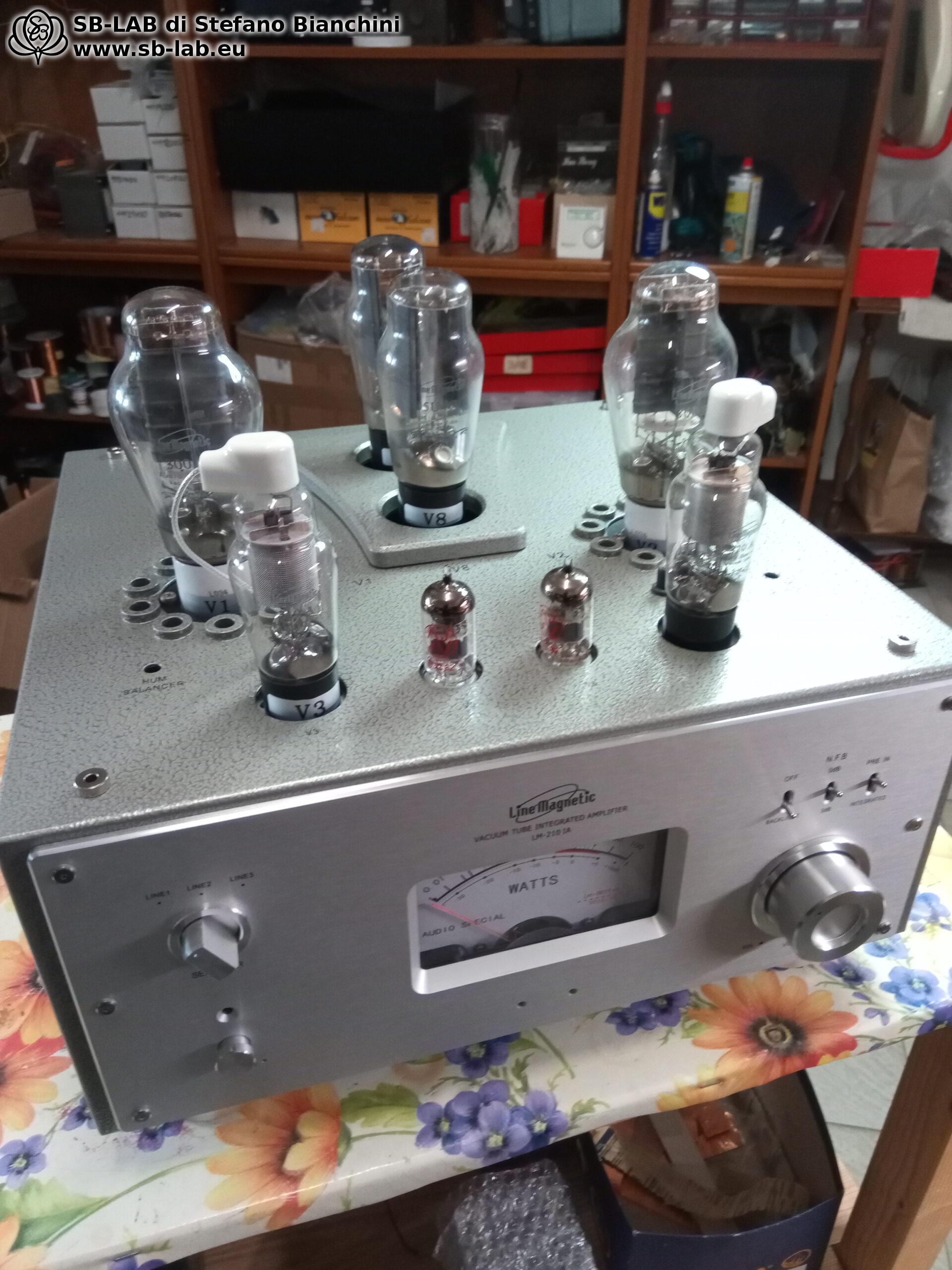
A more orderly and accessible design would not only have made maintenance operations easier, but would also have improved the overall efficiency of the device, ensuring greater practicality for those working on the equipment. Functionality and accessibility, in fact, should be priority aspects in the construction of devices intended for long-term use and, inevitably, for periods of maintenance and repair.
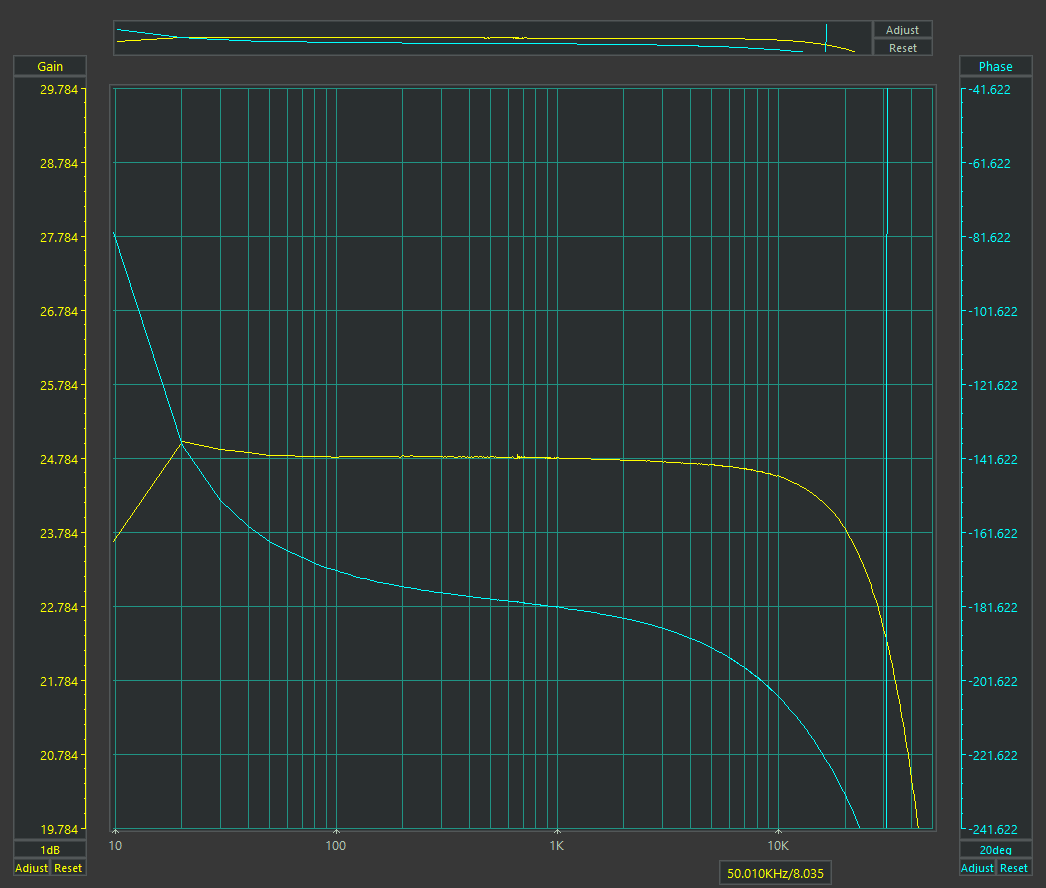
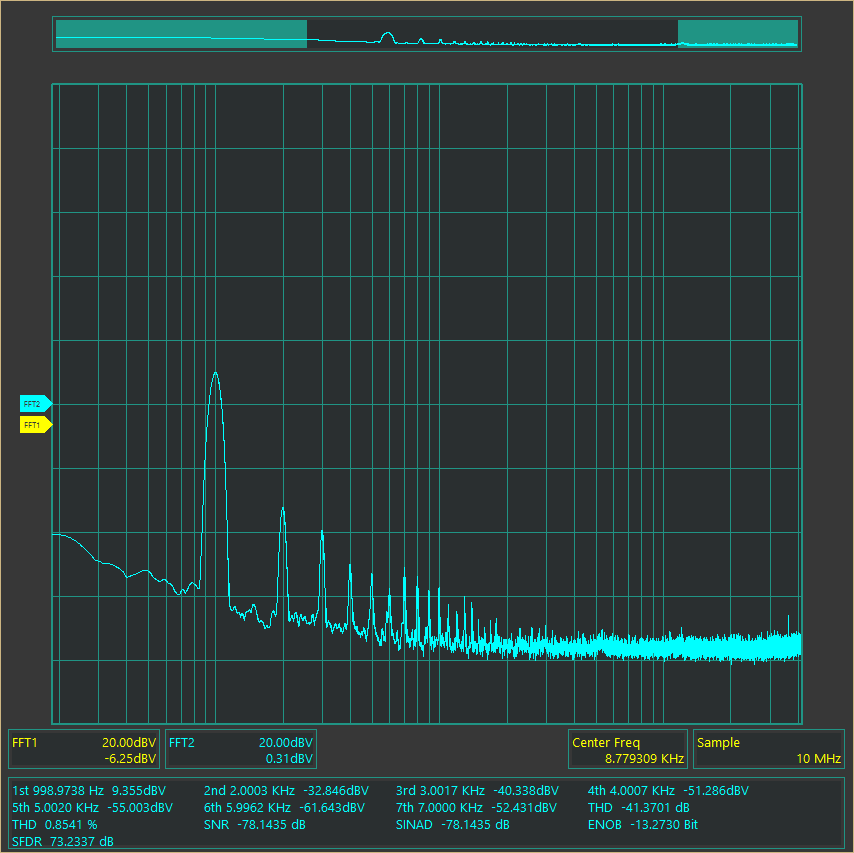
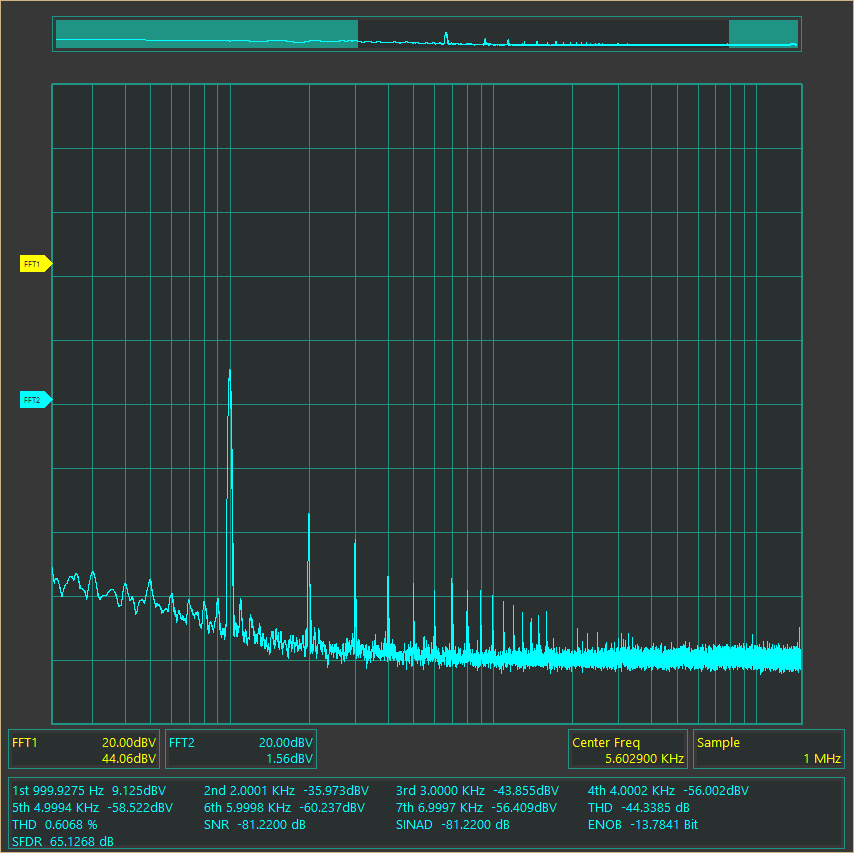
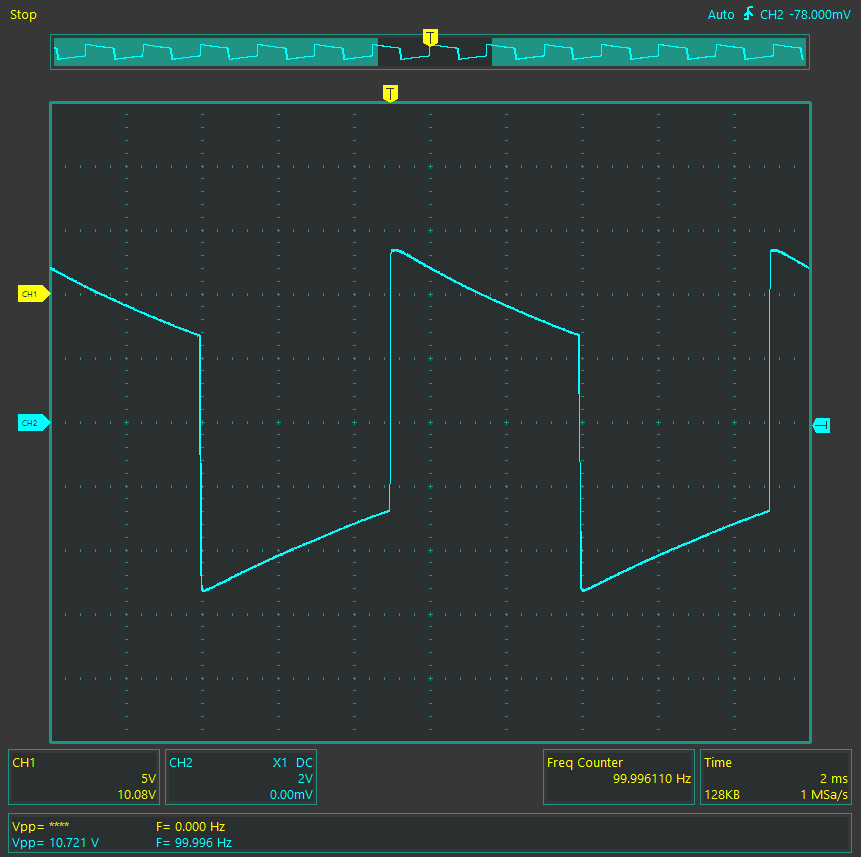
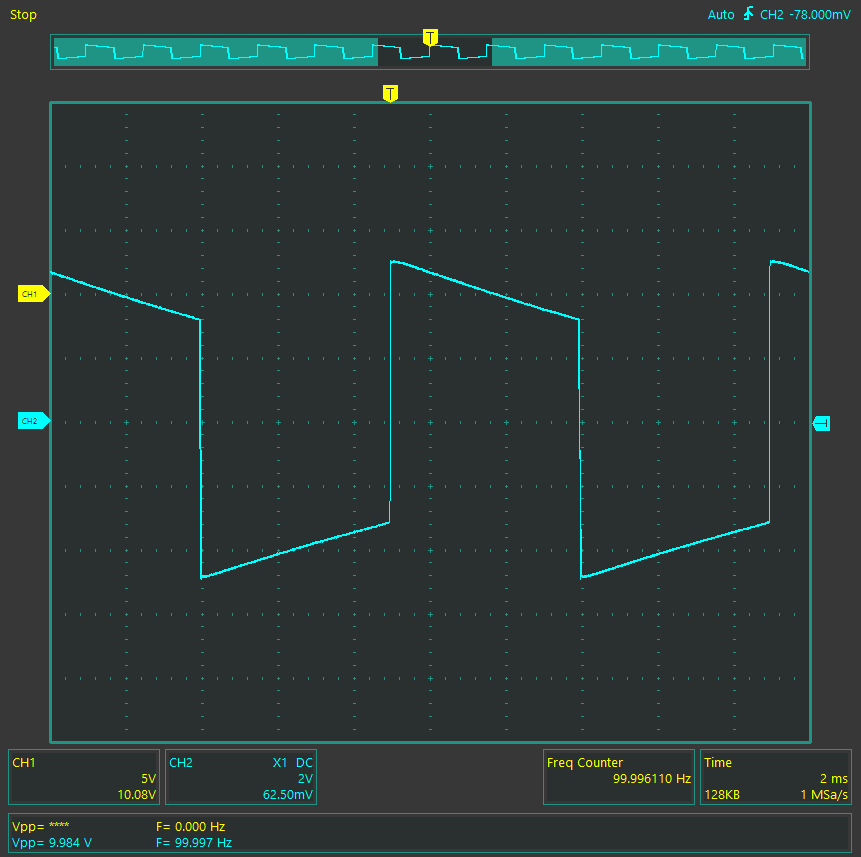
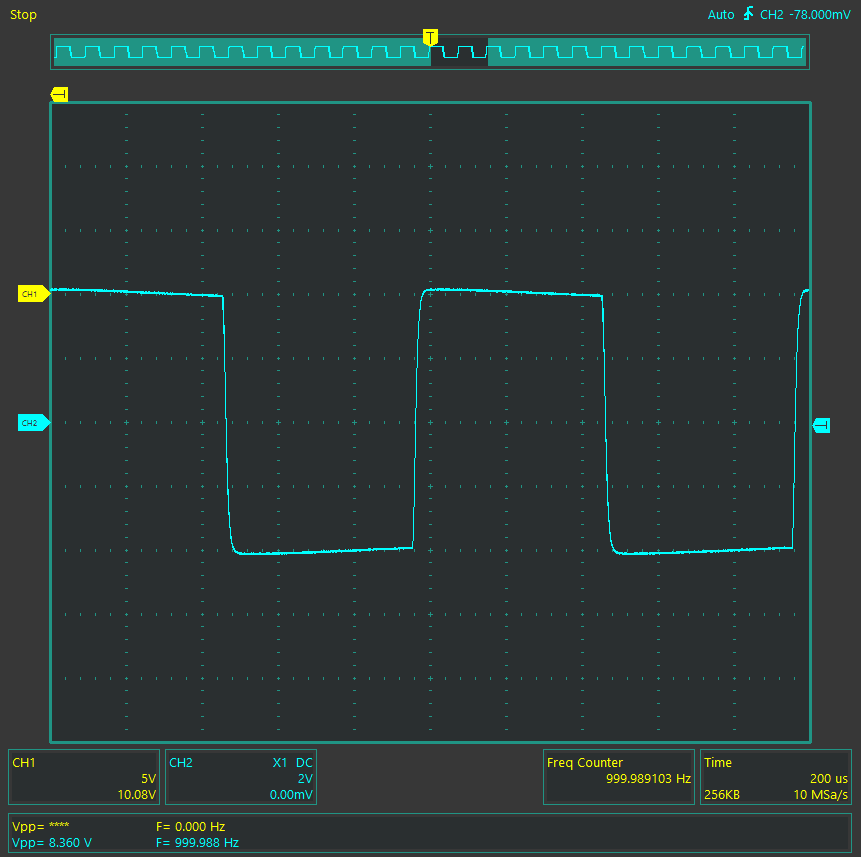
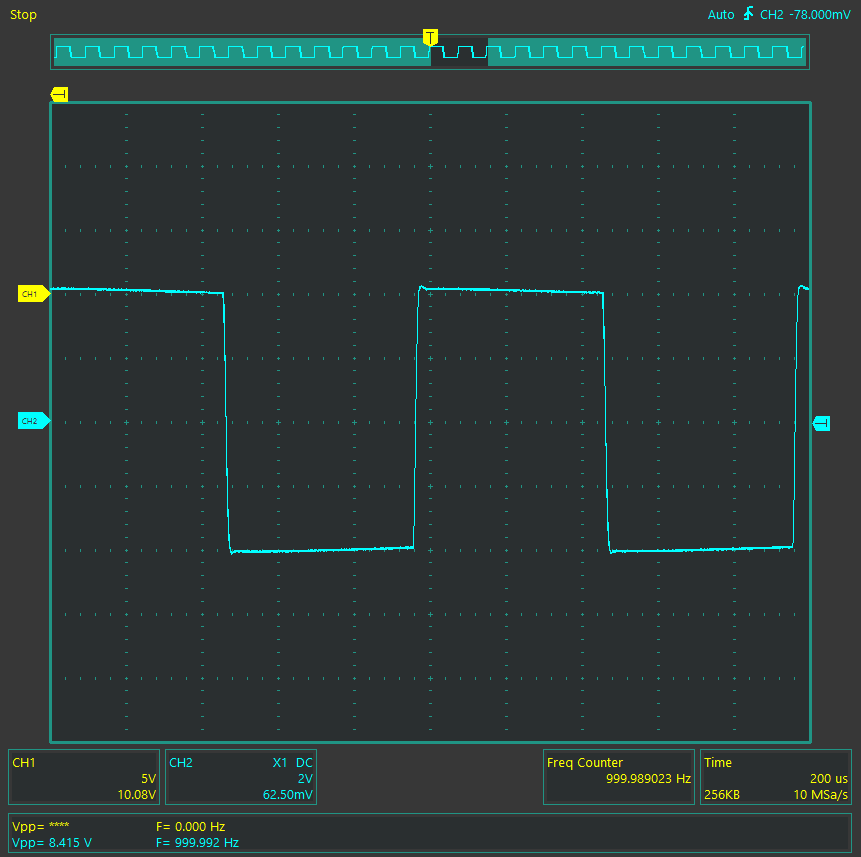
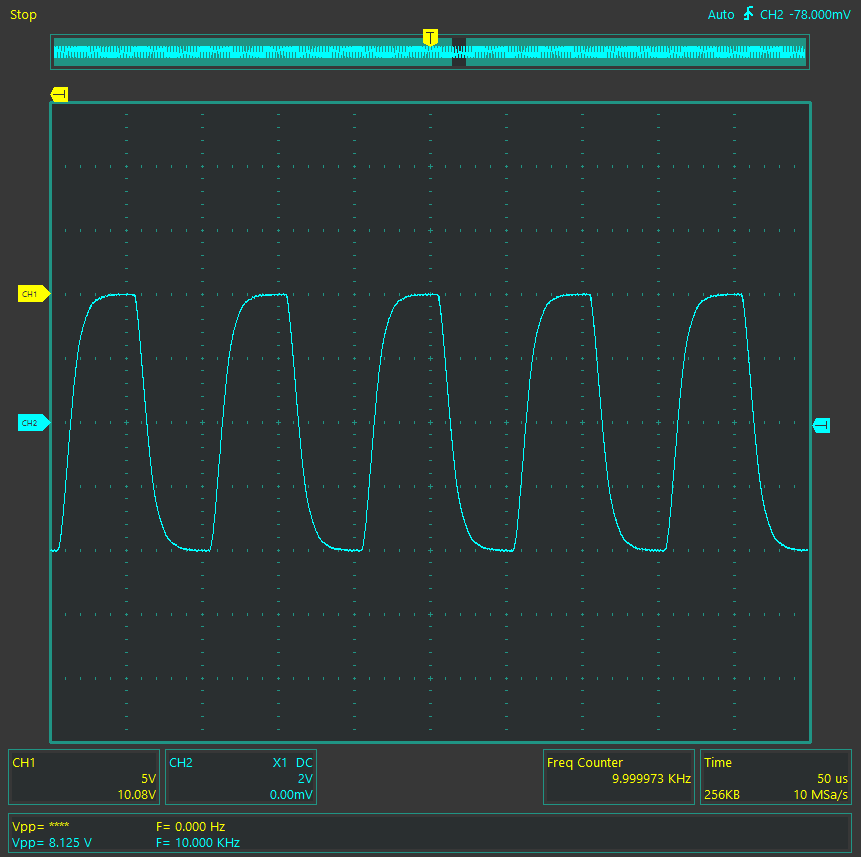
Let us now move on to the measurement of instrumental performance, using the tubes originally installed in the unit, which, although not new, still maintained good efficiency. I therefore confirm that the 8 watts declared by the manufacturer are indeed present, with the possibility of reaching even 9 watts under deep clipping conditions. The maximum undistorted power recorded is 6.23 watts RMS without feedback and 6.85 watts with feedback engaged. As for damping, it measures 2.4 with the selector set to zero feedback and 4.3 with the selector set to 3 dB of feedback. Below are the graphs related to the two operating modes.
| BP Zero Feedback | BP with Feedback |
 |
 |
| THD Zero Feedback | THD with Feedback |
 |
 |
| Square wave 100Hz zero Feedback | Square wave 100Hz with Feedback |
 |
 |
| Square wave 1kHz zero Feedback | Square wave 1kHz with Feedback |
 |
 |
| Square wave 10kHz zero Feedback (I mistakenly set a different time scale). | Square wave 10kHz with Feedback |
 |
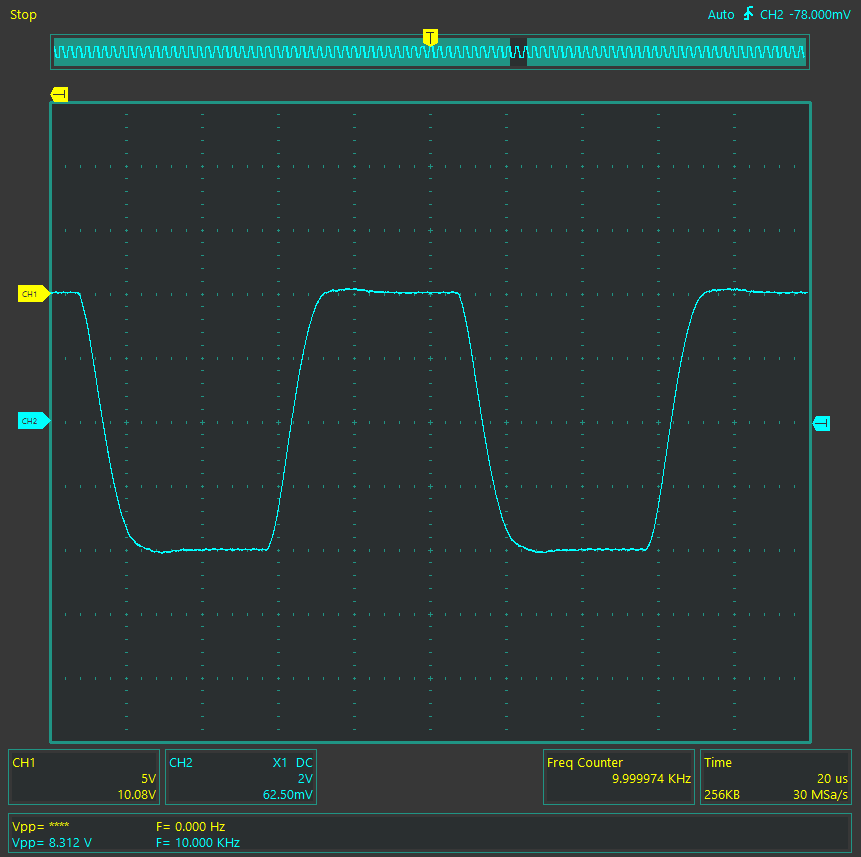 |
Once again, I would like to point out that, even though the power is set to 1 watt, at zero feedback the distortion is always higher compared to the feedback condition. This once again highlights that it is not true that the presence of feedback increases distortion at low power levels. I can also inform you that, when the customer delivered the amplifier to me, he stated that when set to zero feedback, the bass sounded bloated, loose, and annoying. Certainly, with the presence of the ECC83 and a damping factor of just over 2, this characteristic can only persist. Therefore, if you want to use it with zero feedback, it is advisable to use loudspeakers that naturally roll off the low frequencies, such as single-driver speakers, horns, and similar designs.