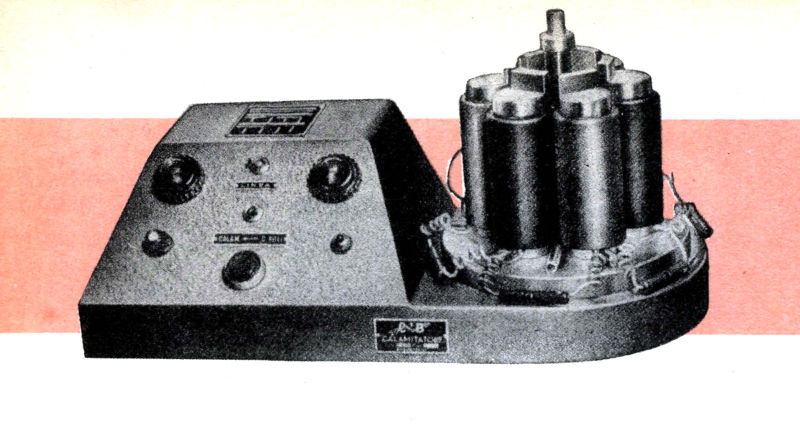
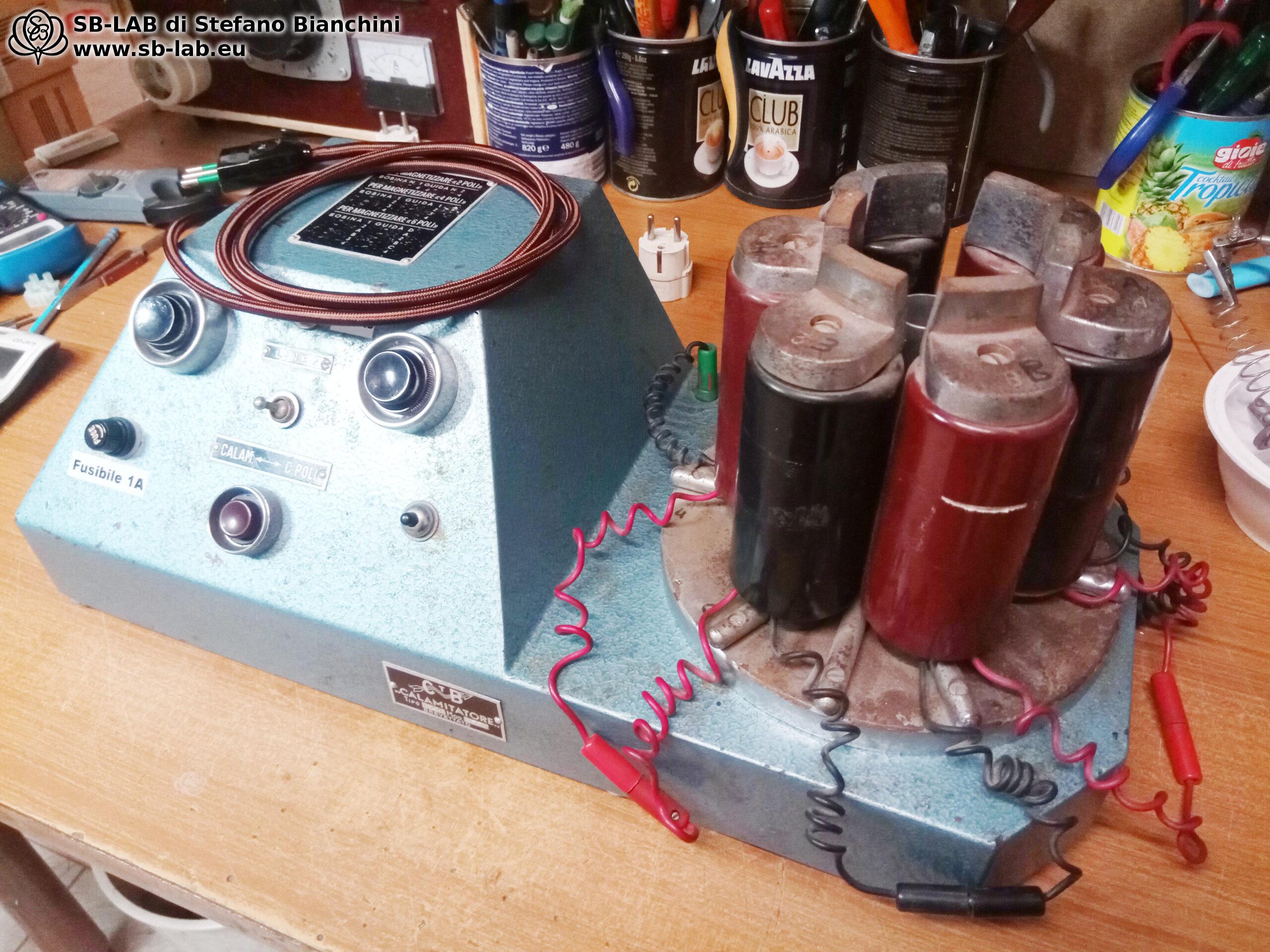
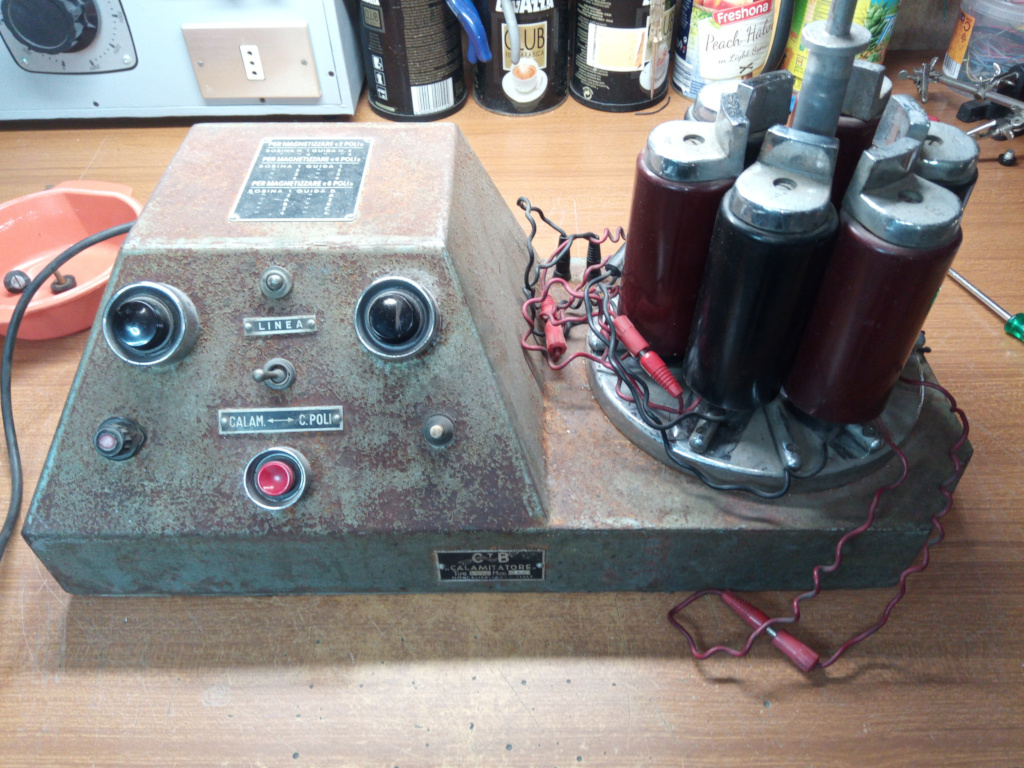
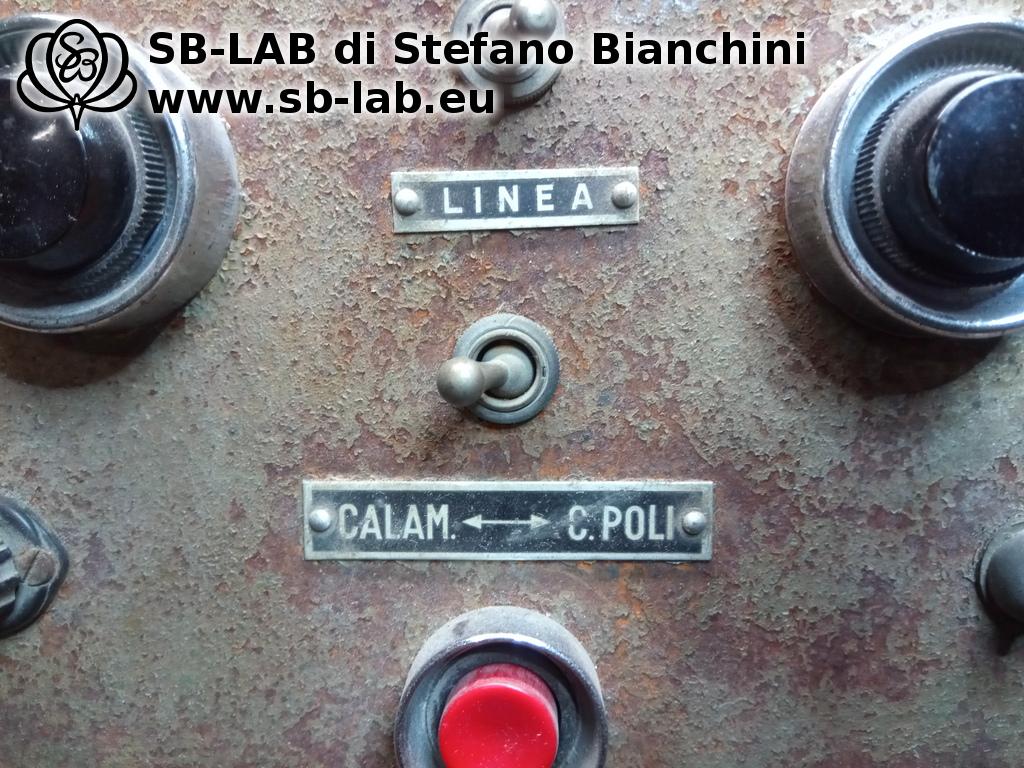
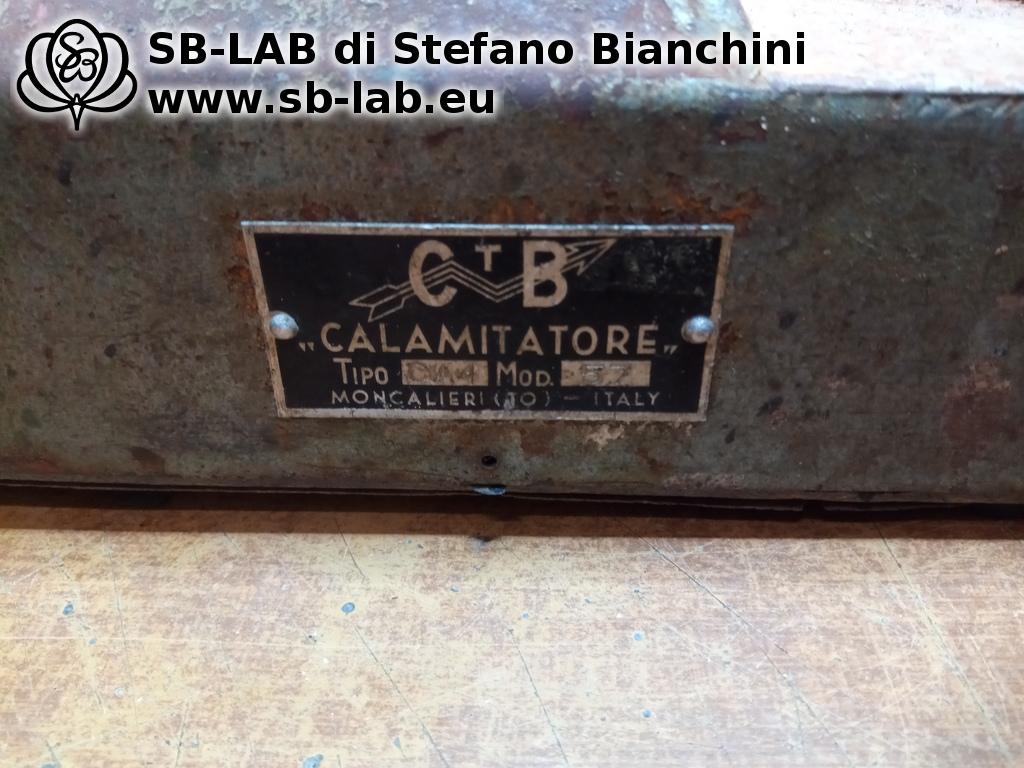
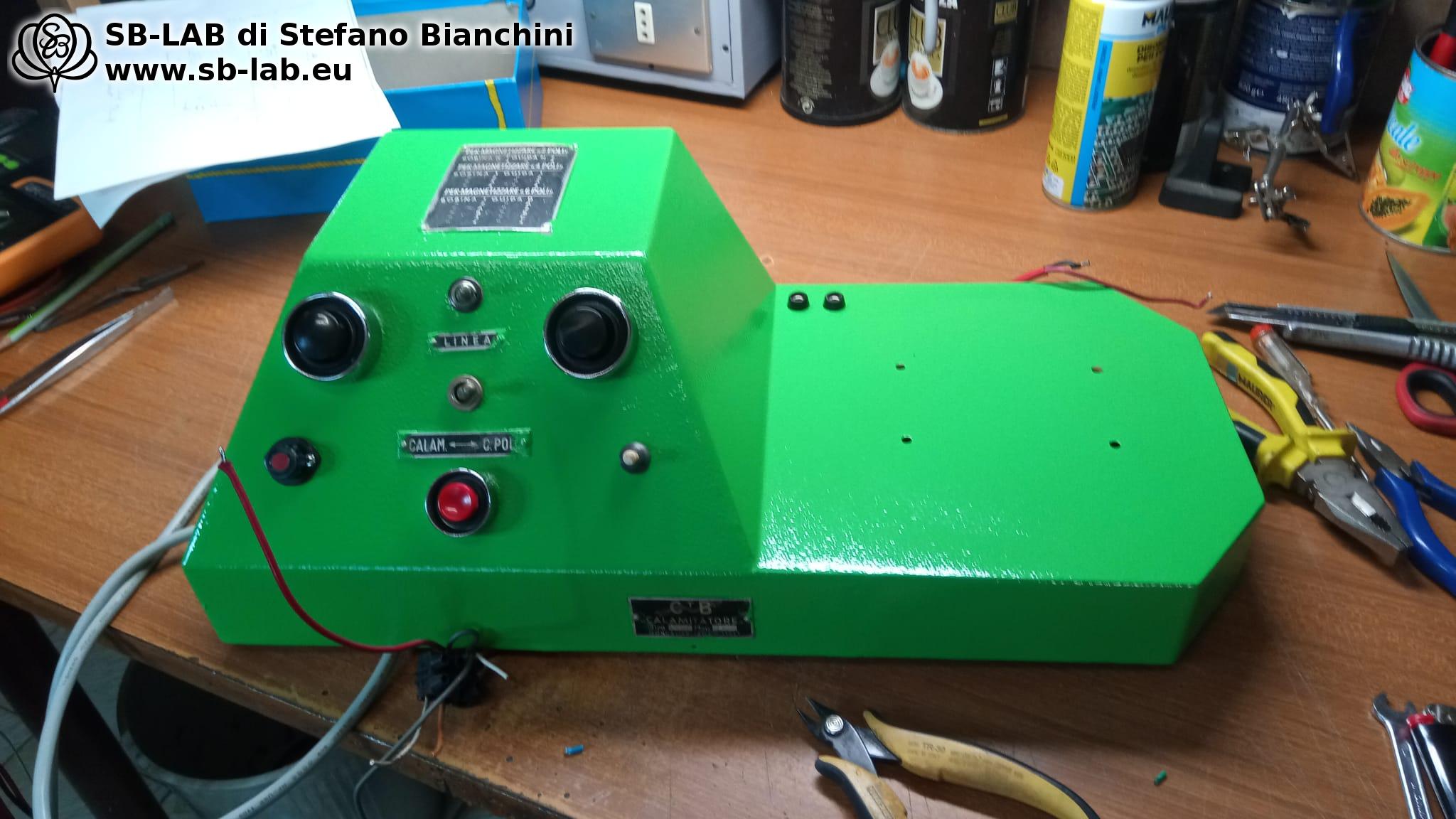
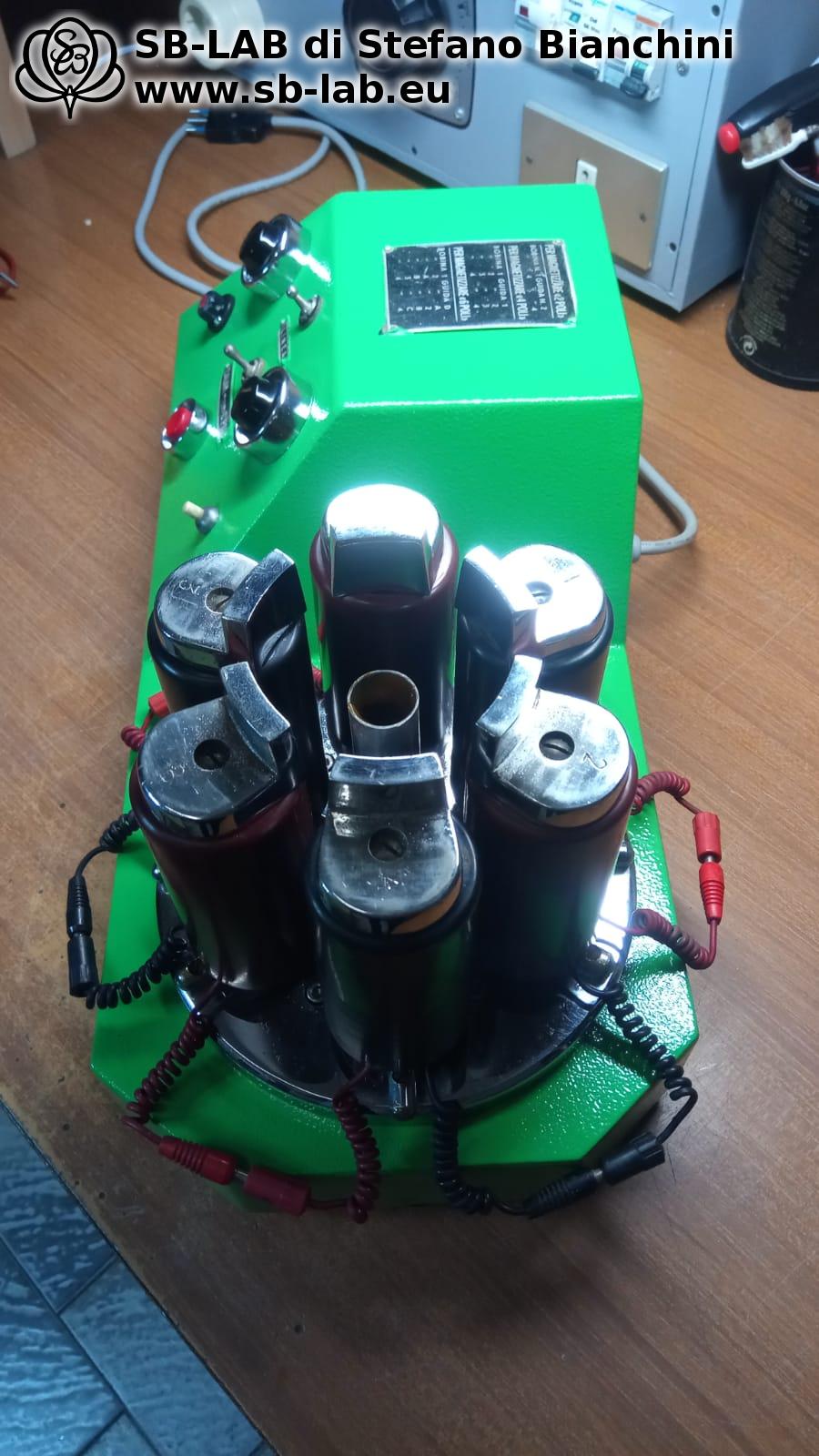
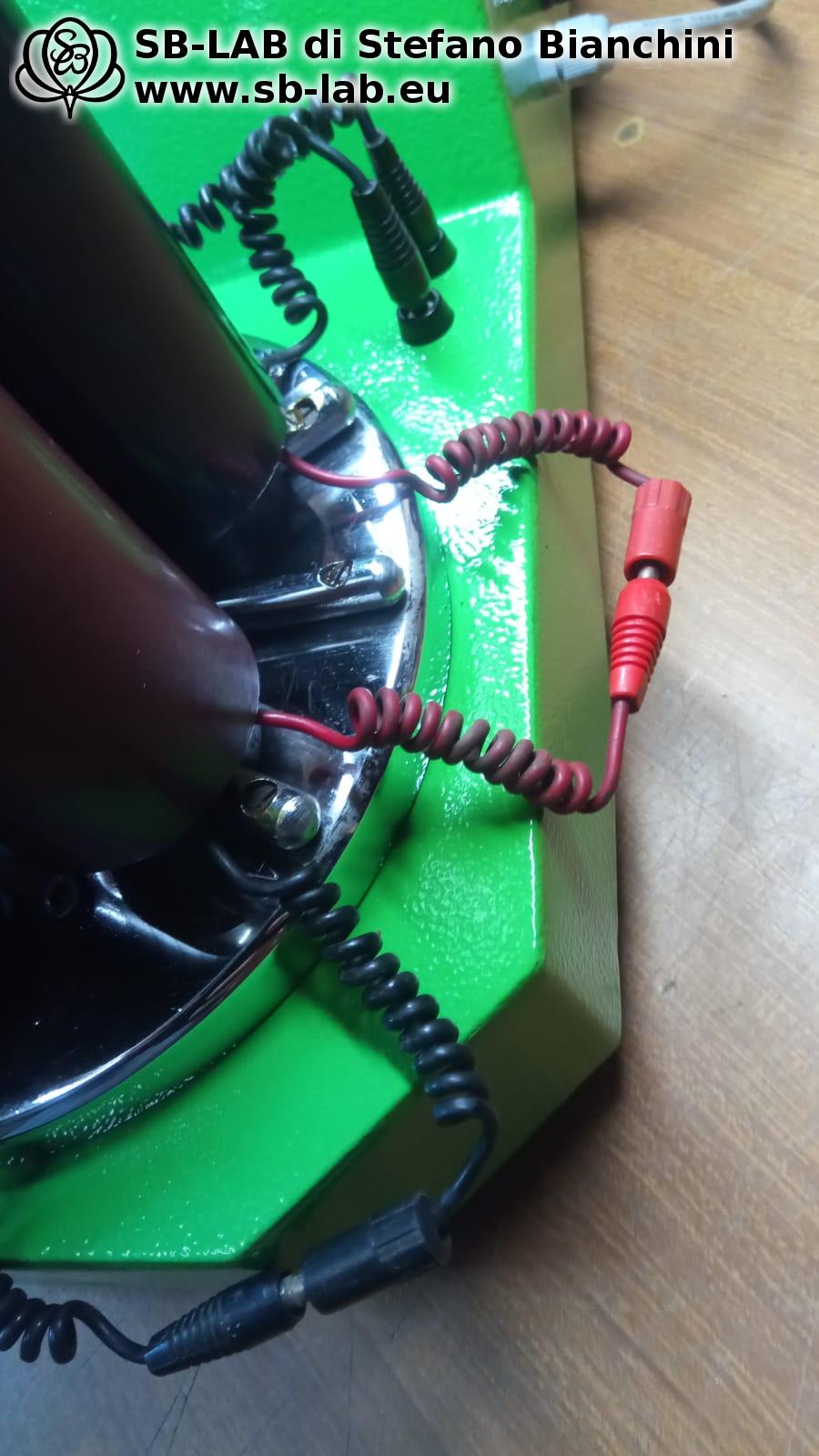
A few weeks ago I was handed, by the owner of a workshop specialized in the restoration of vintage motorcycles, in particular the legendary Piaggio Vespas, a CTB Analyzer type AB model 80.
Anyone who works on contact breaker ignitions and old style electrical systems knows this well: when the engine does not start, when the spark is weak, or when bulbs keep blowing for no apparent reason, the problem is rarely “magical”. A method is needed, and a tool that allows faults to be isolated without dismantling half the vehicle. In the 1950s and 1960s, before digital multimeters became common and before workshops filled up with modern electronics, the role of all purpose diagnostic tool was often entrusted to instruments like this AB-80, designed to give quick and repeatable answers directly on the bench.
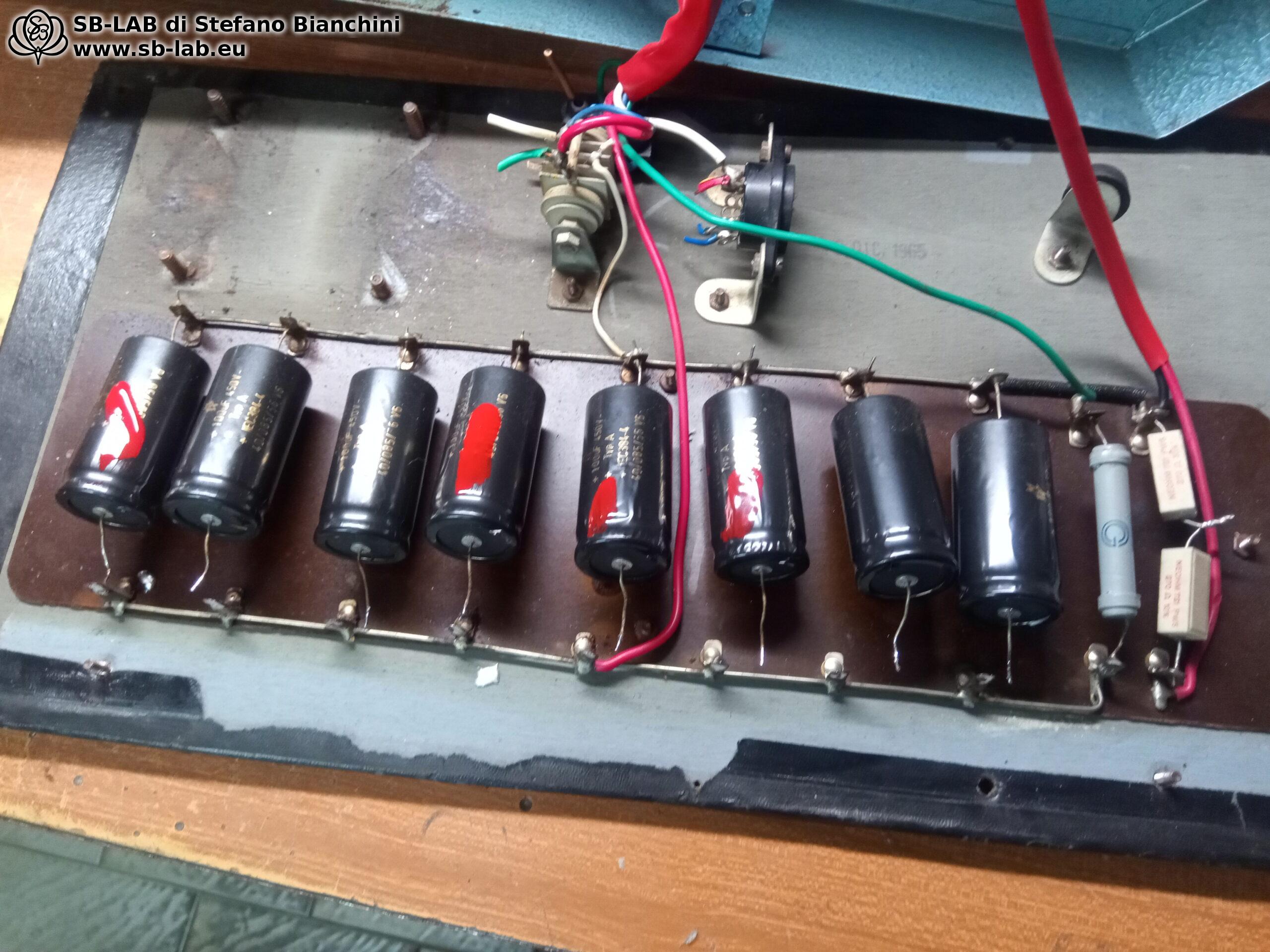
The AB-80 is, in practice, a coil tester and workshop analyzer in a suitcase format, built to withstand daily use and to be understandable even without complicated manuals. With selectors, indicator lamps and dedicated terminals, it allows checks to be carried out on various electrical subsystems typical of vintage motorcycles and mopeds: wiring continuity, short circuit detection, verification of correct operation of bulbs and loads, capacitor tests and, above all, testing of the high voltage ignition coil, that is the component which, when degraded, can turn an apparently “healthy” Vespa into a nightmare of misfires, backfires and inconsistent sparks.
What is interesting today is that these devices are not just “shelf objects” good for decoration in a workshop. If correctly restored, they become extremely useful tools again. They allow measurements to be repeated with the same logic used at the time, and therefore to diagnose faults typical of contact breaker systems with an approach consistent with the technology of the era. In addition, they have a huge practical advantage: the interface is immediate. Instead of chasing abstract values on a display, you work with dedicated tests and clear indications, specifically designed for coils, capacitors and simple but treacherous circuits.
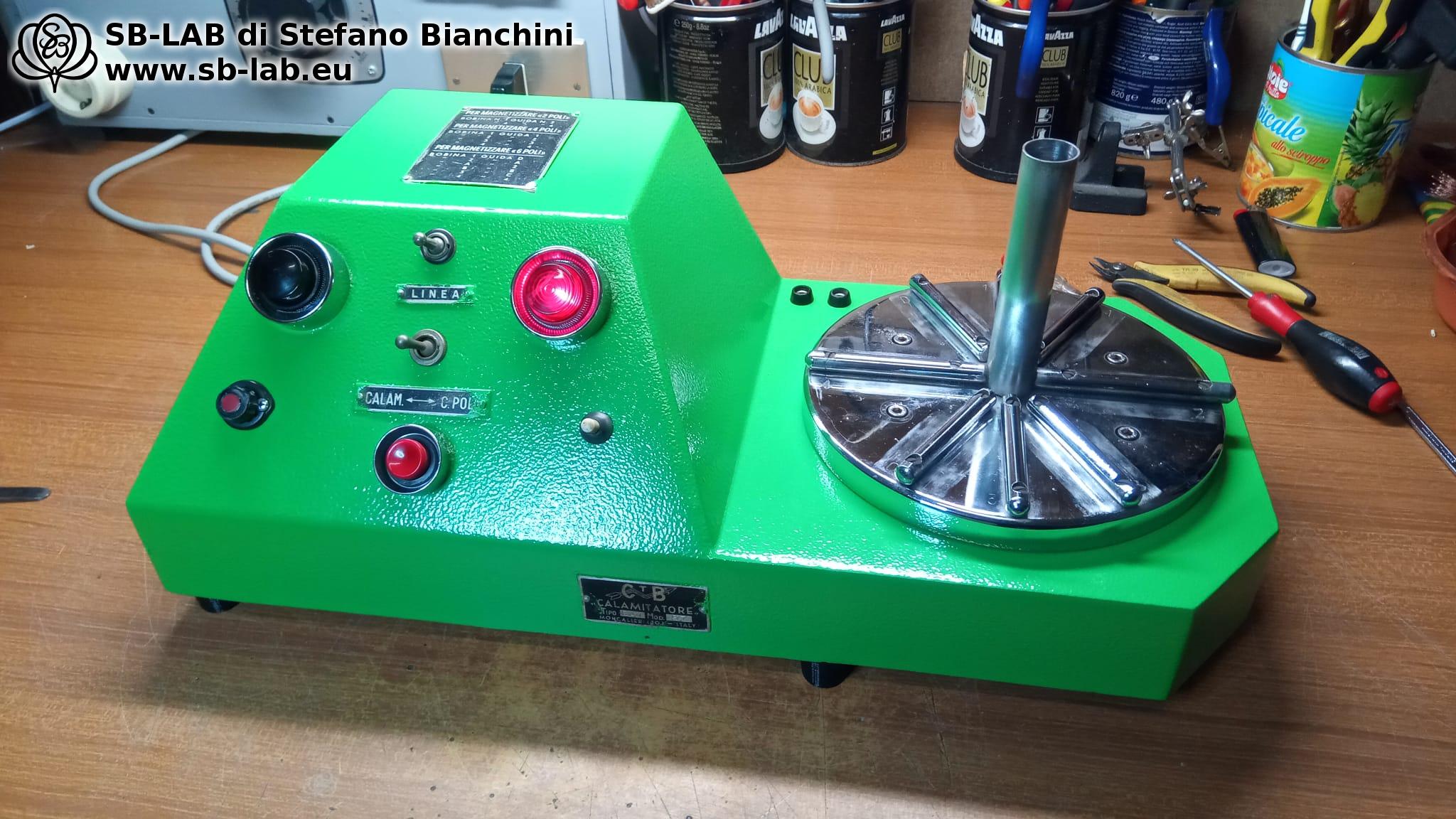
The unit arrived together with a CTB magnetizer, whose complete story you can read at this address. Both devices came from a recovery and had been abandoned for at least fifty years.
When we say “recovery”, here we really mean recovery: years of inactivity, storage, humidity, dirt, oily residues and, as often happens, the classic temptation to connect everything to 230 V “to see if it works”. It is an understandable gesture, but on devices that have been idle for decades it is almost always the perfect recipe for turning a possible restoration into a serious failure. In the case of the AB-80, unfortunately, this is exactly what had happened before it reached my bench.
Initial conditions
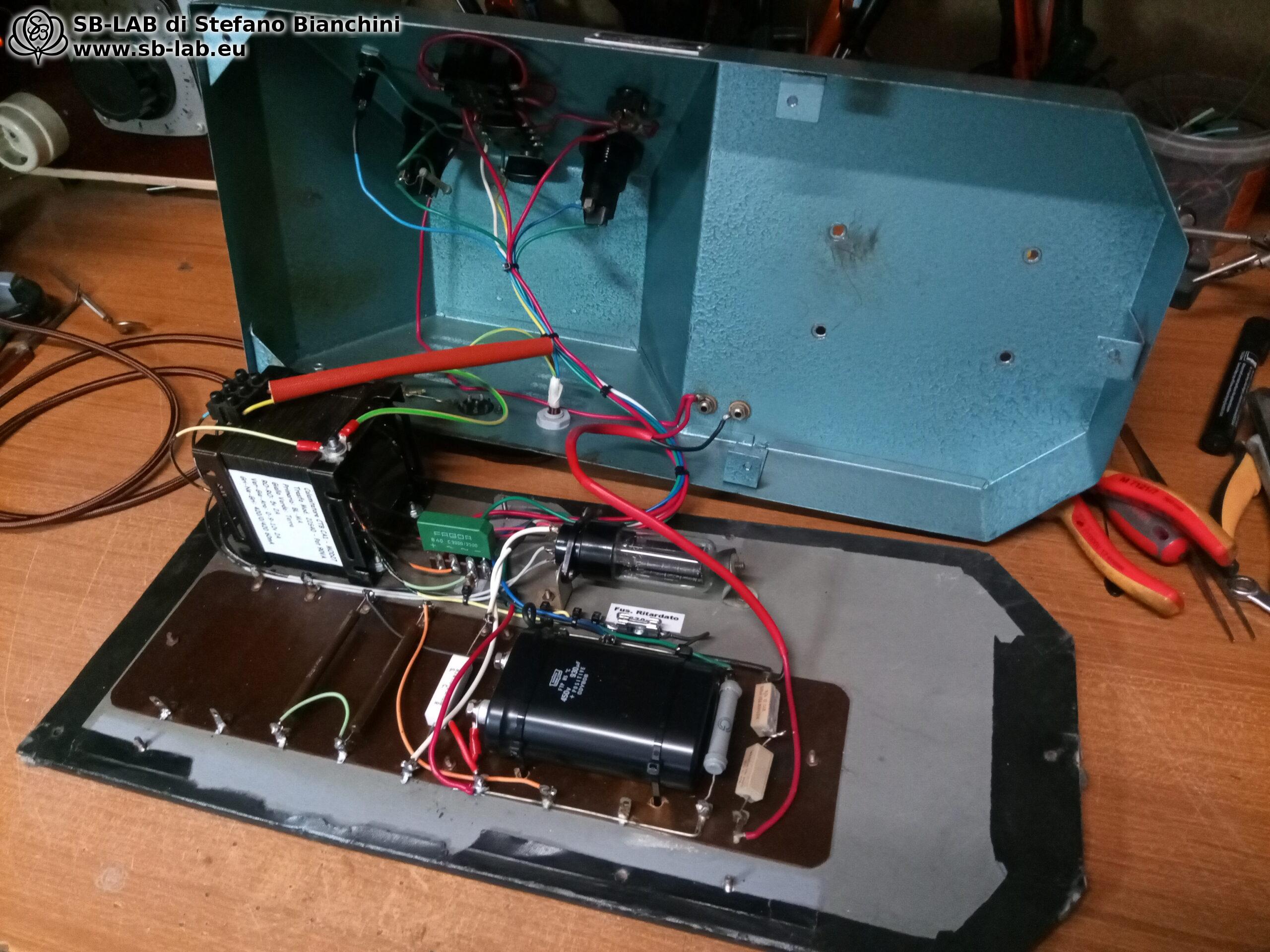
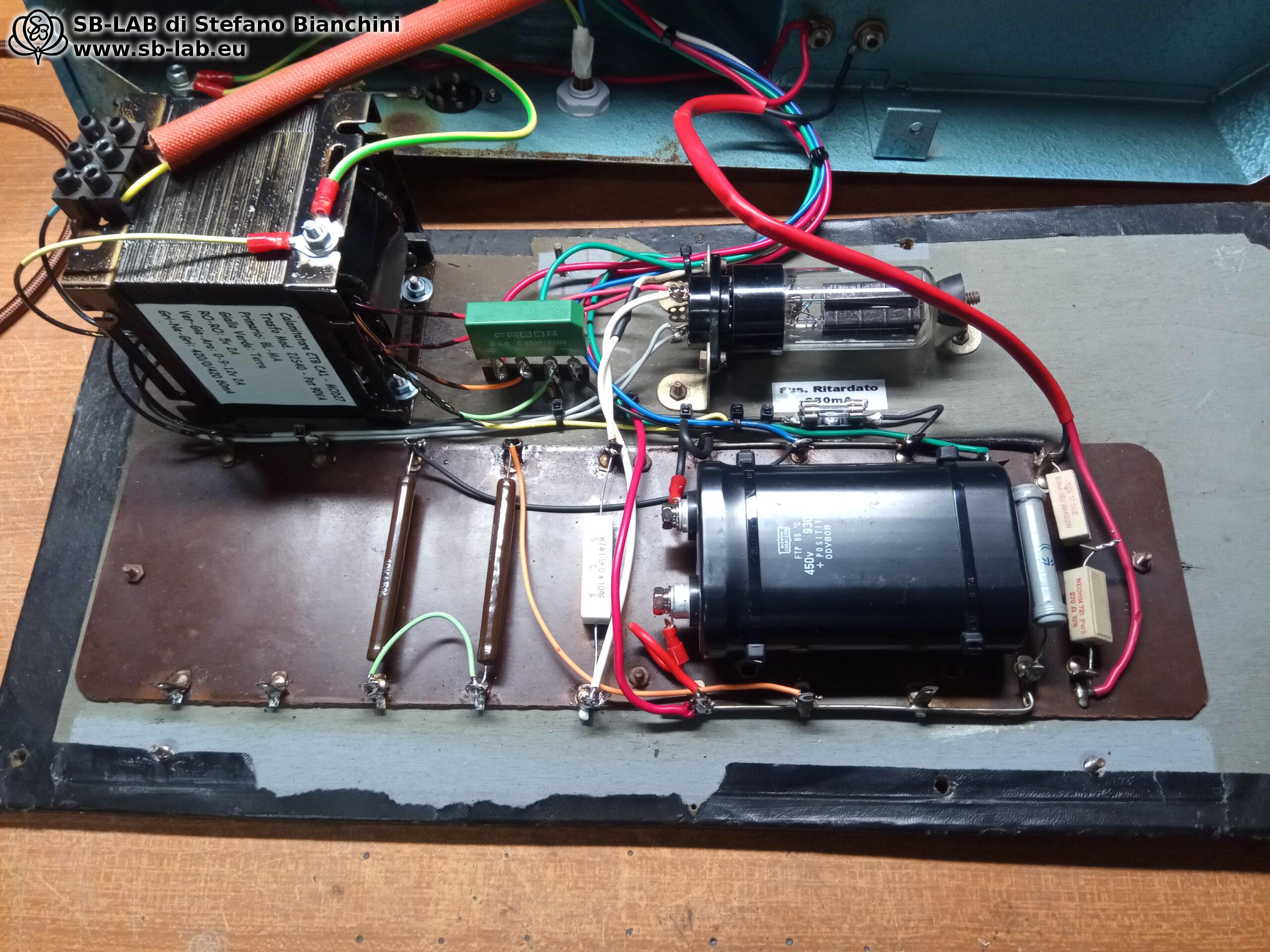
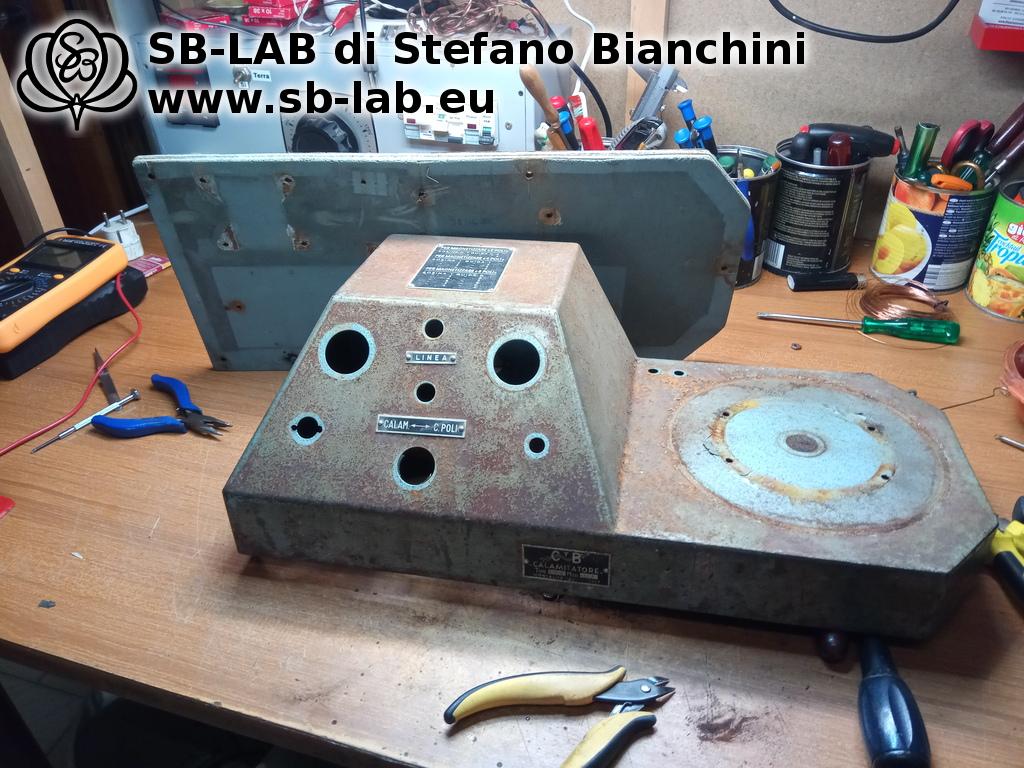
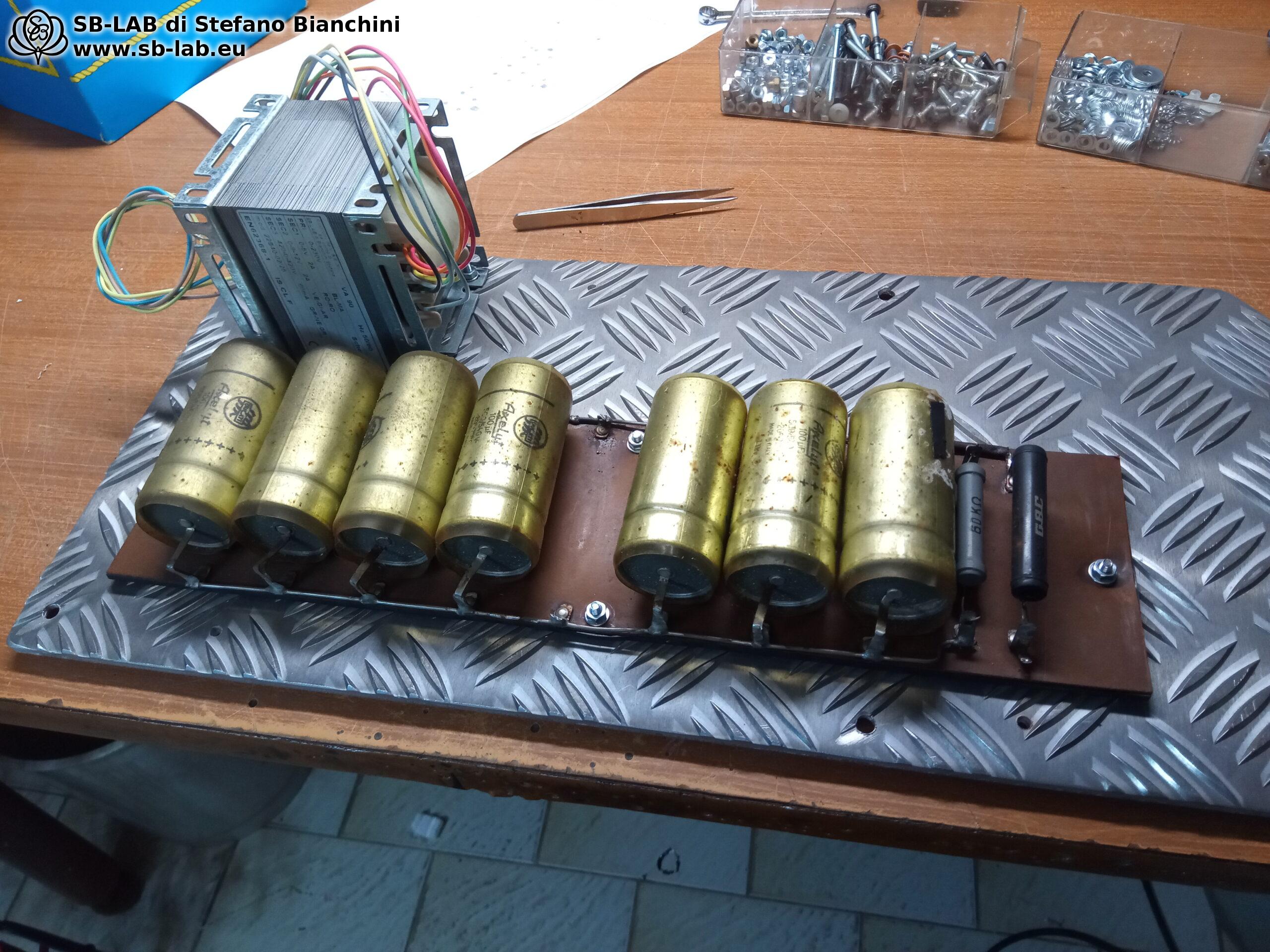
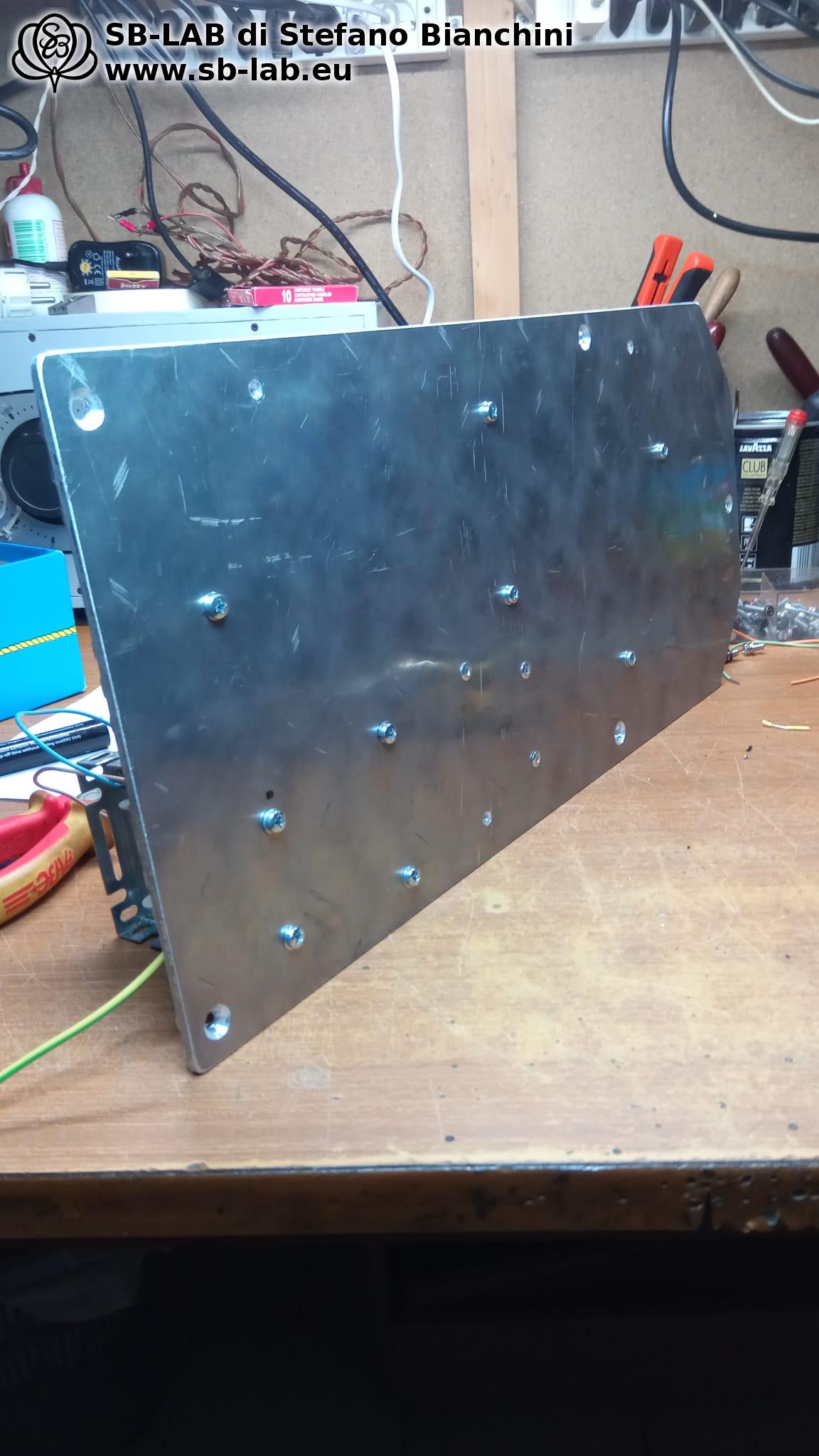
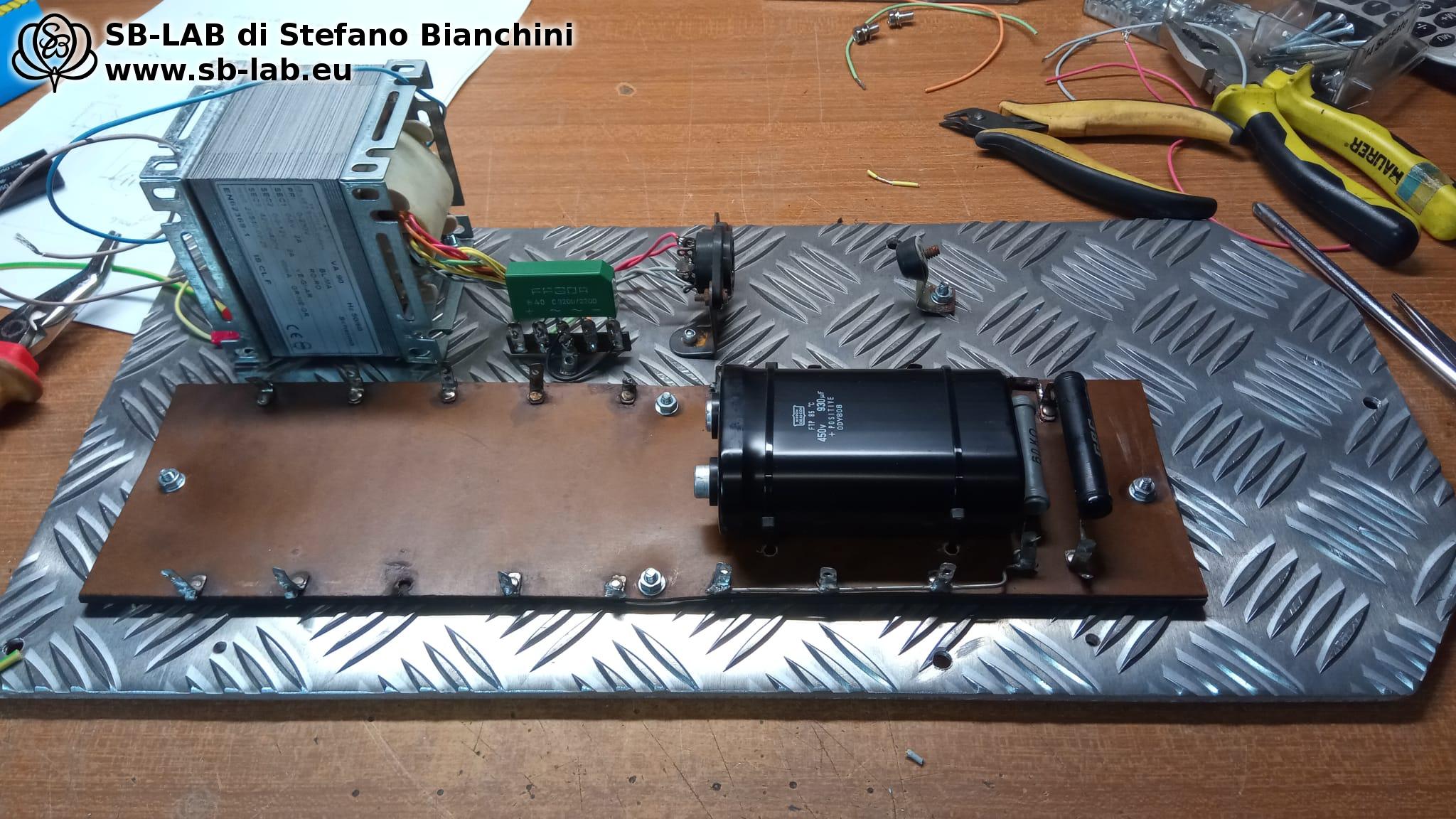
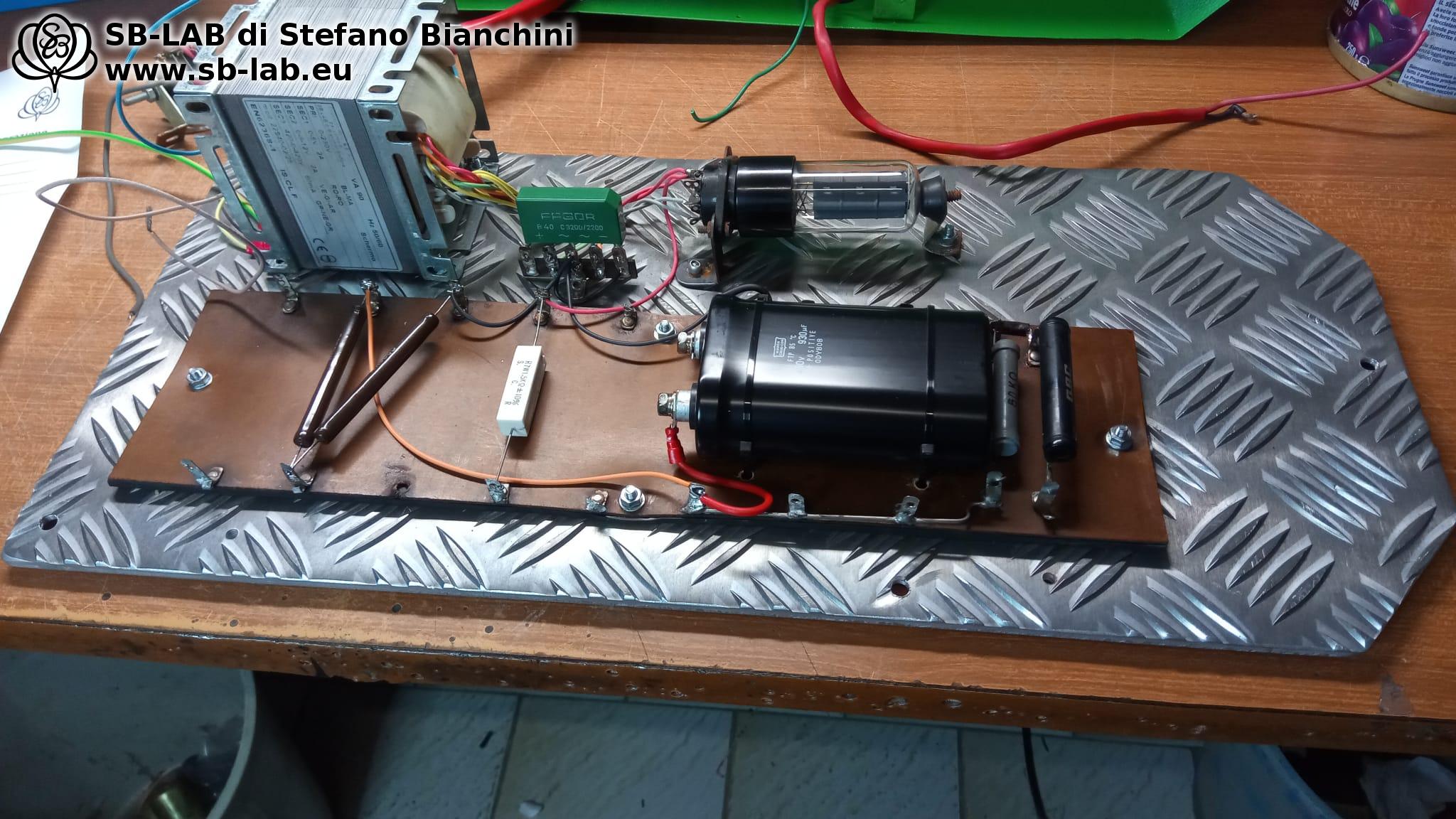
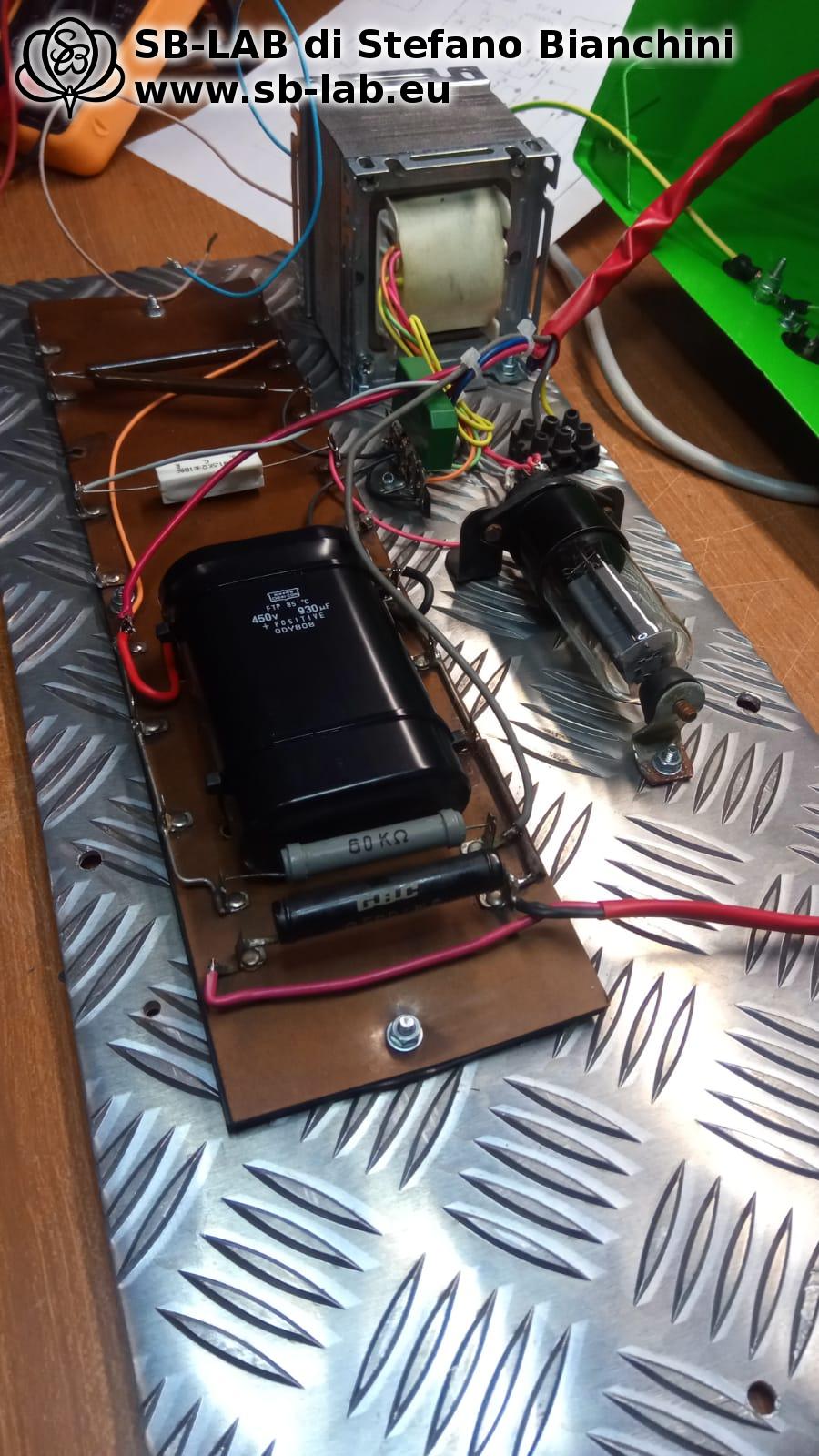
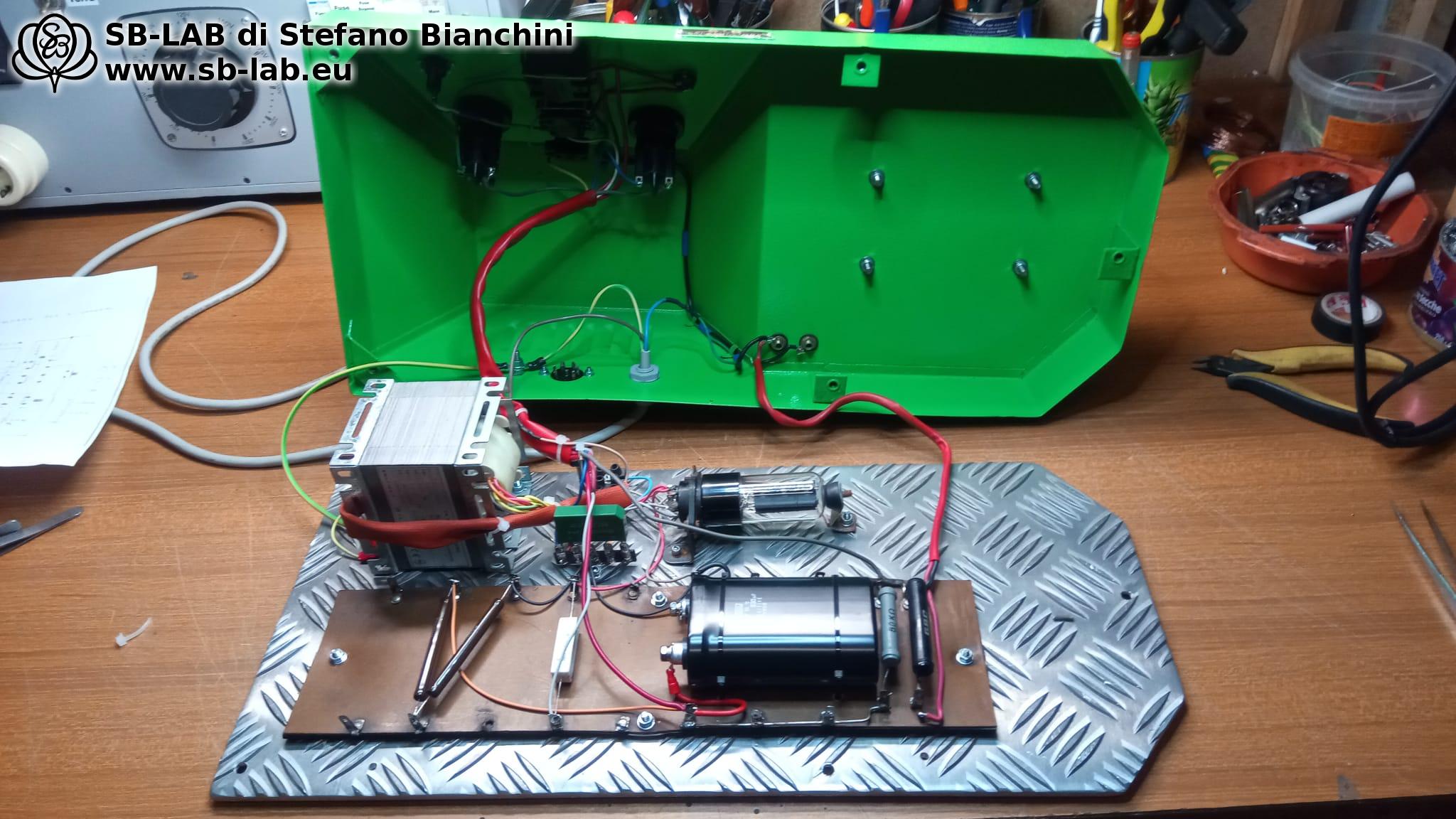
Between the two, the analyzer was in worse condition. The transformer was completely burnt, the result of the usual and unfortunately frequent attempt to power it up as found. I therefore built two replacement transformers, one for each device, restoring the power supply base.
Here it is worth pausing for a moment. In instruments like the AB-80, the power supply is not an accessory, it is the foundation of everything. If the transformer is gone, it is not enough to replace a couple of components and hope for the best. The power supply must be rebuilt with correct criteria, respecting voltages, insulation, dissipation and safety. For this reason I built two new dedicated transformers, recreating a reliable power supply base consistent with the original architecture. The goal was not just to make it power on, but to make it work stably, without thermal stress and without compromising the downstream electronics.

The instrument was then disassembled and thoroughly cleaned, because both internally and externally it was literally soaked in oil and stuck dirt. Cleaning, in a serious restoration, is never just aesthetic. Oil and dust over time become a compound that retains moisture, creates unwanted resistive paths, worsens insulation and, in the presence of high voltage, can even promote discharges or leakage. In addition, dirt and oxides hide defects: loose contacts, cold solder joints, tired switches, stiffened wiring. Disassembling, inspecting and cleaning meticulously means bringing the real situation back to light and laying the groundwork for a reliable repair, not a lucky one.
During disassembly I also checked the most critical points: terminals and connections, lamp holders, selectors, wire insulation, grommets and mechanical fixings. These are details that, on devices more than half a century old, often make the difference between an instrument that works on the bench today and one that will continue to work tomorrow, even after hours of consecutive tests in a workshop.
The electronic section
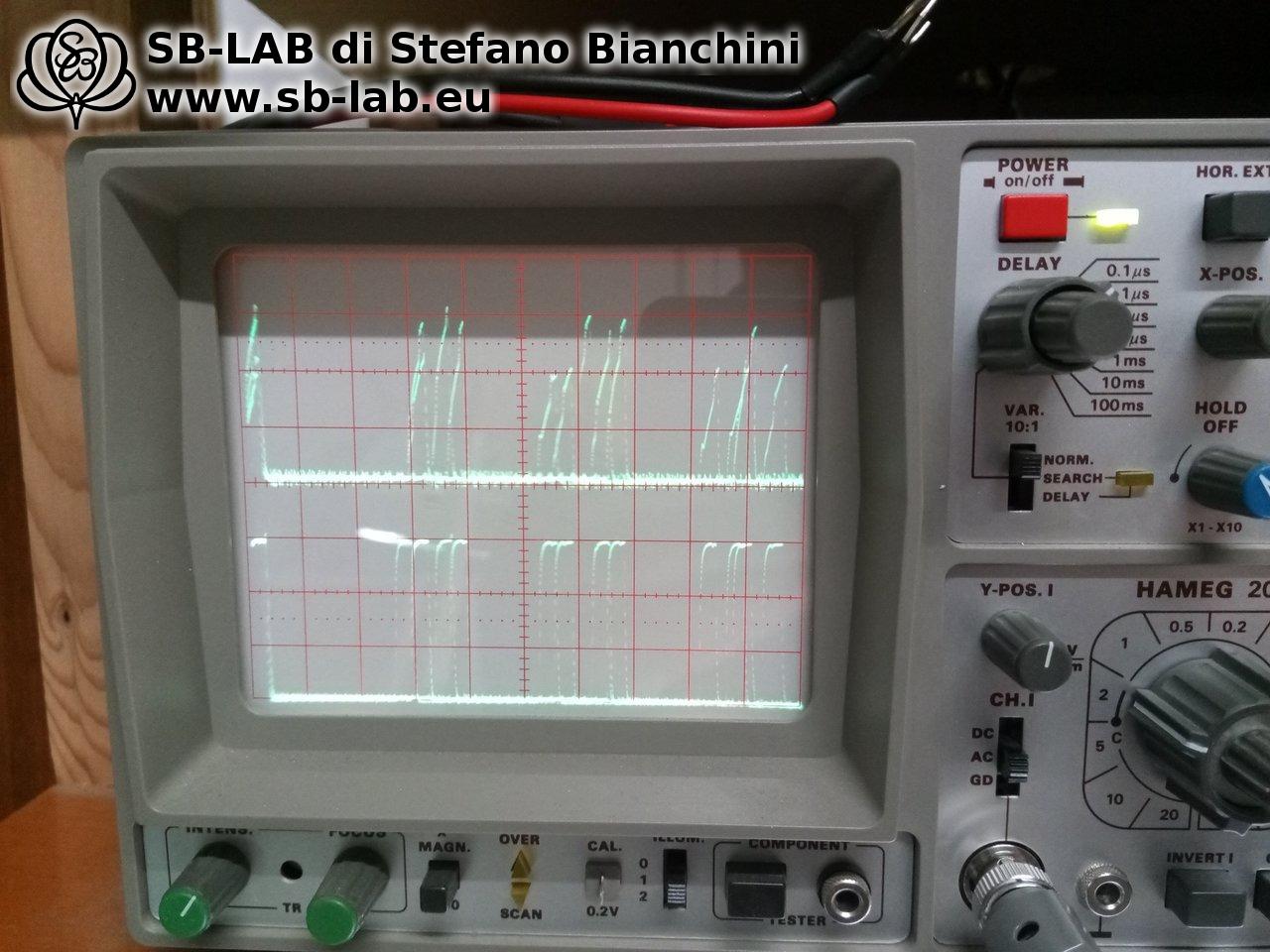
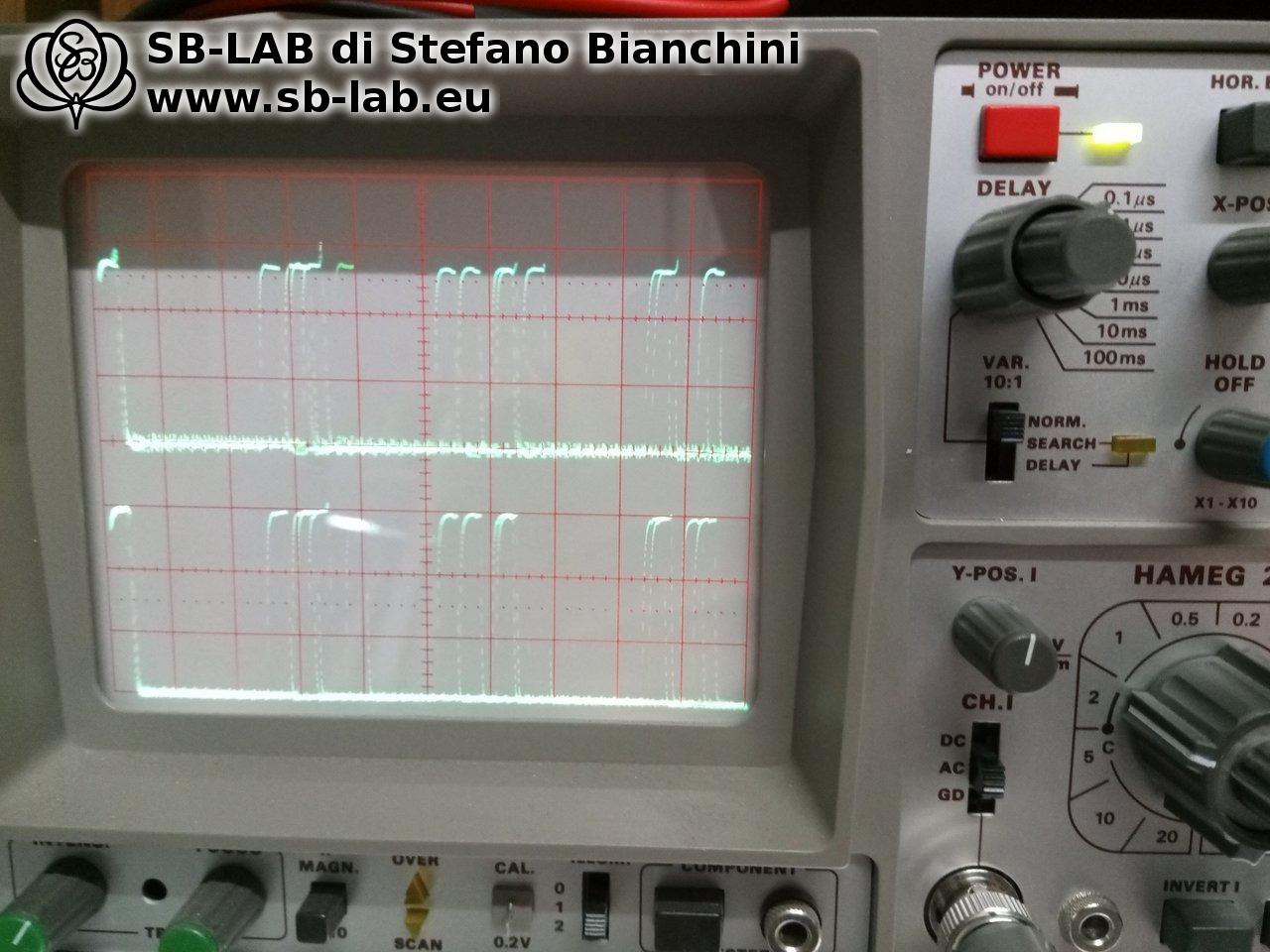
The circuitry of the AB-80 is fairly simple. The only more “sophisticated” circuit is the one used for testing high voltage coils. Unlike other contemporary testers that used mechanical systems, here we find a small electronic oscillator.
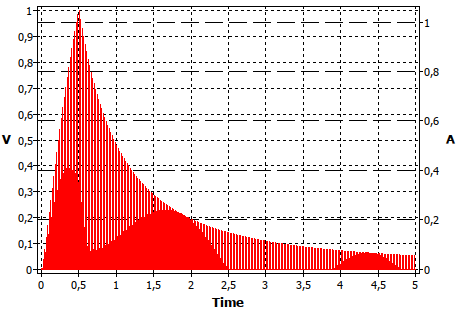
This is precisely what makes the AB-80 interesting. To perform a meaningful test on a high voltage coil, it is not enough to measure ohm at rest. The resistance of the primary and secondary says something, but it does not say everything. A coil can have apparently correct resistances and fail under impulse, when hot, or when it has to generate a real spark. The idea behind the internal oscillator is precisely to bring the coil into more representative operating conditions, generating pulses and allowing a practical check of its behavior, in a context designed for workshop use.
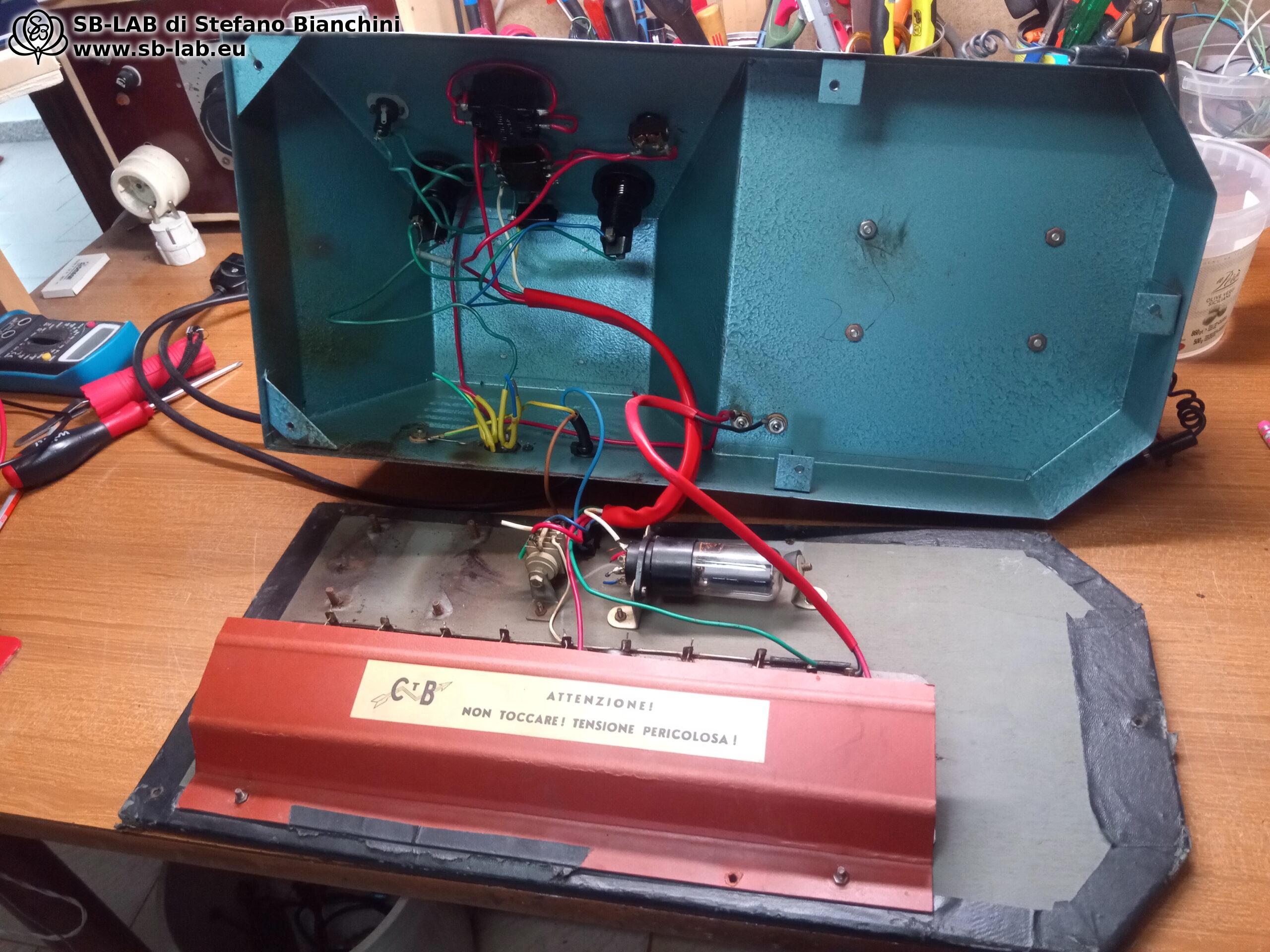
On the board there was a resin potted cylinder that enclosed the heart of the circuit. In the 1950s a simple transistor relaxation oscillator was considered innovative enough to be protected with resin to prevent competitors from copying it. Today the same principle can be found in the most common kitchen gas lighters.
That resin potted cylinder is in fact a small technological capsule of the period, a way to seal components and wiring, protect them from humidity and at the same time prevent anyone from seeing how the circuit was made. From a restoration point of view, however, this choice becomes a huge problem, because when the internal components age or fail there is no access for a traditional repair. Either you open the resin, or the instrument remains crippled of its main function.

This was the most unpleasant part of the repair. I had to mill away the resin block with a Dremel, because the original semiconductors were all completely failed. Once the PCB was freed, I rebuilt a new relaxation oscillator following the existing tracks. The result is perfectly functional.
The resin removal operation requires patience and control, because underneath there is often a fragile board, with thin tracks and supports not designed to be excavated. The goal is to reach the circuit without damaging the PCB and without tearing connections that, after decades, may already be stressed.
I therefore rebuilt the relaxation oscillator in a way consistent with the original logic, using the existing tracks as a guide and preserving the circuit architecture. The point is not to modernize at random, but to restore the function: generating reliable pulses, with repeatability, and with stable behavior throughout the duration of the test. In this way the coil test becomes truly useful again, because it does not depend on intermittent contacts or borderline components that change behavior after a few minutes.

At this point, with the power supply restored and the coil test circuit operational again, it made sense to move on to functional checks: switching checks, correct operation of the selectors, integrity of the lamp holders and wiring, and repeated tests to ensure that the instrument remained stable even after some time of operation. These are the classic tests that, on a workshop instrument, count as much as the repair itself. It must be robust, repeatable and predictable.
Completion of the restoration
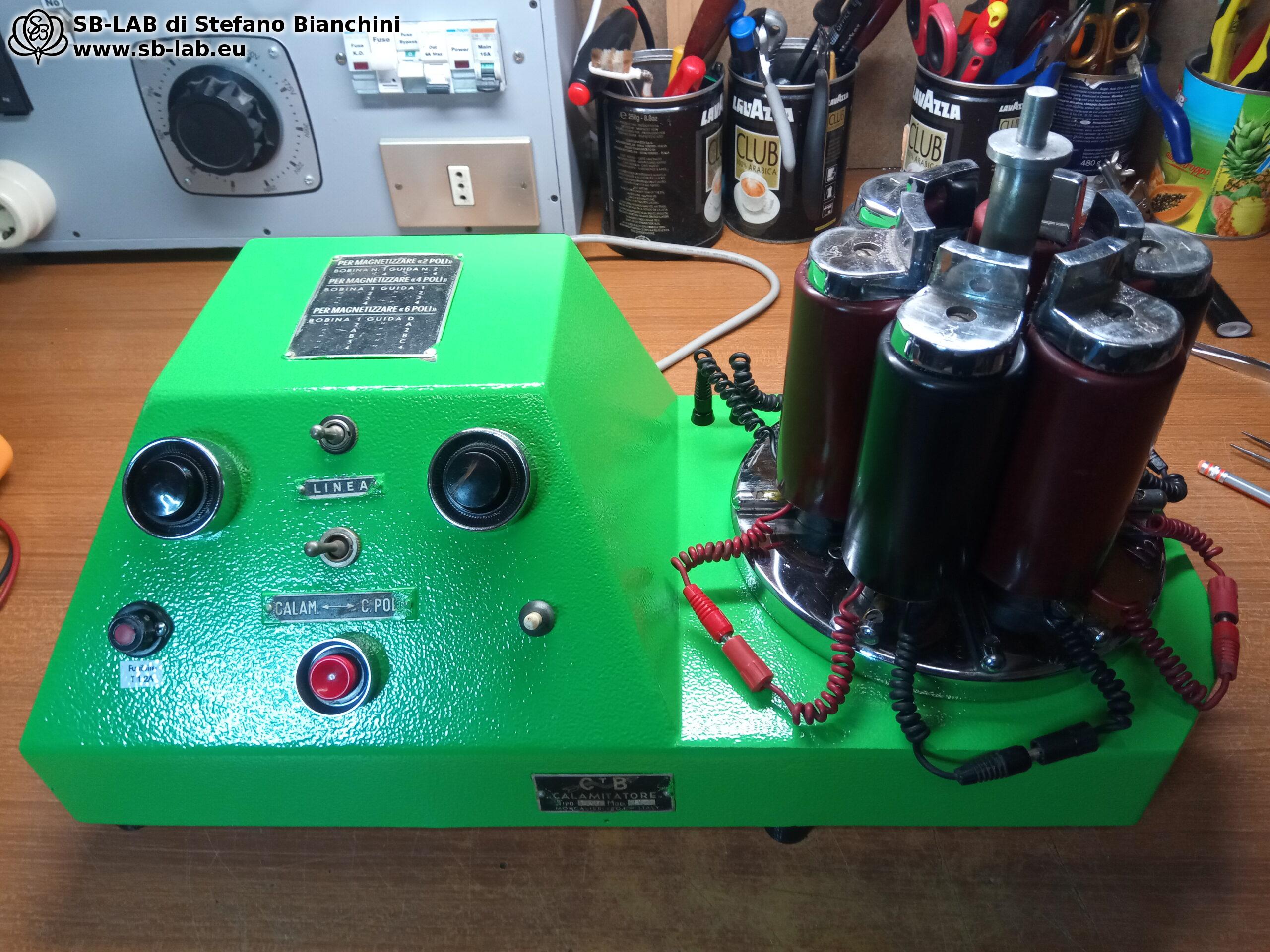
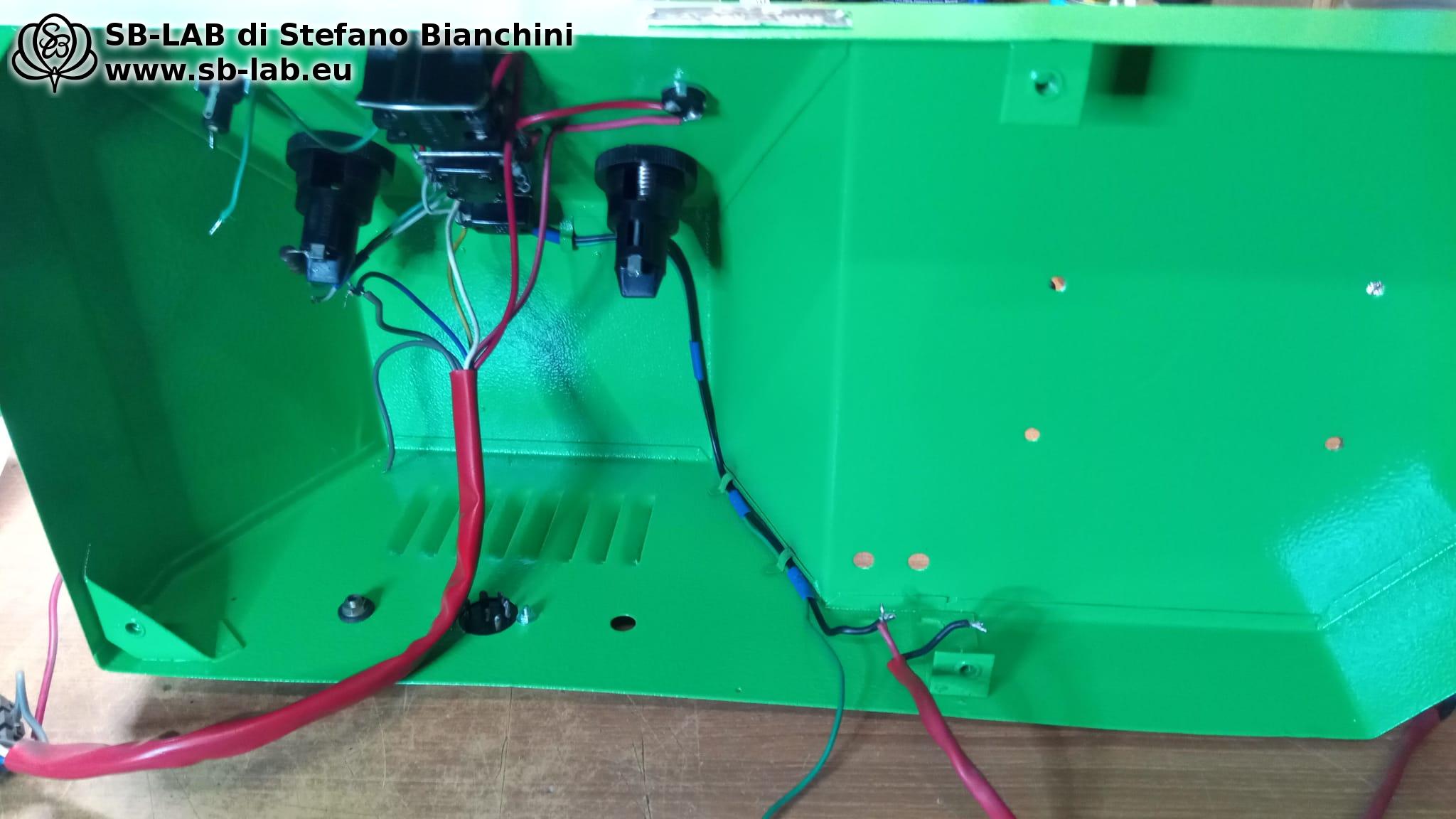
The rest of the work required the replacement of practically all the bulbs, none of which were still intact, the installation of the new transformer, the wiring of a power cord with fuse and fuse holder, and the various final tests. The CTB AB-80 Analyzer is now back to new life and ready to look good in a workshop, not only as a historical object but also as a working instrument.
Even replacing the bulbs, which may seem like a detail, is actually fundamental. In these testers the indicator lamps are not decorations, they are part of the measurement interface. If a bulb is open circuit, the operator misinterprets the result and ends up chasing non existent faults. Restoring all the indication means giving the instrument back its original operational clarity.
The power cord was rebuilt using modern safety criteria, integrating fuse and fuse holder in a neat way. On devices intended for a workshop environment, where one often works among metal benches, tools, vibrations and dust, primary protection is not optional. A restoration done properly must combine historical respect with practical safety, so that the instrument can actually be used without turning it into a hazard.
After reassembly, I carried out a series of repeated tests, precisely to simulate real use: power on, stabilization, test cycles, checks of coherence between selector positions and instrument response. This step is crucial, because many problems on old devices only emerge when warm or after some switching.
These vintage instruments cannot simply be taken out of a cellar and connected to the mains hoping they will work. Most of the time targeted interventions and a complete overhaul are required. If you own a CTB analyzer, a magnetizer or other similar devices and would like to restore them to full efficiency, you can contact me. I am available for repairs, overhauls and restorations.
The reason is simple. Time spares neither electronics nor mechanics. And when dealing with instruments that generate high voltage to test coils and ignitions, even a small leakage can become an annoying malfunction or, worse, a cascading failure.
If you have an AB-80 or a similar device in your workshop, the advice is always the same: first inspection and overhaul, then use. With a targeted intervention it is possible to bring these instruments back to their original role, that is to truly help diagnostics on vintage motorcycles and scooters, maintaining the charm and substance of historical instrumentation, but with the reliability necessary for real world use.