In the world of tube audio there is an enormous difference between equipment designed with proper engineering and equipment that tries to impress the eye with expensive components but without any real design logic. In this article I describe the radical transformation of one of these cases: a single-ended amplifier born from a completely wrong project and turned into a truly functional and surprisingly high-performing piece of equipment. The final result is a single-ended amplifier based on 6GE5 compactron tubes, TV horizontal output tubes derived from the 6DQ6B family, driven by a simple but efficient PC86. It is a choice that may look deliberately non-esoteric on paper, but it is extremely interesting from a technical point of view and capable of delivering very high level sonic performance.
This project once again demonstrates a very simple principle that is often forgotten: it is not exotic tubes or esoteric capacitors that determine the quality of an amplifier, but the quality of the electrical design, the choice of operating points and above all the quality of the transformers. Starting from a piece of equipment that was practically scrap, it was possible to recover the mechanical parts and turn it into a real hi-fi single-ended amplifier capable of delivering deep bass, great openness and a surprisingly extended bandwidth. It is a concrete example of how, with a correct design, even tubes originally intended for a completely different use can become the heart of a tube amplifier with remarkable performance.
One day I receive a message from “R.O.” asking for my opinion on a “beautiful” “hifi, hi-end, zero feedback” amplifier built by one of the many tube gurus wandering around the Italian peninsula. The problem was simple: it did not sound good, and he wanted to bring it to me to understand whether it could be fixed. Unfortunately, whenever one reads lofty descriptions of this sort, the reality is often very different from what is being advertised. Behind slogans such as “hi-end” and “zero feedback” there are very often improvised circuits, rough construction and projects that were never actually calculated. In other words, lots of show and very little engineering. He brought it to me, and here is yet another unpresentable specimen in all its glory…
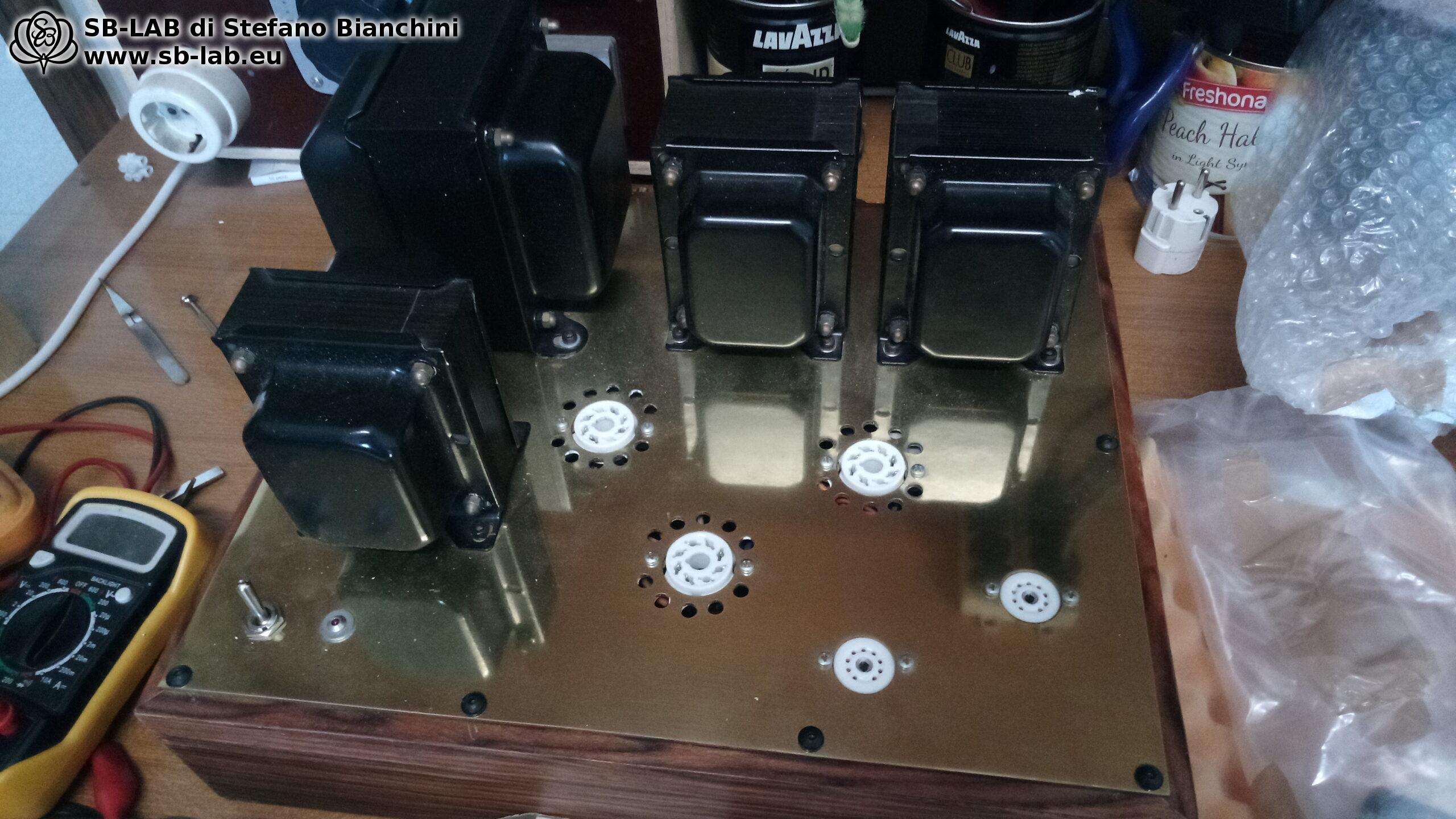
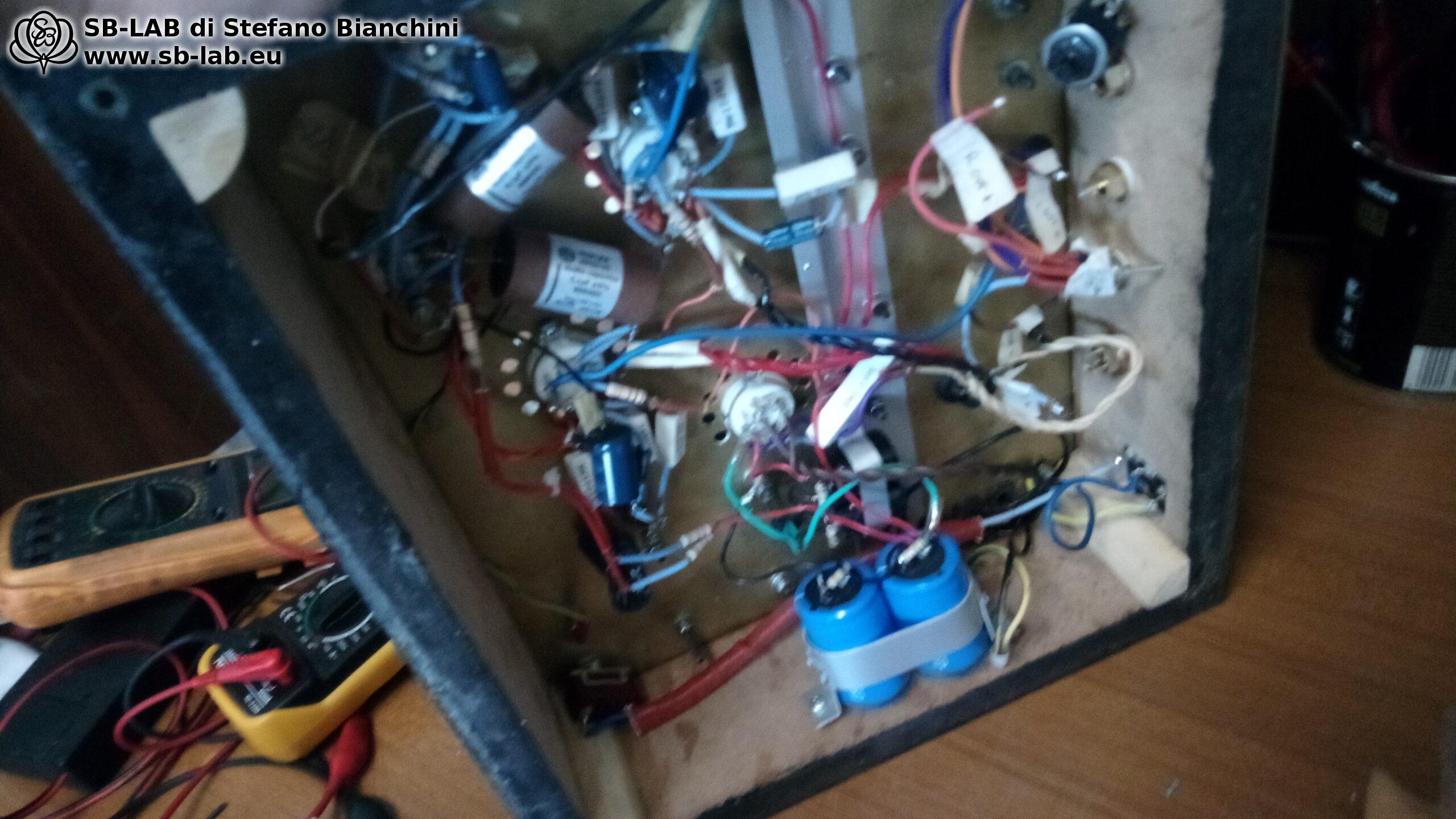
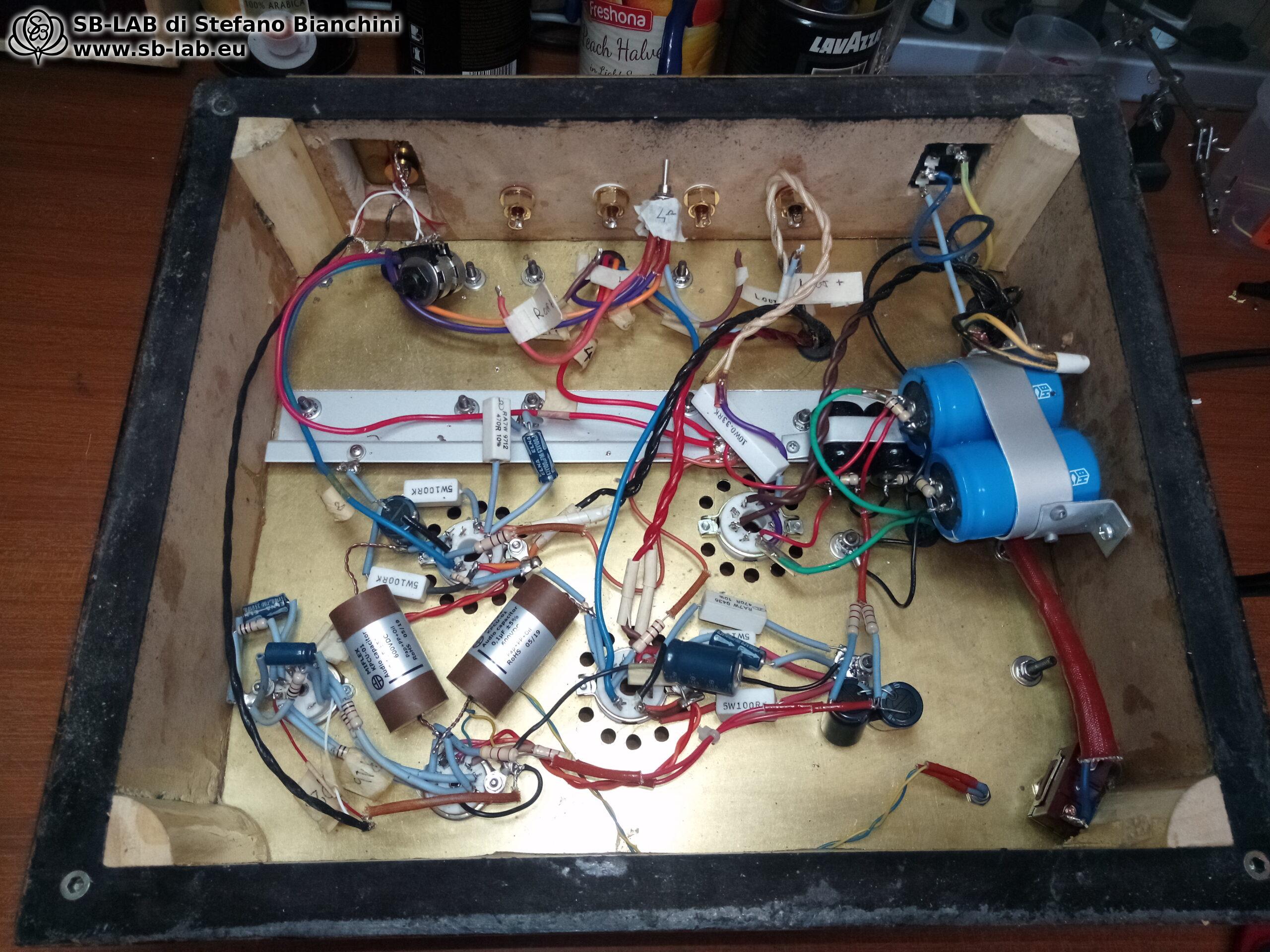
Apart from a makeshift volume pot added by R.O. in a desperate attempt to at least control the volume in a circuit that had clearly not been calculated in any of its sections and had absurdly high gain, everything else was the work of the so-called guru. Including the bizarre arrangement of the tubes mounted askew on the chassis, a choice that already made it difficult in itself to achieve neat and rational wiring, even assuming the person who built it had the skills to do so.
When the basics of electronic design are ignored, the result is always the same: absurd gain, operating points chosen at random, power supplies pushed to the limit and transformers that are obviously undersized. All elements which, taken together, turn what should be an amplifier into an unstable and poorly functioning object.
One of the most obvious issues was the rectifier tube, which was operating so far outside its ratings that its plates were visibly glowing red. The glass had already become smoky and the edge of the socket showed clear signs of overheating. This is the classic symptom of a power supply dimensioned with no real criteria, where one tries to draw more current than the circuit can actually supply safely.
Obviously, according to a certain philosophy that is very common in the tube audio world, making an amplifier sound good does not require calculations or serious circuit design: it is enough to fill it with expensive capacitors and prestigious tubes. The problem is that reality is very different.
This is in fact one of the most common mistakes one sees around: people think that esoteric components, “galactic” capacitors or famous tubes can compensate for a wrong design. In reality, when the circuit itself is wrong, those components do nothing except make the final disaster more expensive.

Just like a pair of Full Music KT88s which, after about forty minutes of operation under those absurd conditions, had already dropped to about 60% emission. In practice, two brand new tubes destroyed in less than an hour. About €250 worth of tubes thrown straight into the trash because of a circuit designed without any proper criteria.
I therefore think it is necessary to make a very clear recommendation: do not spend money on “galactic” capacitors or expensive tubes for equipment like this. Not only are you literally throwing money down the toilet without getting any real improvement, but in the case of NOS tubes you also risk wasting out-of-production components that will sooner or later become increasingly difficult to find. Installing valuable tubes in certain contraptions is both a technical and a historical waste.
The same applies to many Chinese mini amplifiers left in their original factory condition. Before thinking about expensive upgrades, one should always ask whether the project itself is really worth improving, or whether it is a circuit that, by its very conception, will never work properly.
At that point I guided “R.O.” toward a completely new project, trying to recover everything that was actually reusable. Even though the quality of the original circuit was disastrous, the unit still represented a small mine of components and mechanical parts worth saving. The cabinet, for example, was reusable, and several parts of the structure could become the basis for something completely different.
The output transformers were frankly indecent, and the power transformer was absolutely unsuitable for supplying another stage with KT88s. I therefore decided to abandon that path completely and think of something more modest on paper but much more sensible from a technical point of view: no “prestigious” tubes, but a correctly designed circuit with properly dimensioned components.
The choice therefore fell on a single-ended amplifier based on 6GE5 compactron tubes, equivalent with a different base arrangement to the well-known 6DQ6B, using simple PC86 tubes as the driver stage. TV sweep tubes are often underestimated in the audio world, but in reality they can offer excellent performance when used at the correct operating point and matched with transformers specifically designed for them. In many cases they represent an extremely interesting solution for building robust, linear single-ended amplifiers capable of surprisingly good sonic results.
Below is the premium schematic.

So let us see how “R.O.” transformed, with my help, that scrap heap into something finally sensible. First of all, I made a pair of single-ended output transformers with 6k primary impedance, specifically designed for the 6GE5. For this occasion I also experimented with a new type of lamination, chosen to obtain better low-frequency behavior and reduce magnetic leakage. When a transformer is genuinely designed around the tube and the intended operating point, the difference in the final result is enormous.
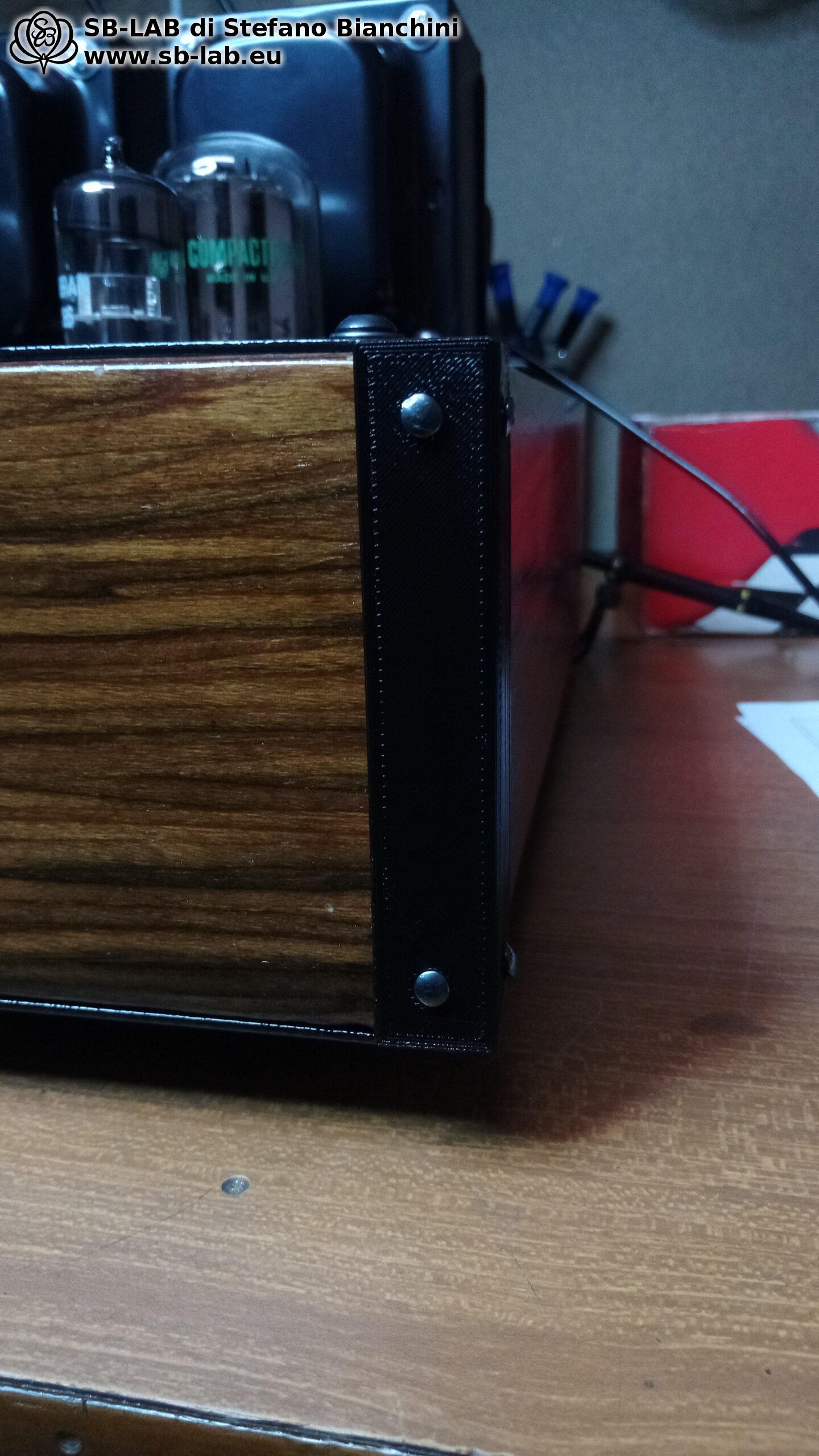
The amplifier was then completely dismantled and rebuilt from scratch. New mounting plates were made while keeping the original cabinet, which was first stripped of wax and then properly refinished with a shellac polish. I would also like to take this opportunity to explain to the guru on duty that wax is not applied directly to raw wood: the wood must first be prepared and sealed, otherwise the wax simply becomes a magnet for dirt.
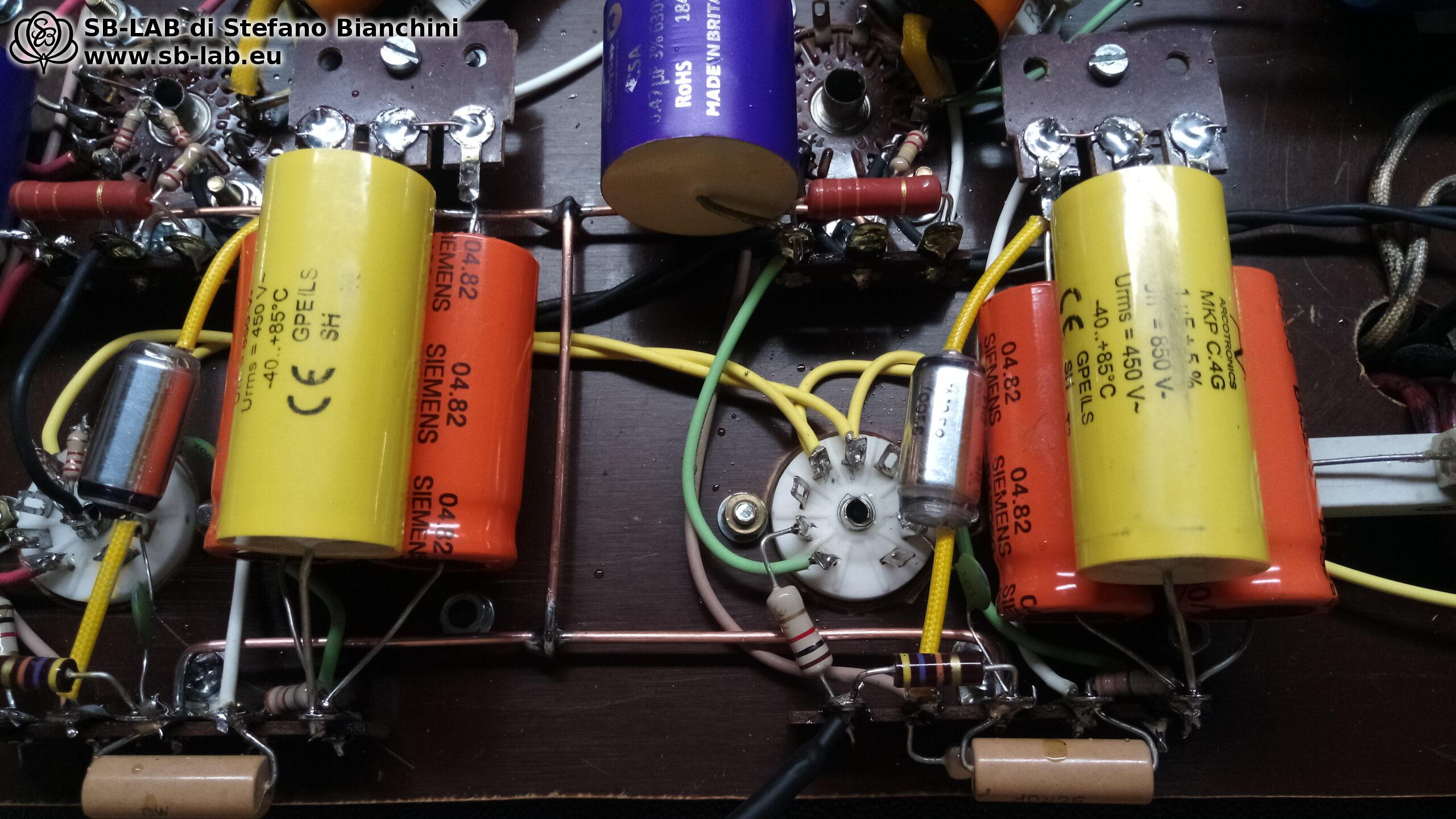
To improve the look as well, I made some decorative parts for “R.O.” by means of 3D printing, so as to make that little cabinet more pleasant and more coherent with the appearance of the finished unit. Once assembly was completed, I carried out full testing of the circuit, verified correct operation and documented the final result with a number of photographs of the finished work.
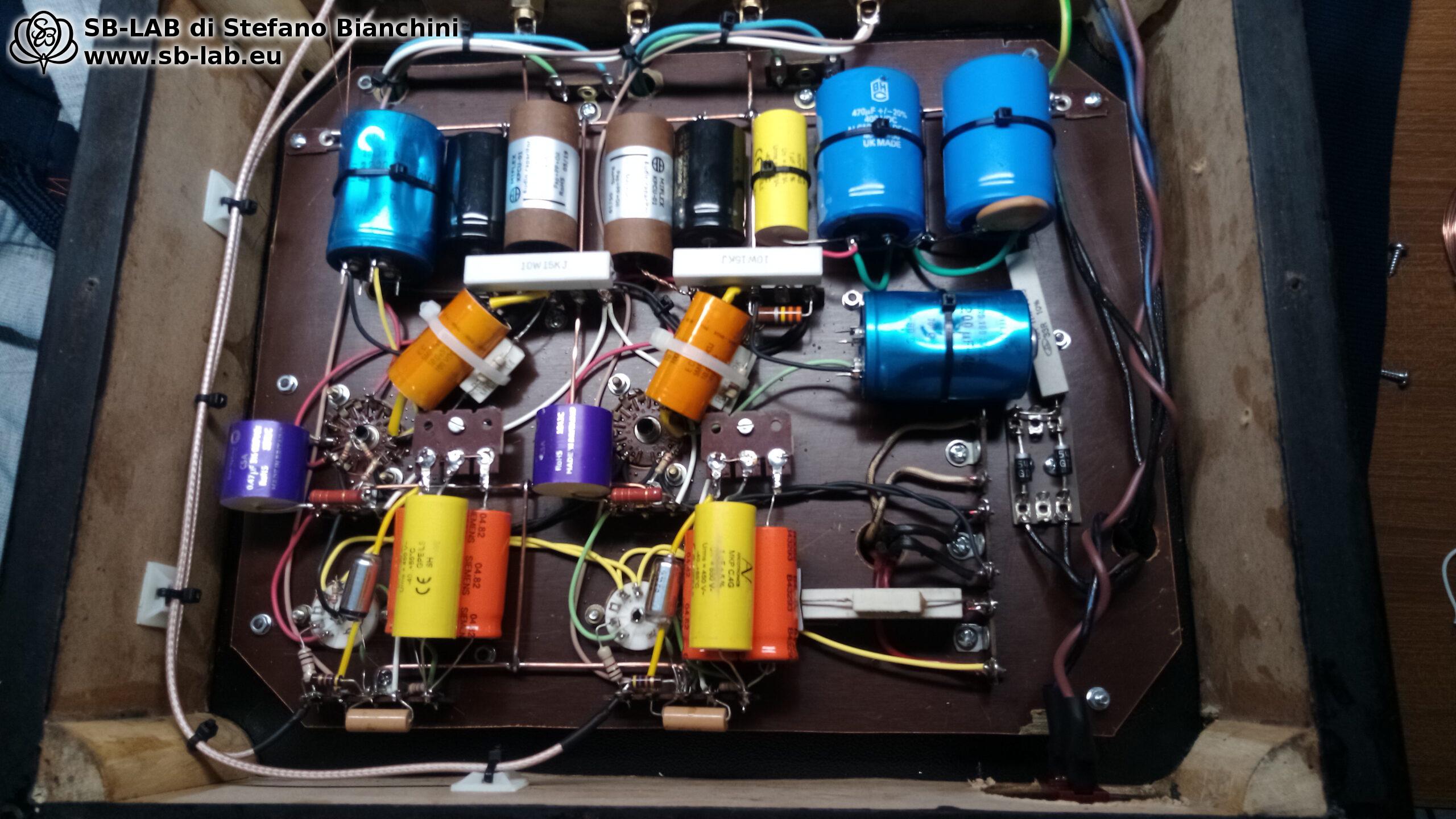
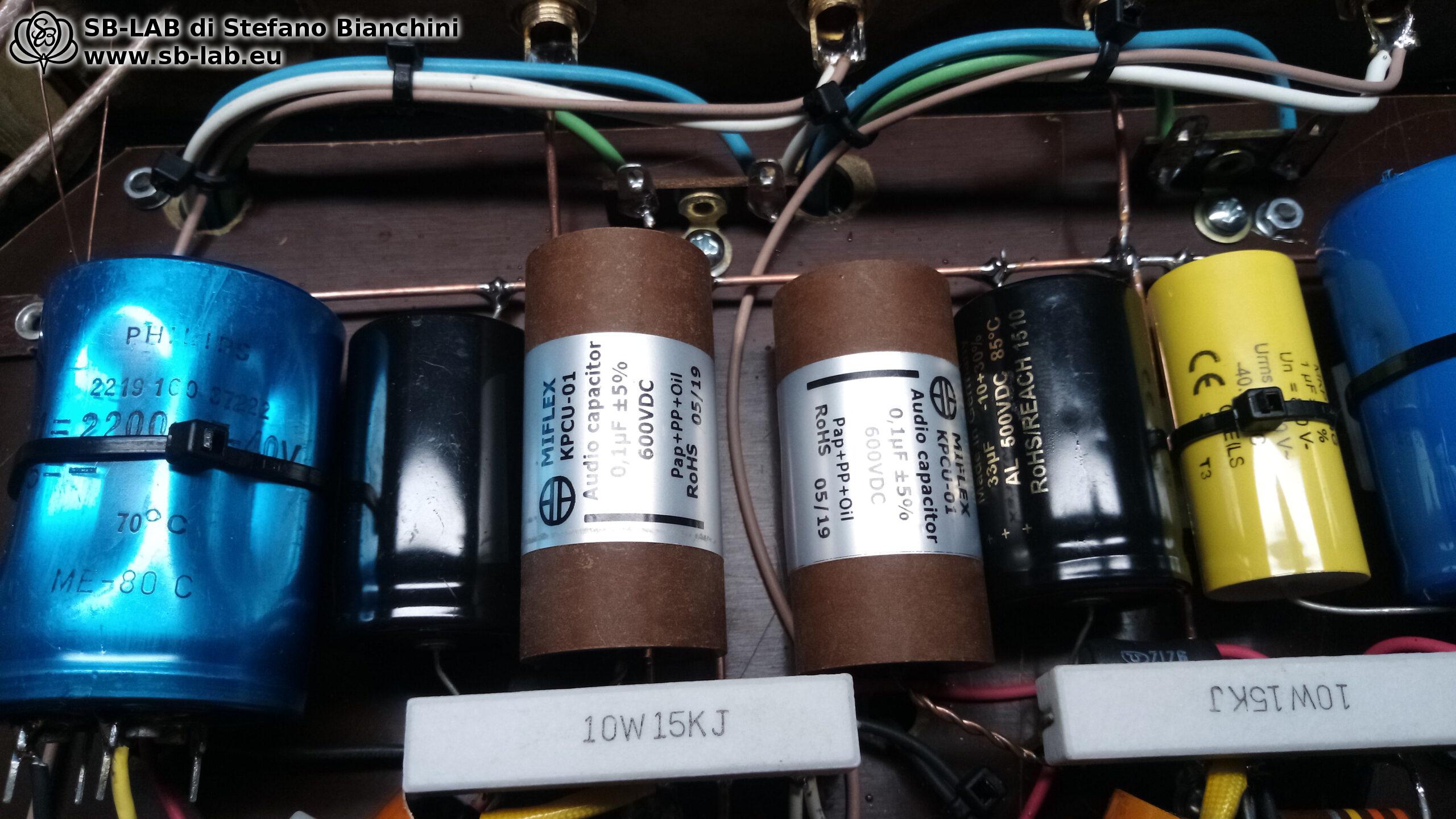
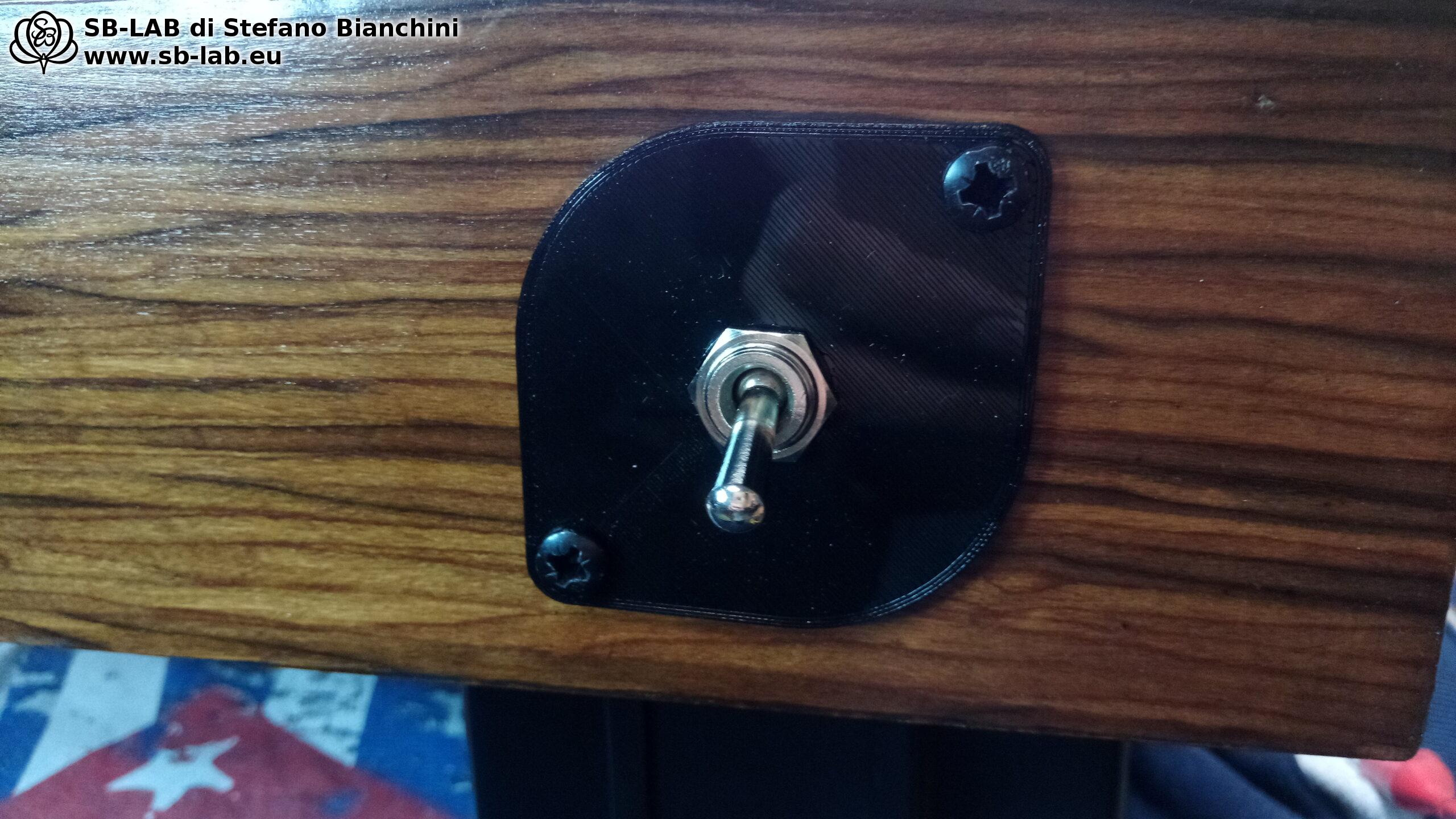
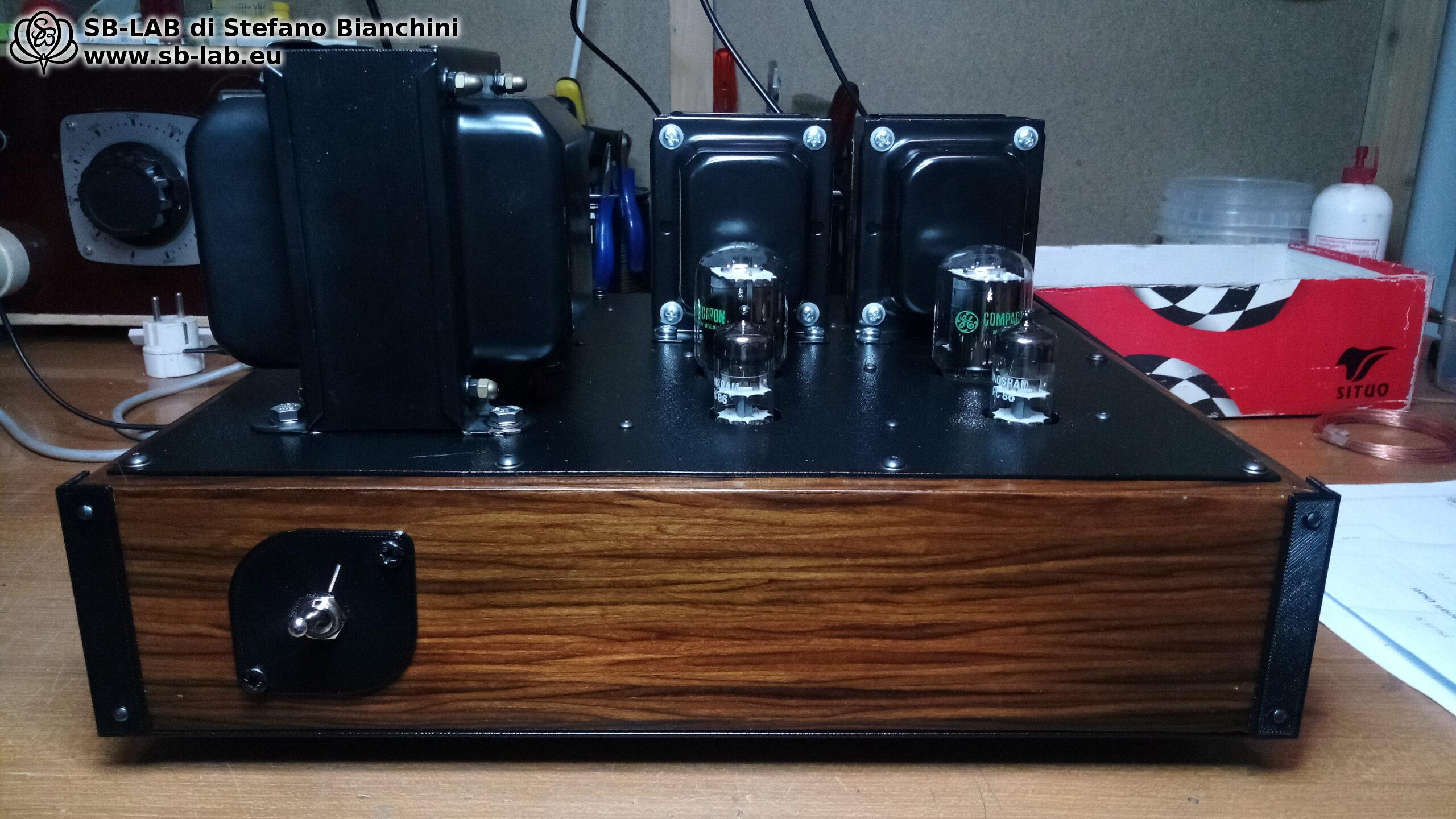
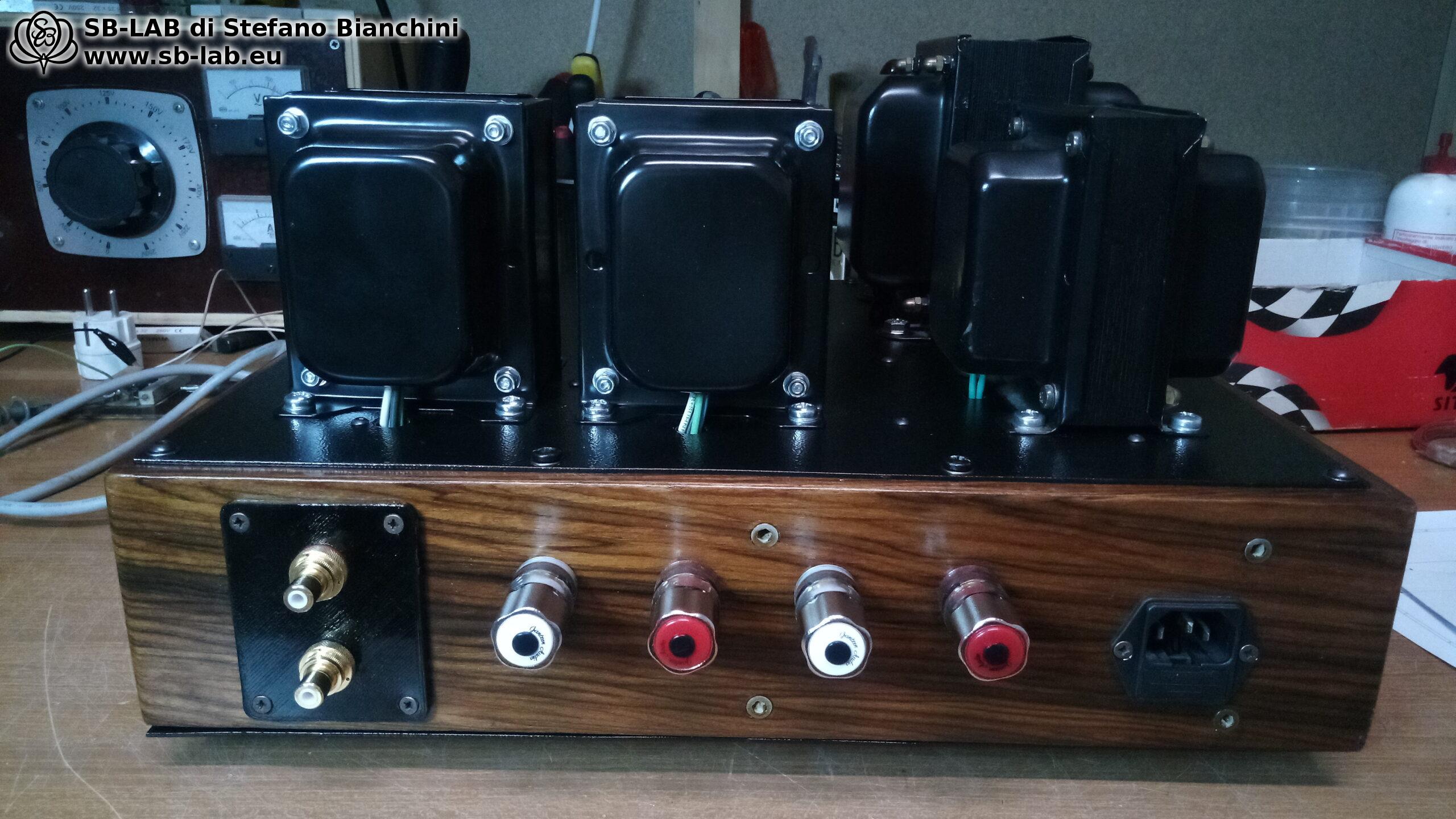
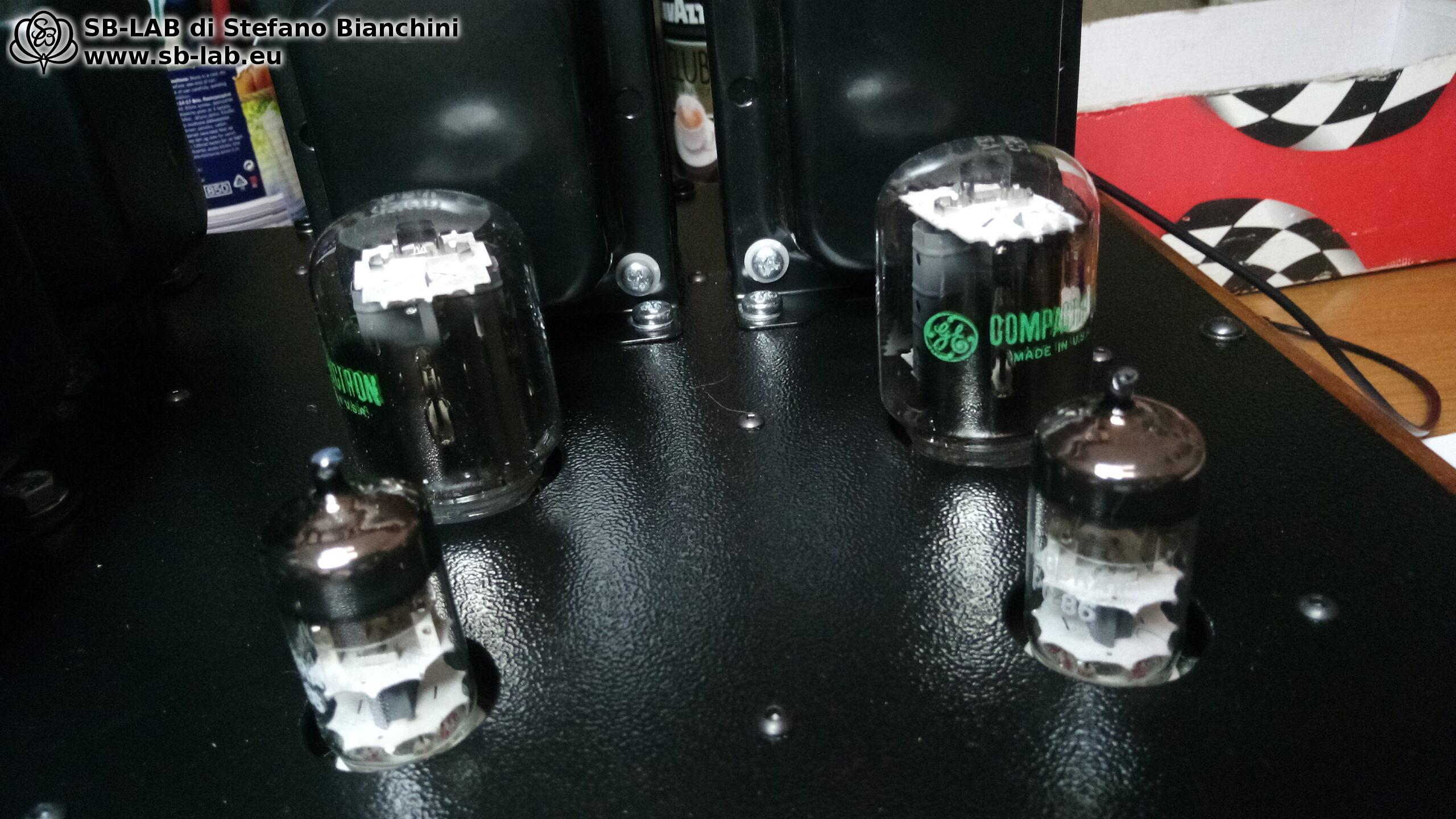
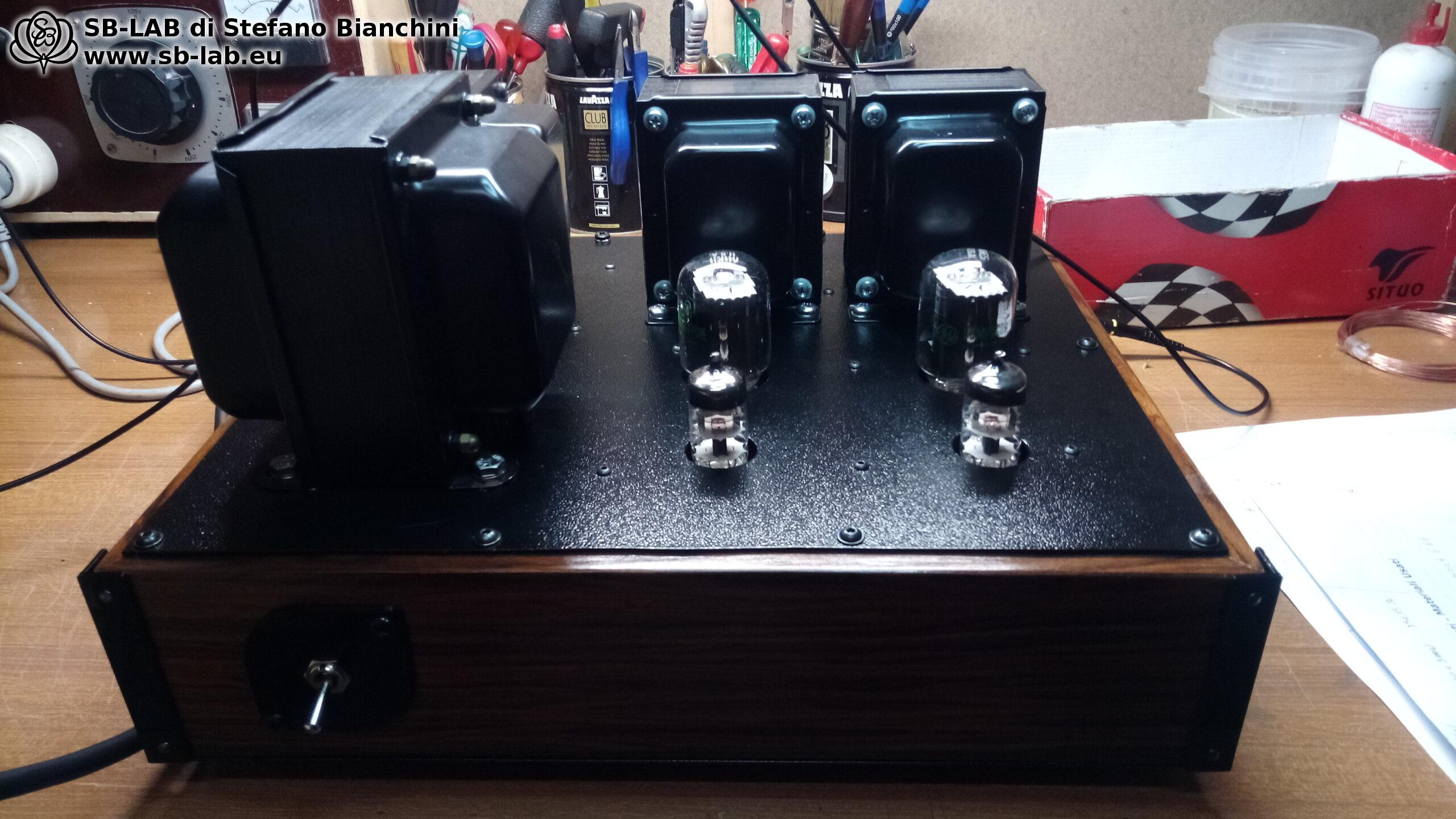
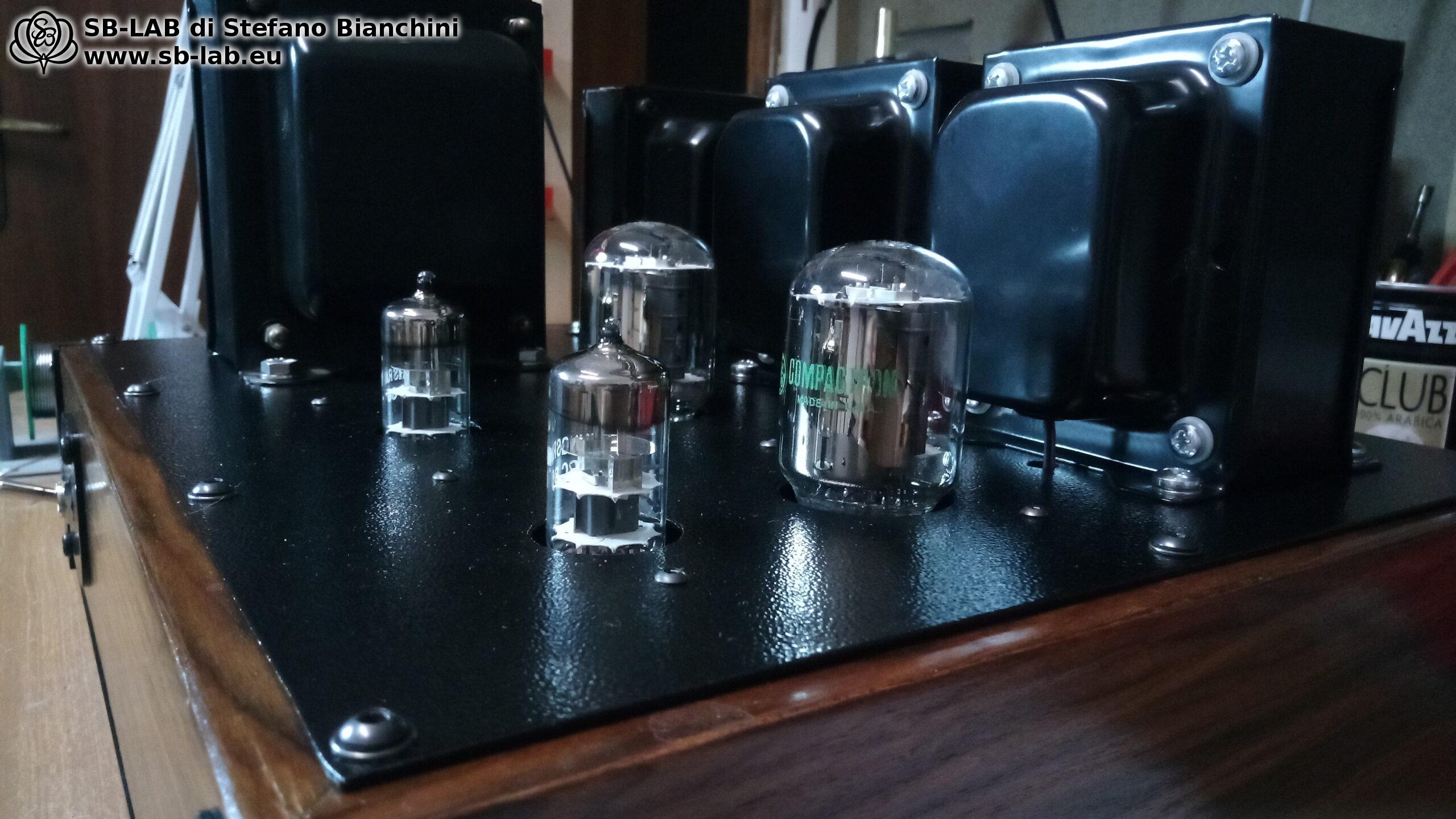
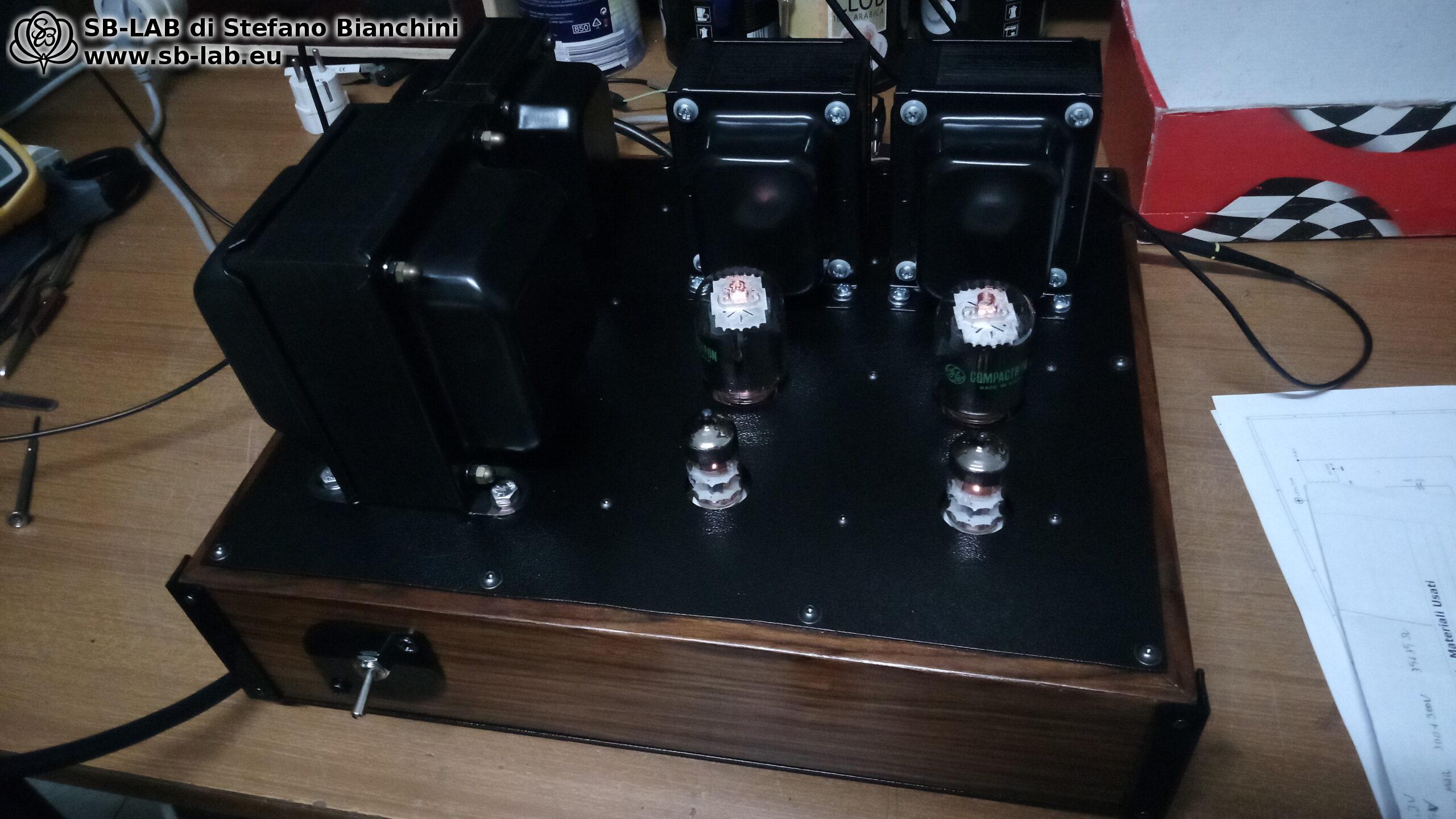
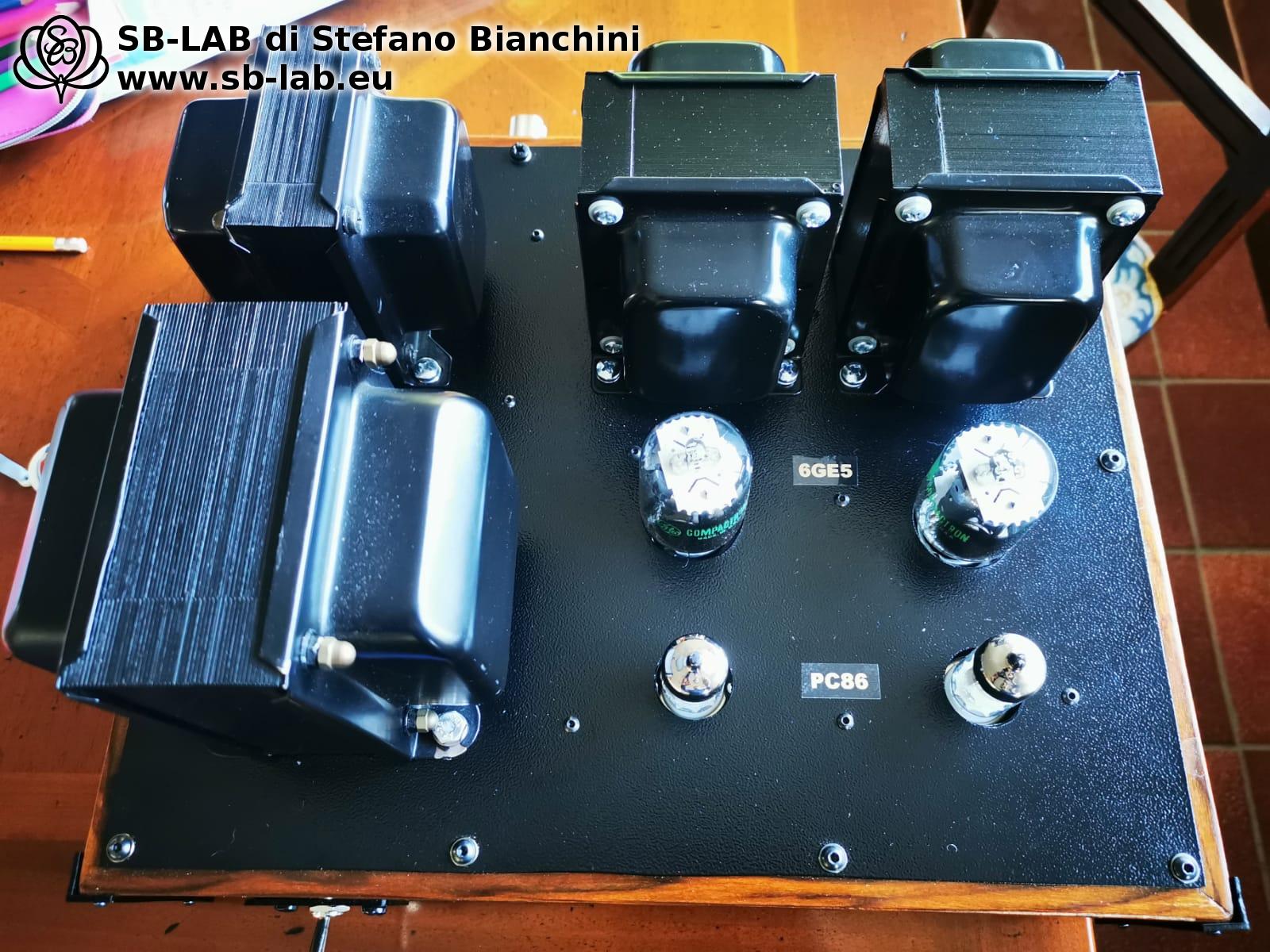
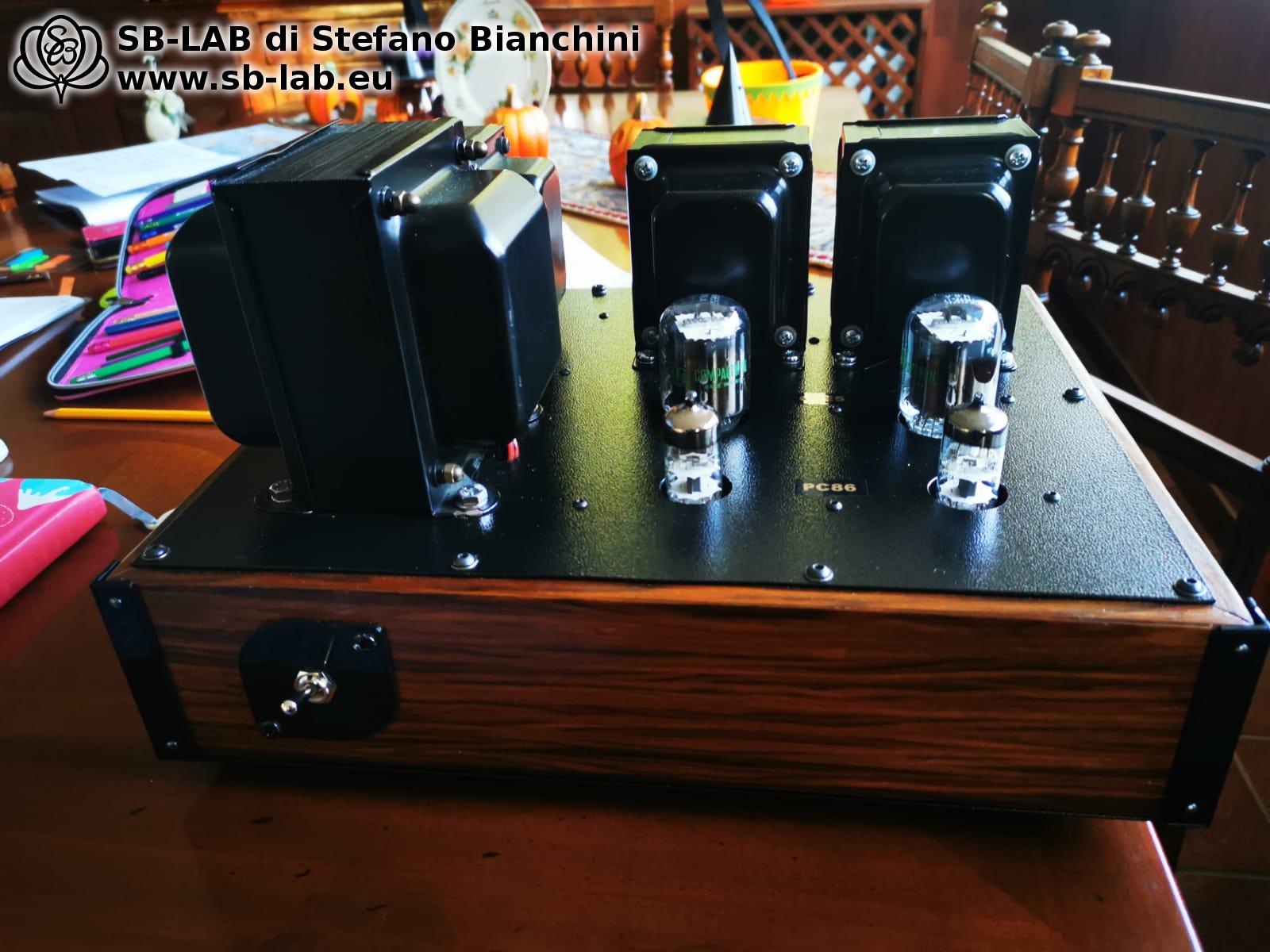
So how does this amplifier sound? The first thing that stands out when listening is the extension and solidity of the low-frequency range, definitely unusual for a single-ended amplifier of this power. The bass is deep, controlled and well articulated, without that sense of bloating or slowness that often characterizes many small tube amplifiers. This result is largely due to the output transformers, specifically designed for the 6GE5 and dimensioned to provide adequate primary inductance and good linearity even at the lowest frequencies.
The midrange is also very natural and open, with good transparency on voices and acoustic instruments. TV sweep tubes, when used correctly, can offer surprising linearity, and in this circuit they manage to deliver a very balanced and pleasing sonic presentation.
The high-frequency range is airy and well extended, without harshness or hardness. The overall impression is that of a very open and dynamic amplifier, capable of reproducing a wide and well-defined soundstage despite its relatively limited power. In many cases this type of amplifier proves particularly suitable for high-efficiency loudspeakers or full-range systems, where it can express its qualities of microdynamics and natural timbre at their best.
Naturally, listening impressions are always subjective, so it is more interesting to look at the measured data as well. Despite the simplicity of the circuit and the choice of tubes originally designed for a completely different purpose, this amplifier shows decidedly interesting technical performance, as can be seen from the measurements reported below.
Power: 6.25W RMS per channel
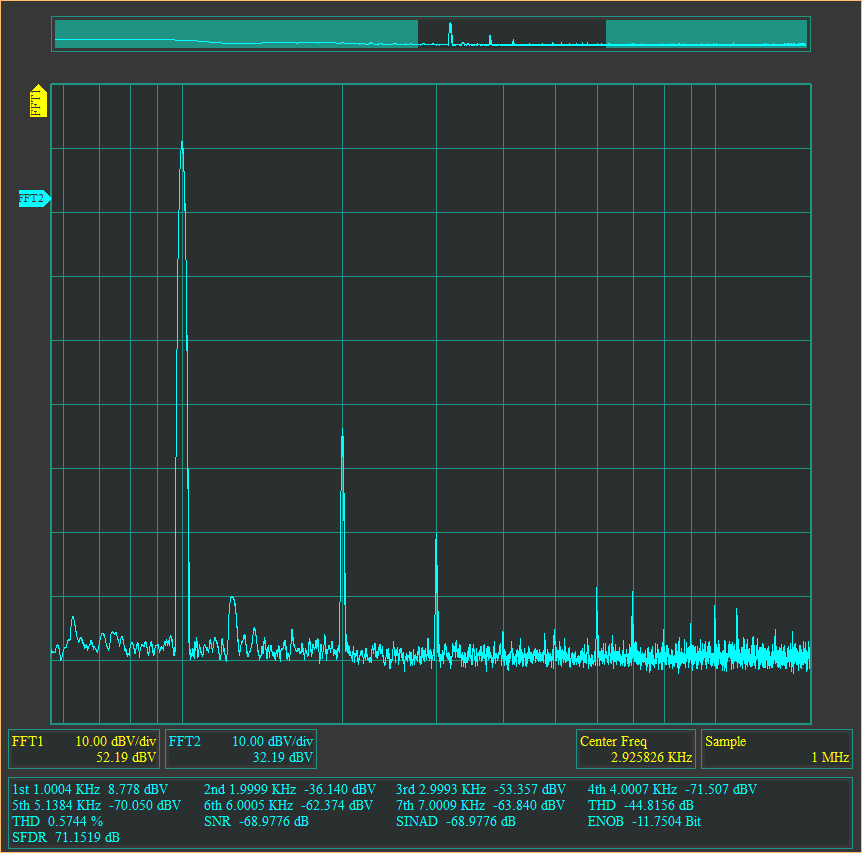
THD distortion: 0.57% @ 1 watt
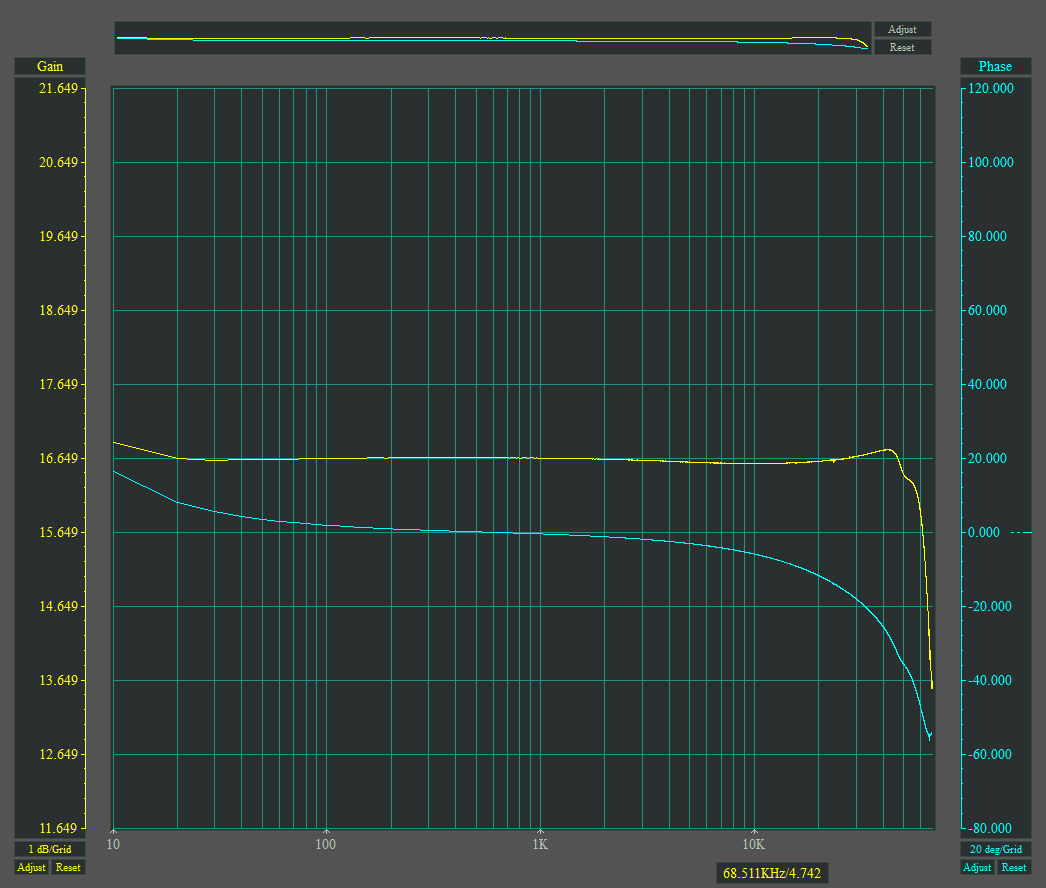
Bandwidth: 7Hz / 60khz -1dB
Damping factor: 6.66
Frequency response graph on resistive load
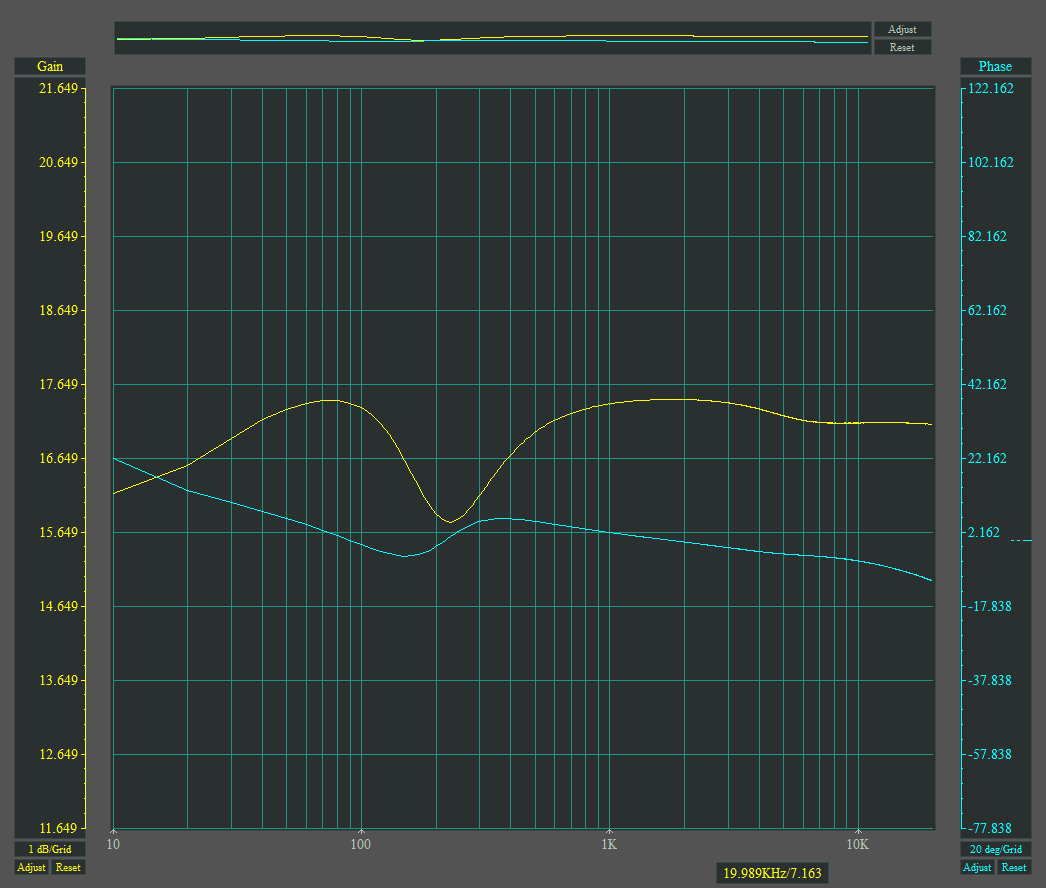
And on reactive load
Spectrum analysis at 1 watt
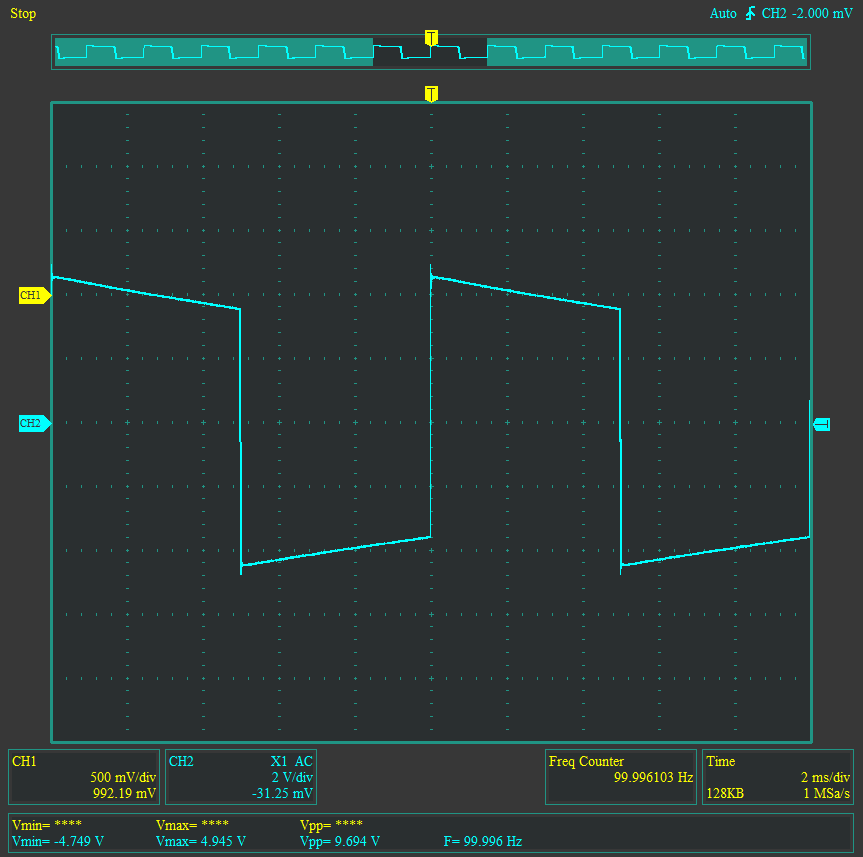
Square wave at 100Hz / 1k / 10k
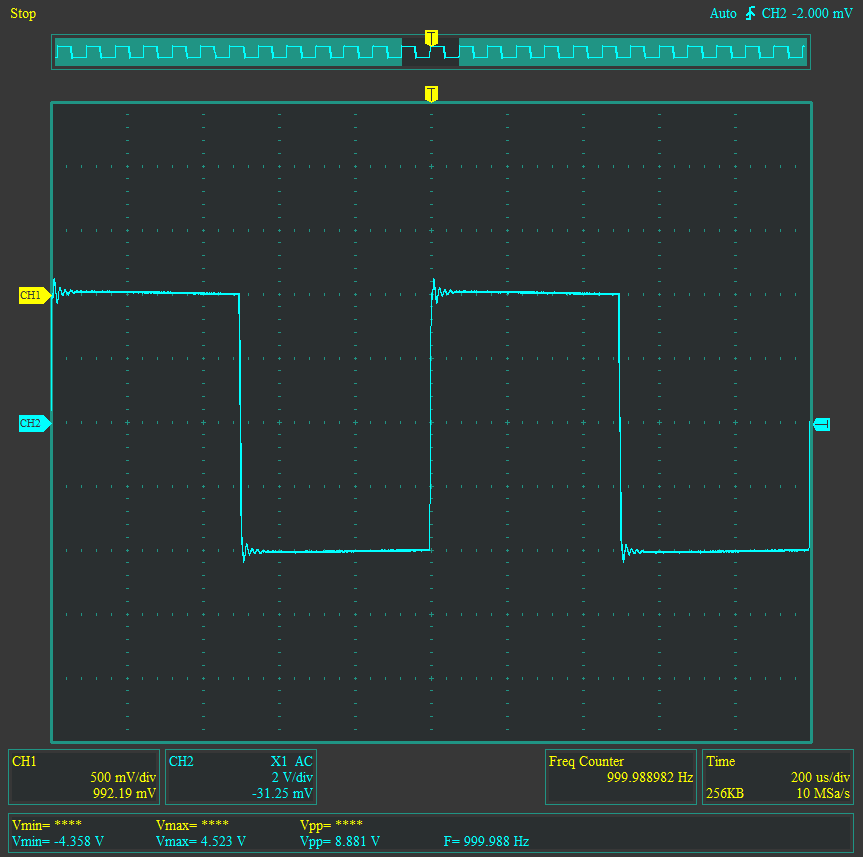
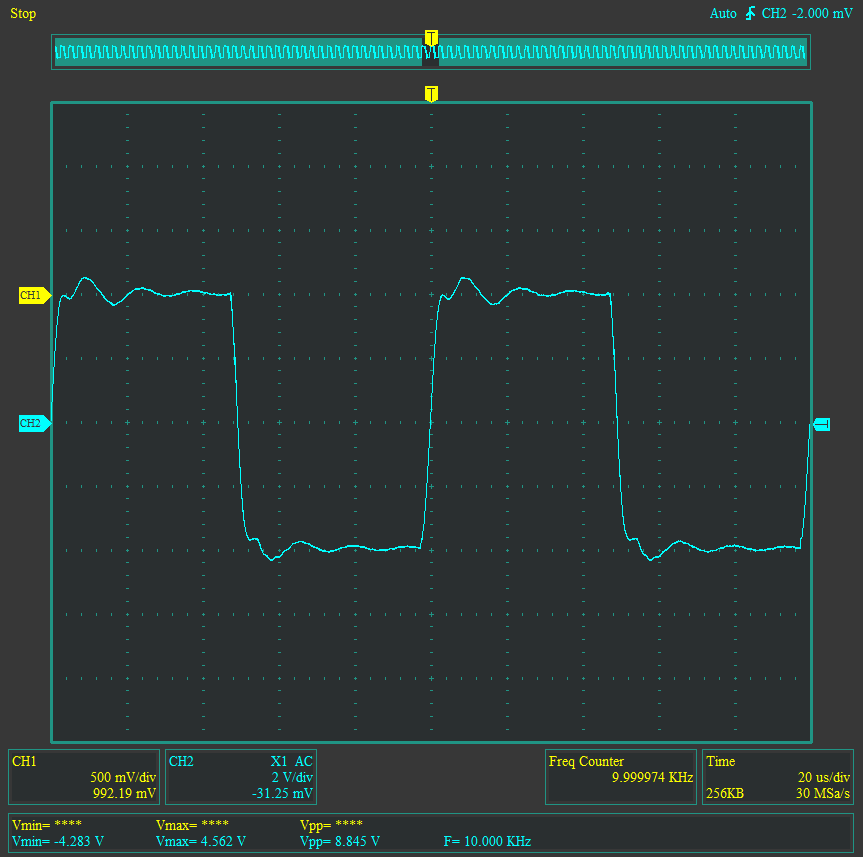
In the video below I captured the sine wave still perfectly clean and straight at 7Hz @ 1 watt, incredible, almost an excessive result…