GRAAF is a renowned Italian company in the high-fidelity audio sector, known for producing high-quality tube amplifiers. Since the first prototypes in 1983, featuring powerful 400 Watt RMS OCL and OTL power amplifiers and tube preamplifiers, GRAAF has earned a prominent position on the market. In 1994 it launched the “GRAAFiti” line, a series of products designed to reach a wider range of customers with entry-level solutions. Among these, the GRAAFiti 5050 stands out, a 50+50 Watt RMS power amplifier that combines GRAAF’s distinctive sound quality with an accessible price, winning over many audio enthusiasts thanks to its ability to deliver excellent sonic performance at a reasonable cost.

The GRAAFiti 5050 Oiled Up
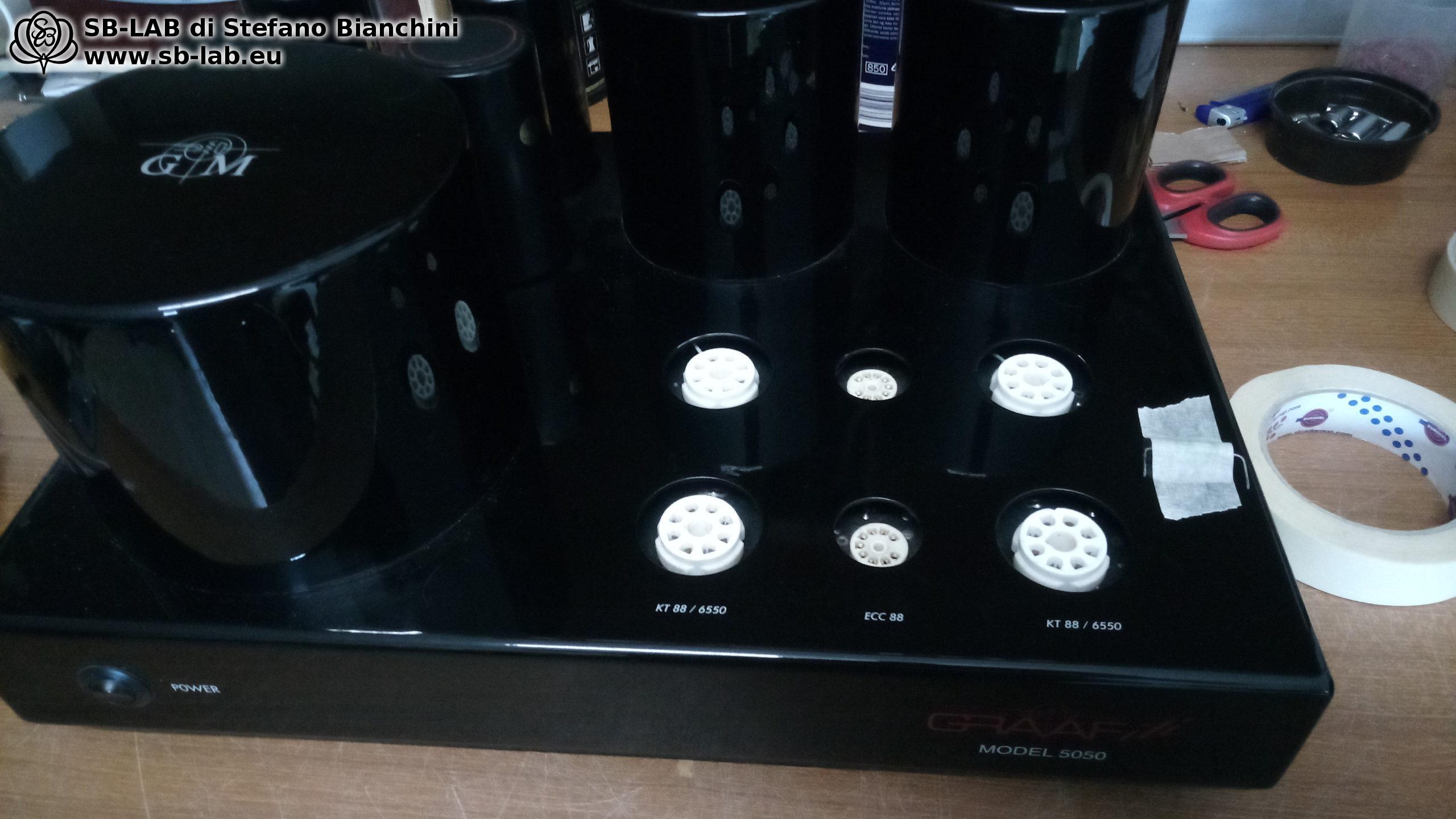
I received this amplifier from a customer who had bought it used from a HiFi shop that was highly unreliable and far too overhyped online. The seller, after spraying some oil on it, declared the unit “perfectly working” and sold it. I began disassembling the amplifier to understand the extent of the damage and found the PCB completely soaked in oil mixed with dry dust, to the point of forming an impressive crust.
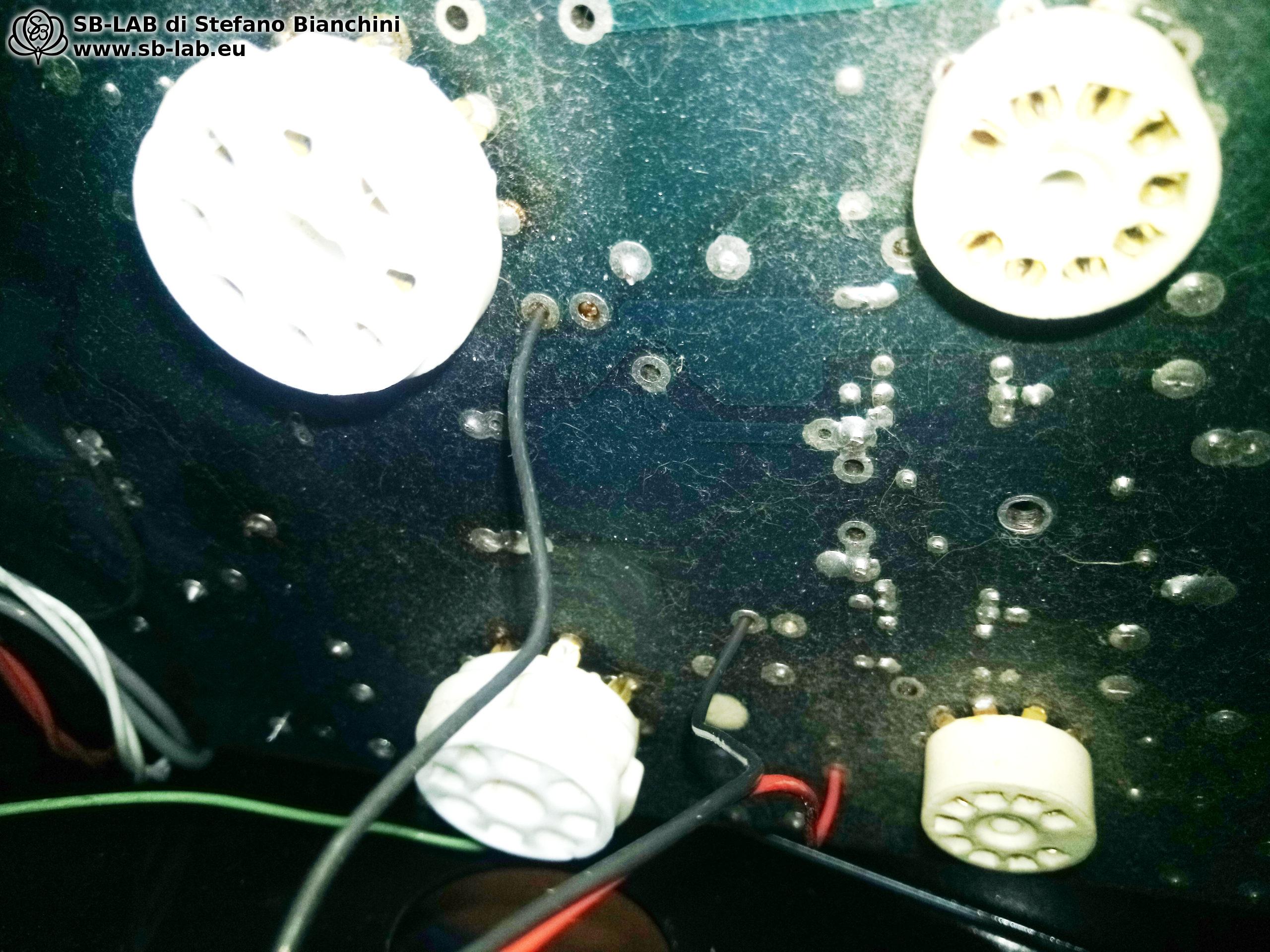
A sort of black tar was forming around the solder joints under the power tube sockets. The fiberglass was darkened around one of the four octal sockets, near a resistor that had practically unsoldered itself. I found a 1A fuse inserted where a 100mA fuse was supposed to be, clear evidence of an improvised repair: “Did the fuse blow? Let’s put in a bigger one so it won’t blow anymore,” with the very real risk of destroying everything else. I desoldered all the wires to completely remove the board and tried to clean it thoroughly.

The more I tried to clean it, the worse the situation became. Anyone who puts oily products on electronics should have their hands cut off! In the end I had to wash it first with gasoline to dissolve the dry grease, and then with degreaser and hot water to remove it completely. The result was excellent: the board looked like new again. After blowing it thoroughly with compressed air, I set it aside for a few days to ensure it dried completely.

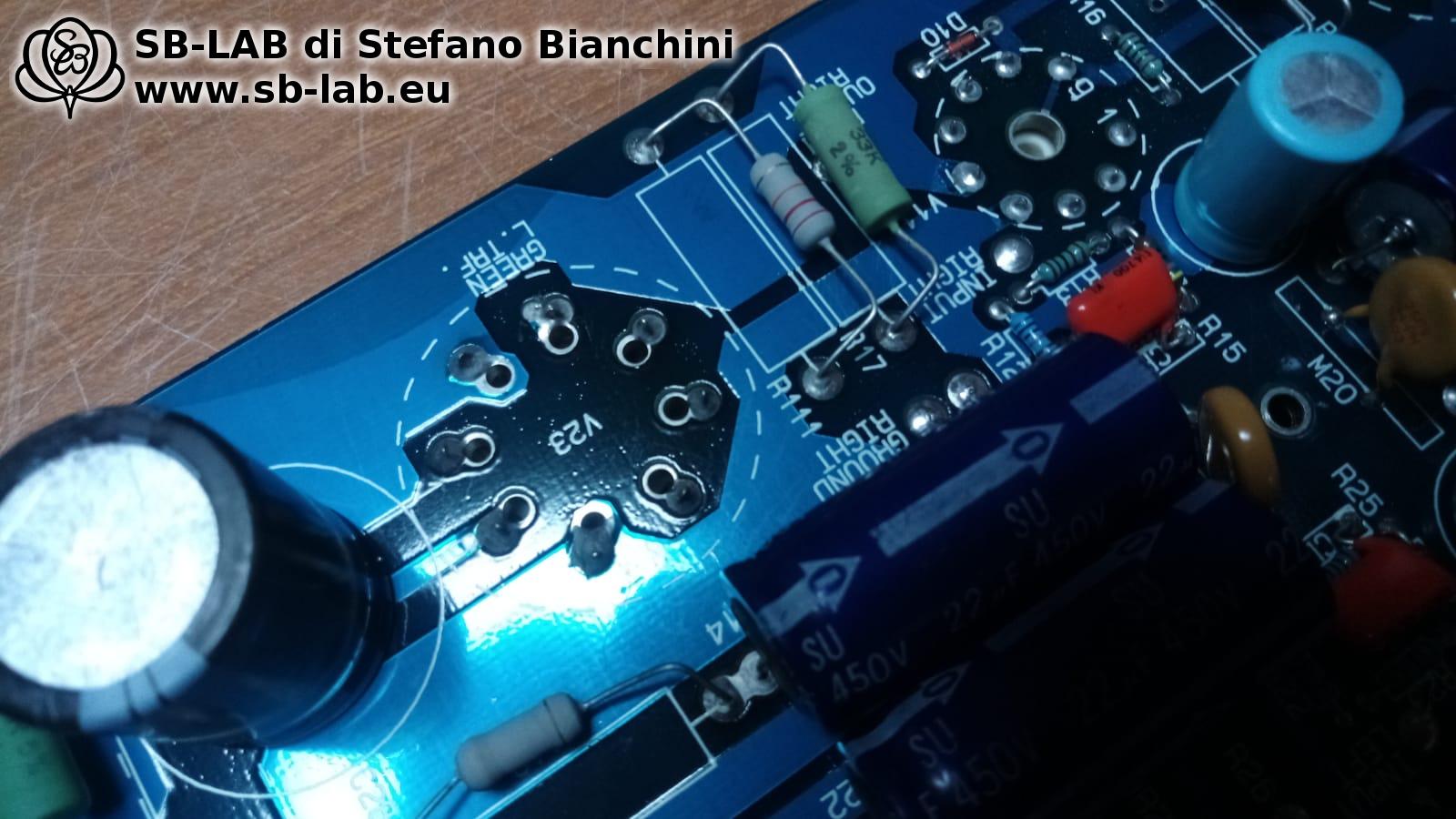
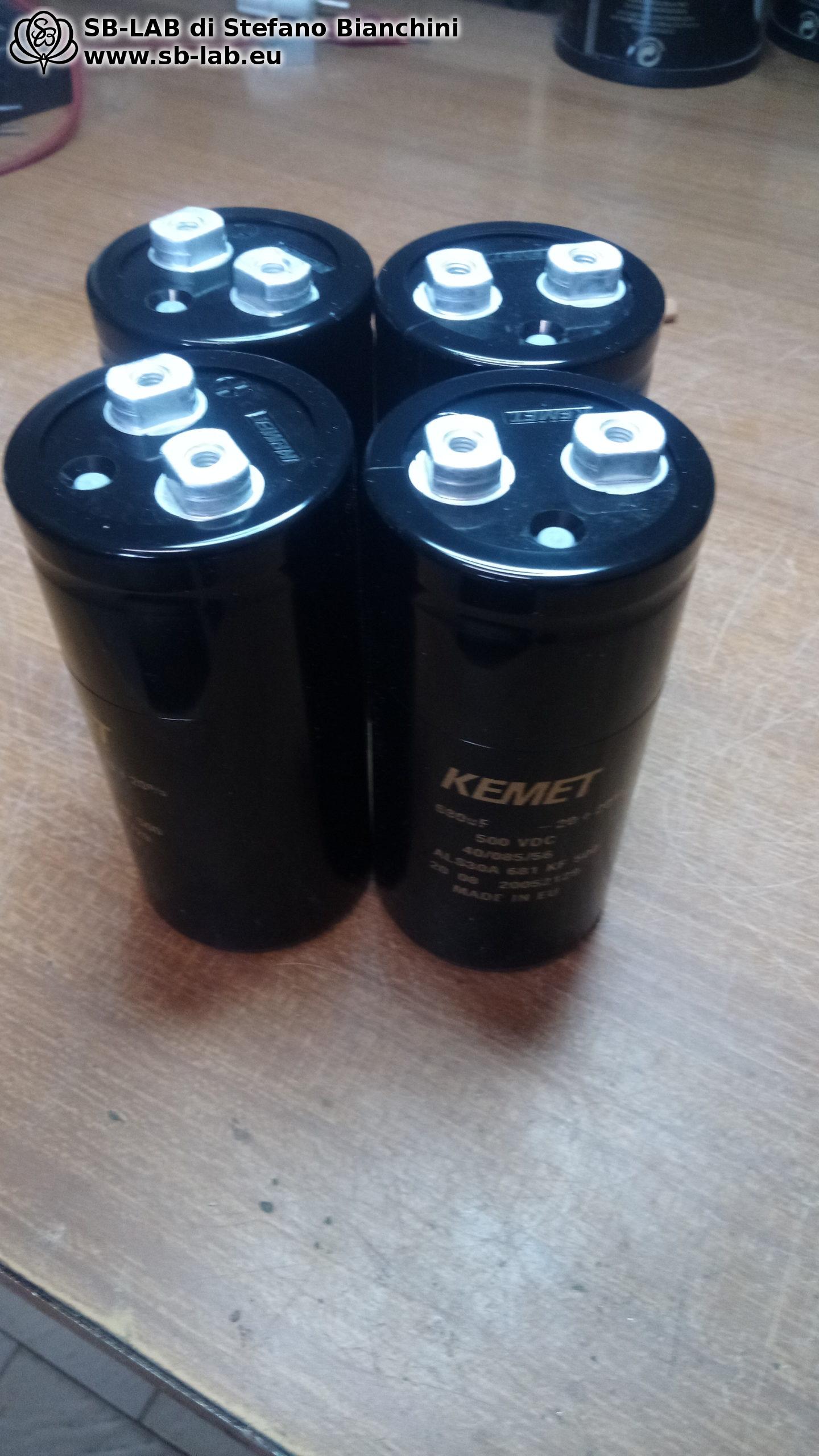
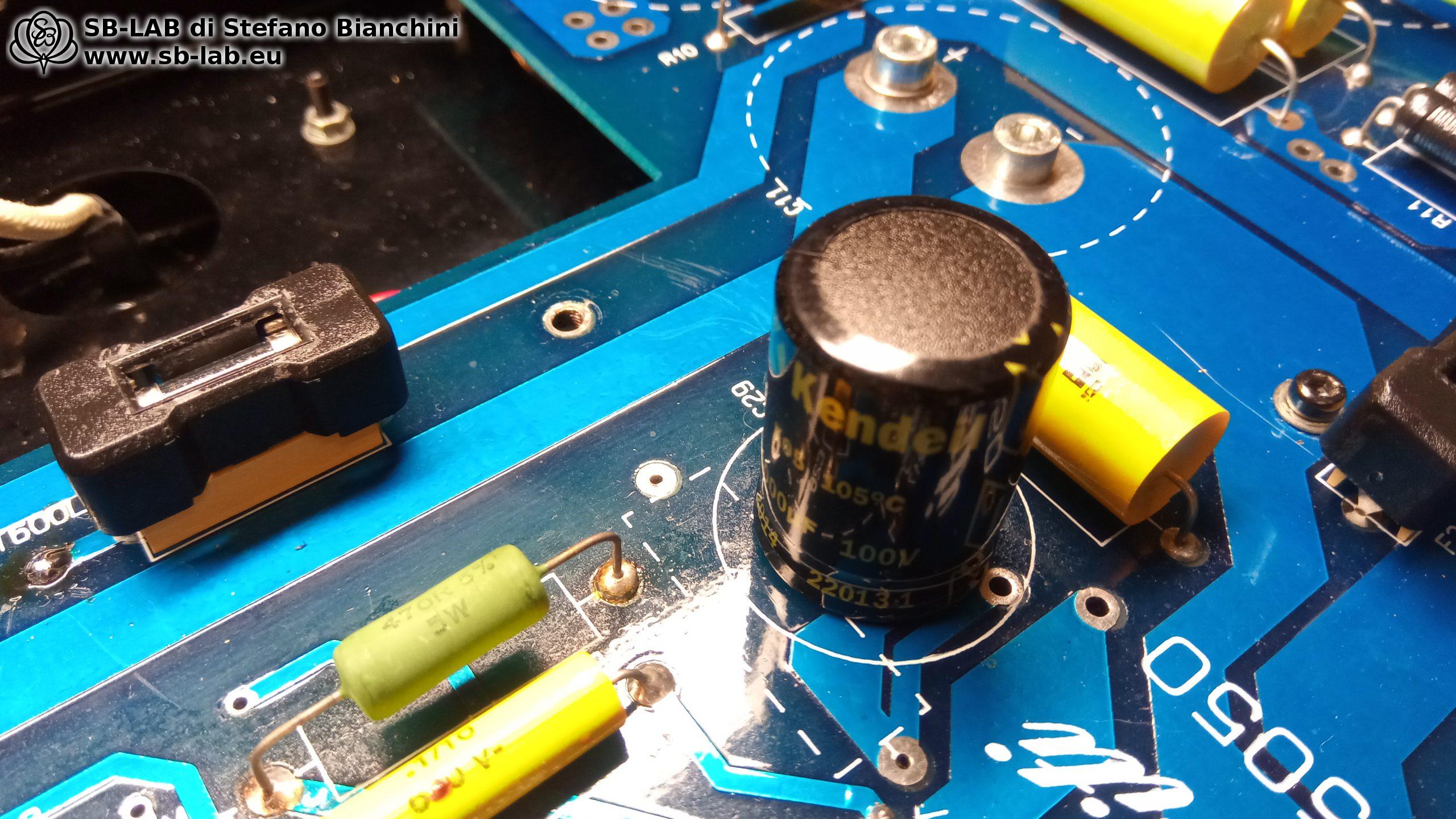
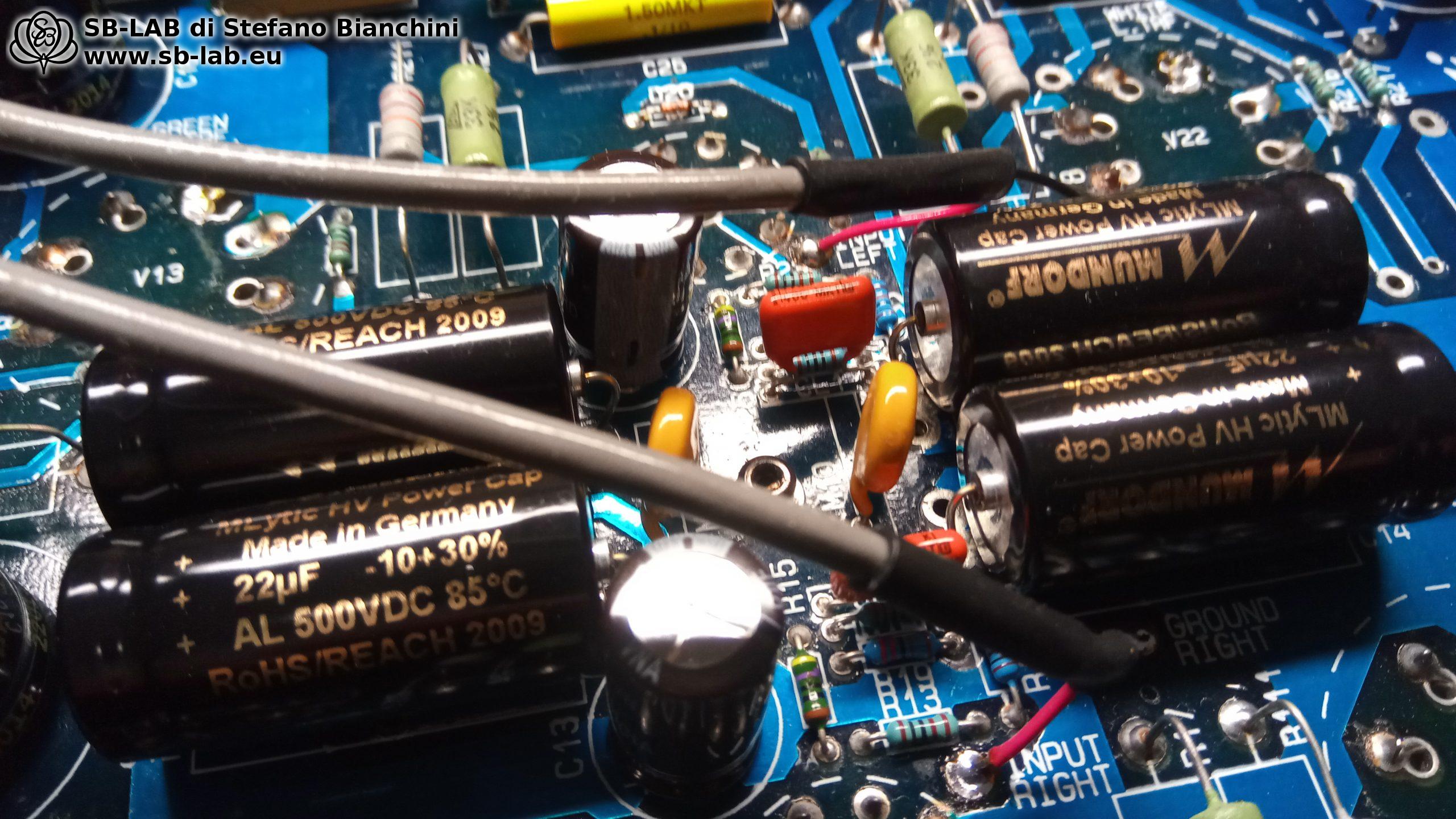
When I inspected the board again, I noticed that almost all electrolytic capacitors were deteriorated and several resistors were burnt. I therefore replaced all electrolytic capacitors on the board with new high-quality components: I chose Kendeil for the cathode bypass capacitors and Mundorf for the coupling capacitors. I also replaced the four large 680uF capacitors, since the originals measured only about 460/500uF. Naturally I also replaced all damaged resistors.
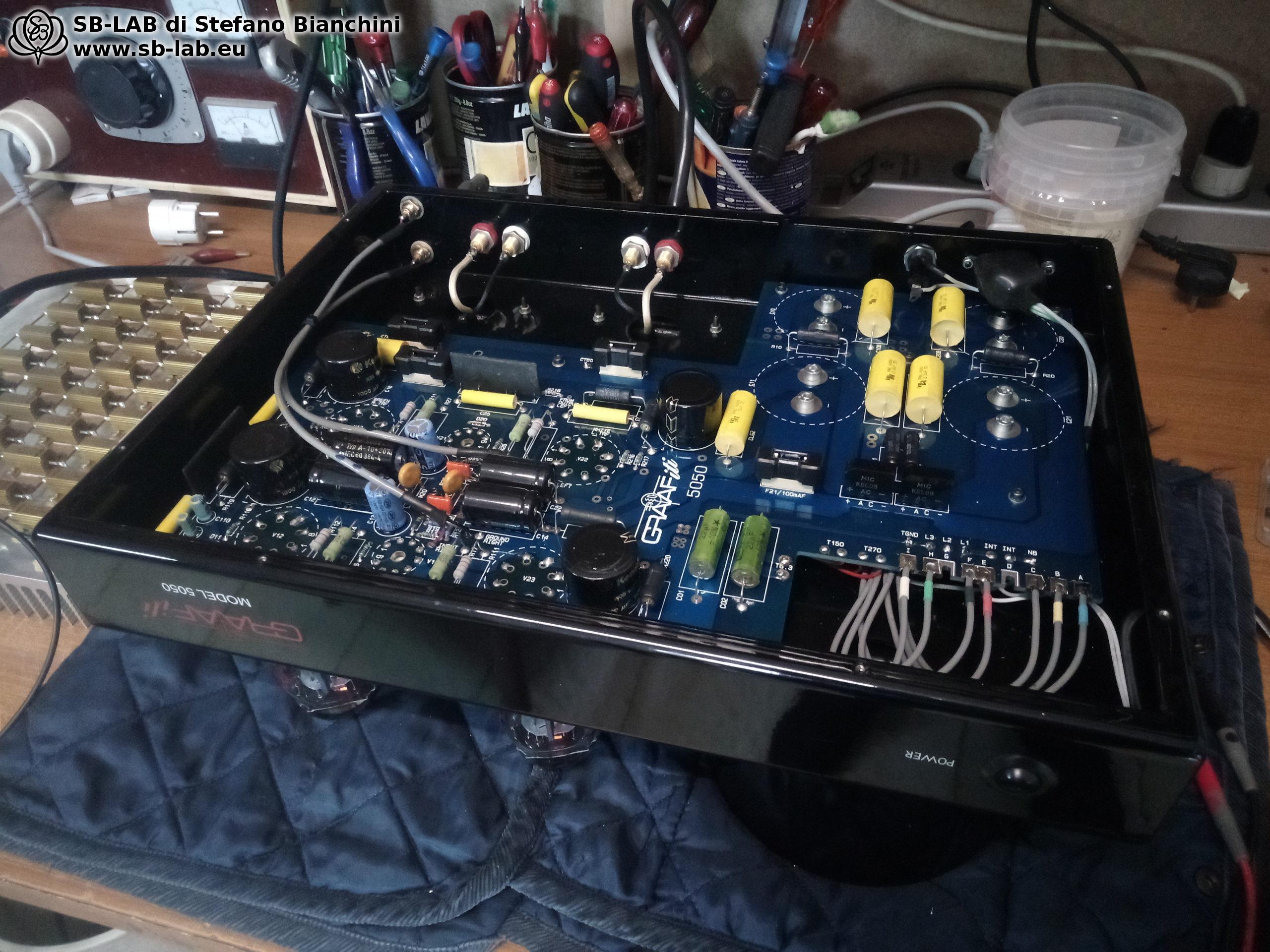
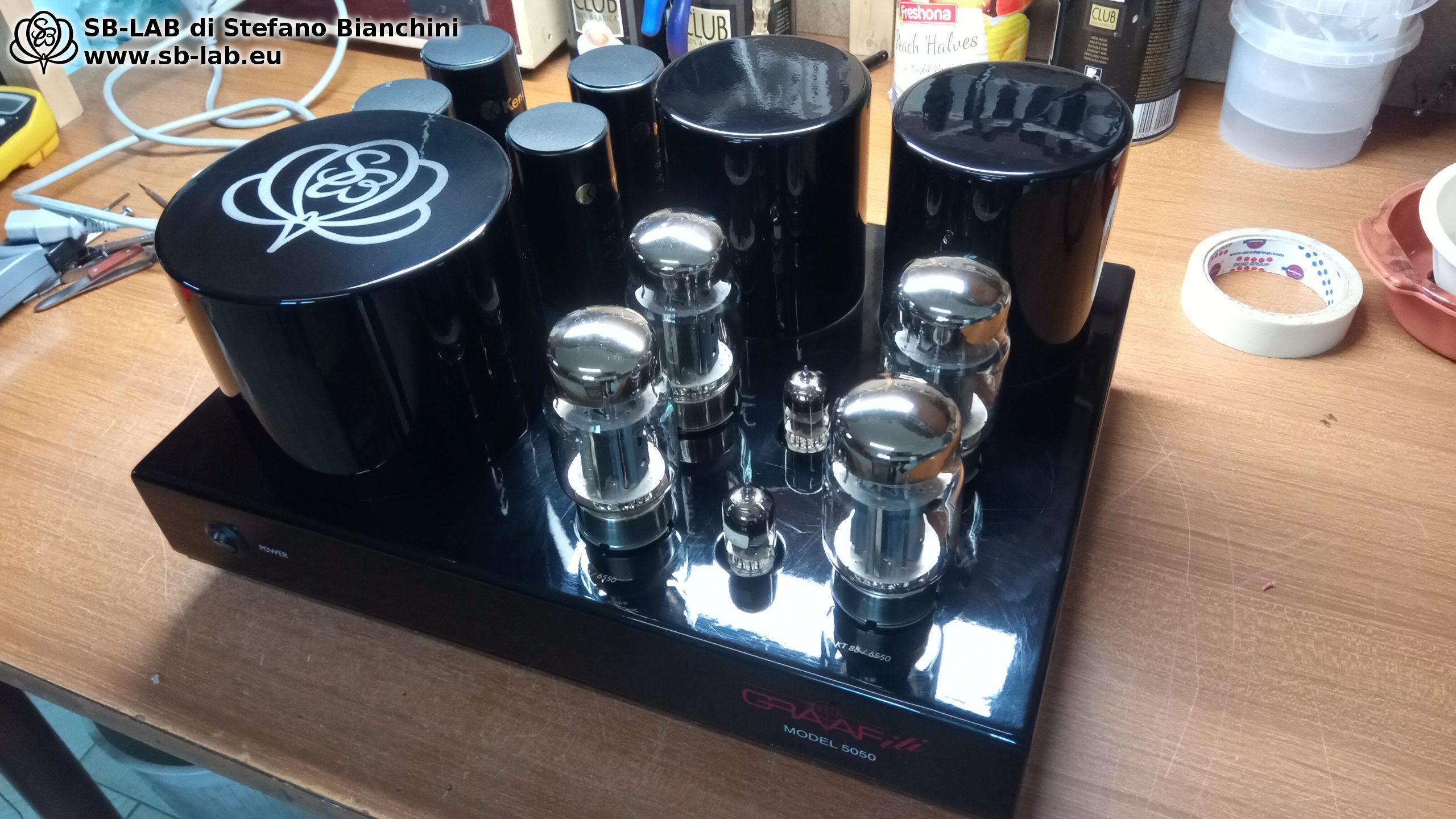
Finally, I completed the amplifier using a set of NOS National Electronics KT88 and a pair of Philips SQ E88CC with gold pins.
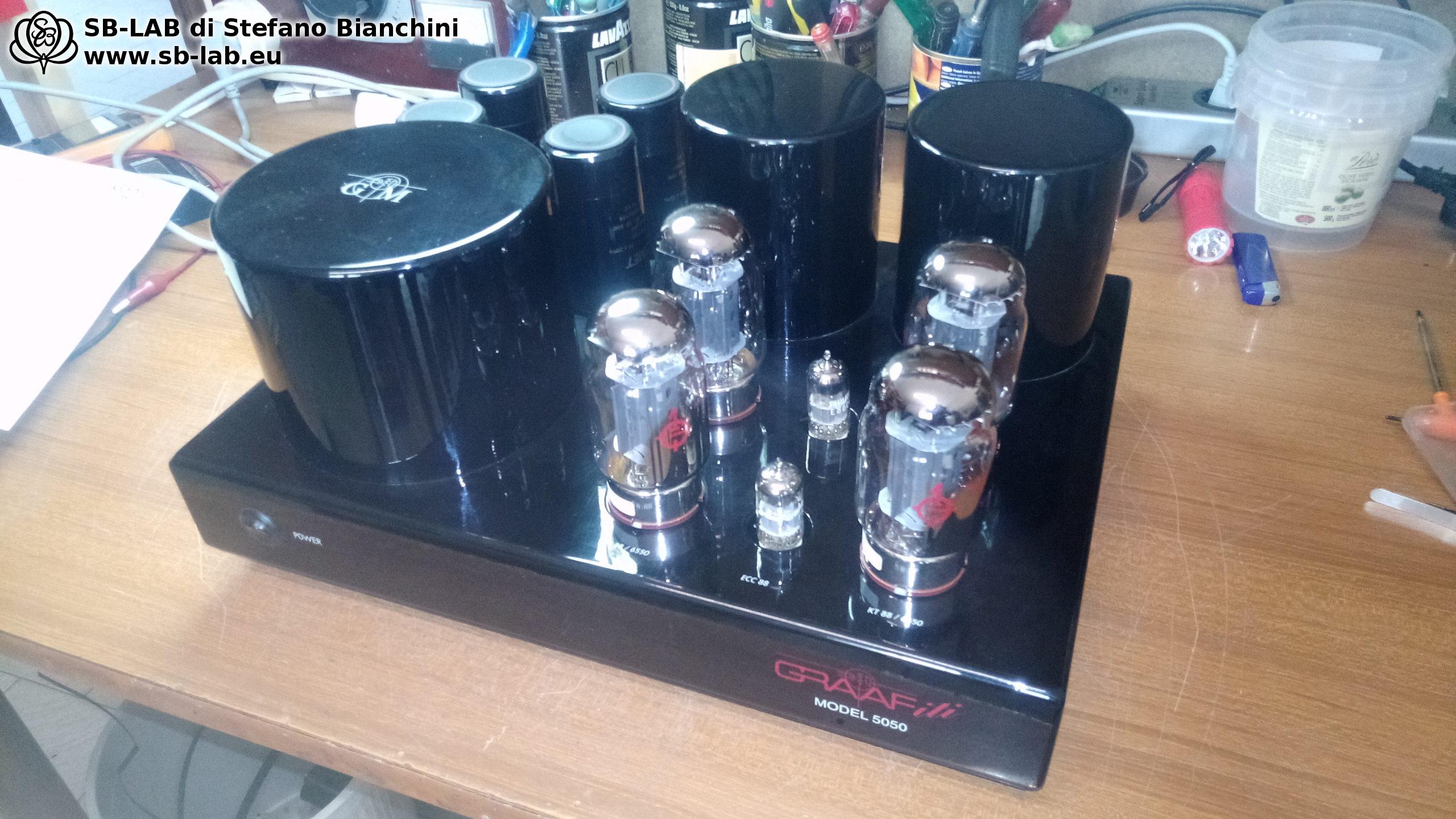
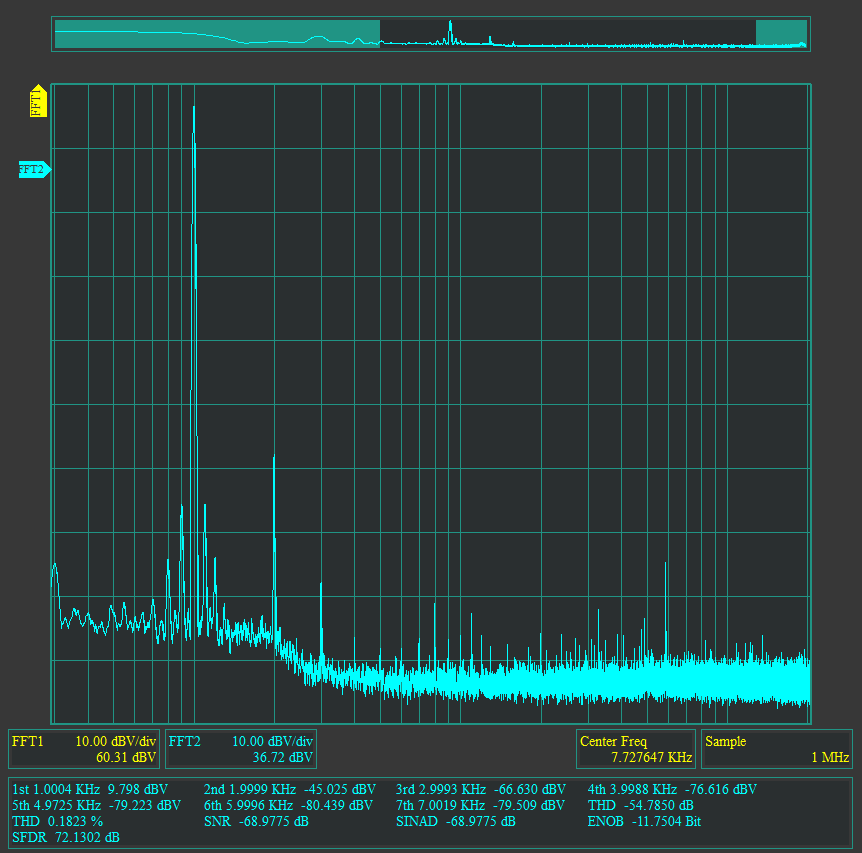
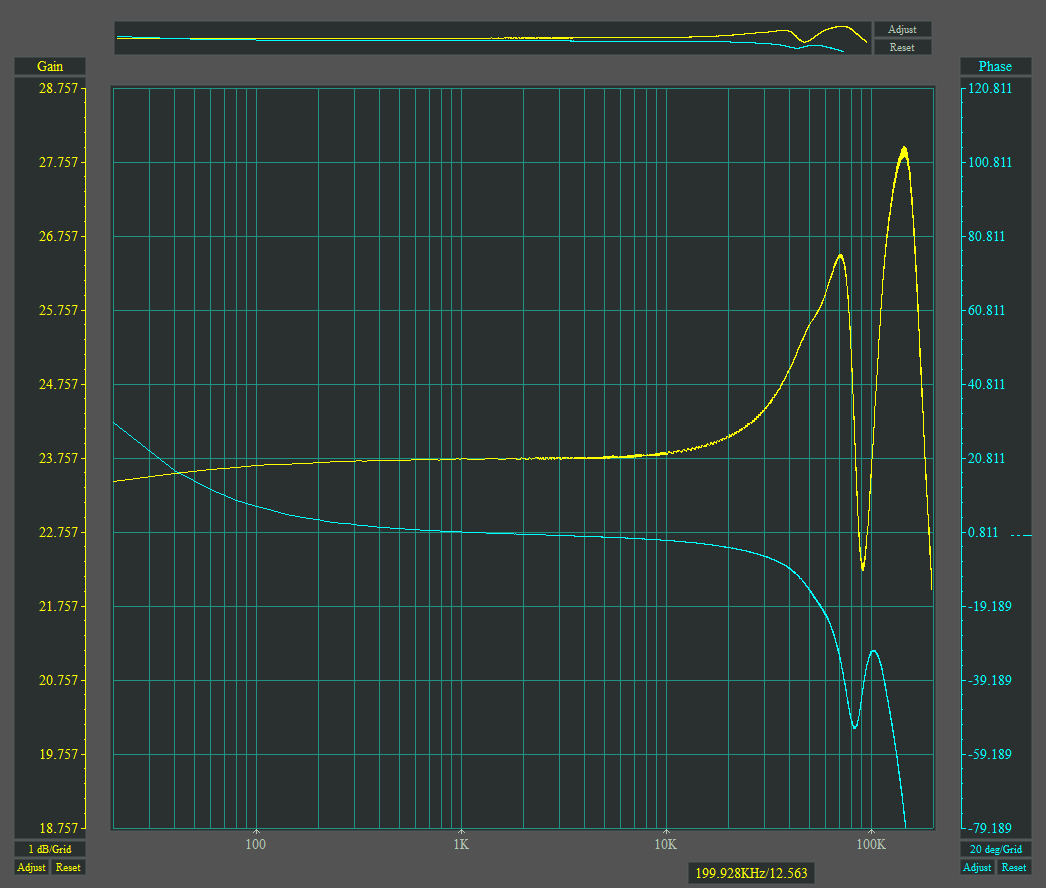
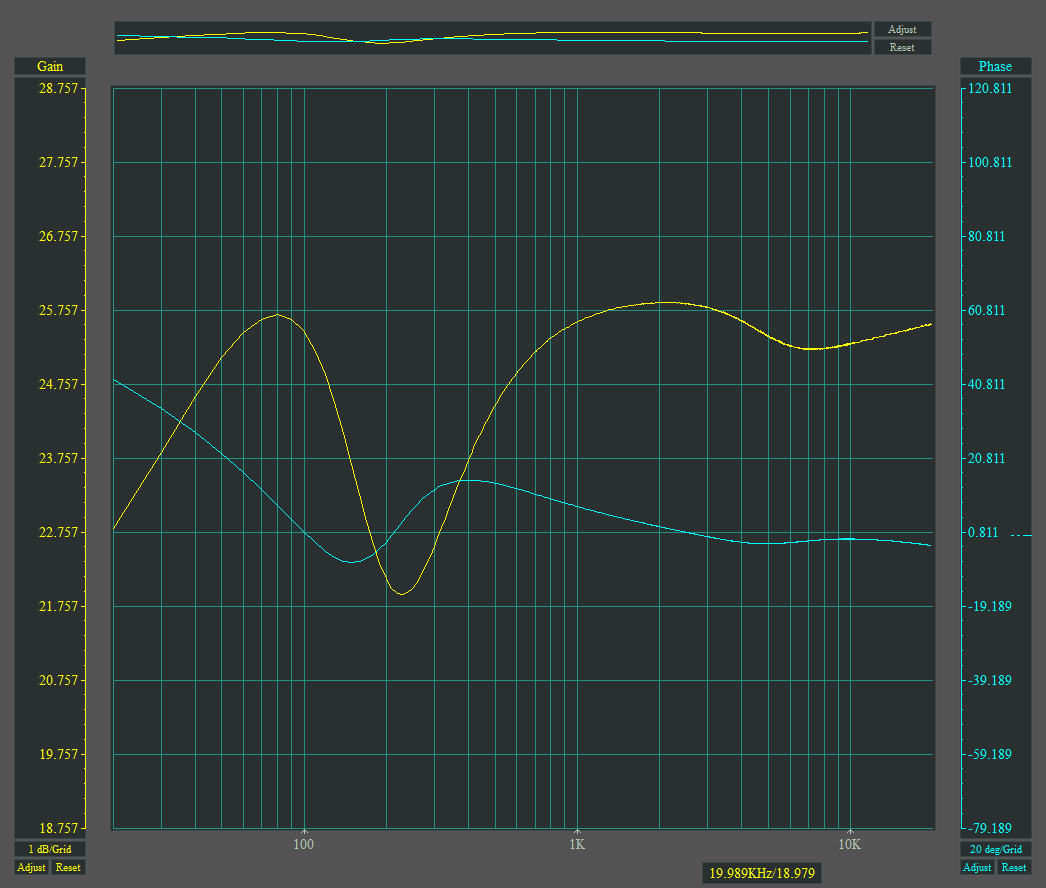
I then carried out a series of detailed measurements: the amplifier delivers 56 Watt RMS per channel. Below are the graphs for harmonic distortion and frequency response, both on resistive load and reactive load.
Replacement of the Power Transformer on the GRAAFiti 5050
In this chapter I describe two jobs involving the replacement of a burnt power transformer on a GRAAFiti 5050 amplifier. Fortunately I have a copy of the original winding diagram of the GRAAFiti 5050, which allowed me to reproduce the damaged transformer accurately.
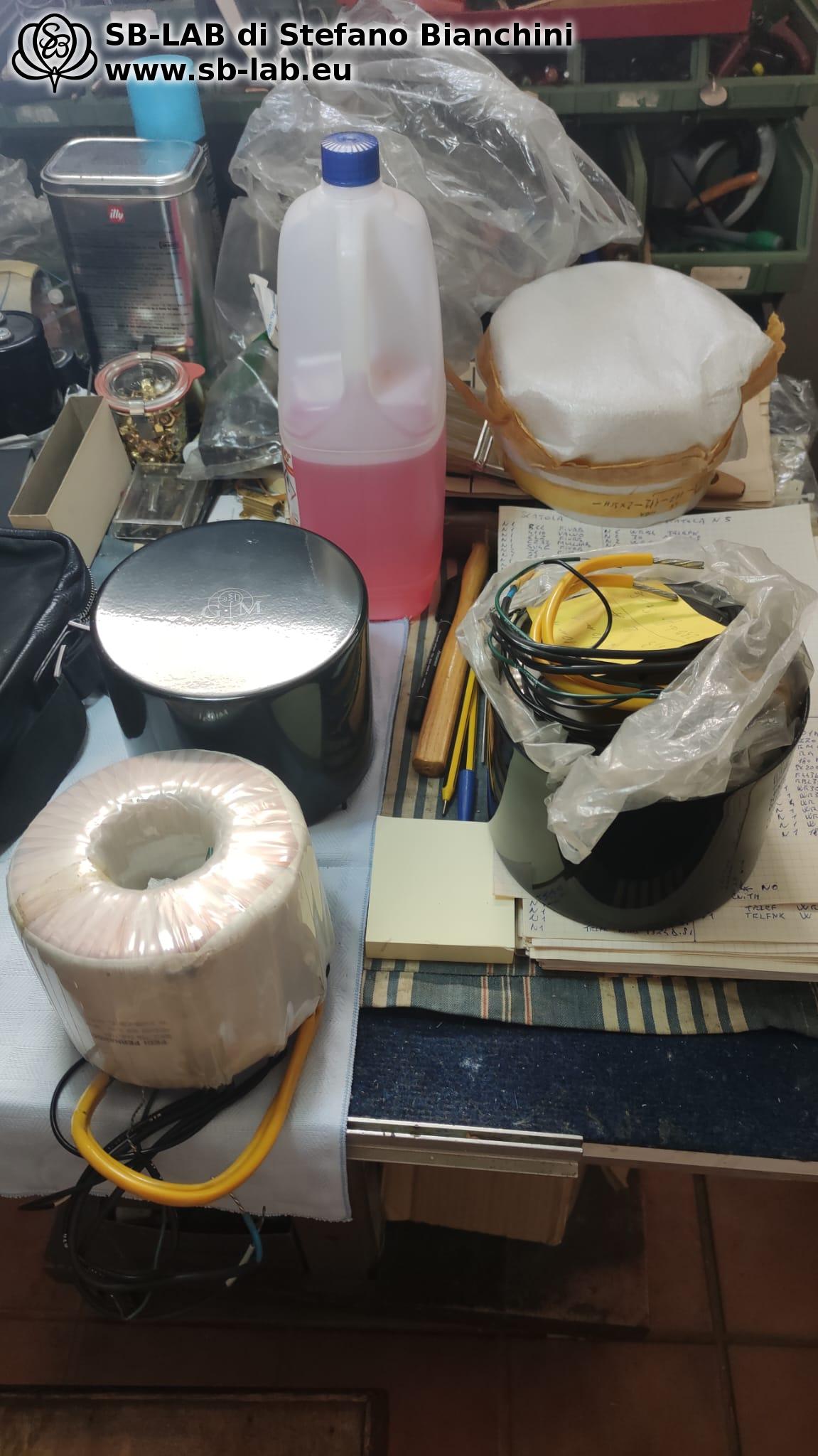
In the first job I was lucky enough to obtain empty replacement cans directly from Mariani’s own workshop. I had a new transformer wound, which was then potted in resin inside the original can. In the picture below you can see the last cans found in the storage at G. Mariani’s home.
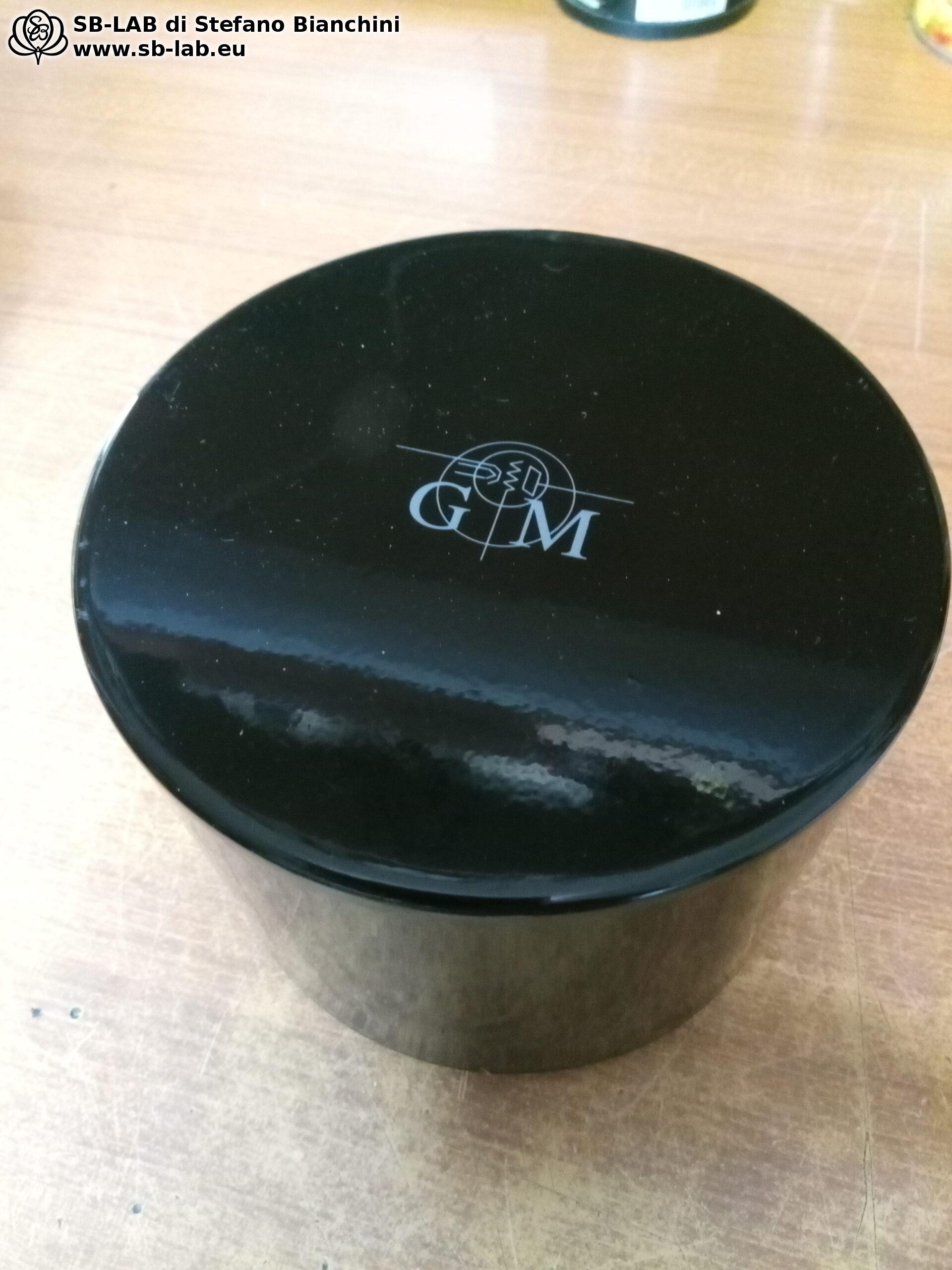
In the next picture you can see the GRAAFiti 5050 amplifier after the repair was completed. The new power transformer, carefully wound according to the original GRAAFiti 5050 diagram, has been successfully installed. Its casing, potted with resin in the original recovered can, reflects the attention to detail and respect for the authenticity of the design. This job not only restored the full functionality of the amplifier, it also preserved its aesthetic and historical integrity.
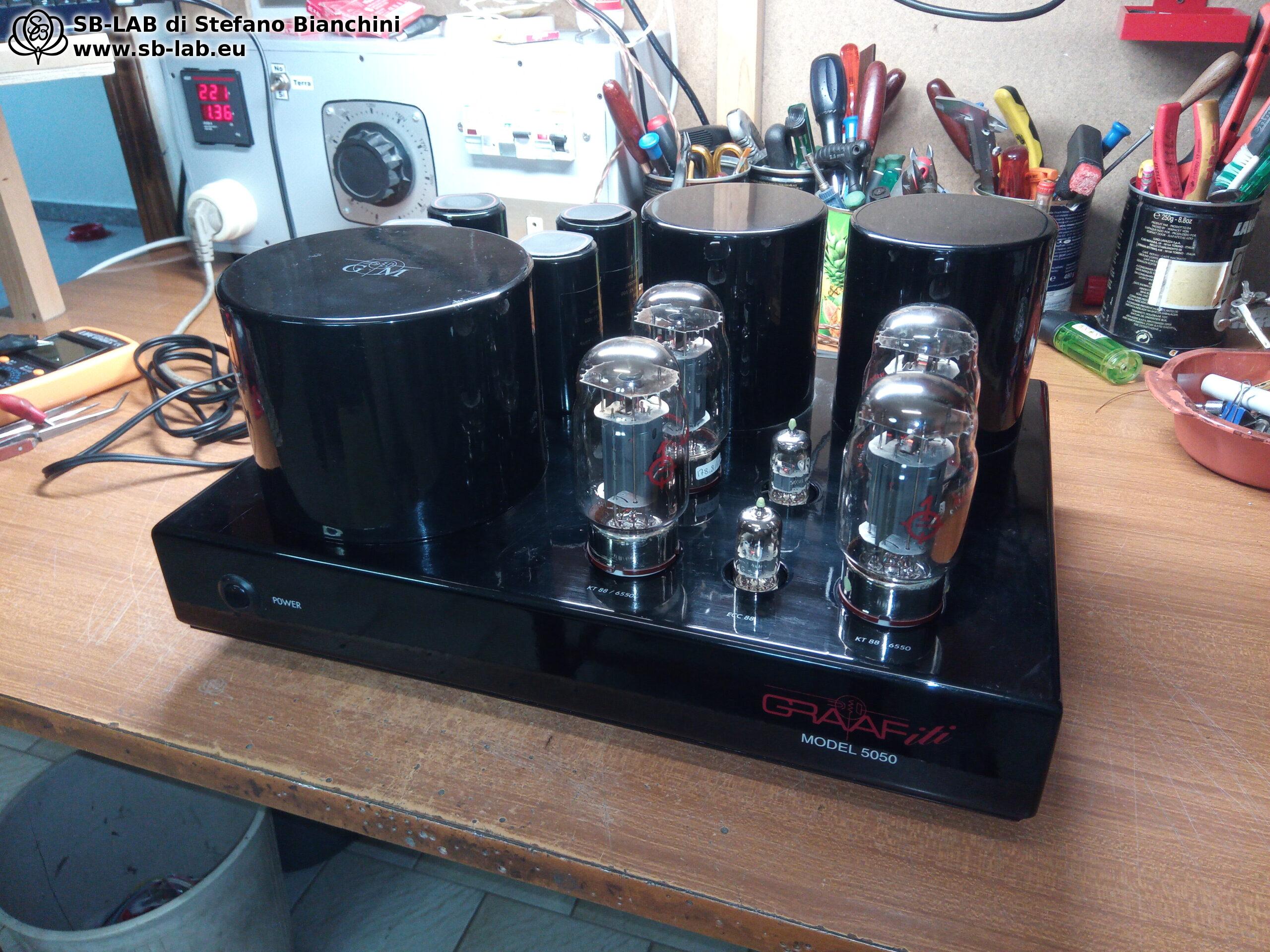
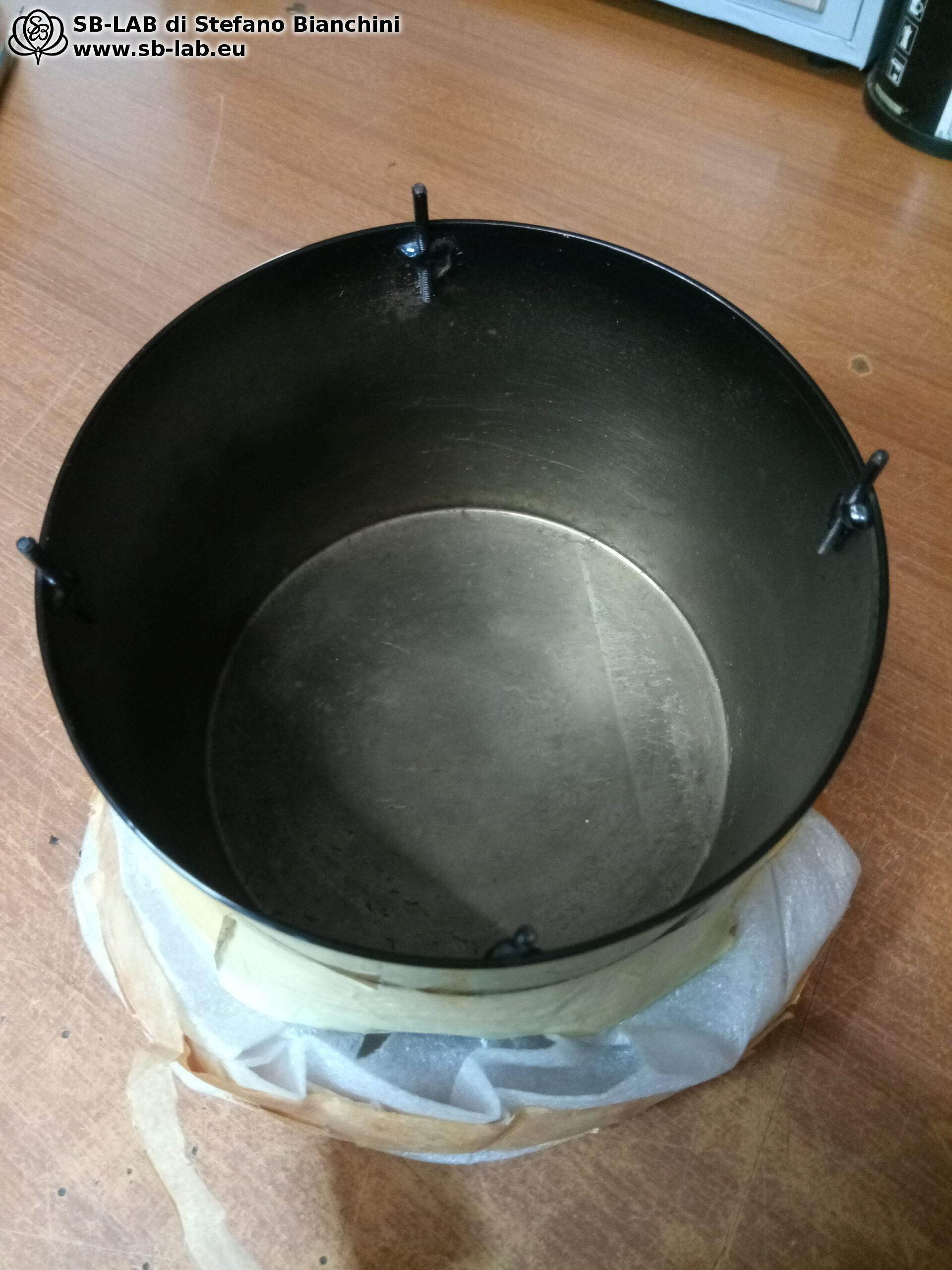
In the second job I show the transformer replacement, including the process of manufacturing a brand new sheet metal can. This chapter provides a detailed analysis of the techniques used and of the practical considerations needed to successfully carry out these repair and replacement operations.
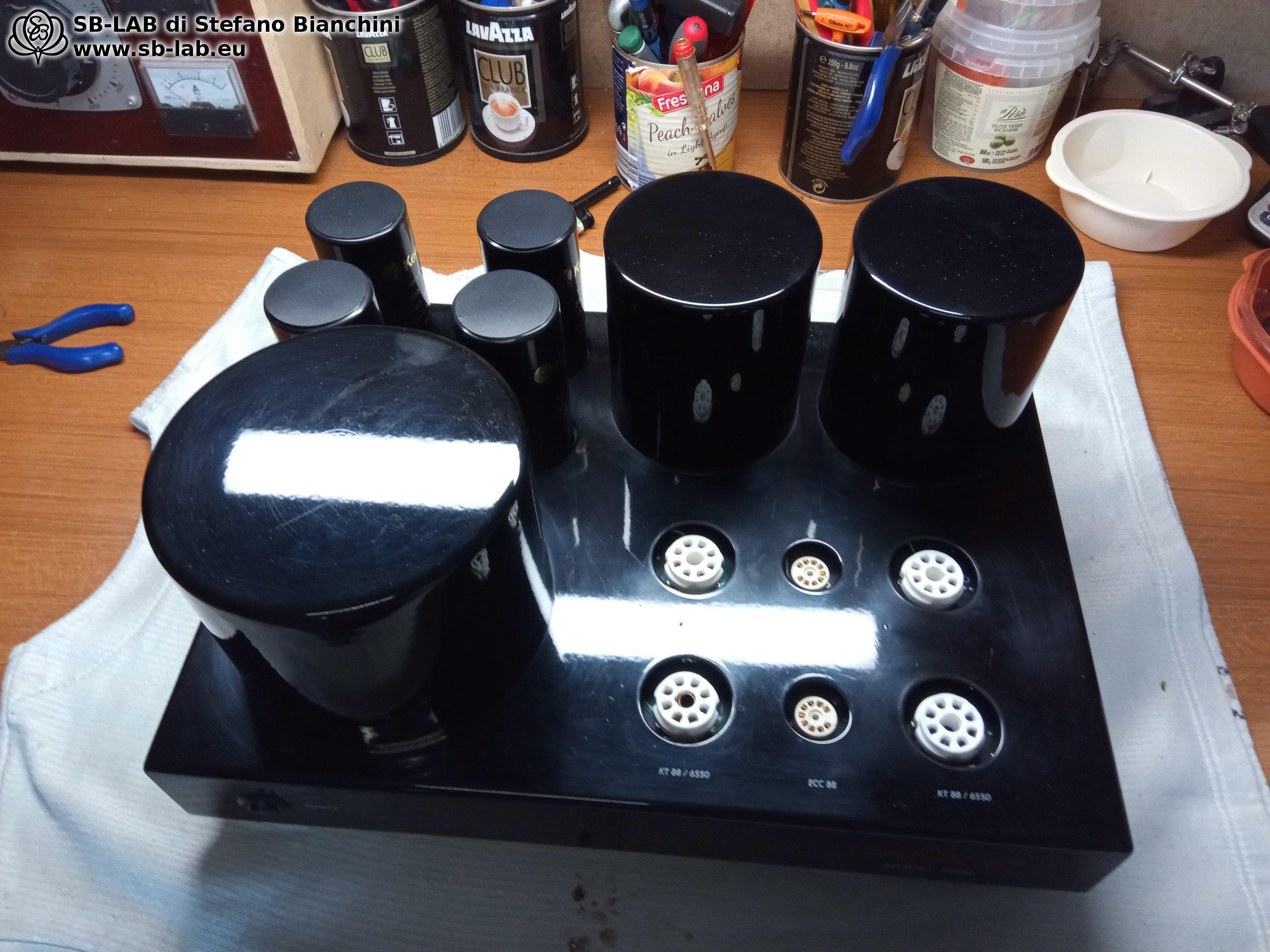
This GRAAFiti 5050 suffered a serious failure due to the incorrect insertion of a tube:
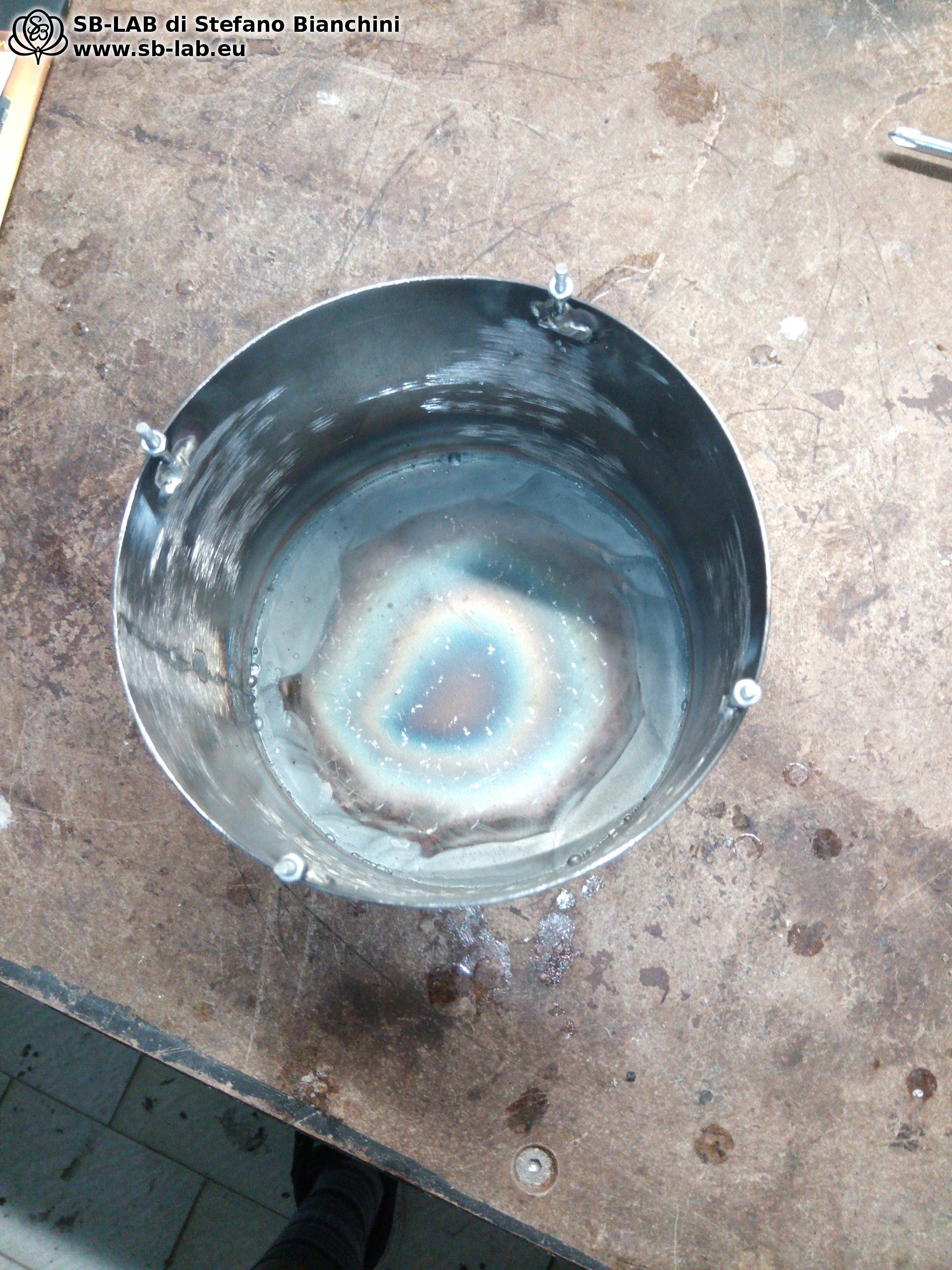
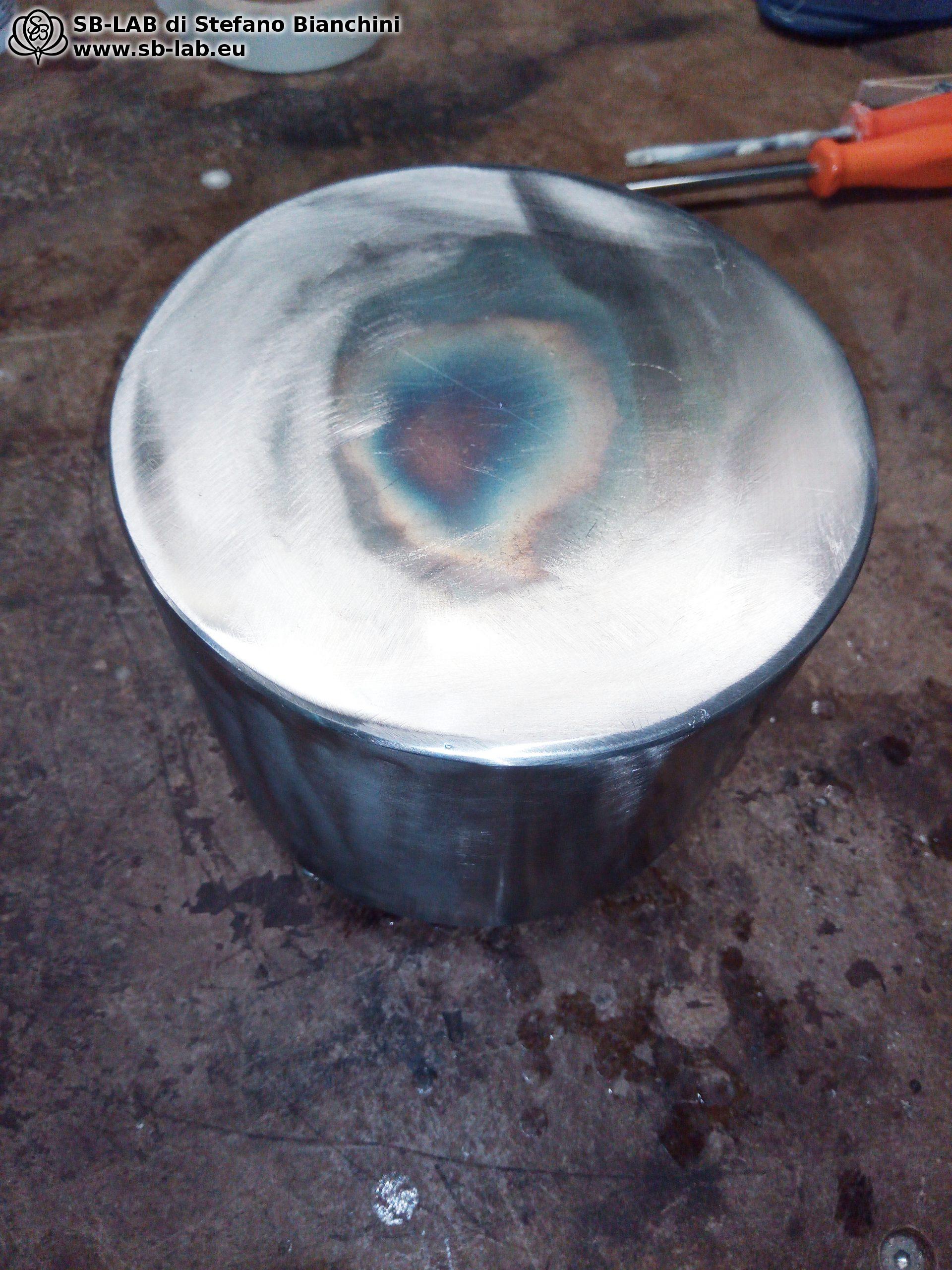
The power transformer was irreparably damaged and unfortunately the original spare part is no longer available. The most complicated part was rebuilding the can, which I had to remake completely from scratch.
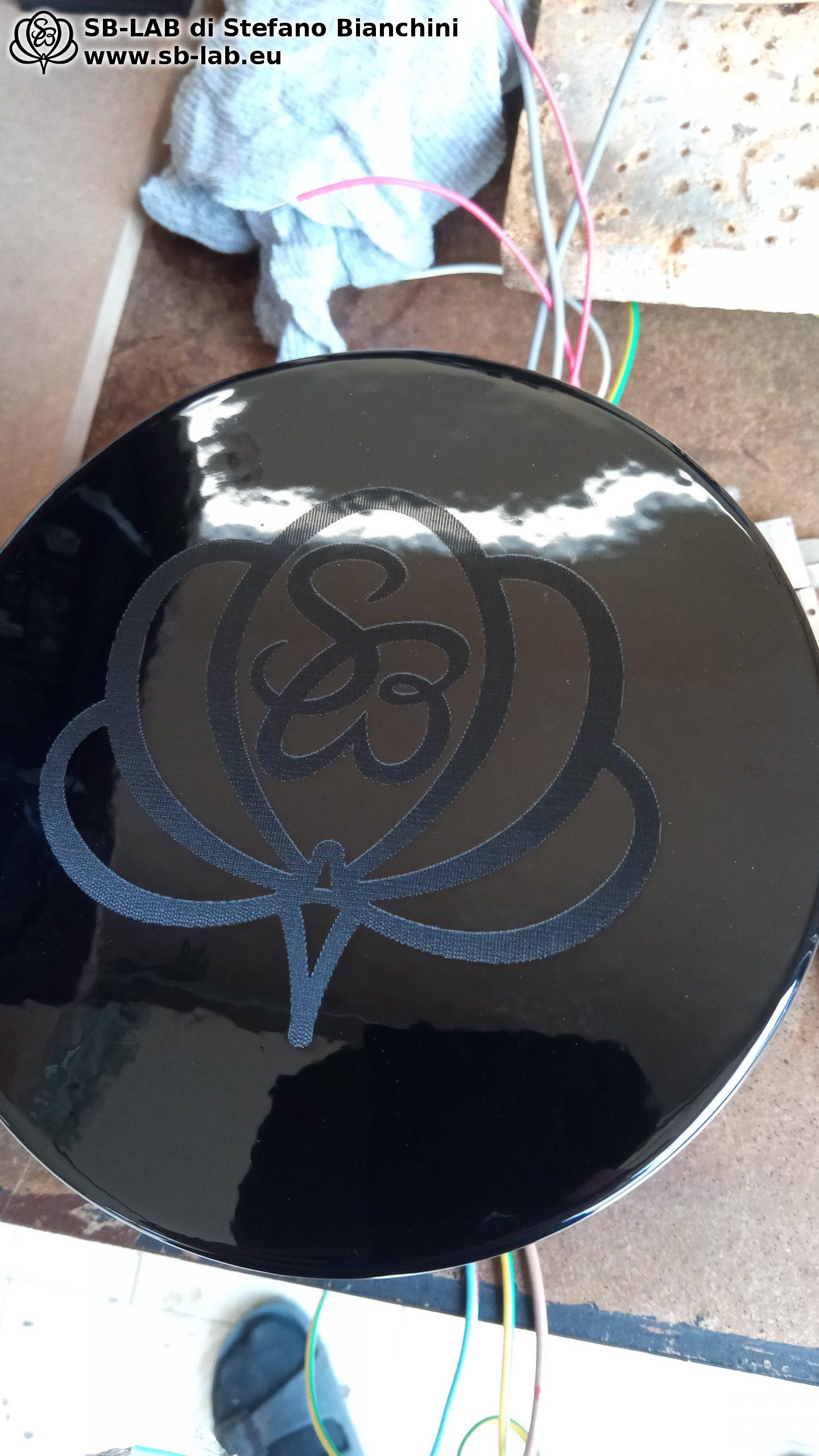
Note for those who might raise superficial objections: the transformer was manufactured by me personally and carries my logo. This does not in any way imply lower performance compared to the original. The decision to use my logo instead of the GRAAF logo is due to the legal need to avoid counterfeiting, since this spare part was entirely created by me. It is common practice among audio enthusiasts to apply labels and logos on non original parts, often without realising that this can amount to counterfeiting with possible legal consequences. My choice to use my own logo is intended to preserve the legal and technical integrity of the device, without distorting its original appearance.
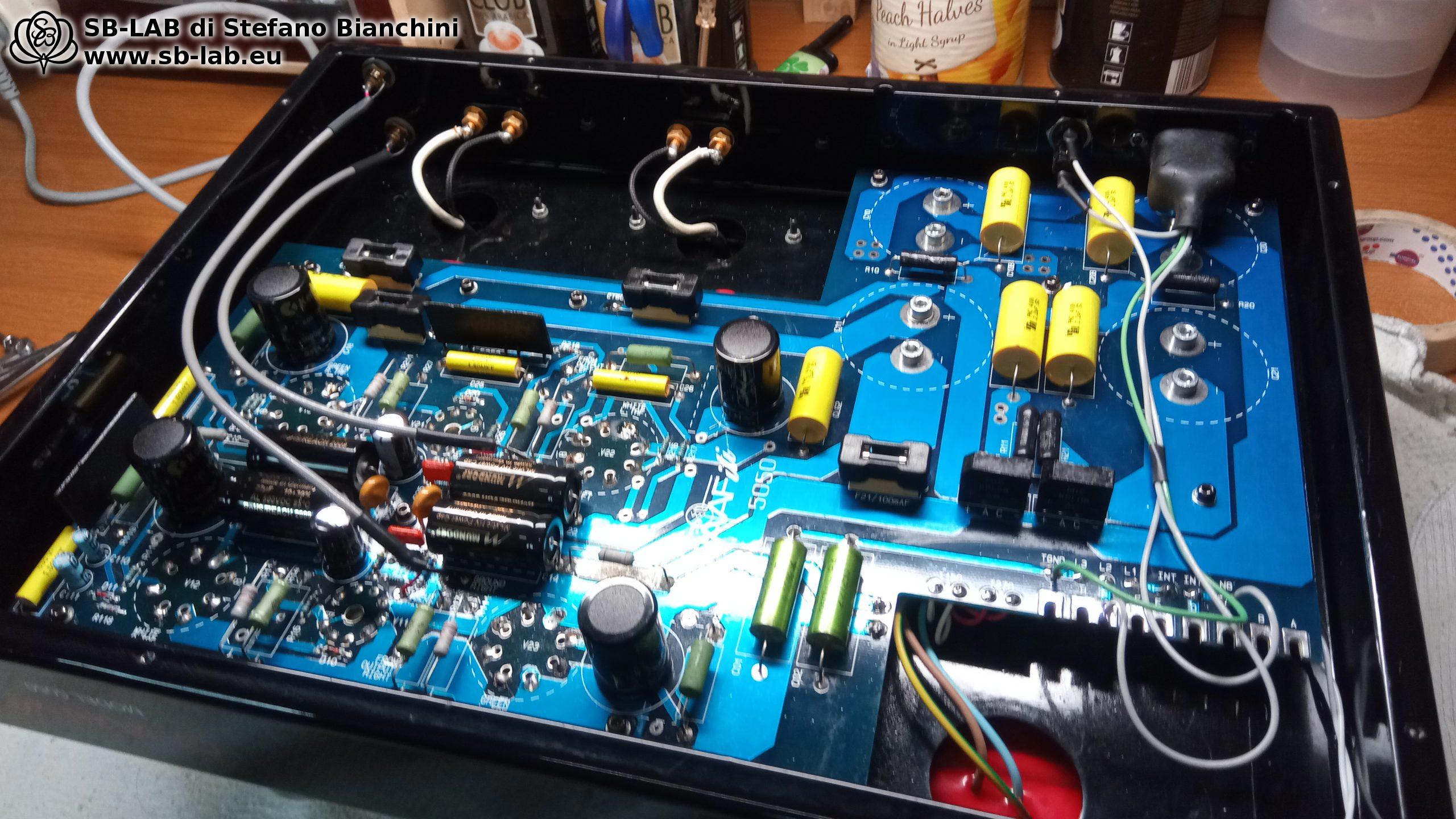
Subsequently I replaced some electrolytic capacitors on the board, since they were now worn out.

Replacement of Sockets and Advanced PCB Repairs
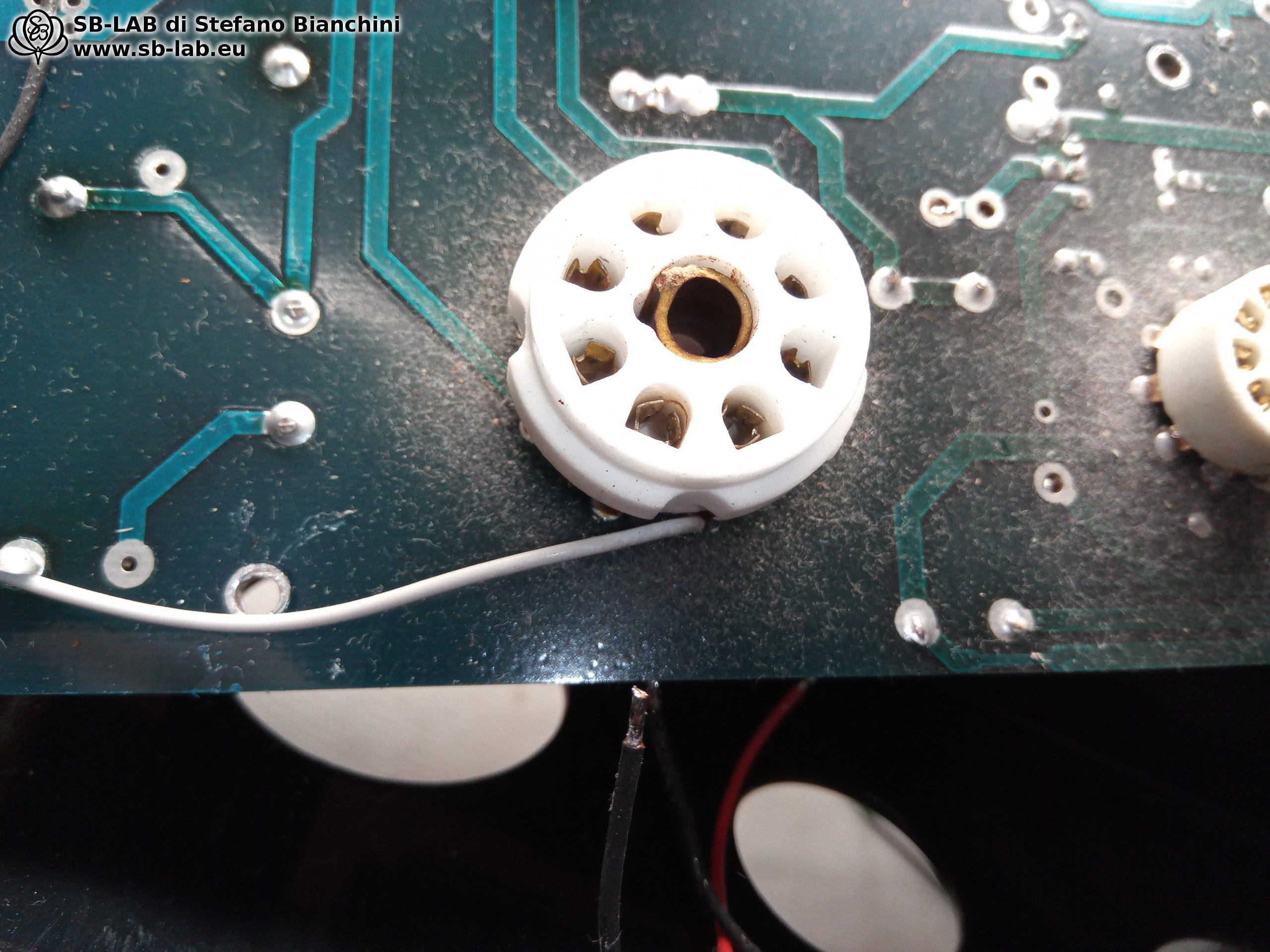
Another recurring job on the GRAAFiti units is replacing the noval sockets of the ECC88 / 6DJ8. The original ones, made of polyurethane, tend to deform after years of operation because of the heat generated by the tubes. When this happens, to avoid problems I replace the original sockets with high quality ceramic models, which are much more resistant to high temperatures and can ensure stable electrical contact over the years.

In other cases I have faced much more serious damage, such as a burnt resistor that completely charred the PCB underneath. Once damaged by heat, the fiberglass becomes conductive and creates leakage between traces, which makes it impossible to rely on the board as it is. In the pictures I show, you can see how I removed all the “decay” by milling away the compromised portion of the board, eliminating every carbonised residue. I then rebuilt the area with UV resin, restoring its original solidity, and finally recreated the burnt trace from scratch. The result is a robust repair, electrically reliable and completely safe, able to return the board to its original operating condition.


In conclusion, the GRAAFiti 5050 amplifiers are now working perfectly thanks to the repairs and replacements carried out. My ability to produce replacement transformers that are identical 1:1 for these devices is a testament to my dedication and expertise in this field. Anyone who needs repair or maintenance work on high quality equipment such as GRAAF units is welcome to contact me. It is important to choose technicians carefully, and to be wary of those who do not have access to the original G. Mariani archive, since that documentation is essential to ensure accurate repairs that comply with the original standards. For more information and to book a consultation or repair, visit our contact page.